Tudor Farmhouse Hotel Review: The Country Escape in the Forest of Dean
This is England’s far west, near the Welsh border. London is about three hours away by car, a little less by train, though the last stretch needs a taxi. I went to the Forest of Dean to the Tudor Farmhouse Hotel and to give myself a few days in this corner of Gloucestershire. By the second morning, the capital had stopped feeling close. The village is quiet, the woods are minutes away, and the days here are shaped by taking it easy and not rushing to do anything.
A Few Days in the Forest of Dean
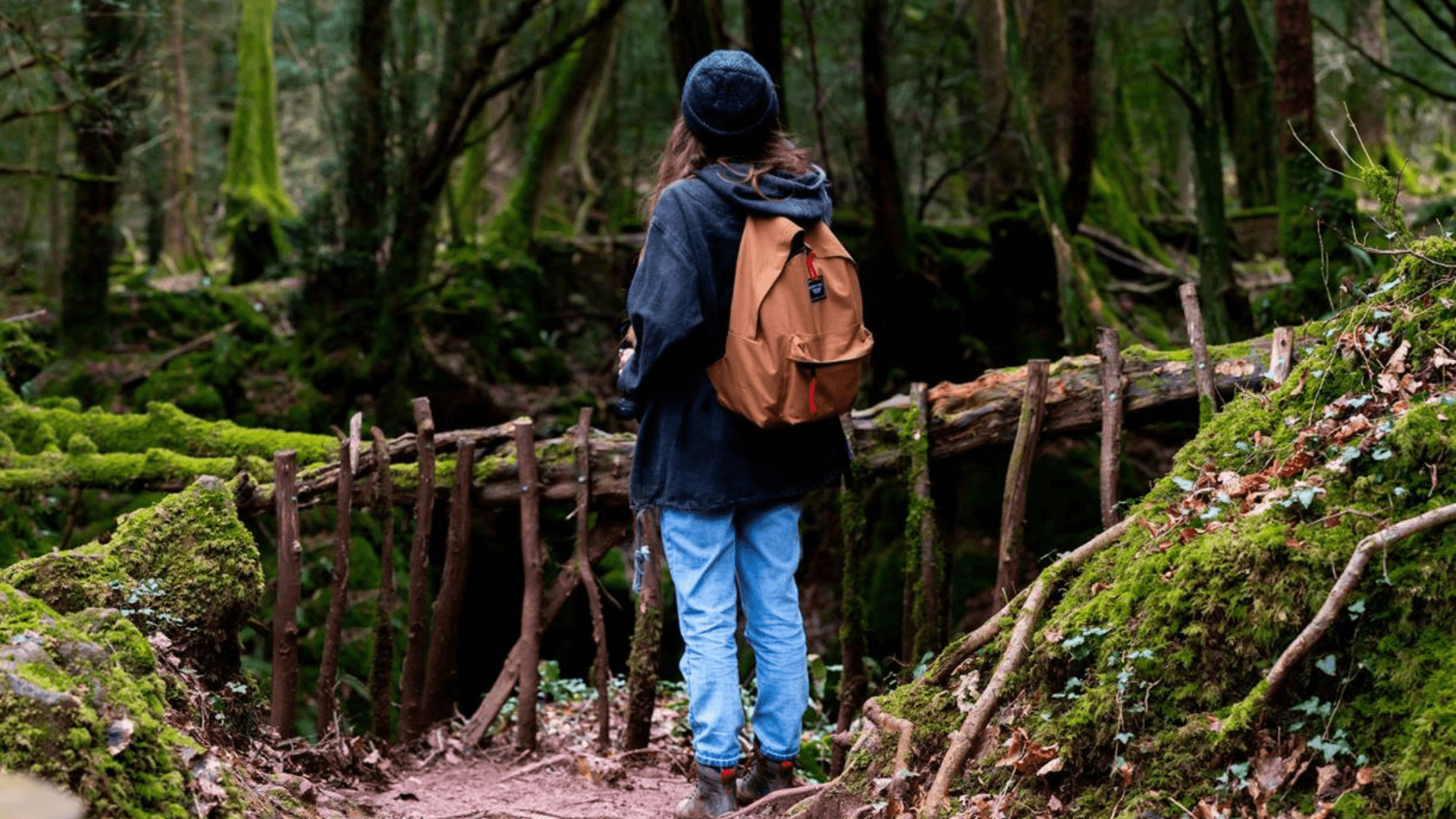
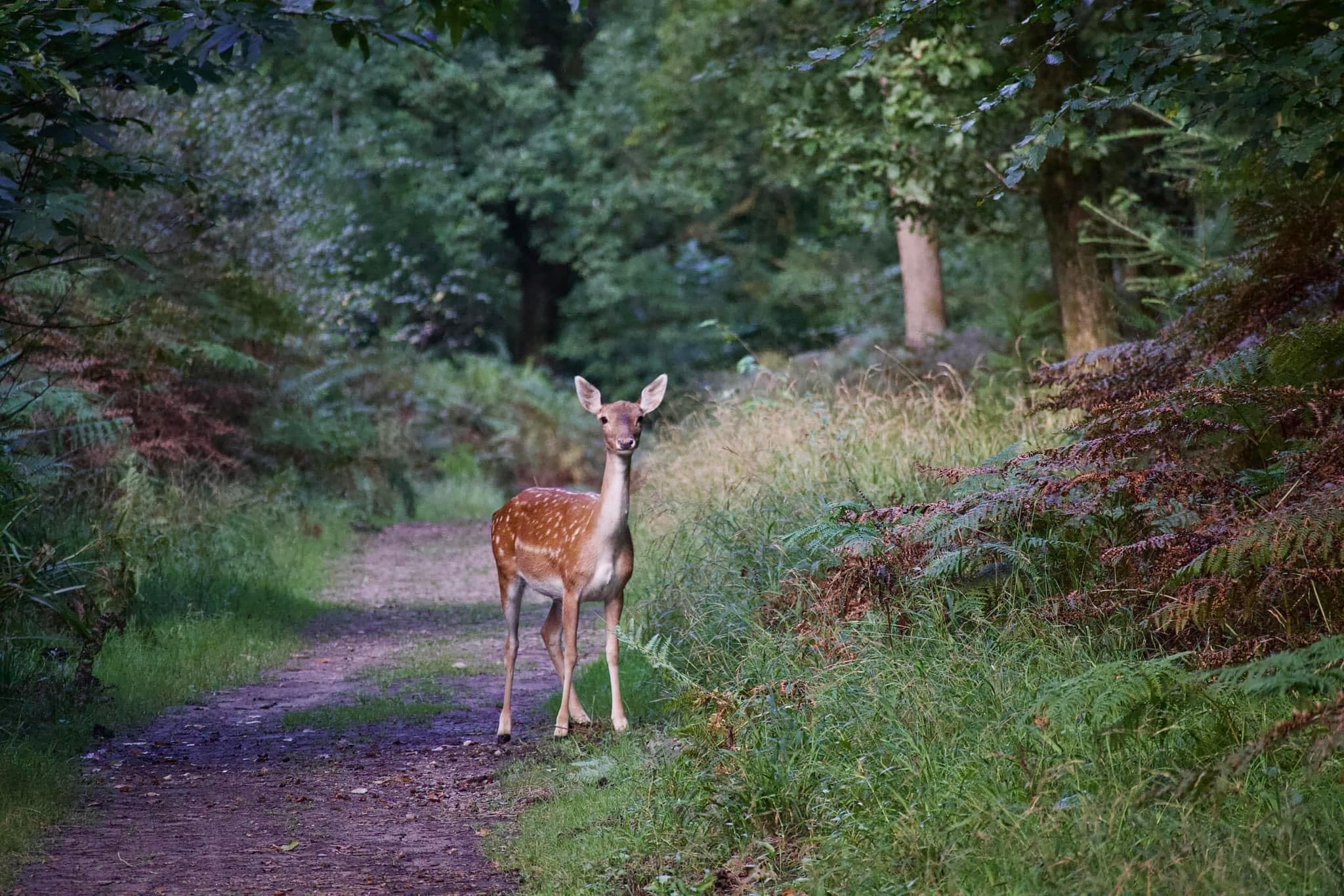
This little corner of England gives more than what one would probably expect. This is the Forest of Dean, said to have first been immortalised by J.R.R. Tolkien, who is believed to have drawn on it for Middle-earth in The Hobbit and The Lord of the Rings. Film-makers found it later. Star Wars, Harry Potter, King Arthur and Doctor Who have all been shot among its trees. Walking in it, you understand why. It is that magical, and it begins with a walk from the hotel’s door.

Here everything slows down. There is no Underground to catch, no blaring police sirens, none of the noise a city never quite switches off. What you hear instead is the country: birdsong, wind in the beeches, and long stretches of near silence, broken by talk and laughter around the table at mealtimes. The days were made of exploring the woods, wandering the gardens, or doing nothing at all, and nobody minded which. There is no judgement here.
Location: Clearwell and the Forest of Dean
The Tudor Farmhouse Hotel is located in Clearwell a small, mostly residential village with an almost laughable High Street. There is a church with a tall spire, a second church that looks to have been abandoned, but I’m told the cemetery is still fully functioning. There’s a school and a handful of inns. Some businesses were open and some were not. It is the kind of place you would pass through without a second glance, unless you had your destination already mapped out.

It is surrounded by the Forest of Dean, and its story is one of mining. The ground still shows it, in hollows, a network of caves and tunnels, ditches and uneven stretches where old workings have settled. A walk feels different once someone points out what you are looking at. The paths move through birch, then beech, then moss-covered ground and open clearings, and the scenery changes every few minutes. A nearby river is used for canoeing and kayaking. I never felt the need to drive far, because there was enough within reach of the hotel to fill the days.
The History of Tudor Farmhouse Hotel and Its Owners
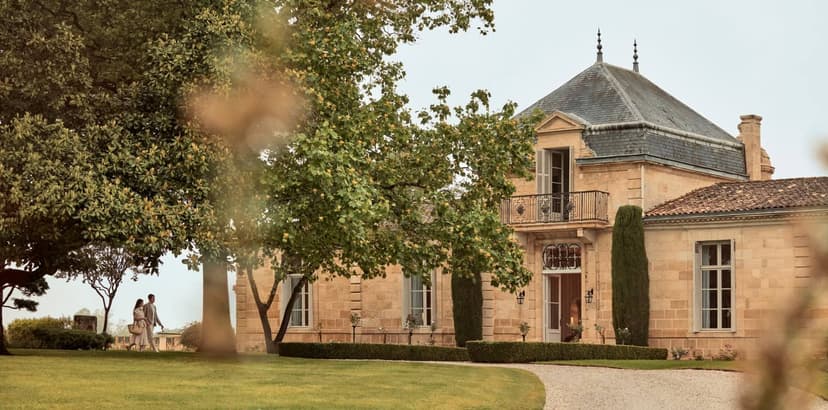
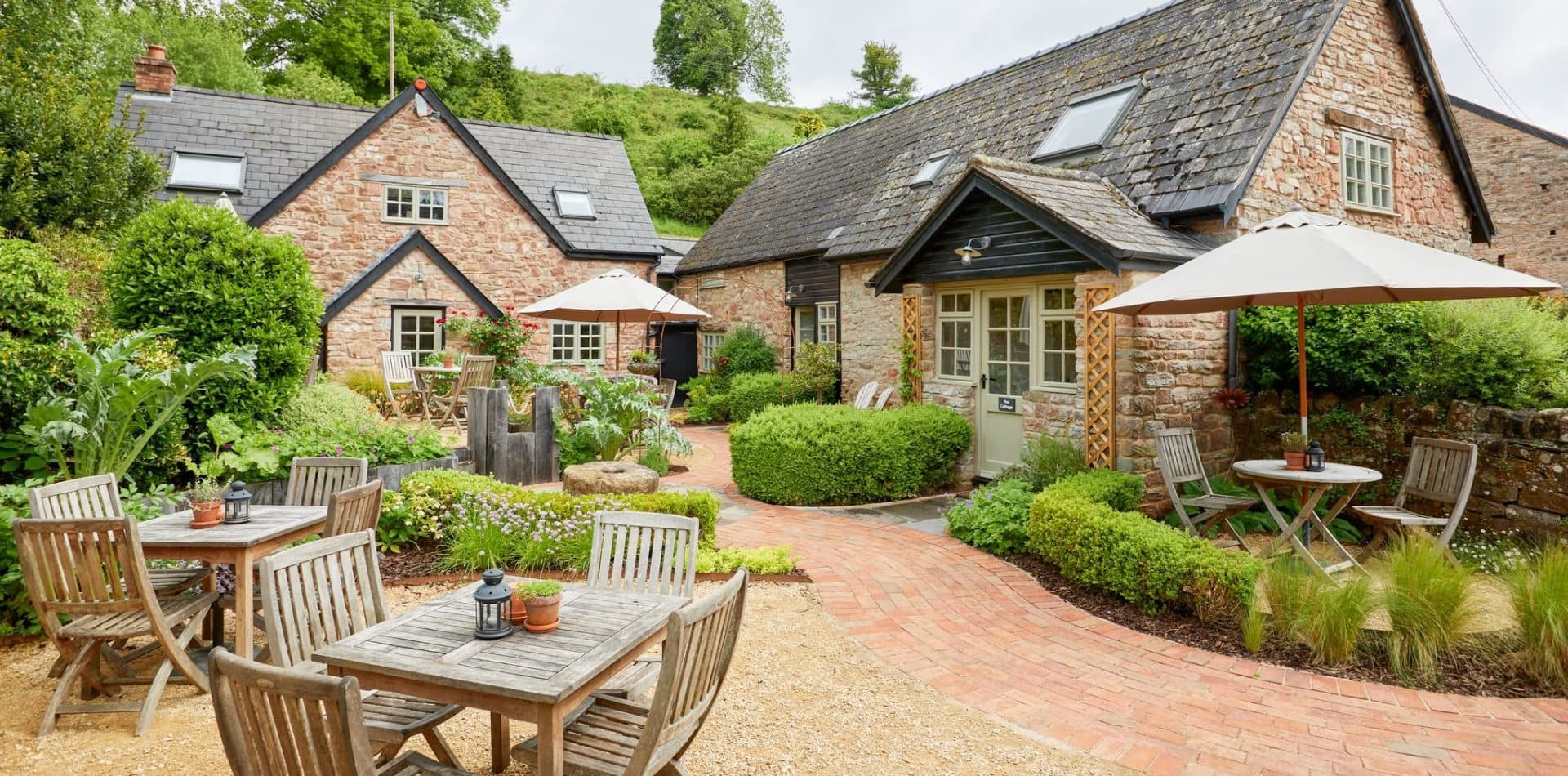
The hotel traces its origins to the thirteenth century, though the buildings standing today are younger than that. The site is older than the farmhouse on it. It began as a working farm, and over the years it has been turned gradually into a place to stay. The farmhouse kept its low doorways, fireplaces and uneven floors, the barn was converted into guestrooms, while other parts have been repurposed and renovated over the last thirty years.

Hari and Colin Fell left London in 2003 to take on the farm. They have spent the time since working on the buildings and grounds, adding the restaurant and kitchen garden and replanting the orchard with around fifty trees. Hari is the owner you are most likely to meet. She is closely involved in the daily running of the hotel, and is quick to offer suggestions on all there is to enjoy in the area and to make sure your stay or dinner is going well (which it most probably is).
The Hotel in Detail: Courtyard, Grounds and Gardens
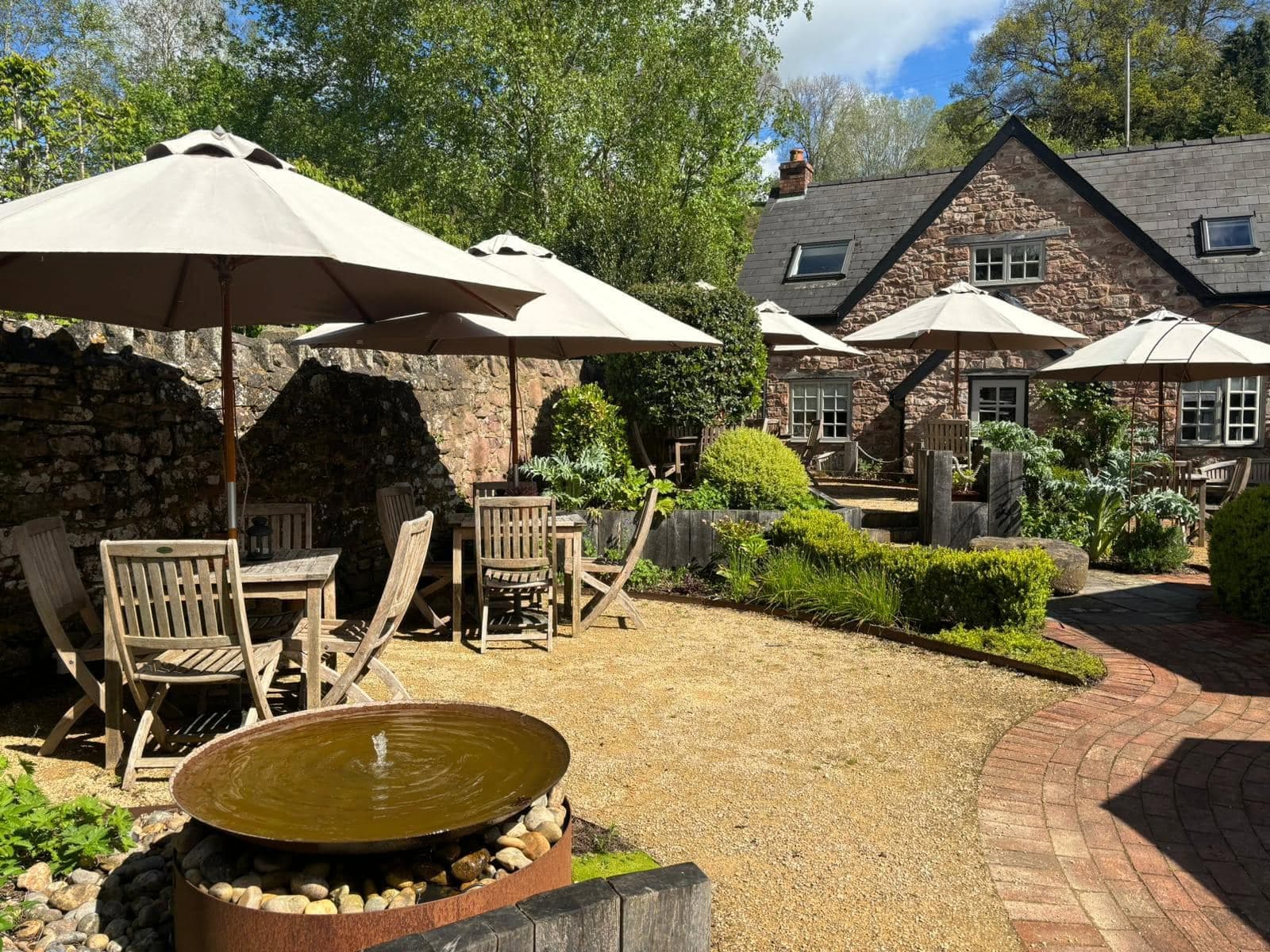
What Hari and Colin have done is create a destination worth the effort of getting there: a small inn with a restaurant offering elevated dining. The courtyard links the buildings and serves as the main outdoor space, with tables and chairs, a few covered areas and a path through to the rooms. Most days you can eat or have a drink out there, however the English weather decides how often.
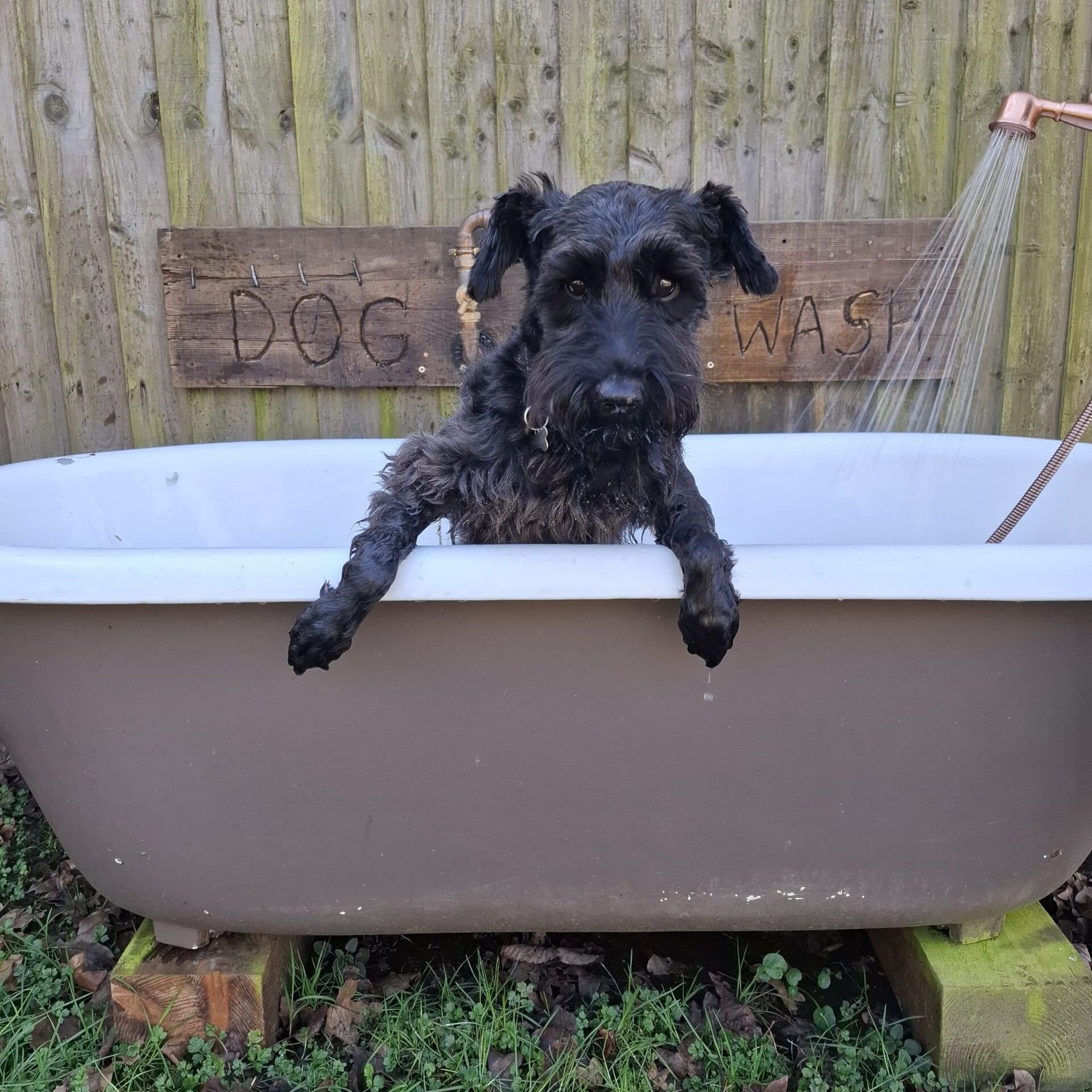
The farm is still there in the details. Chickens and ducks live in a pen the garden, which explains the chicken on the hotel’s logo. There are ring toss and ball games, and room for children to play outdoors, which seemed a far better idea than a Nintendo or any other screen. Dogs are welcome too and have their own dedicated dog bath should they get too muddy on one of your forest walks.

The kitchen garden is a working one. Vegetables, herbs, strawberries and edible flowers grow side by side, with a greenhouse with trays of plants getting ready for the next planting. On our visit the chef came out to pick for the day’s menu, and we helped gather some of it.
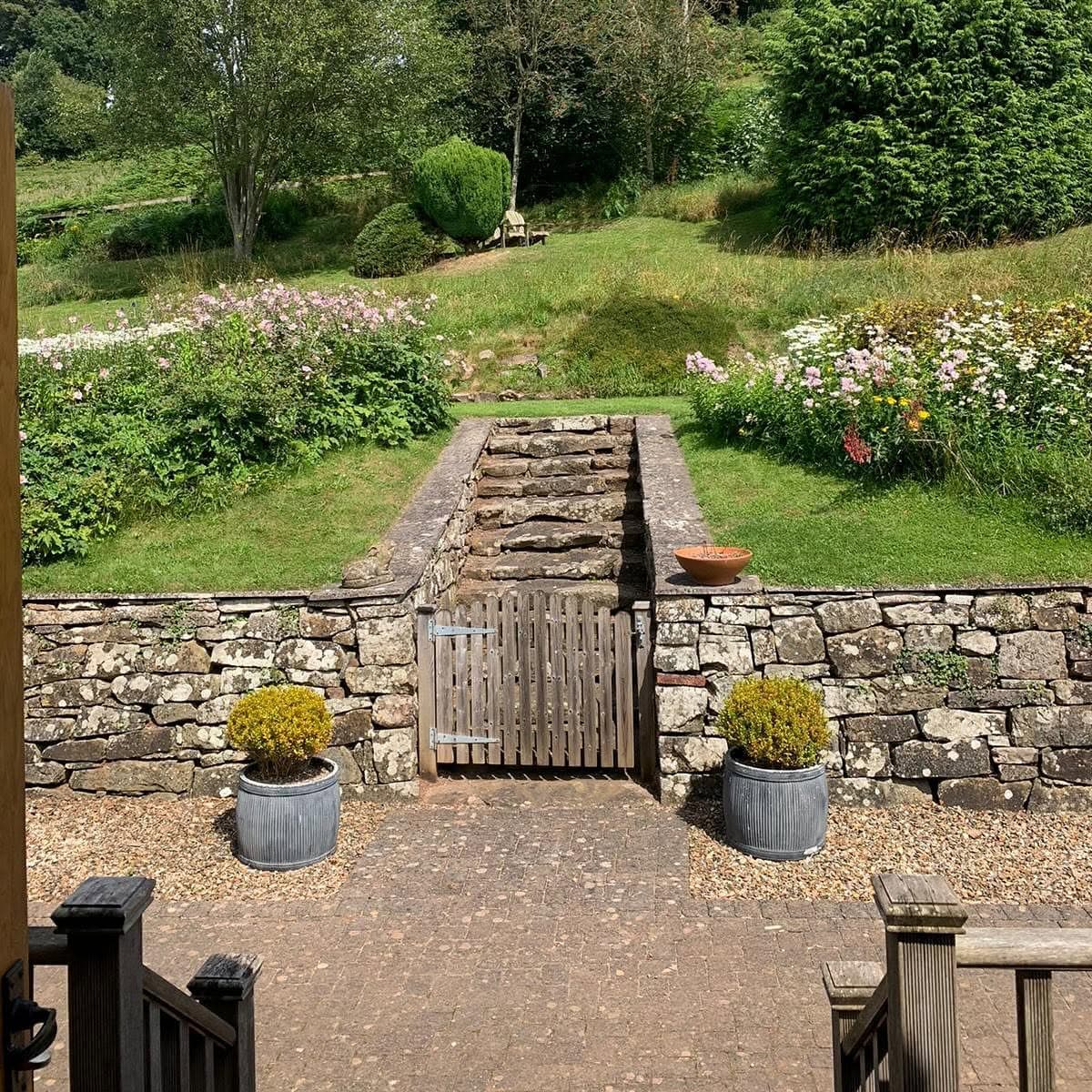
At the back of the property, past the gardens, there are Adirondack chairs. After dinner we sat there with a glass of wine and looked up. Away from London’s streetlights the sky gets properly dark, and I had not realised how long it had been since I had seen that.

There is a section of overgrowth on the hillside near the ridge behind the property. Hari mentioned that the land is protected from development and has become overgrown since the farmer who grazed sheep for years there decided to stop. Her idea is to bring in goats for part of the year to keep the growth down. These are the issues one deals with running a rural inn such as this, and I like that she would rather talk about them than some major new wing or massive expansion that was in the works. The property is just right as it is: a boutique country hotel with an comfortable and understated style, a restaurant worth driving for, and pure fresh air and untrampled forest all around it. There is no need to do much more to it than what they have already done.

The Rooms: Inside the Loft Suite
I stayed in the Loft Suite which is one of their higher category rooms. It sits at the back of the property and overlooks the courtyard, with hills and garden beyond. Timber beams cross the ceiling, and black and white photographs of local plants hang on the walls. There is a sofa and sitting area, a large television and a queen-sized bed. It was quite large with enough space to settle in rather than simply sleep.

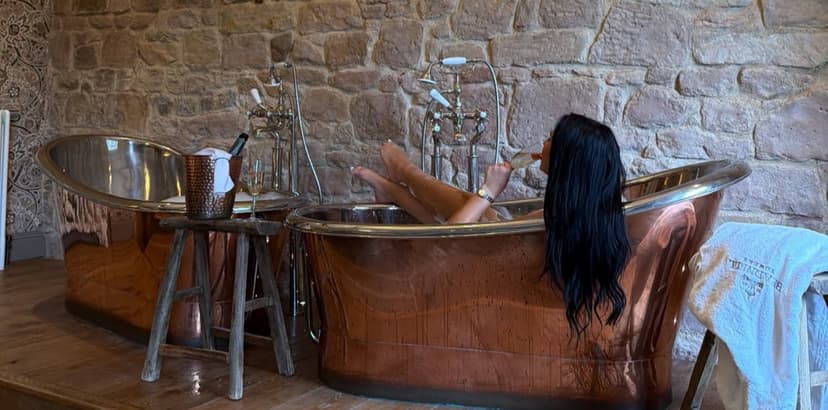
The bathroom has a freestanding clawfoot bath and a separate rainfall shower. It is the kind of bath you actually use. The old proportions and beams sit comfortably alongside the modern fittings, though the rest of the hotel varies, and not every room is like this one.
Dining at Tudor Farmhouse Hotel
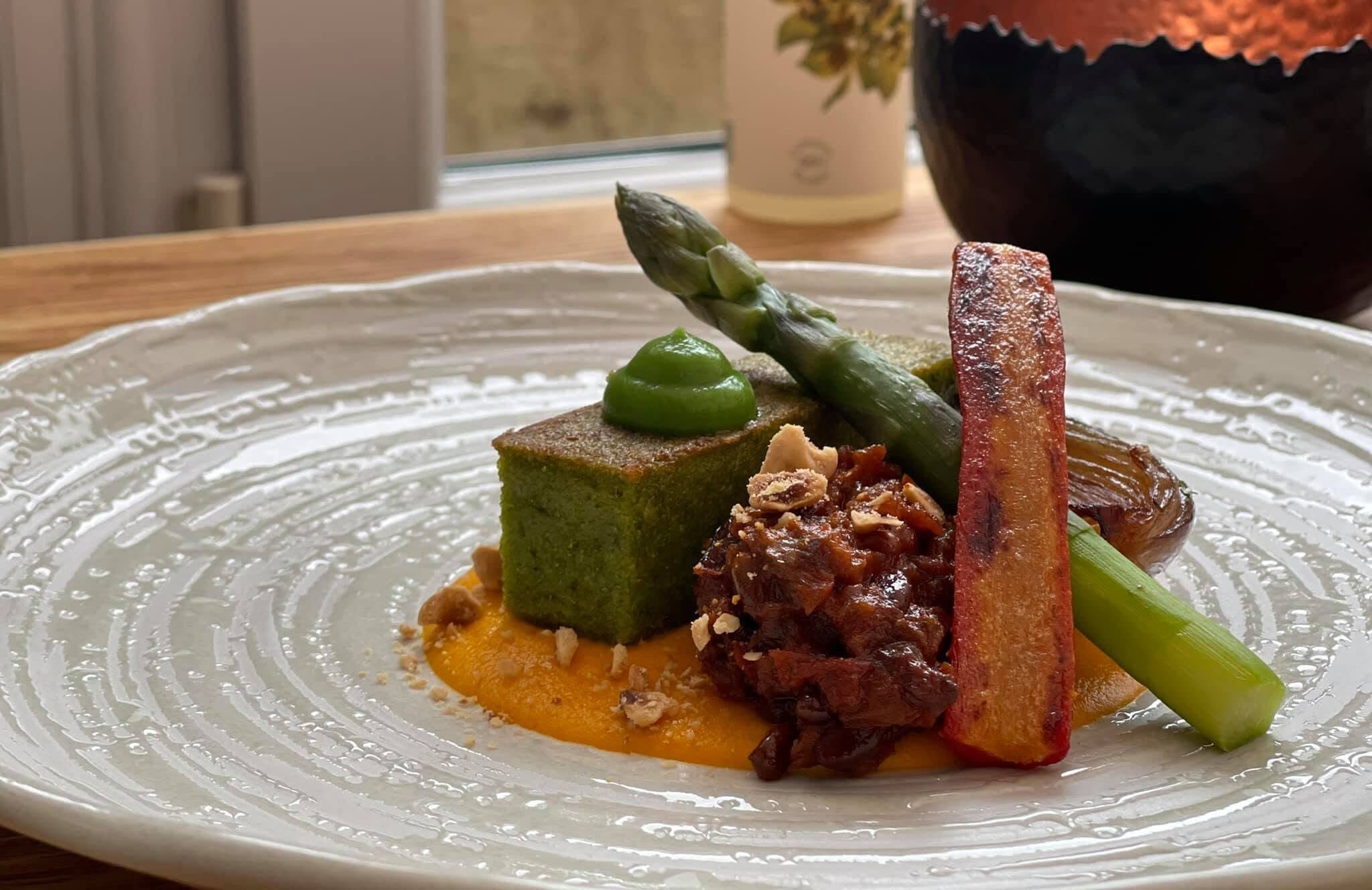
As shared, the restaurant alone is worth the drive and many locals or guests in surrounding hotels come for dinner or perhaps afternoon tea. The restaurant calls its cooking modern British, which tells you very little. In practice the menu follows the season, uses local suppliers where it can and draws on the kitchen garden whenever something is ready. The cooking was careful without being fussy, and it was one of the strongest parts of the stay for me.

We had the five-course tasting menu with wine pairings. It opened with barbecue scallops, sweetcorn and chive, served with Gusbourne sparkling wine. Salted celeriac followed, with apple, mushroom and truffle, and it was one of the more interesting courses of the evening. The sole came with mussels and a saffron sauce; a well-rounded dish. The fourth course was the star of the menu: free range Welsh lamb with Pink Lady apple, turnips and hash. The meat was succulent and cooked to perfection, and the jus made it. Dessert was a chocolate crémeux with yuzu, ginger and matcha. Each pairing gave its course a different character.

Breakfast was classic country-hotel food: a full English with sausages, black pudding and beans, or lighter options such as smashed avocado on toast and eggs with smoked salmon. The garden does not supply everything on the menu, but having watched the chef pick that evening’s ingredients, the link between plot and plate was easy to follow.
Foraging in the Forest of Dean

The restaurant seeks to practice a farm to table philosophy. Sourcing locally is important supporting local farmers and having fresh produce. But our trip took it to another level which as literally living off the land and learning about and nibbling on larder from the forest. Our guide for the foraging walk was Liz Knight, an expert on forest foraging and who has written several books on the subject. She talked as much about how people once live off what they could find on the land as about what to eat. The walk starts about fifteen minutes from the hotel, where the mining history shows in the hollows and shifts in the ground, and it lasts around two hours.
We moved from birch and low plants into beech woodland and moss. Liz kept stopping at whatever was growing beside the path. We looked at sorrel and how it is used in cooking, and at birch, whose leaves and other parts have their uses. Some plants had culinary value, some had been used as medicine, fuel and in other ways over the centuries, and a few were to be left alone.

She was direct about the risks. A photograph or something you have read is not enough, because some plants will make you ill and others are highly toxic. Be certain before you pick or eat anything and, in her words, Don’t Munch if it’s just a Hunch. It was a thoroughly enjoyable experience and I came back seeing the woodland differently, as a place that gives us all we really need.
A Stay at Tudor Farmhouse Hotel
The Tudor Farmhouse Hotel is a small country inn that grew out of a working farm, and it looks like one. The buildings have different histories, the rooms vary, and the grounds are still in use. Some details are old-fashioned and others have been updated. It is not a polished luxury property and does not try to be.
What I valued most was the food, the walk with Liz and the chunks of time where I had absolutely nothing scheduled. The dinner was excellent, and the conversation with Hari about getting in goats to control the brush on the ridge told me more about the hotel than any brochure ever could.
Glenn Harris
Glenn Harris is an accomplished journalist focusing on luxury travel, fine dining, and exclusive lifestyle events. His wanderlust has taken him to over 128 countries where he constantly strays off the beaten path to uncover exotic locations, travel gems and exciting experiences to capture.