National Tea Moment: England Pauses to Honour Queen Elizabeth II on Her 100th Birthday
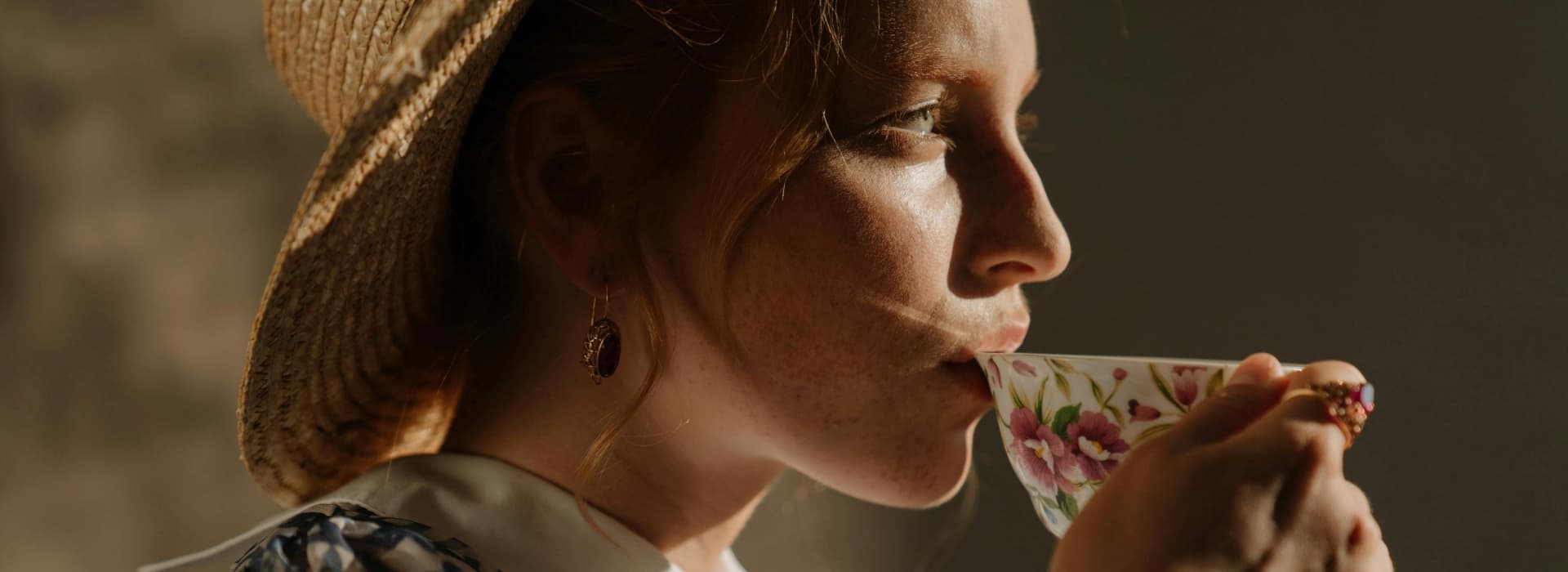
There are very few things in this world that can stop a nation in its tracks. A royal wedding, perhaps. A penalty shootout. The precise moment the last biscuit disappears from the tin. But on 13th June 2026, something rather extraordinary is being proposed: that the entire United Kingdom pause together at precisely 2:00pm, raise a cup of tea, and take a collective breath.
This is the National Tea Moment.

The 13th June initiative is timed to mark something quite remarkable. Queen Elizabeth II, born on 21st April 1926, famously had two birthdays: her actual birthday in April, and her official birthday celebrated publicly each year on the second Saturday in June. It is a tradition stretching back to King George II, rooted in the very British desire to hold outdoor celebrations in weather that might actually cooperate.
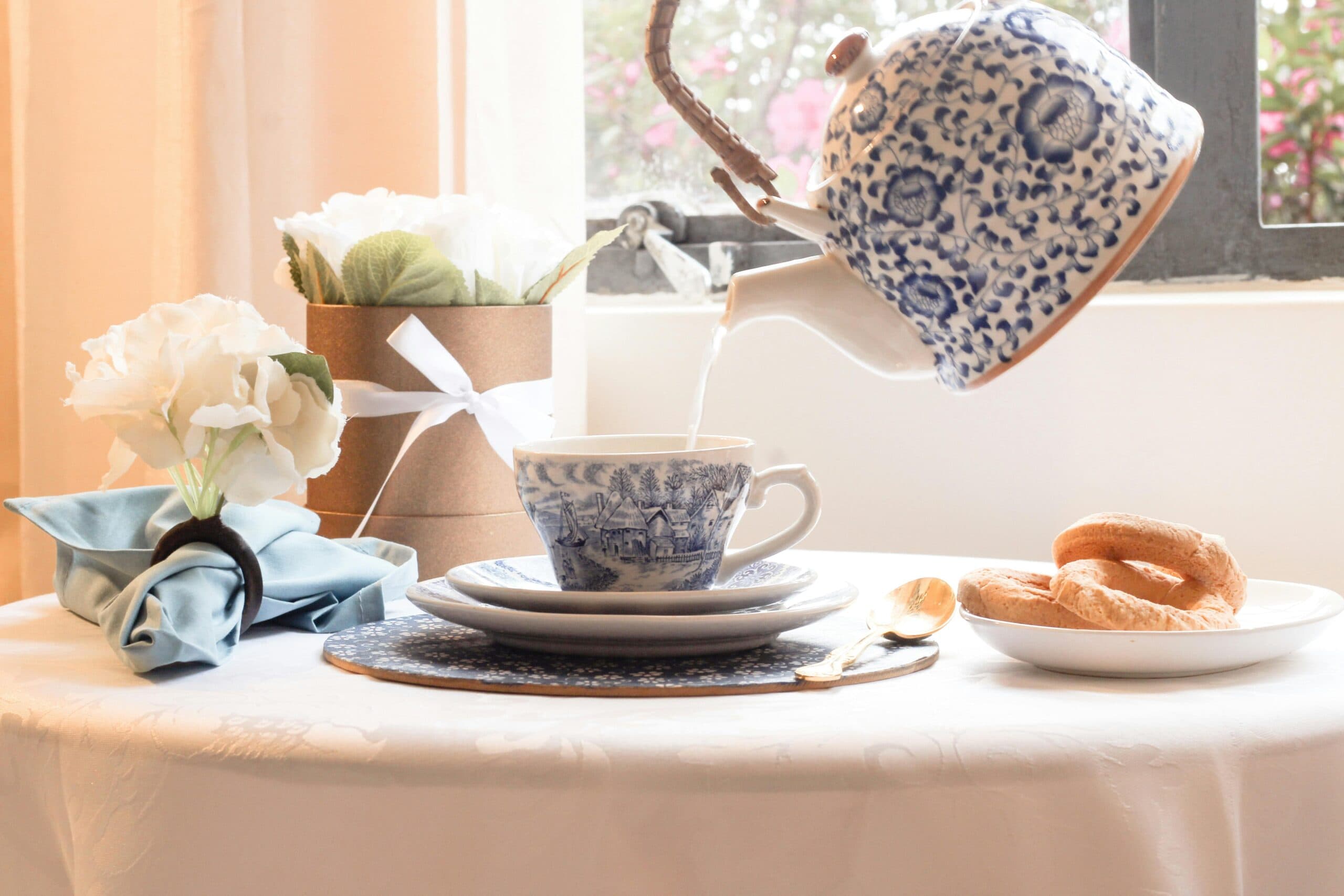
The 13th June 2026 honours what would have been the centennial of her birth year, observed in the spirit of that long-held official summer celebration. The Queen was known to love her tea and to mark daily rhythms with simple rituals. Asking the country to join in a communal pause on that afternoon is a fitting and affectionate tribute: a personal habit that became public affection, now returned to the public as a shared moment of remembrance.
We at Beau Monde Traveller are particularly proud to share that our very own tea expert and Haute SocieTea media platform partner, Gillian Perry, has been appointed Official Heritage Adviser to The Tea Group. It is a role she was born for. Gillian's deep knowledge of tea culture, tradition and the art of the perfect afternoon, combined with her unerring instinct for what makes a travel and lifestyle experience truly exceptional, makes her a natural and inspired choice for this national movement. Her role is not gatekeeping but storytelling: communicating why tea deserves more than a boxed celebration, and how daily tea practices enrich ordinary lives. Her voice, her passion and her palate are now lending weight and elegance to a cause that matters far more than many people yet realise.
Why National Tea Day on 21st April and the National Tea Moment on 13th June Both Matter
National Tea Day falls on 21st April, the actual date of Queen Elizabeth's birth, and has since its founding a decade ago grown into a wonderful annual celebration of Britain's most beloved beverage. The National Tea Moment on 13th June then picks up where April leaves off, honouring the centennial in the spirit of the official summer birthday she celebrated each June. Two dates, one abiding love of tea, and a nation invited to mark both. But even two days cannot quite contain it. Tea is not an occasion. Tea is a way of life.

The National Tea Moment is not a replacement for National Tea Day. It is an expansion: a recognition that tea's place in our culture, our social fabric and our daily rhythm deserves more than a single date on the calendar. It deserves moments. Plural. It deserves the morning cup that braces you for the day, the mid-morning one that steadies the nerves, the afternoon pot that is, frankly, non-negotiable, and, if you're particularly civilised, the one after supper that declares the evening officially settled.
At 2:00pm on 13th June, tea rooms, hotels, heritage houses, charities and ordinary living rooms across the United Kingdom will pause together in quiet, cup-raising unity. The gesture is simple. The meaning is enormous. A single moment can be a spark. The real work of the National Tea Movement is to keep the flame alive throughout the year.
Why Afternoon Tea Is One of Britain's Most Important Social Rituals
Tea is deceptively simple and surprisingly profound. A brewed leaf and hot water can stop a small household argument, steady a grief, sustain a conversation or inaugurate a friendship. Here is what the National Tea Moment understands that our relentlessly productive, always-on, perpetually scrolling culture tends to forget: there is profound value in the deliberate pause.

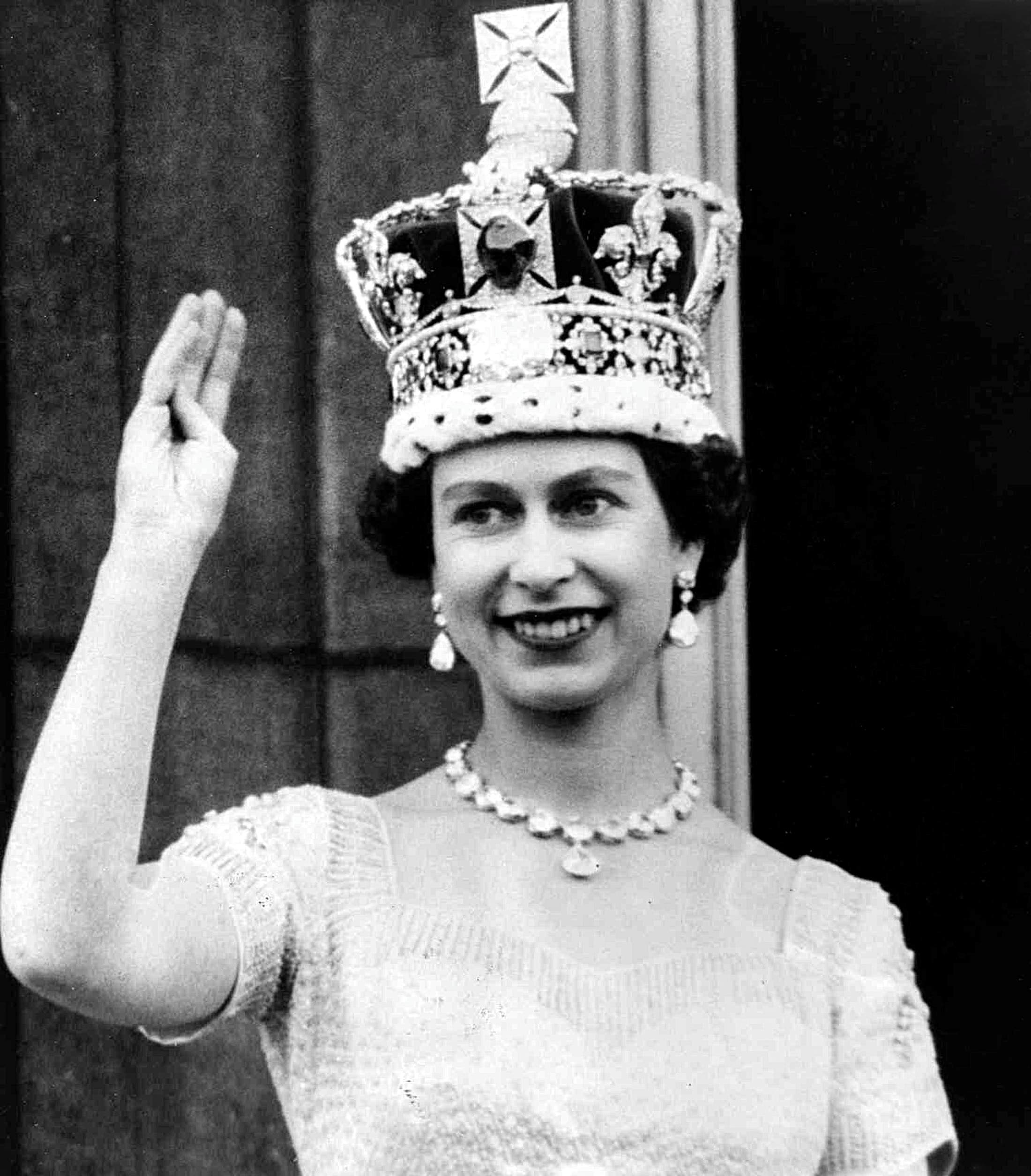
Afternoon tea, properly done, is one of life's genuinely refined pleasures. Not because it is expensive, not because it requires a tiered stand or a grand hotel ballroom (though both are wonderful when they appear), but because it insists you slow down. It insists you sit. It gives you sandwiches: those elegant little finger sandwiches with their crusts trimmed and their fillings considered. It gives you savouries, sweets and scones. And then it gives you more tea. And perhaps, if the occasion feels suitably celebratory, a glass of English sparkling wine. There are worse ways to spend an afternoon. There are, frankly, very few better ones.

The ritual was attributed to Anna, the Duchess of Bedford, who reportedly declared a sinking feeling in her stomach each afternoon around four o'clock and decided that what was needed was tea and a little something to eat. The British aristocracy agreed enthusiastically, and the rest is, quite literally, social history. What began as an aristocratic indulgence became, over the following century and a half, a democratic pleasure. You can sip Darjeeling in a linen-draped hotel parlour or drink builder's tea at the kitchen table while reading the morning headlines. Both experiences matter. Both are part of the same story. The hotel tea room and the front room, the fine china and the favourite mug: all are manifestations of the same beautiful impulse. Sit down. Be still. Be together.
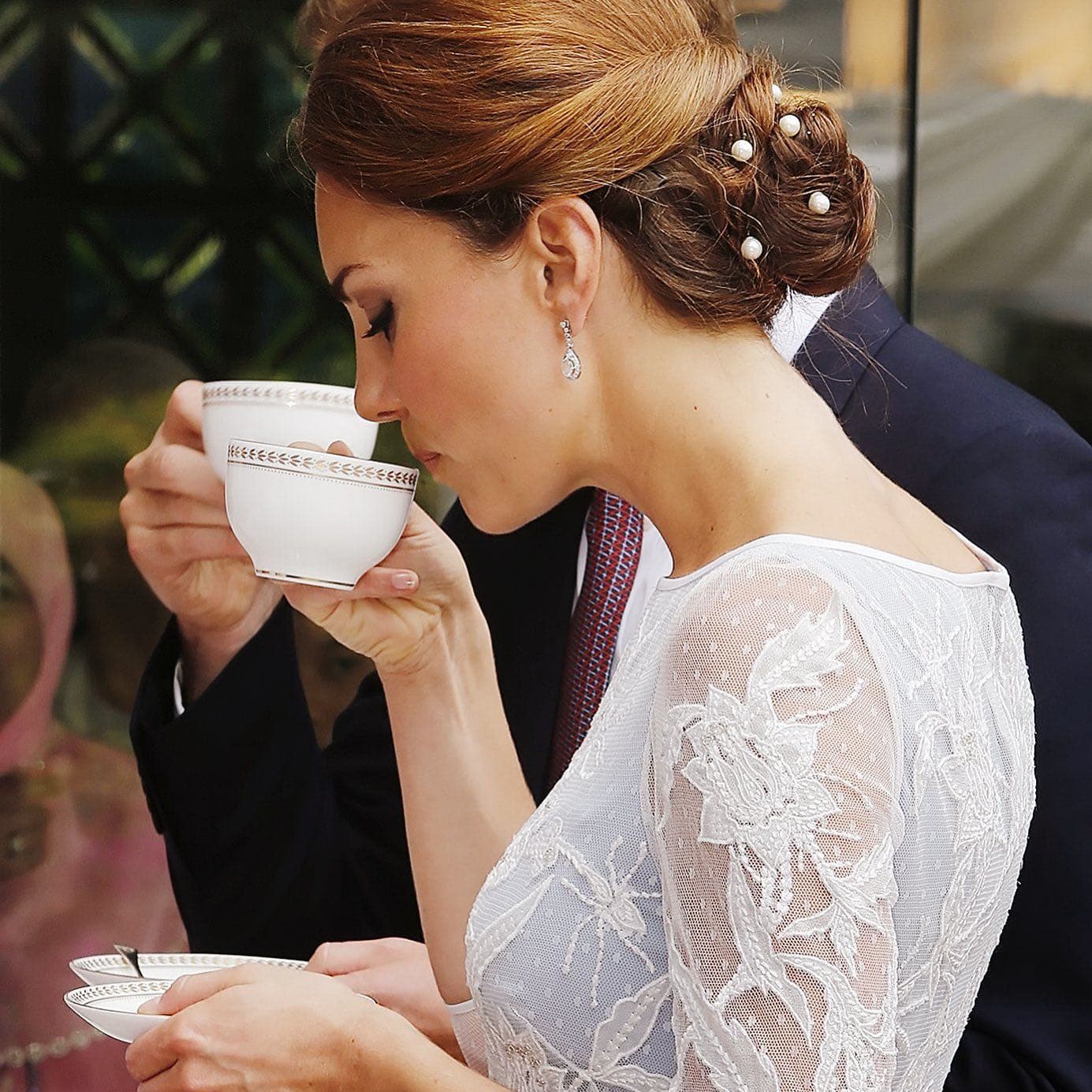
In an era of desk lunches, doom-scrolling and the peculiar modern anxiety that being busy is the same thing as being important, to pause at 2:00pm on 13th June and lift a cup of tea is almost a radical act. Tea, with its insistence on patience, asks us to value the act of being present. That is a radical posture, dressed in very polite linens.
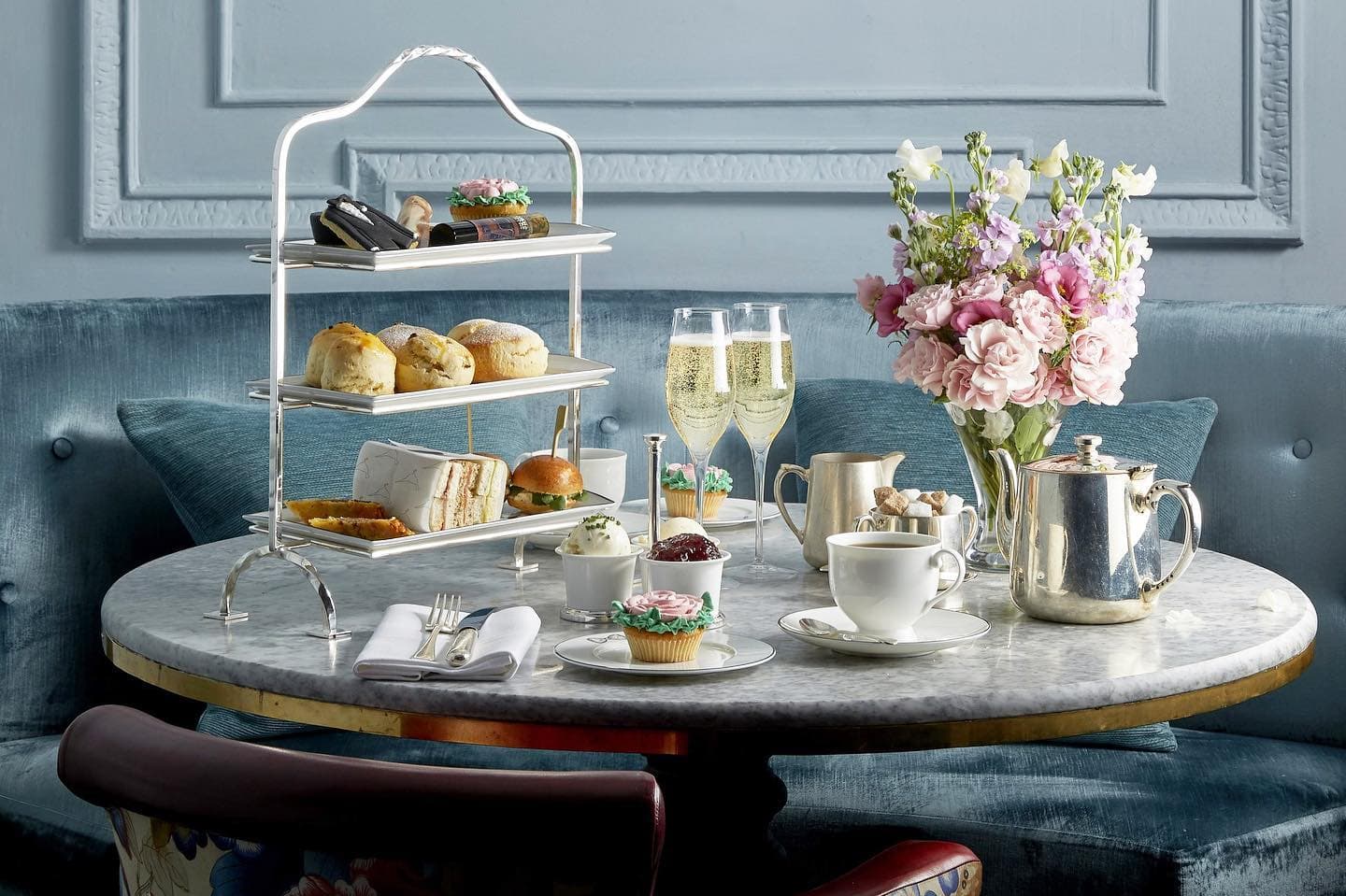
Cream First or Jam First? The Cornwall vs Devon Scone Debate Explained
No discussion of afternoon tea can be considered complete without addressing the question that has divided Cornwall and Devon for generations, caused diplomatic incidents at village fêtes and very nearly, on at least one notable occasion, resulted in a strongly worded letter to a regional newspaper.
We speak, of course, of the scone.
Specifically: jam first, then clotted cream? Or clotted cream first, then jam?

In Cornwall, you spread jam first and dollop clotted cream on top, so the cream is the crown. In Devon, you apply cream first and add a neat spoon of jam that sits like a jewel. Both sides are absolutely certain they are correct. Both sides are convinced the other's method produces an inferior result. Both sides have been arguing about this since approximately 1855 and show no signs of reaching a consensus any time soon. The dispute is useful because it is serious and not serious at all. It is the friendly quarrel by which we measure ourselves: how much do we hold to local habit, and how much do we make room for the neighbour's taste?
Gillian Perry, whose refinement is matched by a warm sense of hospitality, has been known to navigate this particular minefield with the grace of a UN mediator. She notes that the true priority is having both clotted cream and jam, applied with generosity, and that the scone itself should be fresh from the oven. Everything else, she suggests, is detail. If diplomatic summits could conclude with scones, she observes, the world might settle into conversation more readily. The Cornish and Devonian contingents have respectively filed this opinion under "technically correct but missing the point entirely."
We at Beau Monde Traveller will venture only this: whatever order your scone is constructed, do it properly. Clotted cream thick enough to stand a teaspoon upright, deeply golden, gloriously indulgent. Jam ideally strawberry, ideally made with fruit that saw actual sunshine. And serve it warm. Non-negotiable.
How to Participate in the National Tea Moment on 13th June 2026
On 13th June 2026, at 2:00pm BST, wherever you are, in a grand hotel, a cherished tearoom, a heritage house, a garden or a kitchen, we invite you to stop.
Put the kettle on. Get out the good cups if you have them, or the favourite mug if you don't. Invite someone, if you can. If you run a tearoom or hotel, register at nationalteaday.theteagroup.com and offer a small programme. If you are at home, invite a neighbour and share a scone. Decide, with amusement and charity, whether to spread jam or cream first. Above all, treat the moment as the beginning of a practice rather than the conclusion of it.

Cultural rituals live by usage. A single day of celebration is a beacon. A year of practice is a foundation. The National Tea Moment can be judged not only by how many times the calendar names it, but by how often people choose, in their ordinary lives, to set a pot on the hob and invite others to sit.
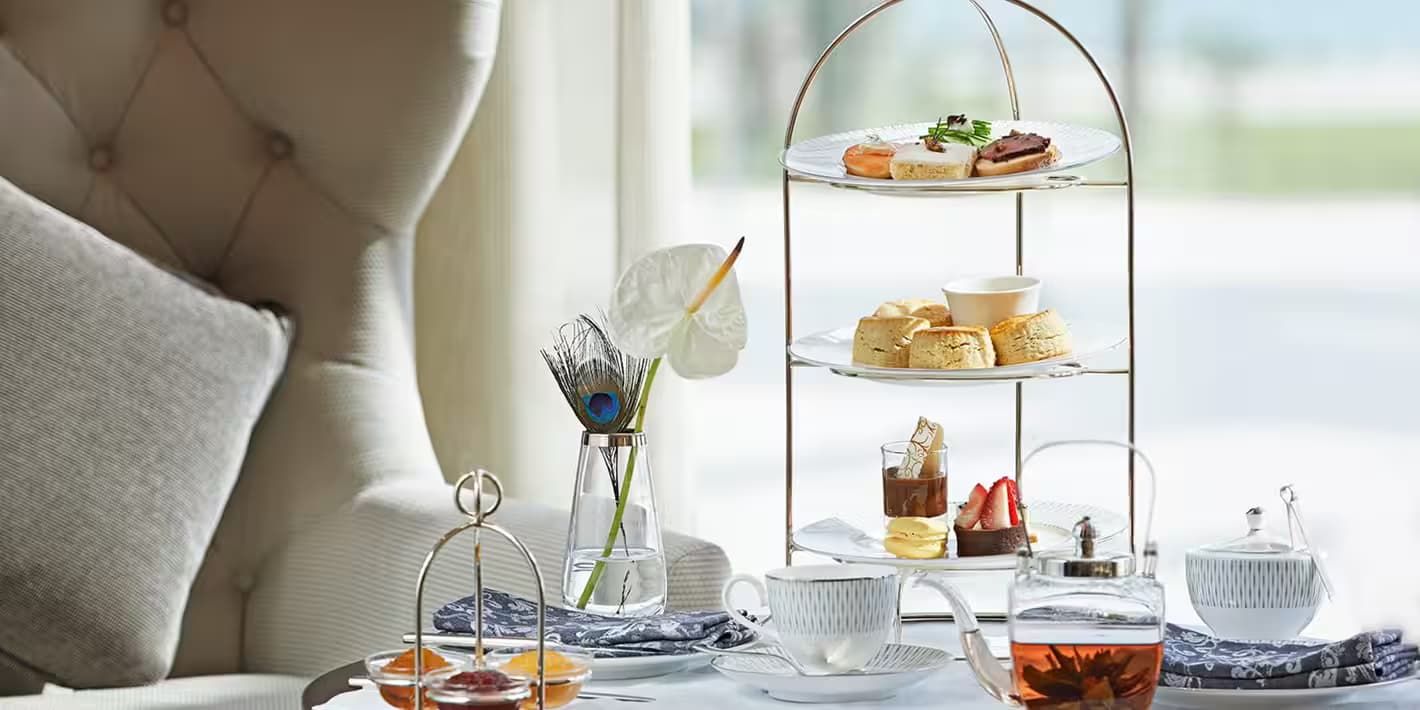
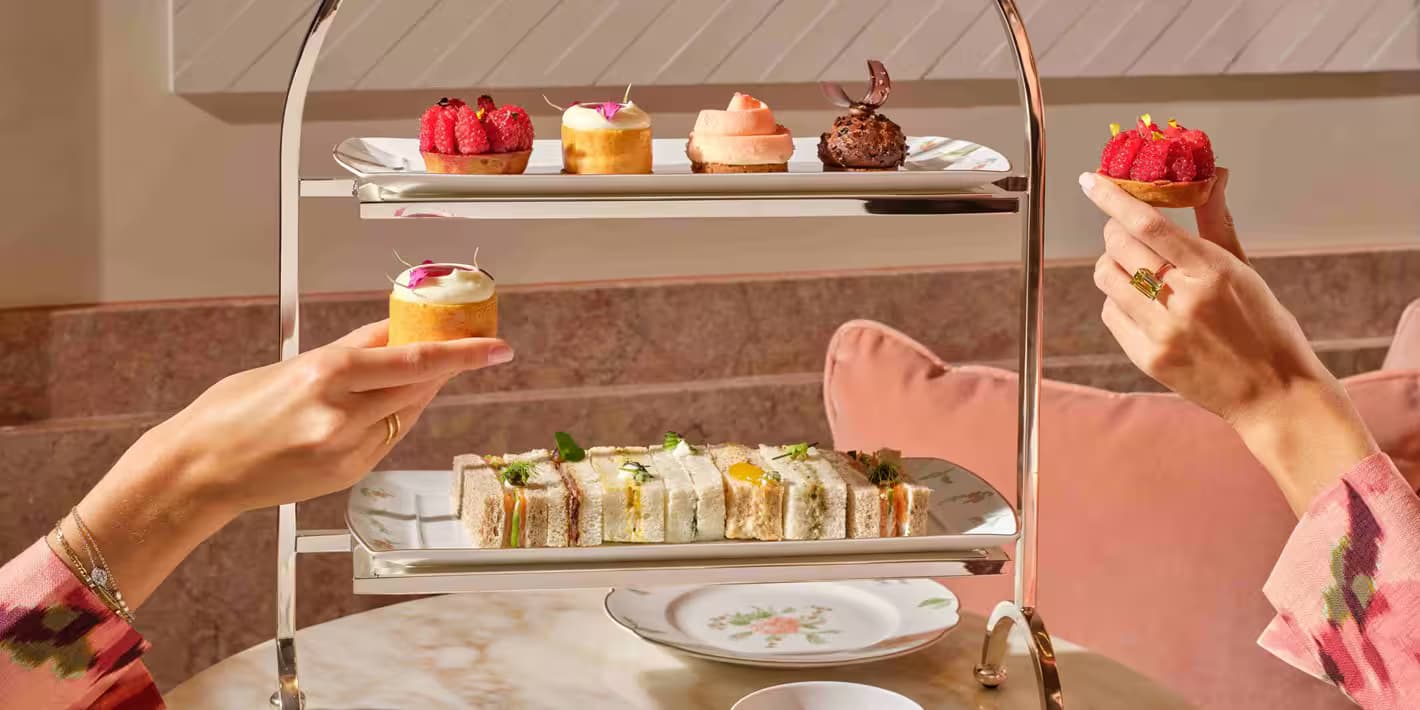
Tea teaches us to celebrate the small and the civil. It asks for patience and returns companionship. It makes room for taste and for laughter. One moment, shared by a nation, is a very good place to start.
Beau Monde Traveller celebrates the art of travel, culture and the finer things in life. Our Haute SocieTea platform, led by tea expert and Heritage Adviser to The Tea Group, Gillian Perry, explores the world's great tea traditions, afternoon tea destinations and the culture of the beautifully considered pause. Set to launch this month. For more, visit beaumondetraveller.com.
National Tea Moment: 13th June 2026, 2:00pm BST. Register your venue or find participating locations at nationalteaday.theteagroup.com