Exploring Southampton: One of England’s Most Compelling City Breaks
The Titanic sailed from here. So did the Mayflower. The D‑Day convoys assembled in these waters, their decks crammed with men who had never seen France but carried everything they owned in a single kitbag. Southampton has always been the place the world departs from: Elizabethan merchants setting out for the Caribbean with cargoes of cloth and copper; 19th‑century migrants boarding clipper ships for Australia, clutching sealed letters and flimsy photographs; first‑class passengers in Edwardian suits and long coats stepping aboard the White Star liners that made the city’s name known in New York drawing rooms and Chicago parlours.

For centuries, the city’s heartbeat has been arrivals and departures. It welcomed returning crusaders, then hosted the convalescing wounded of two world wars. It was here that the first American troops landed in 1944, wide‑eyed and jumpy, unsure how to read the local accents; and here that the Mayflower’s passengers stowed aboard another, smaller ship and set off for the New World, already carrying the weight of what they were leaving behind.

All that leaving has, until recently, overshadowed the living. Southampton has always been too busy being a port, a gateway, a transit point, to bother much with presenting itself as a destination in its own right. Because what is here deserves the journey in its own right: one of the most complete medieval defensive circuits in Britain, a Jane Austen trail threading through a city she called home, a museum that tells the Titanic story through the people who actually lived here, a boutique hotel pressed into the ancient city walls, seafood worth travelling for, and an arts scene that has been quietly building something genuinely good.
Southampton is not a stopover. It is the destination.
Getting There
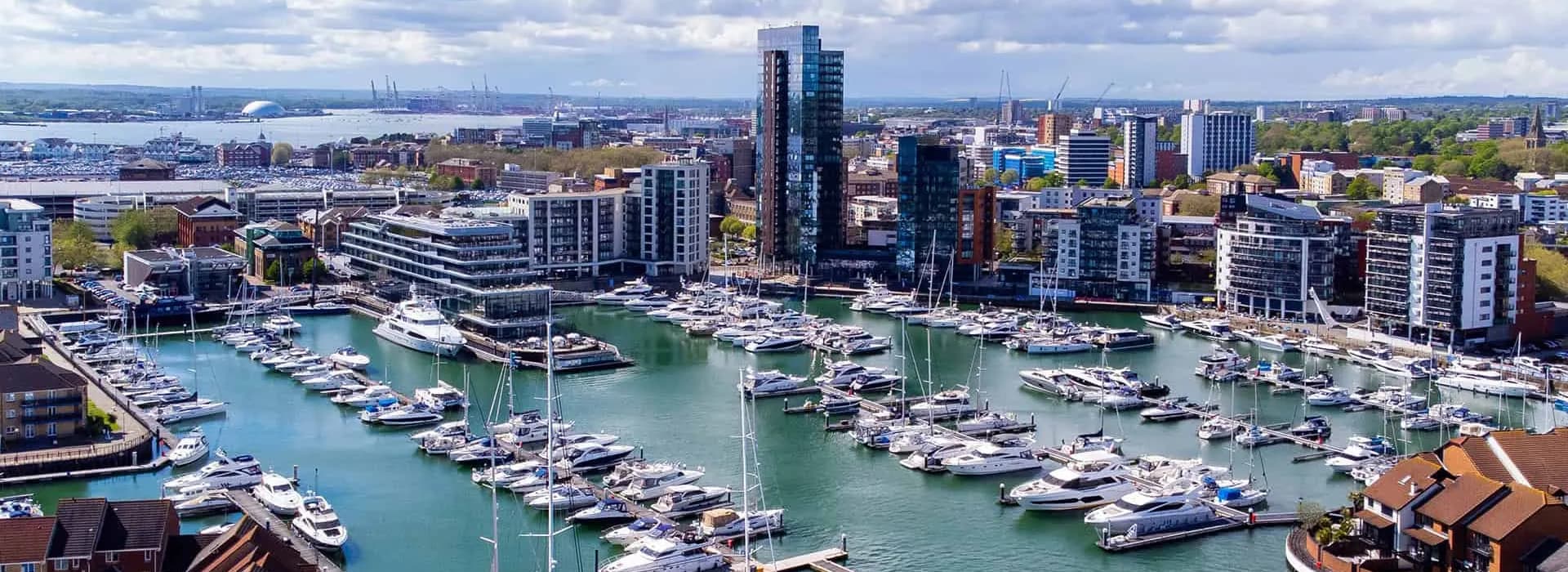
Seventy‑nine minutes from London Waterloo and you step out into Southhampton. The city sits at the confluence of the Test and the Itchen rivers, with the water opening south to the Solent. It is a port city in its bones, one that has been loading and unloading the world’s cargo, passengers and ambitions for centuries, and that fact is everywhere: in the scale of the waterfront, in the way the streets tilt toward the water, in the working cranes visible from the old quarter on a clear morning. The cruise ships still pull out every week, vast and slow. The passengers on deck are looking forward, often clueless that everything worth seeing is just behind them.
Why Southampton Is So Much More Than a Cruise Port
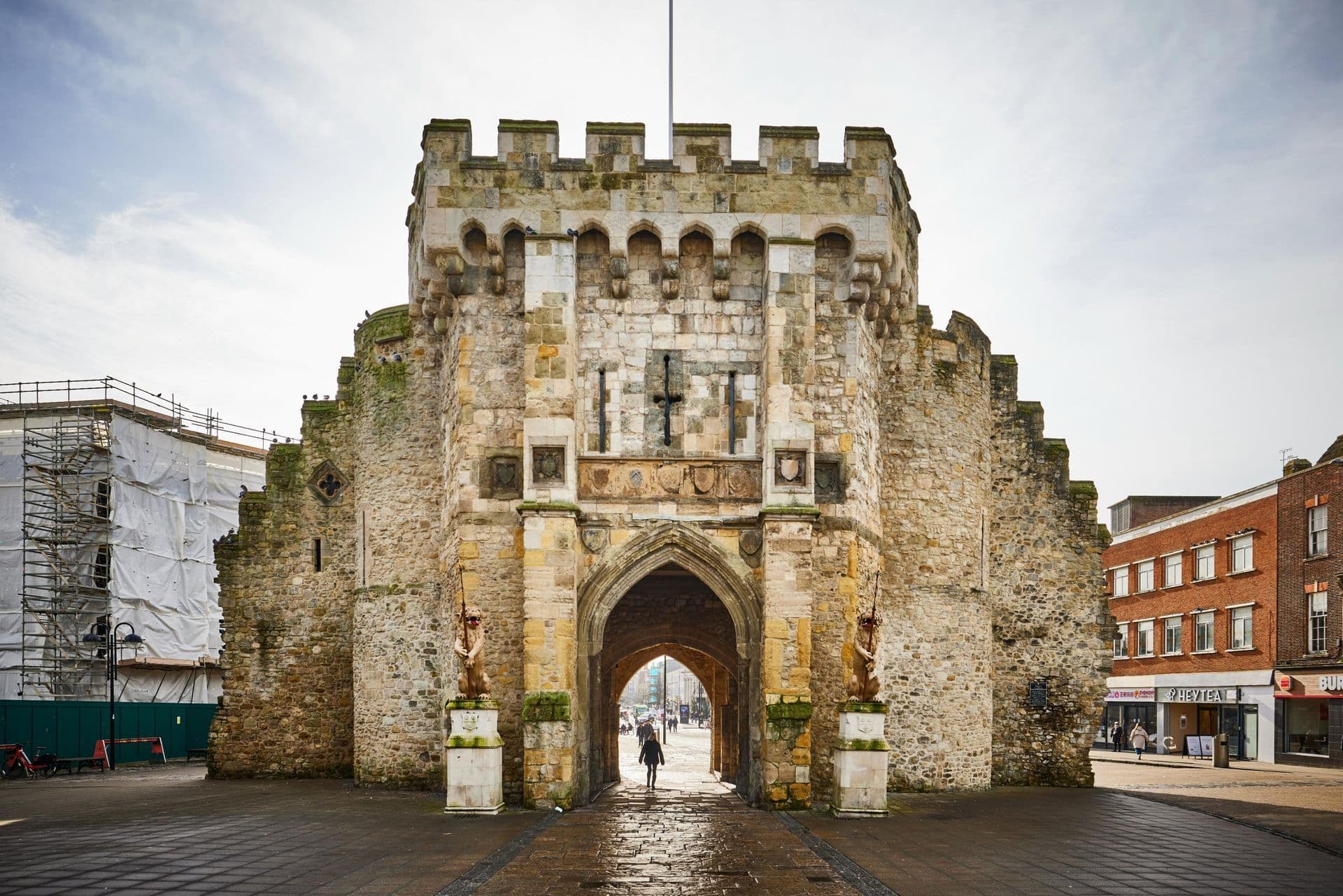
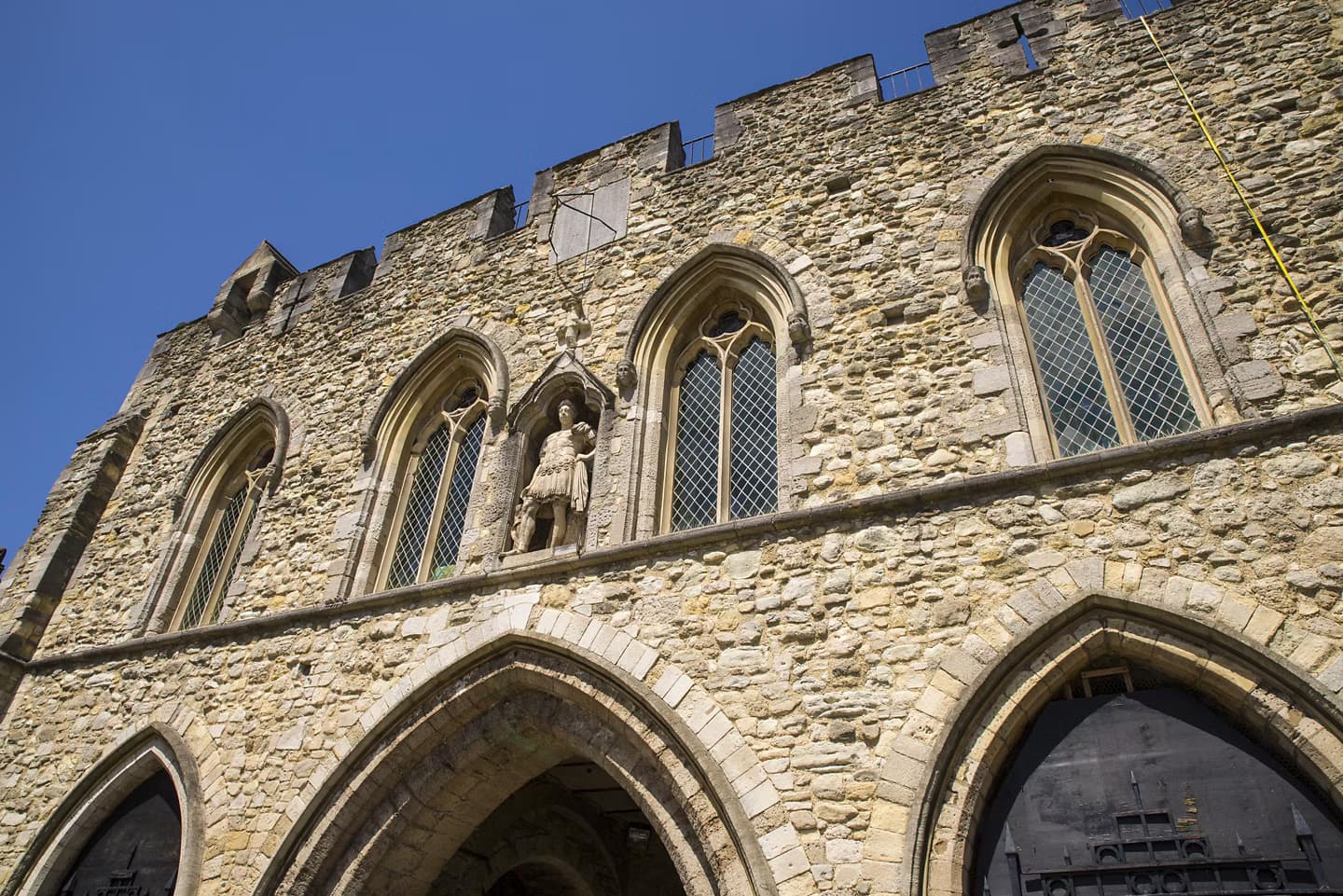
What makes Southampton genuinely surprising is how intact the old city remains, with medieval walls running for miles through its living streets. They were built to protect one of England’s most important ports, catastrophically tested in 1338 when French forces came by sea and breached them, then rebuilt stronger and higher. Walking alongside them on a quiet morning, running a hand along the stone, you feel the accumulated weight of all that. It is not a museum feeling. It is something older and less tidy than that.

Inside those walls, stories of sieges, shipbuilding and survival still echo. Voices seem layered into the stone as much as the graffiti and the modern street signs. And while it’s steeped in history, Southampton’s greatest asset might just be its people. Locals are famously friendly and unpretentious, happy to offer tips, directions or a story over a pint. Hospitality here feels natural, not rehearsed, a refreshing reminder of how travel used to be.
Medieval Walls and the History of Southampton
Though it is a coastal city, Southampton offers far more than its shoreline alone. You’ll want to explore its landmarks and rich history, where the past feels close enough to brush against but never staged.
Inside Tudor House and God’s House Tower
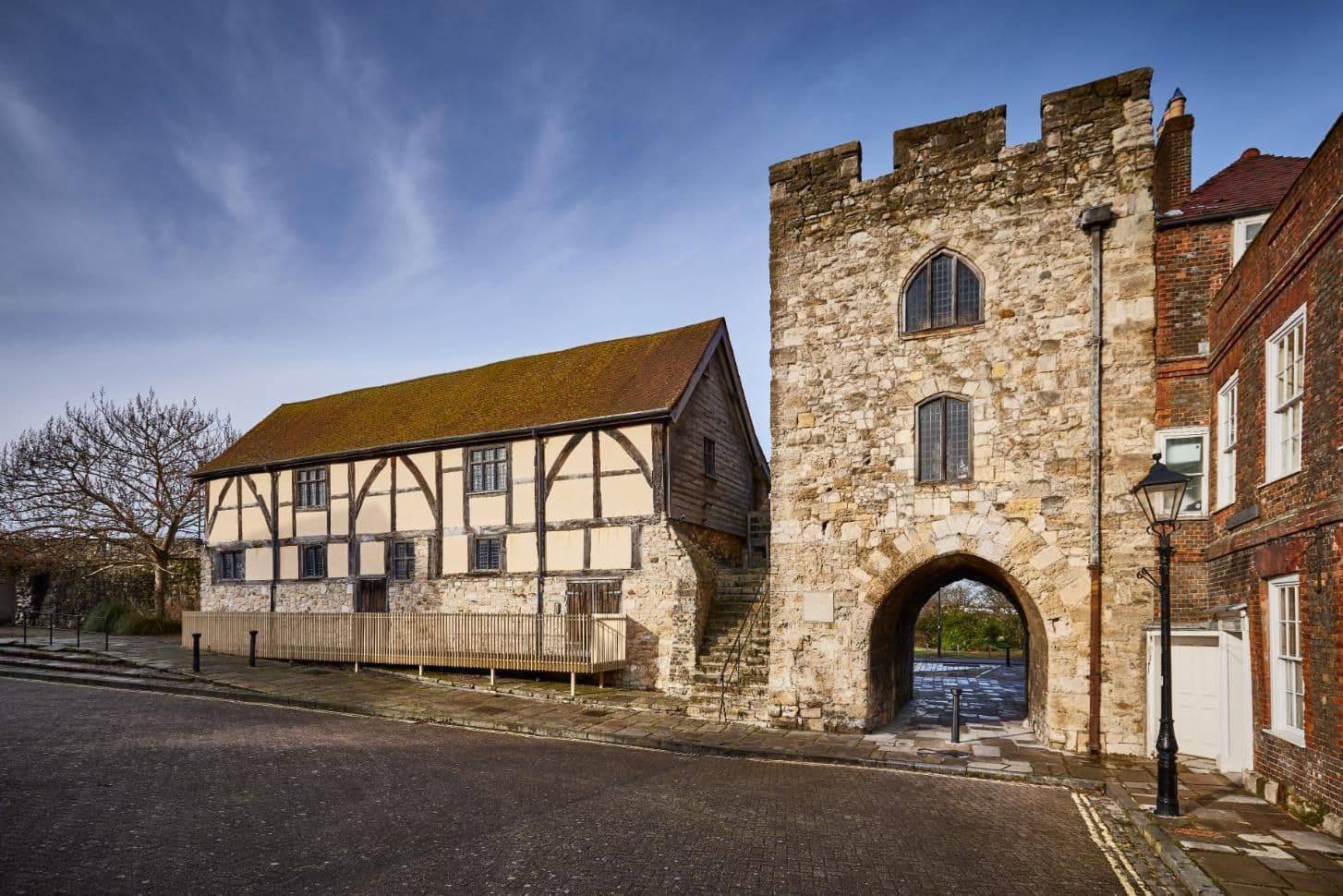
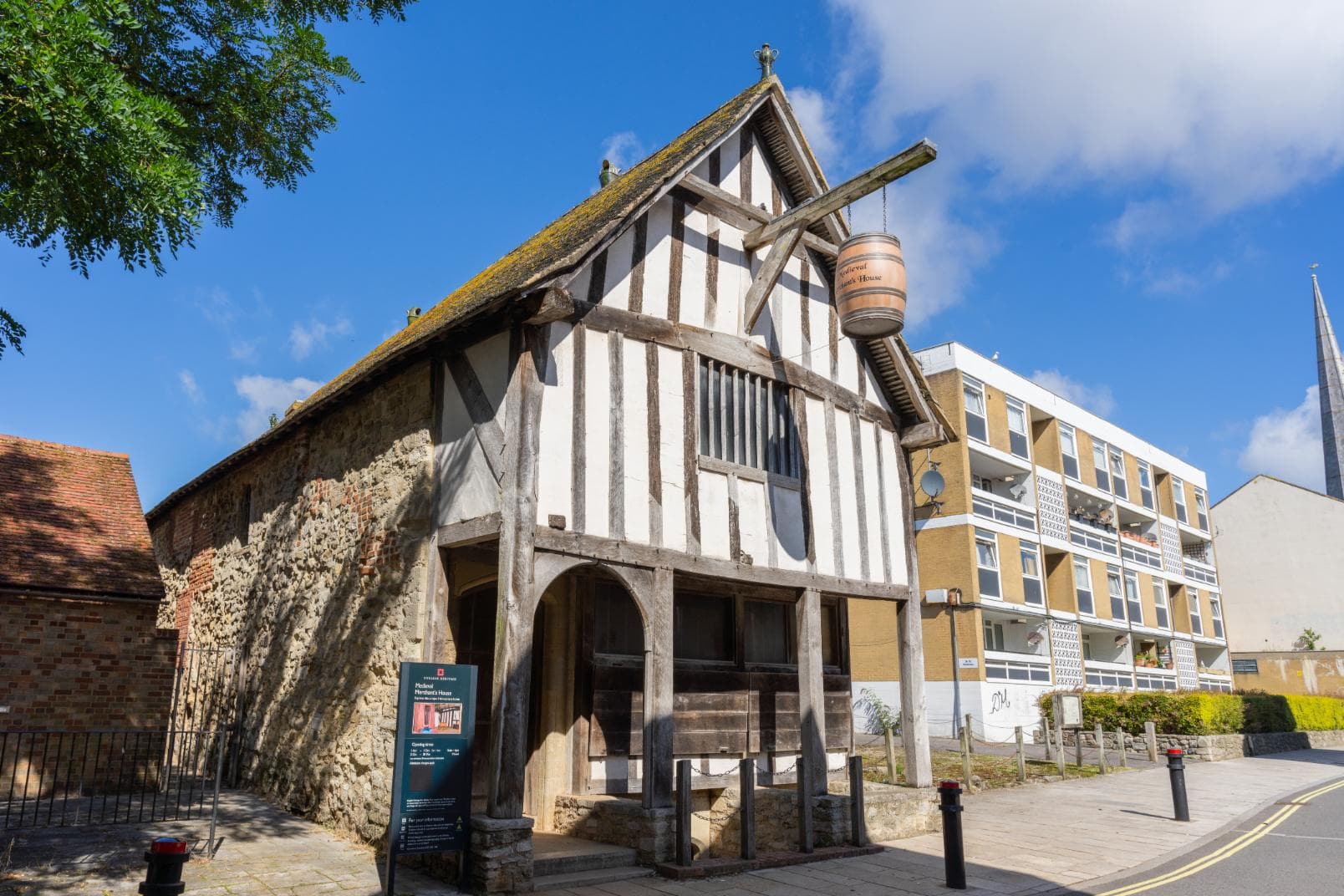
Start at Tudor House, where the cannon is still in the garden. Edward III sent it as compensation after the French raid of 1338 and here it sits, cast iron in a bed of herbs in one of the oldest gardens in the city. The building itself is timber‑framed and the garden around it is small and beautifully composed: a sunken lawn, Tudor planting, raised beds that release something sharp and green when you brush past them. Inside, I found myself slowing down without deciding to, moving through rooms that have held so much human life over so many centuries that the weight of it is almost physical. The staff mention the grey lady with the same tone they might use to mention the opening hours: a female apparition, seen drifting silently through the upper floors at dusk, reported by visitors and staff alike for as long as anyone can remember. In a building carrying this much history, a ghost feels less like a surprise than a natural consequence.

You’ll want to spend a few hours at God’s House Tower. Built in 1189 to guard the waterfront and expanded in 1400 to store the city’s gunpowder and artillery, it has moved through lives as a prison and a warehouse before arriving at its current incarnation as one of the best arts venues in southern England. The rooftop views across Southampton Water alone justify the climb. But the exhibition Hidden in Stone is what stays with you: fossils and contemporary art sharing the same space, anchored by a life‑size dinosaur sculpture built by Winchester students with miniature artworks tucked inside it for anyone who looks closely enough. I was in there nearly two hours and left still turning it over.

Culture is having a moment here. At God’s House Tower, dinosaur skulls share space with miniature art installations by emerging artists, and the whole place feels like a quiet collision of deep time and right‑now creativity. It is the kind of space that makes you realise how easily ancient stone and very present‑day ideas can sit together without either needing to apologise for being there.
The Titanic Story at SeaCity Museum
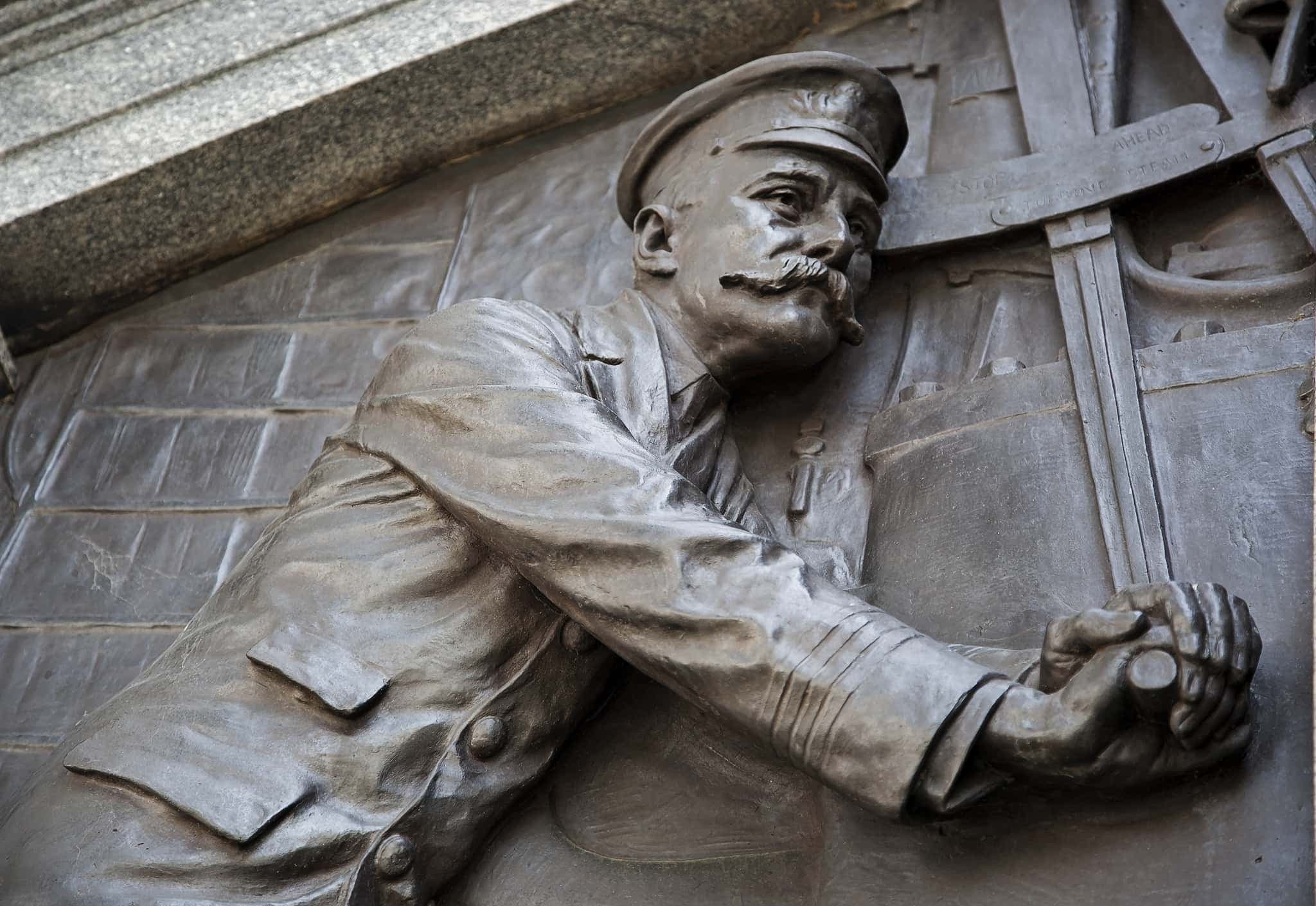
SeaCity Museum earns its reputation the moment you walk into the Titanic exhibition. This is not the story of a famous ship. It is the story of the more than 500 Southampton people who crewed her and never came home, men whose names are on the streets outside, whose families are still in this city.

Standing in front of their photographs, the loss arrives somewhere specific rather than somewhere abstract. At SeaCity, the Titanic story is told not as spectacle but with deep local pride.
Following the Jane Austen Heritage Trail
Upstairs, the Jane Austen exhibition, A Very Respectable Company, caught me in a different way entirely. The original letters are small and neat and completely alive, the handwriting of someone thinking fast. The Austen Family Household Book sits in its case looking like evidence of an actual life rather than a literary monument, which is exactly what it is. It is the most human I have ever found her, and I came away wanting to reread everything.

From there, the Jane Austen Heritage Trail deserves a full afternoon. Eight locations thread through parts of the city most visitors never reach, and the pace of it changes how you see Southampton, slower, more attentive, the streets giving up details you miss at any other speed. By the end of it I understood the city better than I had from any museum alone.
Where to Eat in Southampton
After a day spent exploring the city’s history and harbourside views, it is easy to let Southampton’s dining scene become the next highlight of the itinerary.
The Harbour Hotel at Ocean Village was designed to read as a superyacht moored at the marina, and from the waterside it does exactly that: clean lines, porthole mirrors, the particular self‑assurance of something built to suggest serious money tastefully spent. The Jetty restaurant is the reason to book a table well ahead. Aitken’s Michelin history shows not in fussiness but in the quality of the decisions: local seafood sourced seasonally, meat from Meadowbrook Produce, a wine list that rewards time spent with it. The private dining pods at the water’s edge are the right place to sit if they are available.

HarBAR on the sixth floor of the Harbour Hotel is where the evening properly ends. Fire pits, a wood‑fired pizza oven, a retractable canopy overhead and Southampton Water spread out below in every direction. The atmosphere is lively but relaxed, with music, laughter and that golden‑hour glow.
Staying at The Pig in the Wall
The Pig in the Wall sits on Western Esplanade with its back against the medieval fortifications. Two Georgian townhouses built into the old stone, originally a private home and the city’s first public house, now make up twelve rooms that feel less like a hotel than like the best version of somewhere you might actually want to live.

My room had exposed beams, rough floorboards, a freestanding roll top bath and a vintage dial telephone I picked up once out of curiosity and left alone because it looked too good to disturb. The larder minibar held local produce. The Bramley products in the bathroom smelled like something grown outdoors. Goose down bedding, slanted ceilings, the old stone of the wall visible from the window. The kind of room that you arrive in tired and leave, two days later, slightly reluctant.

Downstairs, the deli‑dining room runs at its own pace: charcuterie, regional cheeses, pastries, Pig Cut wines poured without ceremony. Breakfast is strong coffee and good pastries and light falling through windows that look onto walls built in the twelfth century.

Southampton is a city where medieval walls wrap around an evolving creative scene and the past sits comfortably beside the present. The city’s long maritime history still lingers in the stone, but it no longer dominates the story. The city’s old walls are among the most complete medieval defences in the UK, originally built to keep out pirates and protect one of England’s busiest ports, and now they simply frame the way people live, work and wander. From Jane Austen trails and rooftop cocktails to boutique stays that feel like lived‑in homes, it has an energy that just feels comfortable.
How to Plan a Southampton City Break
Direct trains run from London Waterloo to Southampton Central in 79 minutes. Book The Pig in the Wall and The Jetty well ahead. The Jane Austen Heritage Trail, God’s House Tower and SeaCity Museum sit within easy walking distance of each other. Tudor House is five minutes further. Allow more time than you think you need.

Davlynne Lidbetter
Davlynne Lidbetter is a luxury travel and lifestyle writer with a background in international media publishing and brand storytelling. Formerly with Forbes Africa and now Co Publisher of Beau Monde Traveller, she writes on culture, hospitality, aviation, and the changing language of modern luxury travel.
Read More

Lamu, Kenya: Low-Key Luxury on the Swahili Coast

Spain Cruise Review: Windstar Cruises Star Legend the Luxury Midsize Cruiseship

Inside Pabidi Lodge, Uganda's New Luxury Base for Budongo Forest Chimpanzee Safaris