A Food Lover’s Guide to Piedmonte with La Giardina Guest House
There is a reason the Slow Food movement was born in Piedmont. Actually, there are several reasons, and most of them involve what ends up on your plate. The region sits at the top of Italy geographically, and arguably at the top of Italy gastronomically. The wines are among the finest in the world. The truffles are the most prized. The pasta is made with an absurd number of egg yolks, the beef comes from cattle that have spent their lives on mountain grass, and the recipes have been handed down so carefully and for so long that changing one would feel like an act of vandalism.

Apparently, there is no such thing as portion control in this region. But what the Piedmontese lack in restraint, they more than make up for in pride: pride in what grows nearby, pride in how it is prepared, and pride in the traditions that their grandmothers handed to their mothers and their mothers handed to them. Nobody here is chasing trends. They are too busy doing the thing they have always done, and doing it extraordinarily well.

The best way to navigate all of this, I found, is to start at La Giardina Guest House, just outside Chieri as your base for your food journey in the region. Bruno Billio, the owner and host, has spent time absorbing the culinary offerings of the area, and his knowledge of where to eat and what to order goes well beyond any guidebook. He knows the chef at the restaurant that doesn't have a website. He knows which trattoria has been feeding locals for three generations and which new place is worth the drive. Before I left for any meal on this trip, I asked Bruno first. He was right every time.
The Wines of Piedmont: A Short Education Before You Eat
Before getting to the food, the wines deserve their own moment. You will be drinking them throughout every meal, so it is worth understanding what you are holding.
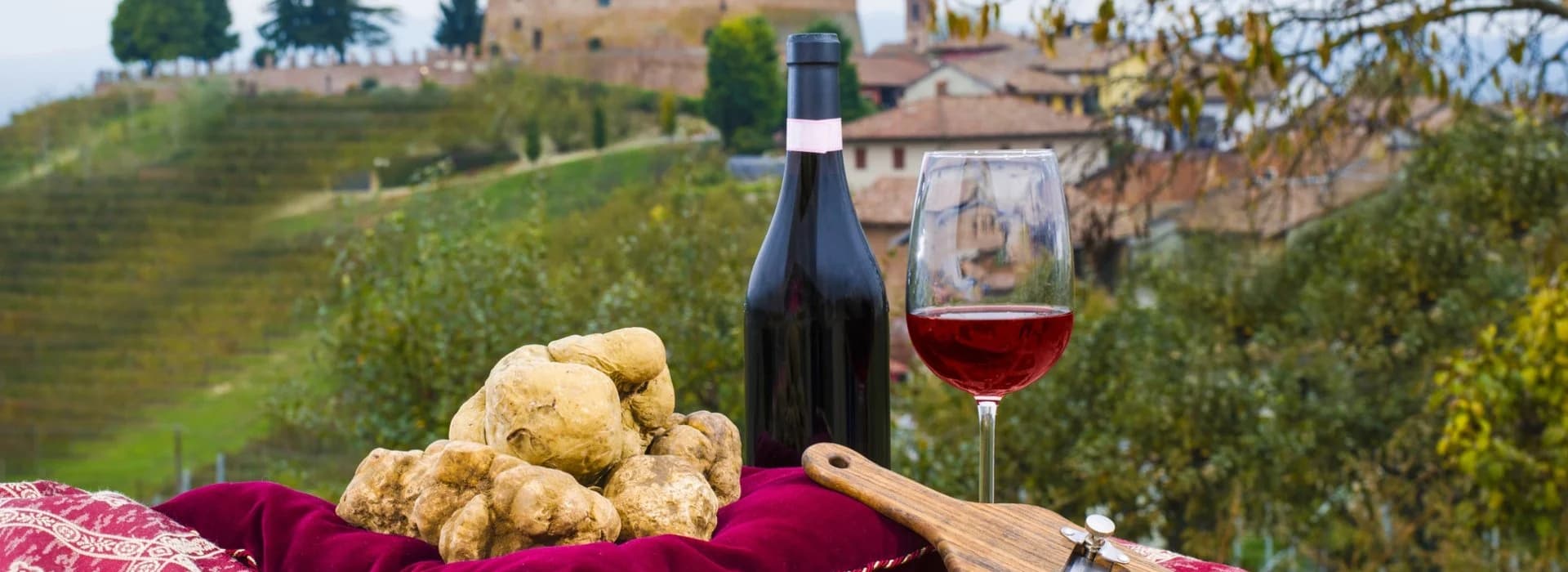
Piedmont is one of the great wine regions of the world. The most famous bottles carry the names Barolo and Barbaresco, both made from the Nebbiolo grape grown in the Langhe hills south of Alba. Barolo is known as the king of Italian wines, powerful and structured with high tannins and acidity, and capable of aging for decades. It smells of roses and tar, which sounds strange until you smell it and suddenly understand why no other description will do. Barbaresco, made from the same grape a few miles northeast, is sometimes called the queen: a little more approachable in its youth, a little softer, no less serious.

Both wines come from a landscape that the Langhe hills share with truffles and hazelnut groves and cattle and wheat, all of it conspiring to produce food and drink that belong together in a way that feels almost planned. The Savoy court declared Barolo the royal wine in the 19th century and served it at their table in Turin. It is not hard to understand why.

Beyond Barolo and Barbaresco, the region offers Barbera d'Asti, which is deeper and fruitier and more forgiving with a wide range of food; Dolcetto, which is softer and approachable and perfect for the middle of a long lunch; and Moscato d'Asti, the lightly sparkling, gently sweet white that is the right way to end a meal in warm weather. Bruno will point you toward producers he trusts in each category. The bottles you pick up directly from a winery in the Langhe hills will be among the better things you bring home from any trip to Italy.
The Food: What to Expect at the Table
Piedmontese cooking is not fancy food. It is local food done exactly right. Nothing is overly elaborate and nobody here is chasing a first Michelin star at the expense of what the food is supposed to taste like. The region's dishes are deeply tied to what can be sourced nearby: the beef, the hazelnuts, the truffles in autumn, the cheese from mountain dairies, the eggs from farms a short drive away.

Carne cruda is the dish that surprises visitors most and wins them over fastest. Raw beef, hand-chopped or finely ground, dressed simply with olive oil, lemon, and sometimes a little garlic. The beef in this part of Piedmont is grass-fed, genuinely free-range, sweet and pink rather than the red you see elsewhere. It tastes the way beef should taste before anything industrial gets involved.
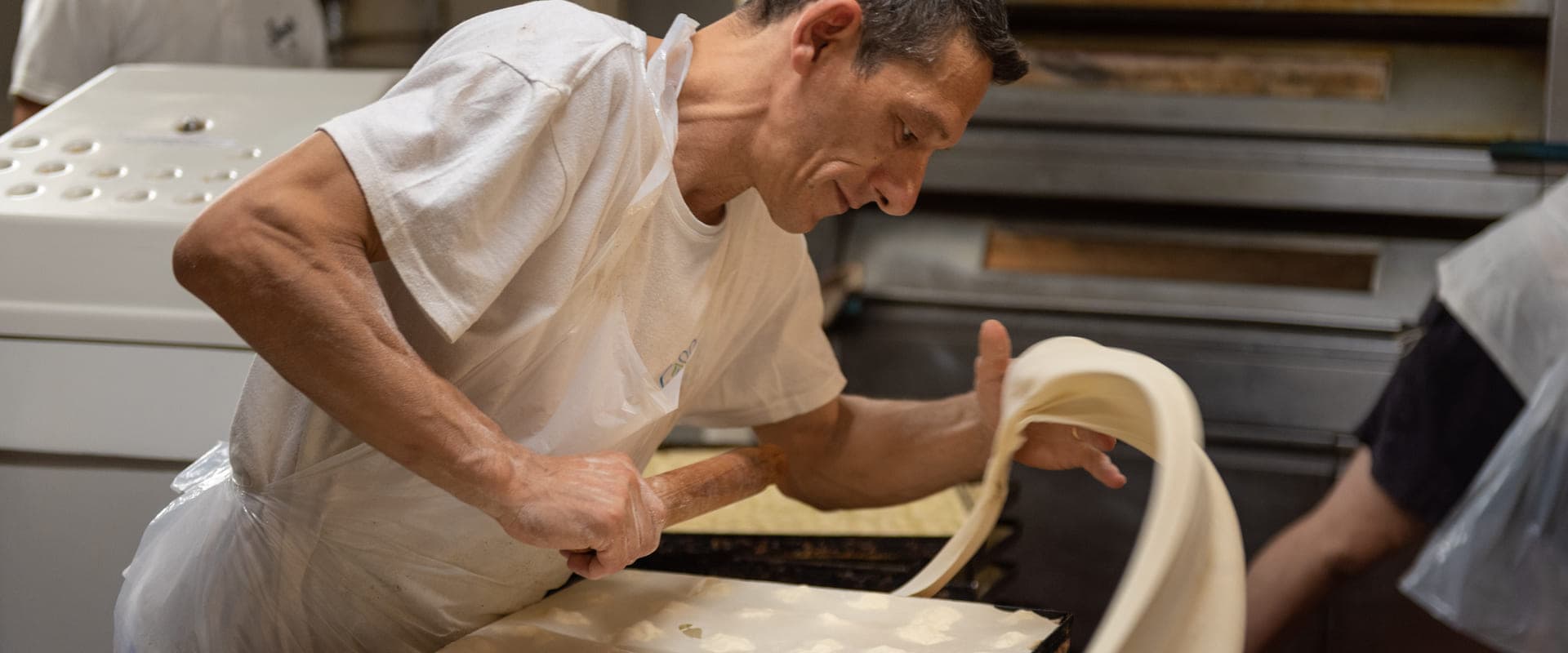
The pasta is serious. Tajarin is Piedmont's answer to tagliolini, a very fine, very eggy pasta made with a ratio of egg yolks that would alarm anyone watching their cholesterol. It is usually served with butter and truffle or with a meat ragu, and it is as good as pasta gets. Agnolotti del plin are small, pinched parcels of stuffed pasta, typically filled with braised meat, served in the cooking juices rather than tomato sauce. This is the right way to eat ravioli. Once you have had it this way, the tomato sauce version seems like a misunderstanding.

The vitello tonnato, cold sliced veal under a tuna-and-caper sauce, is one of those dishes that makes more sense the more times you eat it. The fritto misto alla piemontese is a mixed fry of meat, vegetables, and sometimes sweet elements together, which sounds chaotic and tastes magnificent. And the bollito misto, a platter of mixed boiled meats served with salsa verde and mostarda, is the kind of dish that reveals a kitchen's real skill in the absence of any shortcuts.
For dessert, the region claims both the tiramisù and the panna cotta as its own, and both are better here than anywhere else. The hazelnut, grown in abundance in the Langhe, turns up in everything from chocolate spreads to cakes to the inside of a very good glass of Moscato.
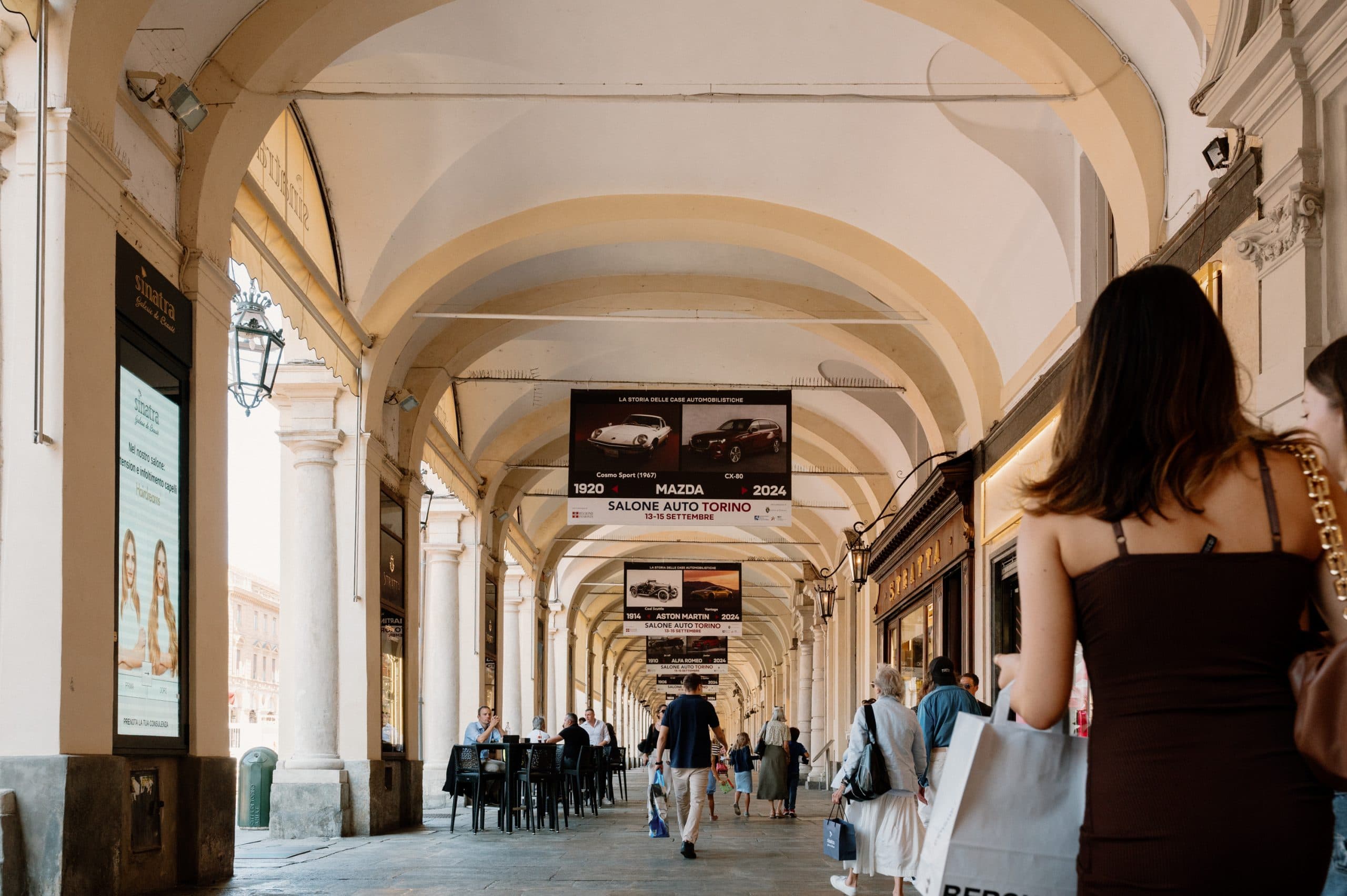
Torino, Chocolate and Café Culture
Torino is northern Italy's centre of chocolate making. The many art nouveau cafés and artisanal chocolate shops throughout Piedmont, especially in Turin, offer their own versions of gianduiotti and other regional specialities. Among the best names to look out for are Caffarel, Peyrano, Stratta and Gobino.
The region's obsession with chocolate is inseparable from its hazelnuts. The Tonda Gentile, grown in the Langhe hills south of Turin, is among the finest varieties in the world, and it was this local nut that gave birth to gianduia, the smooth chocolate-hazelnut paste that Caffarel first developed in the nineteenth century. Nutella, now a global phenomenon, traces its origins directly to this tradition, created by Michele Ferrero in Alba, just an hour from Turin, essentially gianduia democratised and jarred for the world.

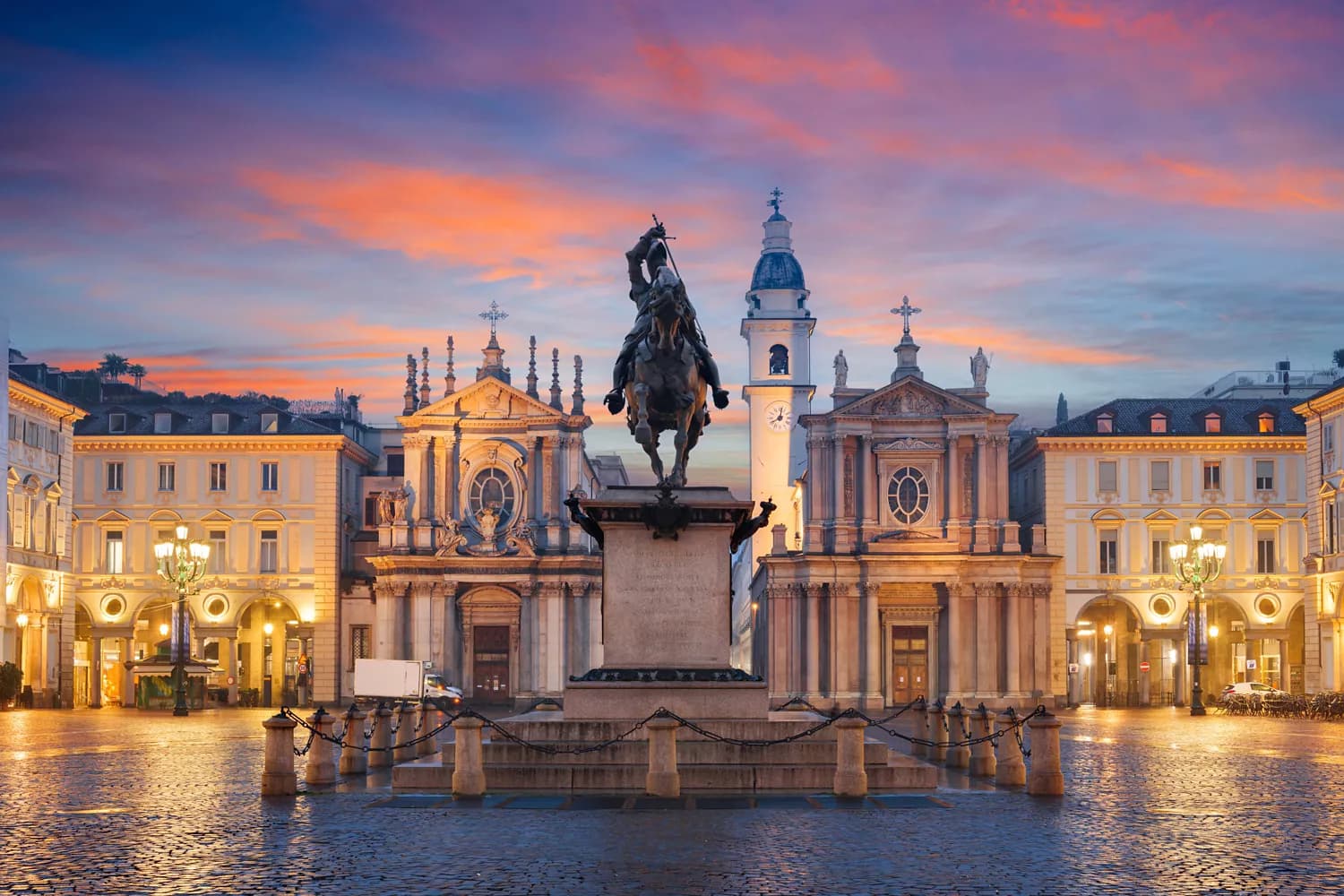
Around Piazza San Carlo, another ritual demands your attention: the bicerin, a layered composition of espresso, chocolate and cream that has been central to Torinese café culture for centuries. It is not a drink to be replicated at home. Some things belong where they belong, and there is nothing quite like drinking a bicerin in one of the grand cafés on the piazza, as locals have done for generations. Order one and you begin to understand something essential about this city, the careful layering, the contrast between bitterness and sweetness, the way it resists being rushed.
Caffè San Carlo
Caffè San Carlo on Piazza San Carlo is among the finest of Turin's great historic cafés. The room is over 180 years old, with gilded ceilings, Murano chandeliers, and the kind of formal grandeur that alters your posture the moment you sit down. It is a fine spot for a long lunch, or simply to stop, take in the splendour of the room, and order a bicerin. The hot chocolate is dense, almost architectural in structure. This is not a place for haste. Sit, observe, and allow the cadence of the square to reveal itself.

Where to Eat | So Many Delicious Options
Café della Stazione, Chieri
The name tells you exactly what it is: the café at the station, directly across from the train stop in Chieri. This is where locals come for lunch, which is the only recommendation you need. From the outside it looks like a small bar. Step inside past the counter, through the room lined with bottles, and there is a full dining room behind it, busy, warm, and entirely unpretentious.
The food is textbook Piedmontese: appetizers that change with the season and whatever is freshest, handmade pasta done classily, a wall of regional wine priced the way wine should be priced when you are this close to where it was made. Order whatever they tell you is good today. Sitting outside in good weather, watching the rhythm of a small Italian city go about its afternoon, is one of the better free experiences this region offers.
GAF Restaurant, Cambiano
GAF is a destination restaurant that doesn't feel like one. It sits on family land that was once a grain mill, about ten minutes from Chieri, and it is helmed by a chef who competed in Italy's MasterChef. He came in third. You would never know it by the line of people waiting for a table on a weekend. The dining room is warm and considered, the bar excellent, the staff young and sharp and clearly happy to be there.

The steak is the thing. They don't ask how you'd like it done. It would be an insult. They know how it should be cooked and they cook it that way. If that bothers you, there is very good fish and a remarkable artichoke preparation that is reason enough to visit on its own. The wine list leans local and deep. This is fancy without being over the top, the kind of place that would be one of the hot tables in any city in the world.
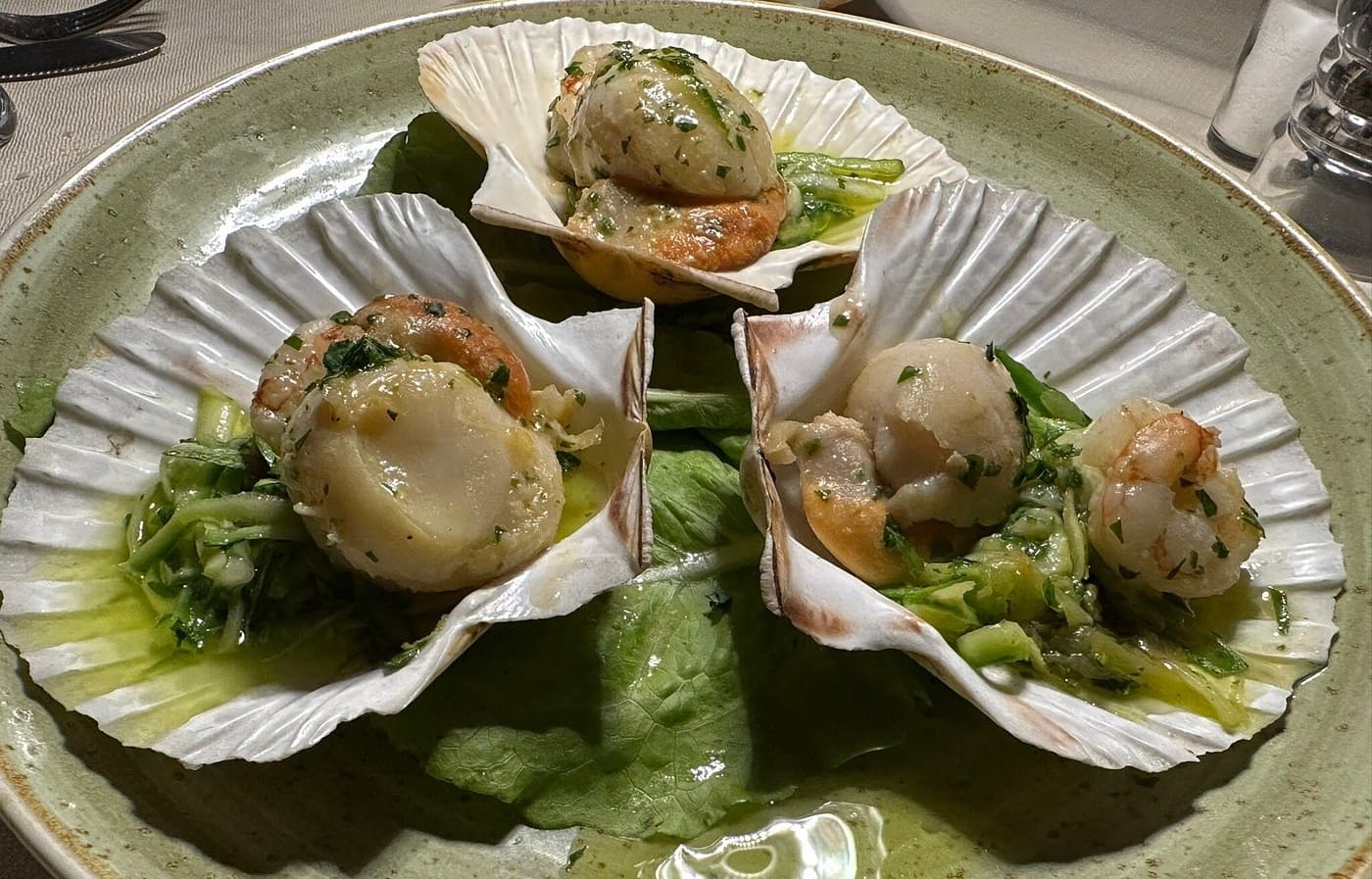
Locanda del Lupo, Rivoli
Rivoli is the kind of medieval hill town that makes you wonder why you have never been before. It sits on a ridge west of Turin, crowned by a 17th-century castle and surrounded by old streets that reward slow walking. The town is pretty in a quiet, unhurried way, and Locanda del Lupo on Piazza Bollani fits it perfectly.

The interior is warm and intimate: earthy colors, mismatched plates hung on the walls in the Italian tradition that somehow always looks right, candles on the tables, the hum of a room full of people who are happy to be there. The first thing you notice when you walk in is the wine. A wall of bottles greets you before you have taken your coat off, and it sets the tone immediately. This place takes its list seriously, ranging deep into the local Piedmontese producers and reaching out further for the right bottles from farther afield. The owner knows what he is pouring and is happy to talk about it.
The food matches the commitment. The agnolotti are handmade, the braised meats slow and generous, and the carpione, the traditional sweet-and-sour preparation of the region, is done with real care. Couples on dates, families celebrating, regulars who have been coming for years. The welcome is genuine, the evening unhurried. One of the top tables in this part of Piedmont.
Osteria Antiche Sere
It is in a nondescript part of town and from the outside it doesn't look like much. Just a storefront. Step inside and fancy is not the word. It is probably the opposite: the closest thing to a proper greasy spoon cafe that you will find in the region, with no pretense of being anything else. And none of that matters in the slightest, because the food and the warmth of the people running it more than make up for any shallow considerations about decor.
It is crowded any day of the week. Full, and sometimes a wait, and with good reason. The husband is in the kitchen and his wife runs the room, and both of them treat every table as though the guests are personal friends who happened to come for dinner. The food is real home cooking, the kind that requires real skill to produce and is impossible to fake. The sauces take time. The pasta is made by hand. The portions are generous in the way that only happens when someone actually wants you to leave happy.

What makes Antiche Sere stay with you beyond the food is the attention. If you overlook something on the menu, someone will notice, suggest you try it, and then bring it to you just to make sure you don't miss it. Whether it is your first time or your fifth, you leave feeling like a regular. That is a harder thing to achieve than any number of Michelin stars, and their recipe for getting it right is simply this: good food, warm service, and a fair price. Come for what is important and not for what is not.
Ristorante Consorzio, Turin
For lunch in Turin, Ristorante Consorzio on Via Monte di Pietà is where I would send anyone who takes food seriously. The room is small and unpretentious, with bistro tables in pink pinstripe, chalkboards listing the day's natural wines by the glass, and an energy that sits somewhere between a wine bar and a punk club. The awards stickers on the door, including multiple Michelin Bib Gourmand recognitions, barely prepare you for what arrives at the table.

The menu is rooted in Piedmont's tradition of using every part of the animal, but there is nothing grim about it. The tajarin with butter and black truffle is the kind of plate you think about for weeks afterward. The agnolotti gobbi, vivid yellow from the egg yolks, are stuffed with slow-cooked meat and lacquered in butter and are as good as pasta gets. The carne cruda battuta al coltello, hand-chopped to order, is the benchmark version of the dish. The lunch tasting menu is outrageously good value for what you get, and the wine list focuses on small Piedmontese producers you will not find outside this region.
Book in advance. The room is small and the word is out.
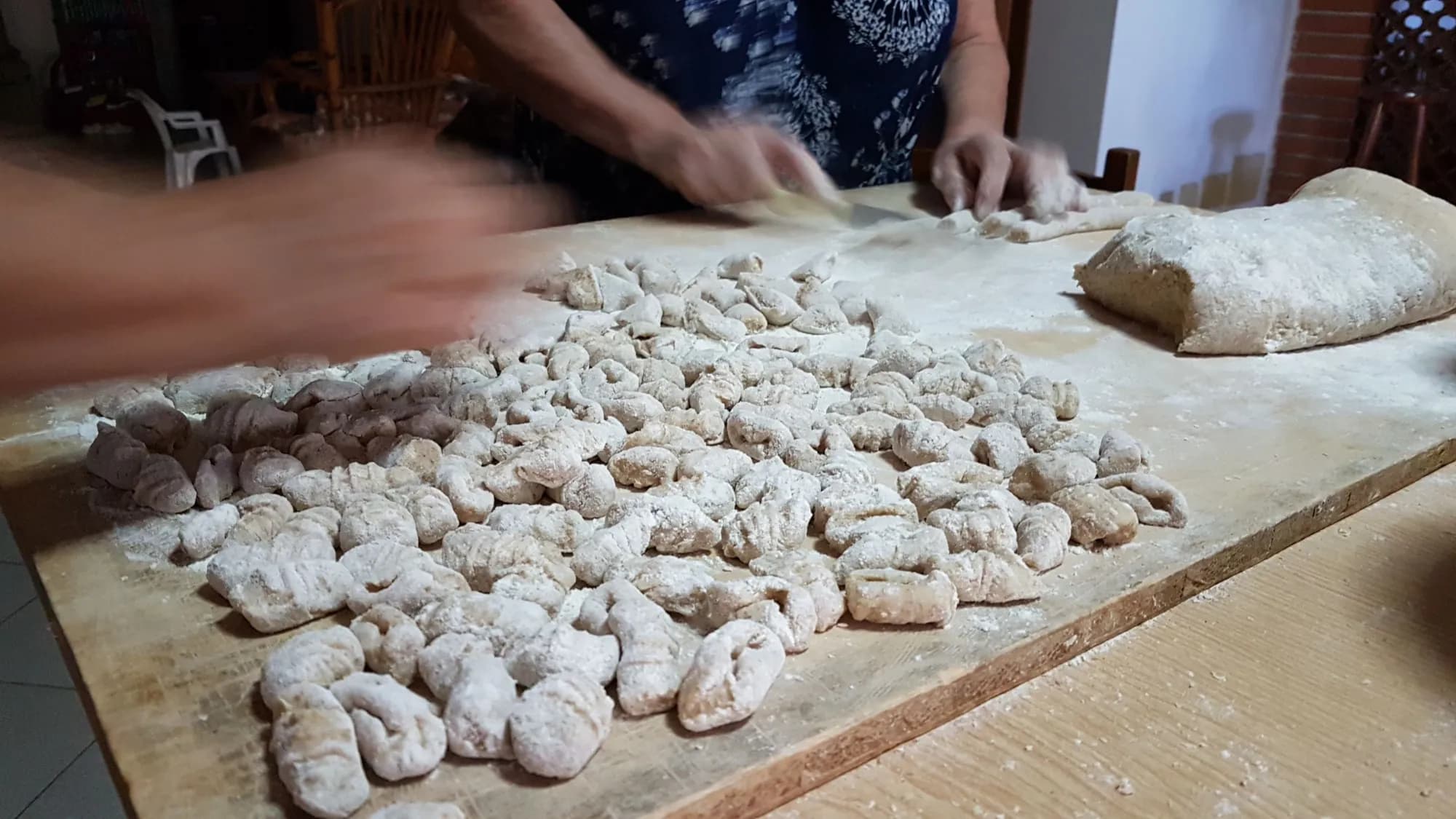
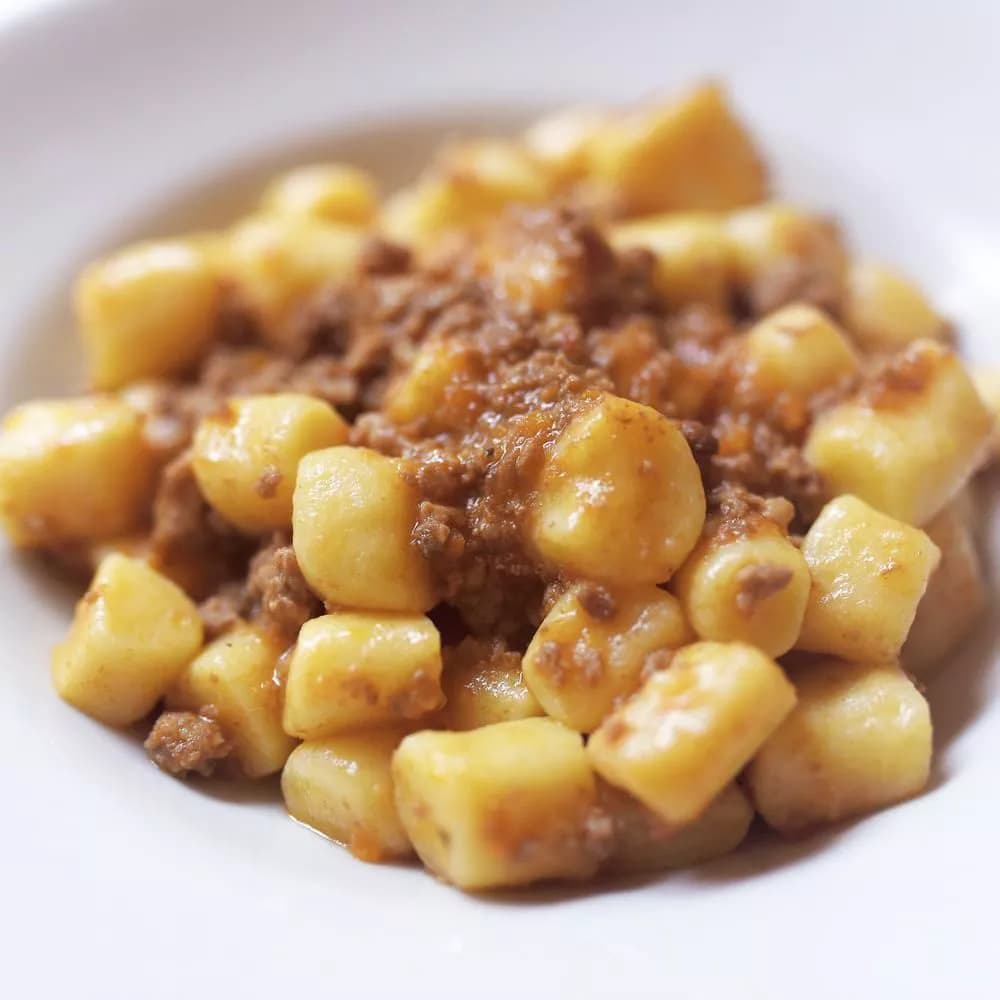
The "Full" Story
The Piedmont table is not one meal or one restaurant. It is a philosophy, a commitment to sourcing well and cooking honestly and eating slowly, all of it washed down with wines grown in these hills for centuries. Bruno at La Giardina Guest House will guide you to the best of it, while the house itself, set just beyond Chieri, offers a quiet base within easy reach of Piedmont’s trattorie, markets, vineyards and, of course, its most delicious restaurants. Guests are drawn to the way the four guest room retreat feels like a private residence, where a restored historic shell meets a considered mix of art, design, and lived-in character. The rest is a matter of showing up hungry and staying long enough to do it justice.

Glenn Harris
Glenn Harris is an accomplished journalist focusing on luxury travel, fine dining, and exclusive lifestyle events. His wanderlust has taken him to over 128 countries where he constantly strays off the beaten path to uncover exotic locations, travel gems and exciting experiences to capture.
Read More
Lamu, Kenya: Low-Key Luxury on the Swahili Coast
Spain Cruise Review: Windstar Cruises Star Legend the Luxury Midsize Cruiseship
Inside Pabidi Lodge, Uganda's New Luxury Base for Budongo Forest Chimpanzee Safaris