Amelia Island Florida and a Stay at the Williams House Bed and Breakfast
The first thing Veronica does when you arrive at the Williams House is pour you a glass of wine. It is five o'clock, and this is not a coincidence. The daily social hour is one of the rituals she has built into life at her historic Fernandina Beach inn, that make her place worth remembering versus another one you’d be likely to forget on the drive home. You settle into a rocking chair on the wraparound porch, wine in hand, and begin to realize what it means to vacation in Amelia Island. It’s not about doing a lot, it’s about slowing down and doing the few things well. Experiences that enrich, good food and a much-needed rest. That along with gorgeous nature and beaches the iconic massive oak trees with their garland of Spanish moss. This is what you came for. You may not have known it before you arrived, but you know it now.
Amelia Island Luxury Travel Guide
Amelia Island sits at the very northeastern tip of Florida, thirteen miles long, four miles wide, pressed so close to the Georgia border that the boat tour crosses the state line without you even noticing. It is the southernmost link in the Sea Islands chain that arcs up through South Carolina, a cousin to Hilton Head and Jekyll Island, sharing their live-oak canopies and tidal waters and their way of life where there is nothing wrong with taking your time. But Amelia doesn't carry the brand recognition of those better-known neighbours, and that turns out to be the point. And unlike the rest other parts of Florida, there are no theme parks here, no clubs open until all hours, no spring-break energy. Most weekend visitors come from Jacksonville, thirty miles south, slipping out of the city and into something slower, quieter, more considered. The relative anonymity is, quietly, the island's greatest asset.
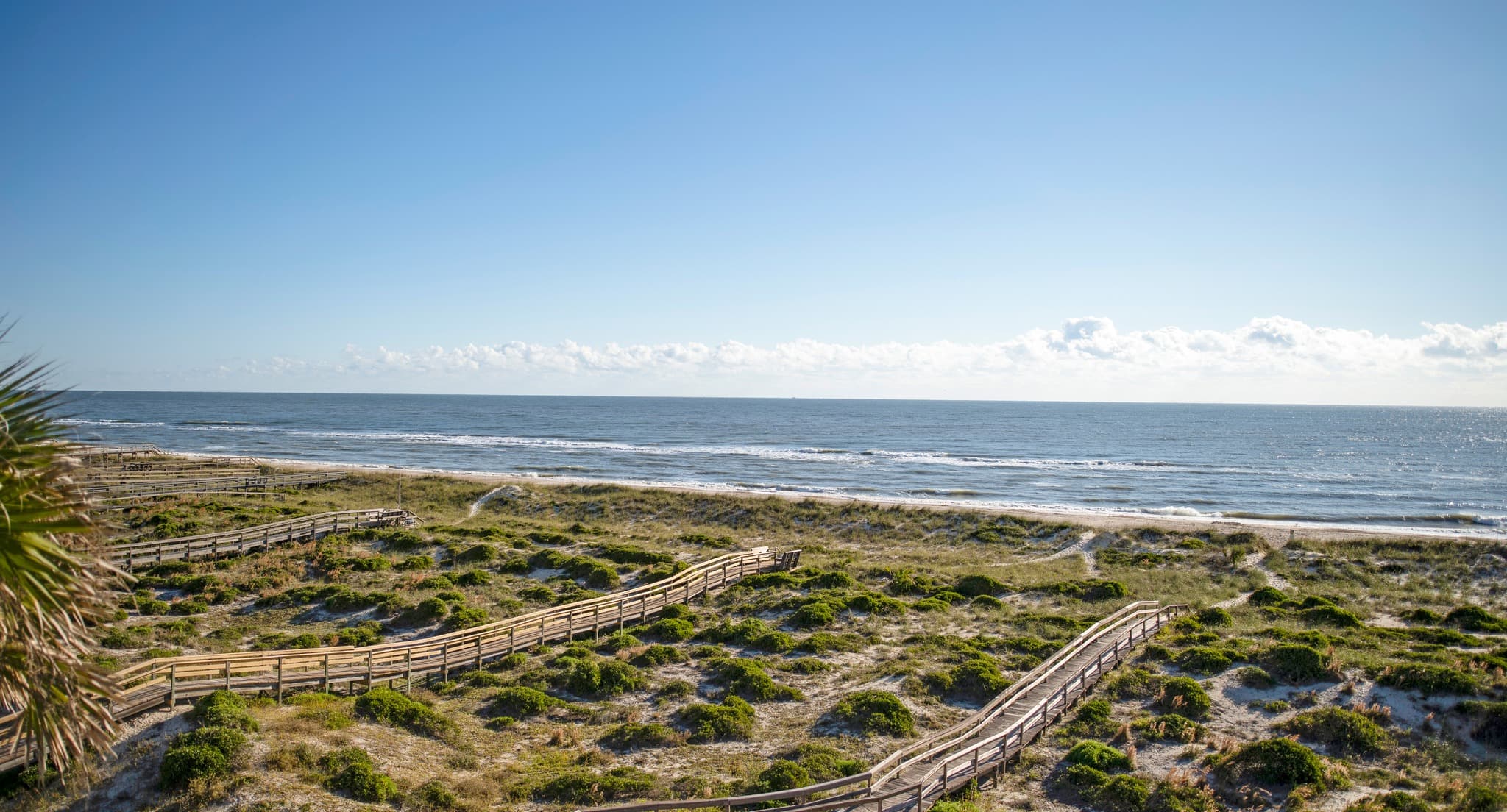
The landscape looks nothing like the Florida of the postcards. The water isn't turquoise; the Atlantic along this stretch runs cooler and more amber, shaped by rivers and inlets rather than coral reefs. The trees aren't palms. They are enormous live oaks, their branches arching over roads and footpaths like cathedral vaults, trailing Spanish moss in long, silvery curtains. You see these trees lining the old streets of Fernandina, and deep inside Fort Clinch State Park, and from the deck of the boat as you cruise north toward Cumberland Island. They create a certain mood that is difficult to explain but easy to feel. It is a different Florida entirely. For many, a better fits what they are after.
But none of this is properly felt until you have somewhere to feel it from. And that is where the Williams House comes in.
The Williams House |The Inn That Sets the Tone for Everything Else
The Williams House was built in 1856, an antebellum Victorian mansion that originally belonged to the family of Marcellus and Emma Williams, who lived here for nearly a century. It sits on a quiet street in the historic district, behind an ornately wrought iron fence topped with gold fleur-de-lis, its gingerbread architecture designed by New York architect Robert Sands Schuyler. The wraparound porches with their rocking chairs and porch swing are not decorative. They are used daily, by guests who have recently discovered that sitting on a porch with no particular agenda is something they should have been doing considerably more of.
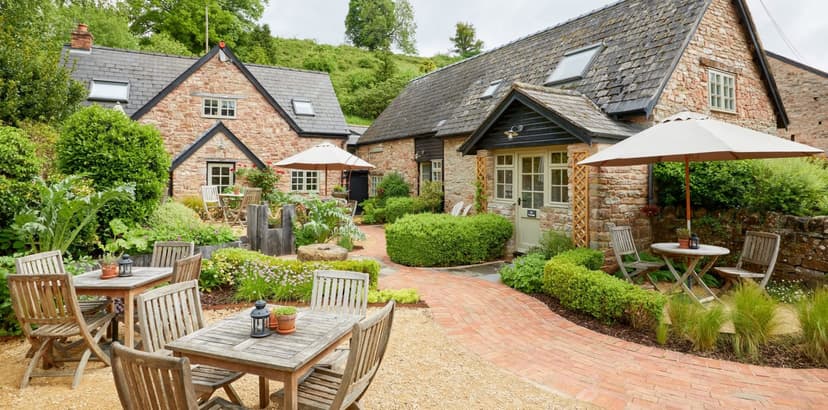
The grounds have won multiple awards for their landscaping, and you understand why immediately: courtyards, manicured gardens, and small fountains fill the space between the three buildings that make up the complex, the main house, the circa-1880s Hearthstone House next door, and the Carriage House at the rear. Together they hold eleven guest rooms, all individually styled and all with private baths, some with fireplaces, some with whirlpool tubs, each one feeling quietly and immediately like yours.
Inside, Veronica has preserved the original features, nine-foot pocket doors, carved mantels, period fireplaces, intricate woodwork, while adding an art collection that ranges from the quietly beautiful to the arrestingly whimsical. The wallpaper choices are considered rather than cautious. Natural light floods rooms that once felt heavy. The place is alive with personality without feeling overdressed, which is harder to achieve than it sounds.

The inn has been in Veronica's hands since 2020. An architect by training, , she had harboured the dream of running a bed and breakfast since a formative overnight stay in a Minnesota farmhouse in 1995. When she finally found the Williams House, she recognised it immediately as the right place: historically significant, architecturally rich, sitting in a community that values what it has. She has been restoring and refining it ever since, with an architect's precision and a host's instinct for what makes a guest feel genuinely at ease.

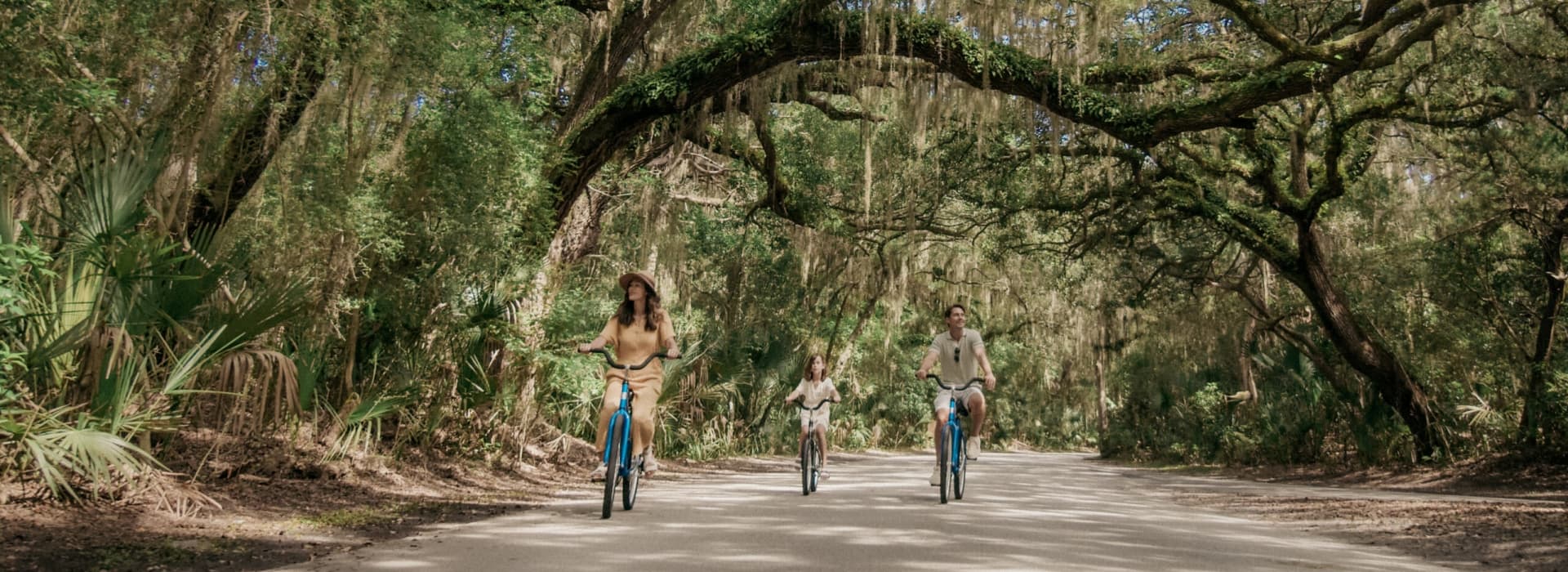
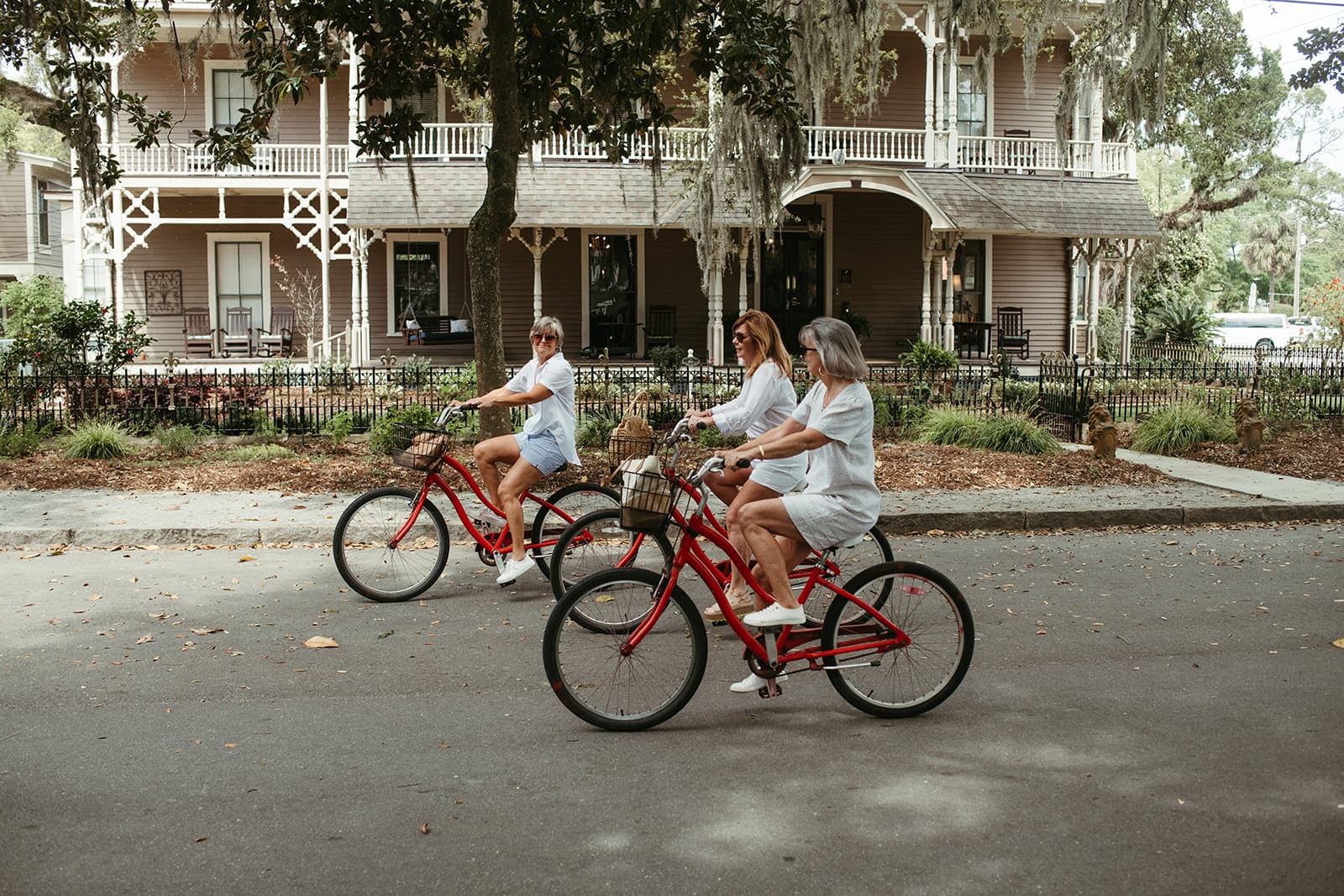
Veronica is the defining element of the Williams House experience. She is what innkeepers should be: warm, knowledgeable, and attentive without hovering. Cookies are available throughout the day. Complimentary beach bicycles are provided, single-gear, no-handbrake, exactly right for an island that is almost entirely flat. At five o'clock the wine comes out, and the porch does the rest.
It's a lot more personal than a hotel. You'll see her every day, there at breakfast, there if you need anything, always ready with a restaurant recommendation or a suggestion about what's on in town. That level of care changes the quality of a stay entirely.

But the centrepiece, the thing guests mention first when they try to describe the place to someone who hasn't stayed, is breakfast. This is not the kind that comes out of a warming drawer under a stainless steel lid. Veronica loves to cook, and she treats her guests as an ongoing culinary project. Each morning she serves a two-course meal in a sunlit dining room: a first course of beautifully presented fruit, yogurt, or something more composed, then a proper main, a quiche with sausage and spinach one morning, French toast with bananas the next. Each plate arrives as though it matters, because to her, it does. At a corporate hotel, you may forget. The Williams House breakfast is the kind you mention to people for weeks, often while trying to explain something else about the trip.
The inn sits well-placed for everything. Centre Street and its Victorian downtown are a short walk away. Fort Clinch State Park is a bike ride to the north. The waterfront, where the boat tours depart, is a few minutes on foot. And immediately next door, an almost embarrassingly convenient distance away, is David's, one of the finest restaurants in the state of Florida.

Exploring Fernandina Beach
Veronica will likely tell you to start with Centre Street, on foot, or on one of the complimentary bikes, depending on how ambitious the morning feels after breakfast. Either way, it is the right beginning. Centre Street is the main artery of historic Fernandina Beach, and it has changed in function but not in character for well over a century.

The brick buildings are original. The Nassau County Courthouse, with its clock tower, dates to 1891. The Palace Saloon, on its corner, has been operating continuously since 1903, Florida's oldest, a fact that feels both remarkable and perfectly appropriate once you've spent an afternoon here. The old post office has been standing since stamps cost two cents. The 1899 train depot, now the island's welcome centre, still greets visitors with its antique fountain and horse trough out front. This is not heritage for its own sake, the buildings are full, occupied, working. Boutiques and art galleries and coffee shops fill the spaces. There are artisan donut places now alongside the antique dealers and nautical gift shops, and quite good wine bars as well.
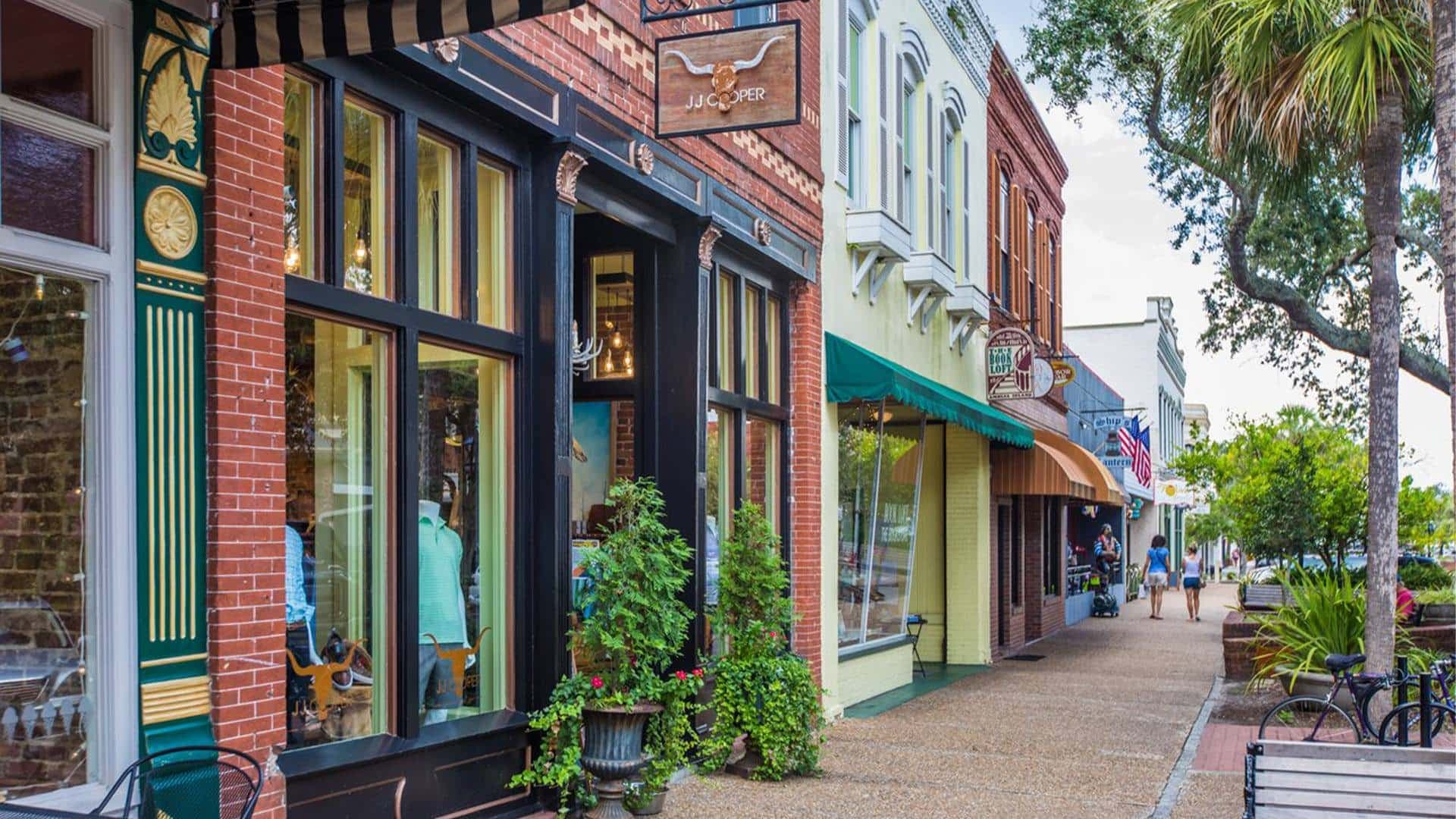
As you wander half a block off the main drag and the historic district opens up further, fifty blocks in total, more than four hundred structures on the National Register of Historic Places, Victorian homes with gingerbread woodwork and wraparound porches and turrets and gabled dormers, some now operating as small inns, others still private residences sitting quietly behind picket fences. The Smithsonian Institution has described life in Fernandina Beach as one of the best examples of small-town living in America. Spend a morning on Centre Street and you will not argue the point. Most guests fill their town time with a loose combination of walking, browsing, pausing for coffee, and pausing again. That, it turns out, is exactly the right approach.
Fort Clinch State Park Amelia Island 
The Williams House bikes come into their own when you head north to Fort Clinch State Park, and Veronica will point you there without hesitation. The entrance sets the mood immediately, three miles of road canopied entirely by live oak draped in Spanish moss, the light filtering through in shifting patterns, as the modern world recedes behind you.

Fort Clinch itself is a pentagonal brick fortification begun in 1847, built from nearly five million bricks, and one of the most well-preserved 19th-century military installations in the United States. It witnessed both sides of the Civil War, served again during the Spanish-American War, and was restored in the 1930s by the Civilian Conservation Corps. On the first weekend of each month, living history reenactors in Union Army dress bring the garrison to life with cannon firings and daily soldier routines. Even without the show of history, the views from the gun deck over the Atlantic and the Cumberland Sound into Georgia are worth the entrance fee alone.

But most visitors spend as much time in the park itself as at the fort. The salt marsh and coastal forest are thick with life, ospreys, great blue herons, bald eagles, and alligators warming themselves on sunny banks. The park is part of the Great Florida Birding Trail, with over 470 species recorded. And then there is the beach, wide and hard-packed, so firm at low tide that you can ride a bike along it, where the island's other great ritual quietly unfolds. state-park
The Shark Tooth Hunters
Walk along the beach near Fort Clinch and you will spot them: people pacing slowly at the tide line, bent slightly forward, eyes down, doing that particular half-walk half-stoop that is immediately recognisable once you know what you are looking at. They are hunting fossilised shark teeth, small black or dark-brown triangles mixed into the broken shells at the water's edge. The teeth wash from the St. Mary's River and surface here after the channel is periodically dredged, depositing fresh, unsearched sand. The fossils are millions of years old, from Miocene deposits; the colour comes from minerals that replaced the original material over geological time. Some collectors find megalodon teeth. Most find smaller specimens and find them thrilling all the same. You will almost certainly join them within ten minutes of understanding what they are doing.
Cumberland Island boat tour Fernandina Beach: History, Horses, and Two States in One Morning
Among the things Veronica recommends, the boat tour to Cumberland Island gets a particular emphasis, not as an optional addition but as something you really should do. She is right. It is, and it begins just a short walk from the inn, at the Fernandina Beach waterfront.

Amelia River Cruises has been running these tours since 2000, a family operation on the harbour, with boats ranging from 45 to 120 passengers, all comfortable, BYOB-friendly, fully accessible, and led by Coast Guard-certified captains whose narration has the ease of people who genuinely love the place they are describing. The flagship Cumberland Island Tour runs two and a half hours and takes you north through the Amelia River, into the Cumberland Sound, and along the shorelines of two islands in two different states. It is a lot to cover, and the captains cover it well.
What unfolds is a kind of compressed history of the entire region. Pirates, railroad tycoons, submarines, wild horses, the narration threads it all together with the ease of someone who actually loves where they live. You would struggle to invent a more interesting history. You learn that Amelia Island was the birthplace of the modern American shrimping industry, and that shrimp boats still go out every morning, even as foreign imports have steadily hollowed out the economics that once made the industry thrive.
You hear about the Carnegie and Rockefeller families, who arrived on Cumberland Island at the turn of the 20th century planning to build a wealthy retreat on a wild, largely roadless barrier island. Vast mansions rose. Then arsonists arrived, and time, and the island's own stubbornness, and much of what was built was reclaimed. The Dungeness Ruins of the Carnegie mansion are visible from the water now, moss-draped and enormous, spectacular in their slow return to the landscape.

And then, as you round toward Cumberland Island's shore, the wild horses appear. Around three hundred feral horses live on this national seashore, descended from animals left by early Spanish explorers centuries ago, breeding through generations on an island where they remain largely undisturbed. They move along the beach and through the inland scrub as though the 21st century is something that happens elsewhere. Seeing them from the water, unhurried, unbothered, entirely at home, is one of those travel moments that makes the trip all the more memorable.

The tour also crosses into Georgia, passing close enough to the Kings Bay Naval Submarine Base that the narration takes a satisfying detour into Trident submarines. Dolphins surface alongside the boat with reliable regularity. Ospreys and pelicans patrol overhead. By the time you return to the Fernandina waterfront, you appreciate that the tour was time well spend. Back at the Williams House in time for the five o'clock wine, you will find the porch waiting and Veronica nearby, ready to talk about dinner.
David’s Next Door and Worth Every Step
One of the first things you notice about the Williams House's location is what sits immediately next door: David's Restaurant and Lounge. This is not a coincidence Veronica takes lightly. She and David Echeverri, the Colombian-born chef who owns the restaurant, have a neighbourly relationship that runs deep quite deep.

From the outside, David's is spectacularly easy to dismiss. A neat, rectangular red-brick building with a modest awning on Ash Street, it could be a bank, or an insurance office, or a building that has nothing interesting happening inside it. Do not be misled. Inside, the design is quietly beautiful, an intimate wine room for private dining, a lounge that hums pleasantly on any given evening, and a main dining space that takes its settings seriously. At the centre of it is David Echeverri himself, who has cooked in many places around the world and brought all of those influences, Colombian by origin and international in sensibility, to every dish on his menu.

David's holds a AAA Four Diamond Award. The tasting menu, offered every Wednesday with wine pairings available, tells you more than the award does: a multi-course journey that changes regularly and draws comparisons, from people who eat regularly at Michelin-starred restaurants in major cities, to places that charge considerably more. Caviar served with a Colombian arepa. Pan-seared butternut truffle risotto. Oxtail pappardelle. Each course arrives with an explanation, each wine pairing chosen with genuine thought, and the cumulative effect is one of those meals that makes you sit quietly for a moment after the last plate is cleared. People drive to Amelia Island specifically to eat here. You are already staying next door. Go.
The Monthly Dinner at the Williams House
Once a month, Veronica and David collaborate on a long-table dinner held within the inn, guests seated together around a shared table, wine flowing, food arriving from David's kitchen into Veronica's dining room. It begins with polite introductions. It ends, aided by the wine and the setting and the particular chemistry of interesting people who have all chosen to be somewhere worth choosing, as something altogether more engaging. The guests tend to be well-travelled and curious. Conversation goes somewhere. It is one of the finer evenings available on the island, and worth timing your stay around if you can.
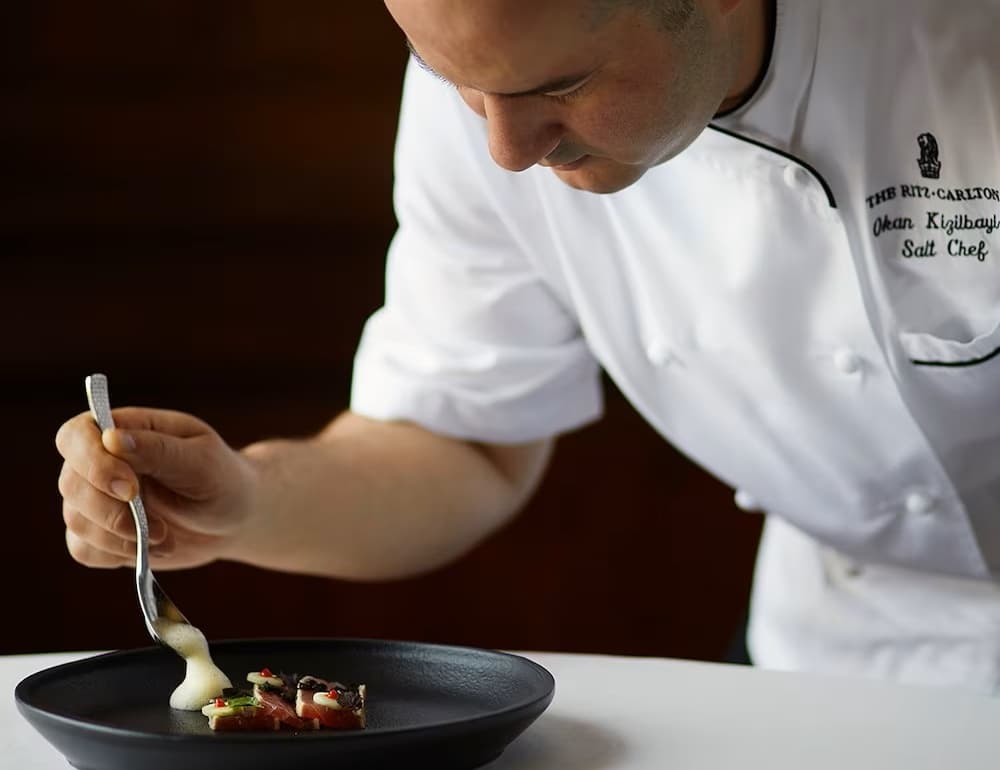
Salt at the Ritz Carlton Amelia Island
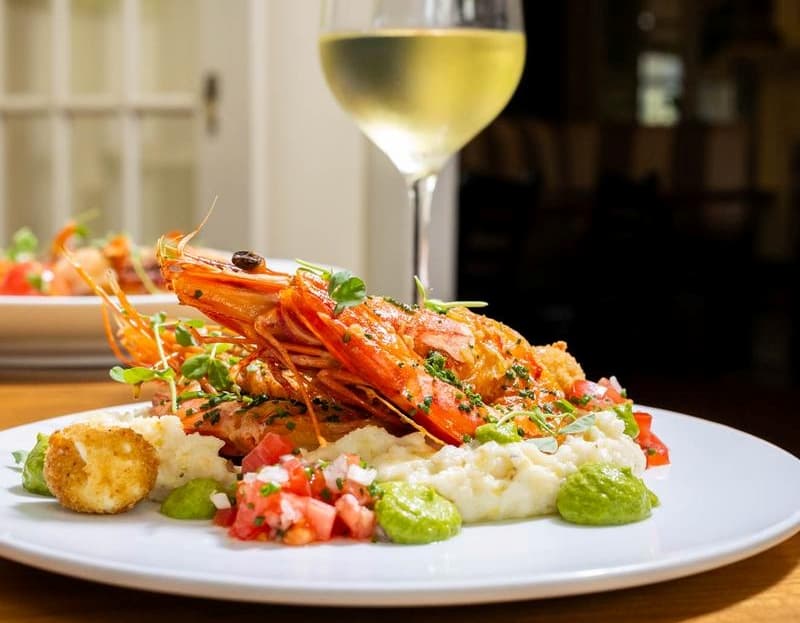
Burlingame's Fernadina Beach
Beyond the inn's immediate neighbourhood, Salt at the Ritz-Carlton offers a polished, ocean-facing fine-dining room overlooking the Atlantic, the kind of setting that makes an occasion feel justified, with the culinary ambition to back it up. And deeper into Fernandina, Burlingame is consistently among the most celebrated tables in town: contemporary American cooking with real ambition, in a room just lively enough that a reservation on any weekend evening is not optional. The wider dining scene is stronger than the island's size would suggest, more than seventy restaurants serving a community of 30,000, with local shrimp appearing on menus throughout as a reminder that this small town was, and in spirit still is, the birthplace of the modern American shrimping industry. Each year, Amelia Island Restaurant Week sharpens that focus, as kitchens across the island present fixed-price menus and seasonal specials that draw both locals and returning visitors into a more deliberate exploration of the island’s cooking. Eat well here. The island makes it easy.
Slow Travel , Just Right
Amelia Island lingers in the mind like the Spanish moss that drapes its ancient oaks. Quietly profound, it invites you to slow down and truly inhabit a place. Here, history breathes through porch swings and fort walls, while wild horses on distant shores remind you of untamed roots beneath refined surfaces. You’ll find in Amelia Island that those who live or vacation here have mastered the art of doing less, but better. An easy bike ride or sunset boat glide etches peace into your bones. Your time at Williams House, with Veronica's warmth and David's stories on plates, turns a holiday into a memory that pulls you back before you've even left. In a world sprinting toward the next thrill, Amelia Island reminds us that the richest journeys are the ones that we savor slowly.
Glenn Harris
Glenn Harris is an accomplished journalist focusing on luxury travel, fine dining, and exclusive lifestyle events. His wanderlust has taken him to over 128 countries where he constantly strays off the beaten path to uncover exotic locations, travel gems and exciting experiences to capture.