Chichele Presidential: Walking into the Wild in Zambia
The concept of walking on an African safari surrounded by wild animals carries a particular brand of madness for the uninitiated. It is the sudden, jarring removal of mental safety when you are no longer perched two metres above the ground, protected by distance, a sturdy seat, and the frame of a vehicle. This level of proximity to the African bush transforms it from beautiful scenery into something far more immediate, and frankly a bit too close for comfort. Every rustle in the tall grass and every snapping twig carries a new weight. It does not get any more up close and personal than this.
The Moment a Walking Safari Becomes Real
My journey into the heart of South Luangwa National Park began with my lead guide, Simossa. He is a man who appears to be a composite of a research biologist, a lifelong outdoorsman, and a decade of National Geographic documentaries wrapped into one. Following him was Johane, our second guide and scout. Johane is a slight man, perhaps weighing under one hundred pounds, yet he carries a .375 calibre rifle that seems nearly as large as he is. While that weapon is powerful enough to bring down an elephant or a lion, Simossa assured me that Johane has never had cause to use it. This fact provided a strange sense of comfort as we stepped into the wild.
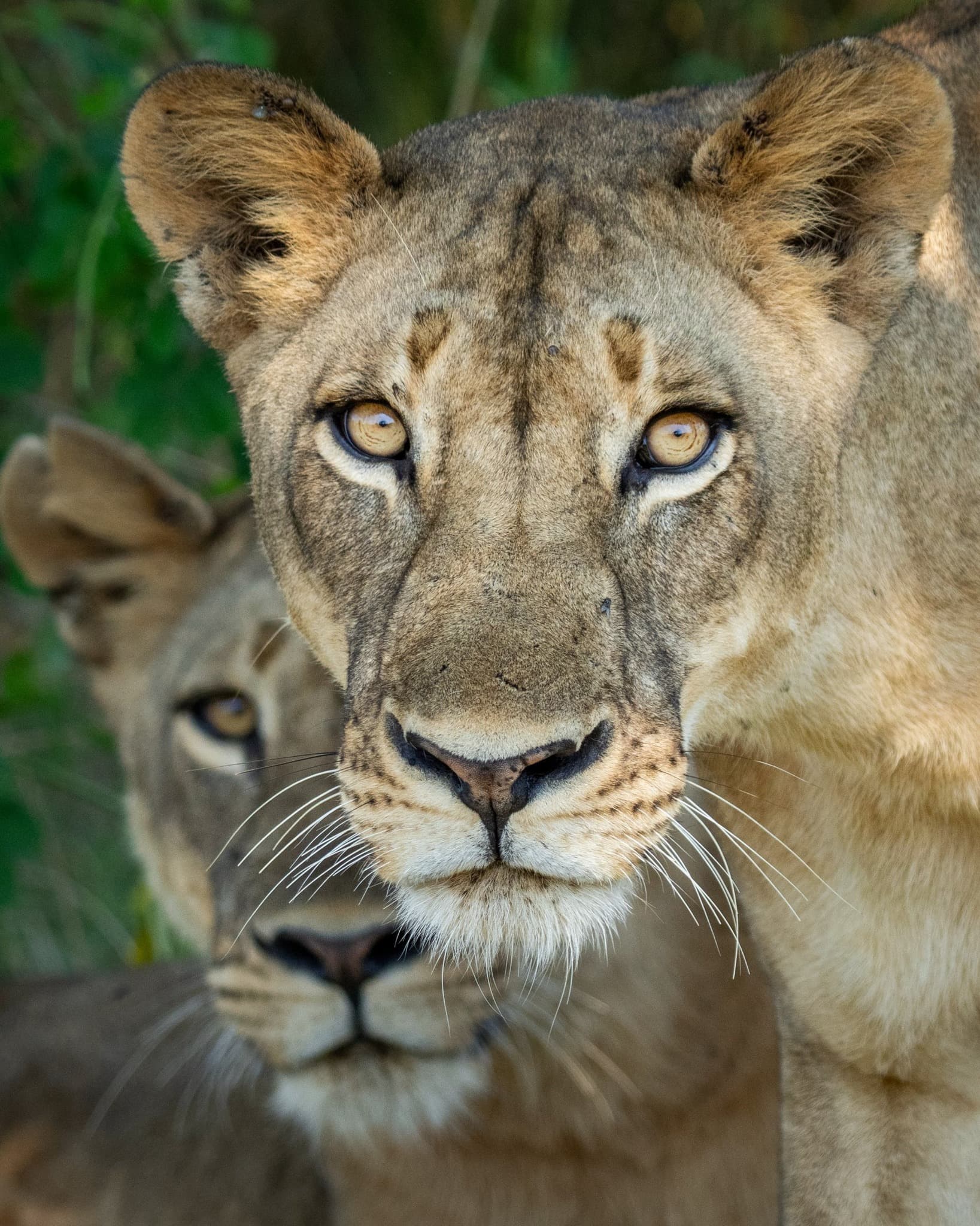
Just as Simossa began our orientation, the low and unmistakable roar of a lion vibrated through the air. It was a sound that felt as much like a physical sensation as an auditory one. The hair on the back of my neck stood up, a primitive response triggered by a cocktail of fear and intense excitement. I asked, my voice perhaps betraying a hint of timidity, if that was indeed a lion. Simossa nodded calmly and noted that it was about one hundred yards away. He then suggested we set off in that direction. And so we did.
This was the walking safari, and just one of the many memories I will always associate with my stay at Chichele Presidential in Zambia.

A Hilltop Lodge Overlooking One of Africa’s Last Great Wildlife Valleys
Zambia remains one of the final frontiers for the dedicated safari enthusiast. While the mass tourism of neighbouring regions can sometimes dilute the raw power of the African wilderness, the South Luangwa Valley has largely escaped that fate. It is still remarkably intact.
At the heart of this landscape, perched high above the floodplains, sits Chichele Presidential.
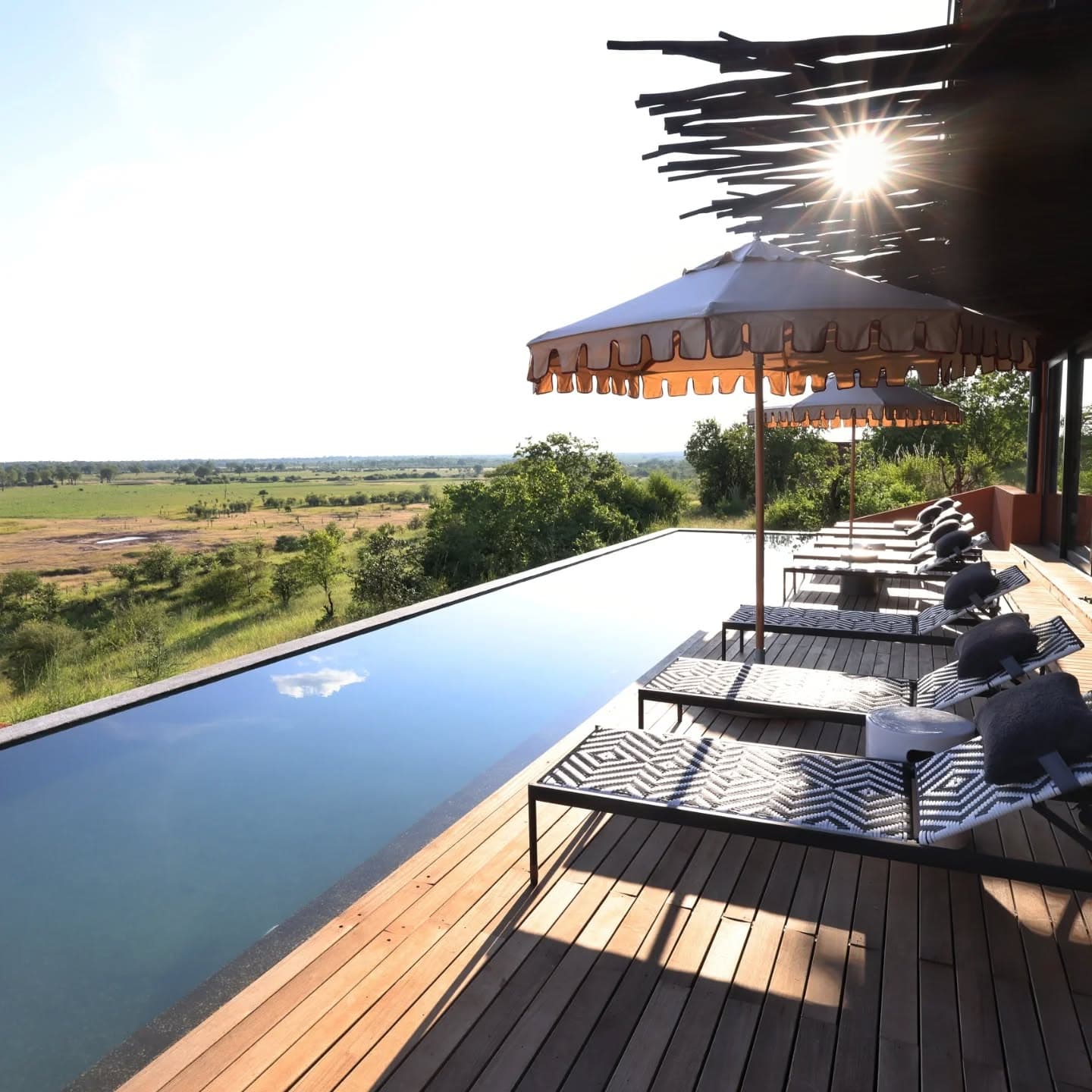
The lodge stands as a reminder of a different era of travel. Unlike the contemporary trend of minimalist canvas camps, Chichele is a grand manor house. It sits atop a prominent hill, an architectural rarity in a region where most safari camps sit close to the riverbanks. From this elevation the view stretches across the vast sweep of the South Luangwa valley floor.

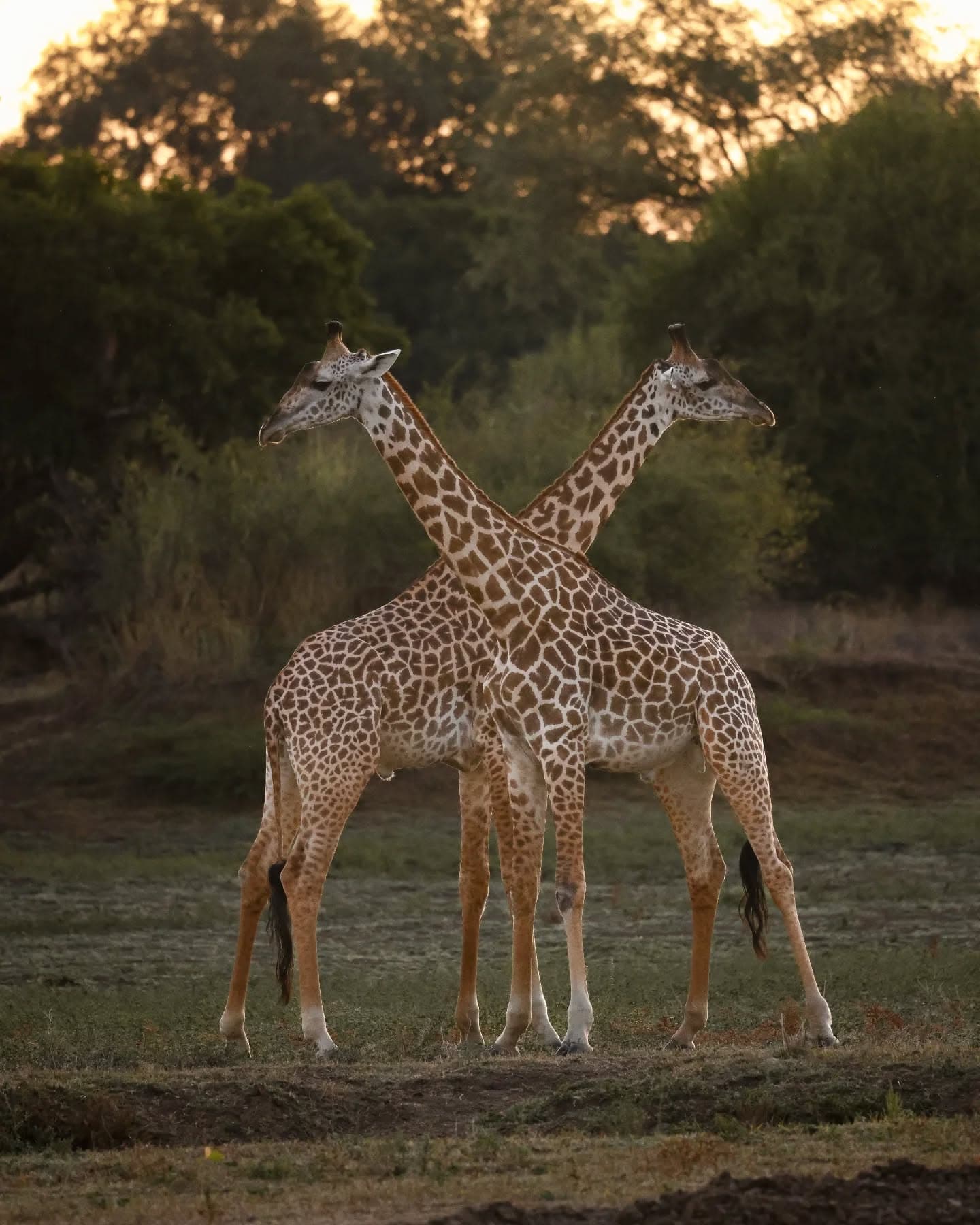
Herds move across the open savannah below. Graceful groups of impala bound through the grasslands with their distinctive leaping gait, their lyre shaped horns catching the sunlight. Puku graze in small groups near the riverbanks, their golden coats blending perfectly with the dry season grasses of the valley. Larger herds of waterbuck gather around lagoons and oxbow lakes, their heavy curved horns and white ringed rumps unmistakable even from a distance. In the far woodlands, the elegant Thornicroft giraffe moves slowly between acacia trees while zebra graze nearby. From this vantage point the park feels immense and alive.
South Luangwa National Park and the Birthplace of the Walking Safari
South Luangwa National Park is frequently cited by conservationists as one of Africa’s greatest wildlife sanctuaries. It is also the birthplace of the walking safari, a tradition pioneered in the 1950s that continues to define the Zambian safari experience.
The park covers more than nine thousand square kilometres of protected wilderness. At its centre runs the Luangwa River, the lifeblood of the valley. During the dry season the river shrinks into a series of channels and lagoons that attract enormous concentrations of wildlife.

South Luangwa is particularly famous for its leopard population. In many African reserves a leopard sighting is rare and fleeting. Here it is almost expected. The dense woodlands and riverine forests provide ideal habitat for these elusive predators.
The park is also home to several endemic subspecies that exist nowhere else on earth. The elegant Thornicroft's giraffe moves through the acacia woodland, easily recognised by its lighter patches and distinctive star shaped markings. The Crawshay's zebra is another regional specialty, notable for its narrow stripes that extend all the way to the hooves.

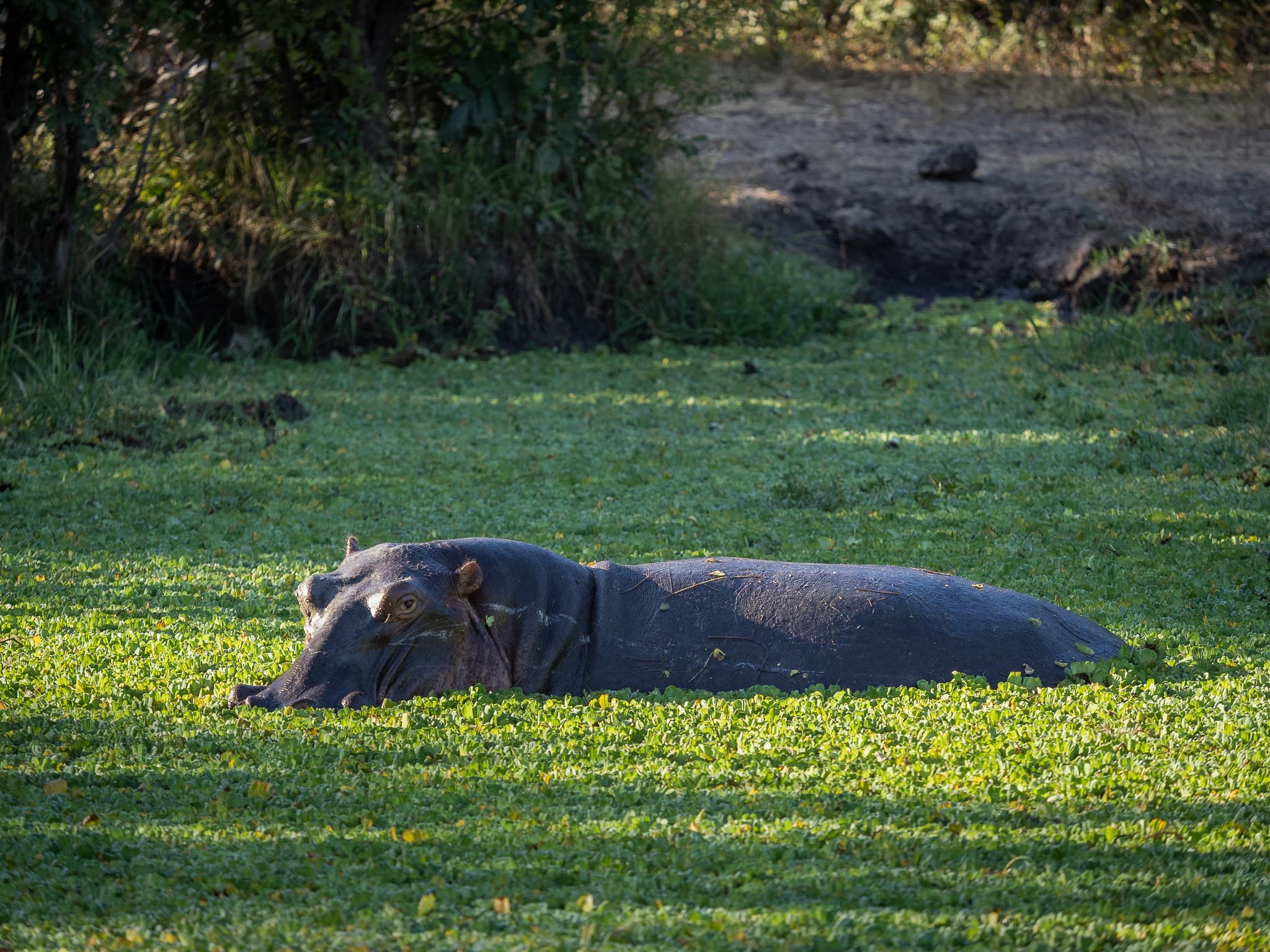
Birdlife is equally prolific, with more than four hundred recorded species including carmine bee eaters, saddle billed storks, and African fish eagles. Along the riverbanks thousands of Hippopotamus crowd into the remaining pools during the dry months, sharing the water with large populations of Nile crocodile. It creates a dramatic daily theatre of survival that unfolds across the valley floor.
A Presidential Retreat Built to Host World Leaders
The history of Chichele is closely tied to the birth of modern Zambia. In the early 1970s the country’s first president, Dr. Kenneth Kaunda, sought a location that could serve as both a personal retreat and a place to host visiting heads of state. He selected this hilltop for a simple reason. The view from here was the finest in the country.
Kaunda was also deeply committed to conservation. By establishing his presidential lodge here he effectively protected the surrounding landscape from development and hunting. The area soon became formally integrated into the protected territory of South Luangwa National Park.

Over the years the lodge welcomed an extraordinary list of dignitaries and diplomats. Among the most notable guests were Queen Elizabeth II, who visited Zambia during her Commonwealth tours, and regional leaders engaged in diplomatic discussions during the era of African independence movements. Figures connected with liberation movements and international diplomacy also passed through these rooms during the 1970s and 1980s as the political future of southern Africa was debated.
Even today the building retains a certain gravitas. Staying here carries the quiet awareness that decisions affecting the future of the region once unfolded in these rooms.

Safari Chic Interiors Inside Zambia’s Former Presidential Lodge
The property underwent extensive reconstruction and reopened in 2025 . The result honours the original spirit of the lodge while bringing it firmly into the expectations of modern luxury travel.
The atmosphere recalls a refined safari residence rather than a contemporary design hotel. You will not find canvas tents and compost toilets here. Instead the lodge feels like a private hilltop manor overlooking the wilderness.

Dark teak furniture, polished stone floors, and brass accents appear throughout the interiors. The aesthetic avoids sterile minimalism. Instead the spaces feel tactile and grounded, with leather armchairs, woven rugs, and richly layered textiles. Archival photographs and historical artefacts appear throughout the public rooms, quietly telling the story of the valley and the lodge’s presidential past.
Ten Vista Suites Suspended Above the Luangwa Valley 
The retreat contains ten air conditioned Vista Suites arranged along the hillside overlooking the park. Their placement below the main lodge provides privacy while keeping the sweeping savannah panorama constantly in view.
Inside, the design is visually confident. The interiors do not shy away from colour or pattern. Terracotta reds, deep ochres, charcoal tones, and copper accents appear throughout the rooms, paired with sculptural furniture and textured fabrics. The palette reflects the minerals and shifting light of the Luangwa Valley rather than the pale neutrality common in many safari lodges.

An entire wall of floor to ceiling sliding glass opens the suites toward the landscape, offering expansive morning views directly from the bed. Bathrooms continue the sense of openness with deep soaking tubs positioned to face the valley and generous indoor and outdoor showers.
Beyond the glass wall each suite opens onto a large private terrace designed as an outdoor living area. Seating and loungers create space for long afternoons outside, often with wildlife visible far below. At the centre of each terrace sits a private plunge pool. From the water the valley spreads out in a vast sweep of woodland and floodplain with no other buildings in sight.
Bush Dining From Terrace Breakfasts to Pancakes in the Wild
Dining at Chichele is both polished and personal. The culinary team focuses on ingredients sourced from local Zambian producers whenever possible. It is a philosophy that supports surrounding communities while ensuring freshness.

Breakfast often unfolds on the terrace as the morning mist lifts from the valley floor. Lunch tends to be lighter, frequently served outdoors with fresh salads, grilled meats, and seasonal vegetables. Dinner is a more formal occasion. Tables are set with crisp linens and silver service in keeping with the lodge’s presidential history. On some evenings a traditional boma dinner is held outside, where guests gather around a fire to enjoy regional dishes beneath a canopy of stars.

One of the most memorable surprises arrived during a morning game drive. We had spent hours moving through the bush, encountering giraffes feeding in the trees and watching an enormous pod of more than one hundred hippos packed into a bend of the Luangwa River. As the vehicle began the return journey toward the lodge we entered a small clearing beneath a broad acacia tree.
Waiting for us there was a full bush breakfast.
The staff had quietly driven ahead and transformed the clearing into an outdoor dining room. A long table was set with fresh fruit, pastries, and coffee. Nearby a small cooking station had been arranged where pancakes were prepared to order on a cast iron griddle. Guests could choose toppings of strawberries, blueberries, honey, or warm chocolate. The scent of coffee drifted through the air while birds moved through the trees above us.

Standing there in the middle of the African bush eating fresh pancakes while antelope grazed in the distance felt wonderfully surreal. It was thoughtful, generous, and utterly unexpected.
Tracking Predators and Wildlife on Safari in South Luangwa
The true draw of South Luangwa remains the wildlife encounters.
Tracking animals on foot creates a different level of engagement with the landscape. The guides read the ground with extraordinary skill. A faint indentation in the dust might reveal where a lion passed during the night. Broken branches could indicate elephants feeding nearby.

Most of the wildlife viewing, however, takes place during traditional game drives conducted in specialised open safari vehicles. These research style jeeps are designed for the terrain of the Luangwa Valley, with raised seating, open sides, and reinforced suspension that allows guides to move quietly through woodland tracks and riverbanks while maintaining a clear vantage point over the surrounding bush. The vehicles allow the guides and trackers to cover large distances while still observing subtle movements across the landscape.
During one such drive we located a leopard resting high in a tree. The cat stretched across a thick branch, its belly clearly full from a recent kill. The guides recognised the animal immediately. They had followed its movements for years and could trace its life from birth through adulthood. Knowing its territory, habits, and even family lineage allowed them to interpret the scene with remarkable precision as we watched the young predator resting in the afternoon heat.
Seeing such a creature in the wild carries a powerful sense of privilege. The experience is not about chasing sightings or ticking animals off a list. Instead it is about witnessing the complexity of a living ecosystem where predator and prey continue an ancient pattern that long predates modern tourism.

A Safari Experience That Still Feels Like Africa Once Was
In an era shaped by social media and constant travel imagery, even the African safari has changed. In some well known parks it is not unusual to see long rows of vehicles gathered around a single animal sighting, engines idling while visitors compete for photographs of the Big Five, the collective name for lion, leopard, elephant, rhinoceros, and Cape buffalo.
South Luangwa still offers something different.
Here the landscape remains expansive and quiet. Wildlife encounters unfold without crowds of vehicles pressing in from every direction. The experience feels closer to what the earliest safari travellers must have known.

From its hilltop position above the valley, Chichele Presidential offers a remarkable vantage point over this wilderness. The savannah stretches outward in every direction, and the movement of animals continues largely unchanged.
This is Zambia.
Chichele Presidential is a proud member of the Zambia Luxury Lodge Collection, and further details regarding its storied heritage and modern amenities can be found on its official website.
Glenn Harris
Glenn Harris is an accomplished journalist focusing on luxury travel, fine dining, and exclusive lifestyle events. His wanderlust has taken him to over 128 countries where he constantly strays off the beaten path to uncover exotic locations, travel gems and exciting experiences to capture.