Amelia Island Florida Travel Guide, Bed and Breakfasts, Ritz-Carlton, Historic Fernandina Beach
Florida is one of the world’s most popular travel destinations and with good reason. Most will instantly think of Orlando and Disney World, gargantuan manmade theme parks with mass tourism by the hordes. Others will think of its beaches, South Beach in particular, with sun, sand, micro bikinis and a party scene that does not end until dawn.

But there’s another Florida, one that more resembles Andy Griffin’s Mayberry than it does Miami Vice. Here, the air carries salt and pine, and the roads dip under moss-draped live oaks. A place to slow down, calm down, and come down for southern hospitality, rich history, and yes, some beautiful beaches and scenery of its own. This is what you’ll find in Florida’s most northern beachfront, Amelia Island.
Deremer Studios Jacksonville Commercial Photography - www.deremerstudios.com
Historic Fernandina Beach, Amelia Island
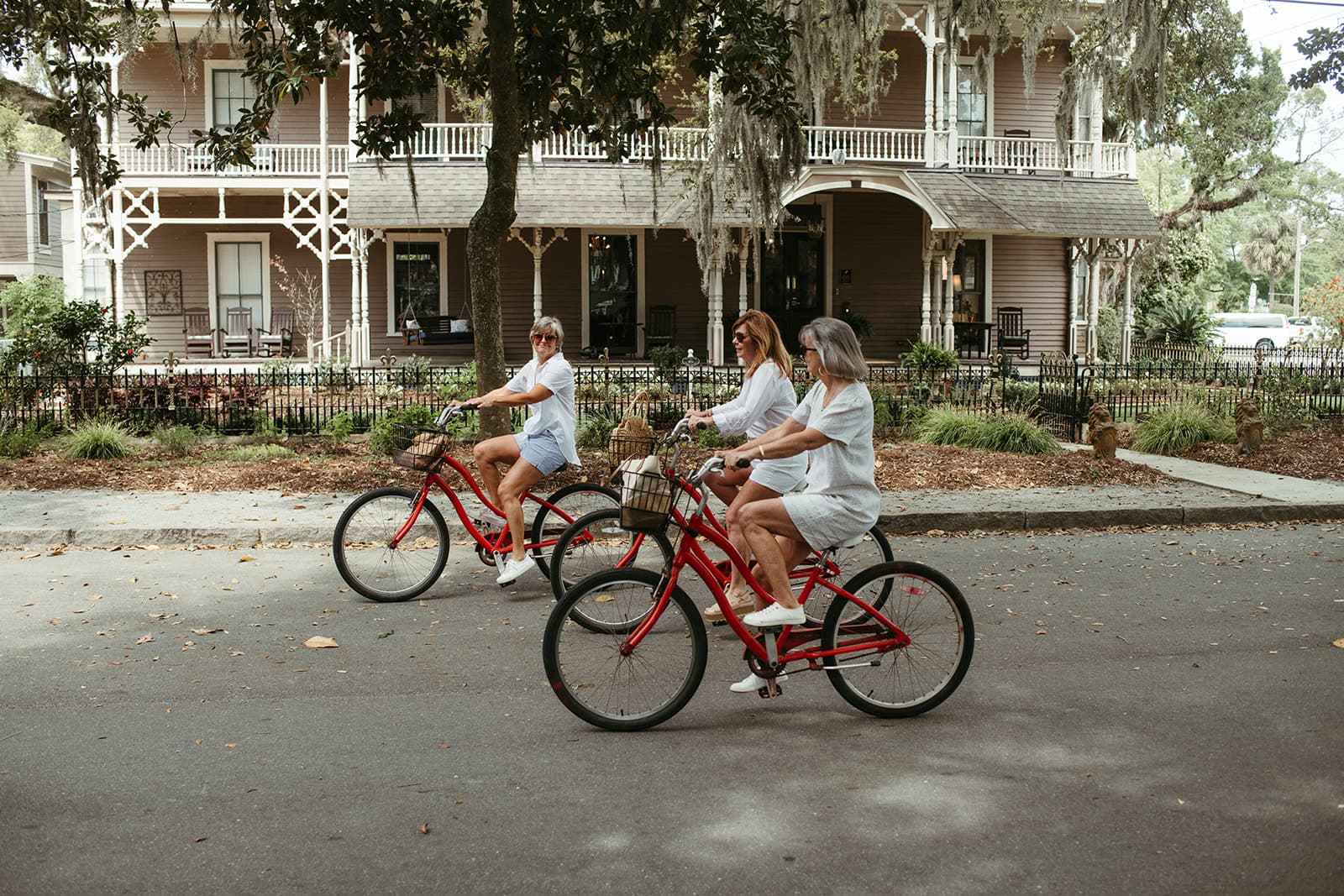
You sense it first in Fernandina Beach, the island’s historic downtown. The buildings, many dating back to the mid-19th century, showing signs of their historic past. Amelia Island is a town that ages gracefully, proud of its character and its wrinkles, rather than facelifting and tummy tucking into something else. Italianate storefronts sit beside Queen Anne homes, and the side streets are made for walks at dusk, bike riding where you’ll see more golf carts than limos. Antiques are still sold by owners who
And the monthly farmer’s market is the place to go to pick up local crafts, watercolor paintings .of the Spanish moss–draped oaks, or preserves made by your neighbour up the street. It’s a town where porches still function as places to gather where people just sit and talk or wave to neighbours and to pass the time with an iced tea.
Amelia Island Beaches and Shoreline
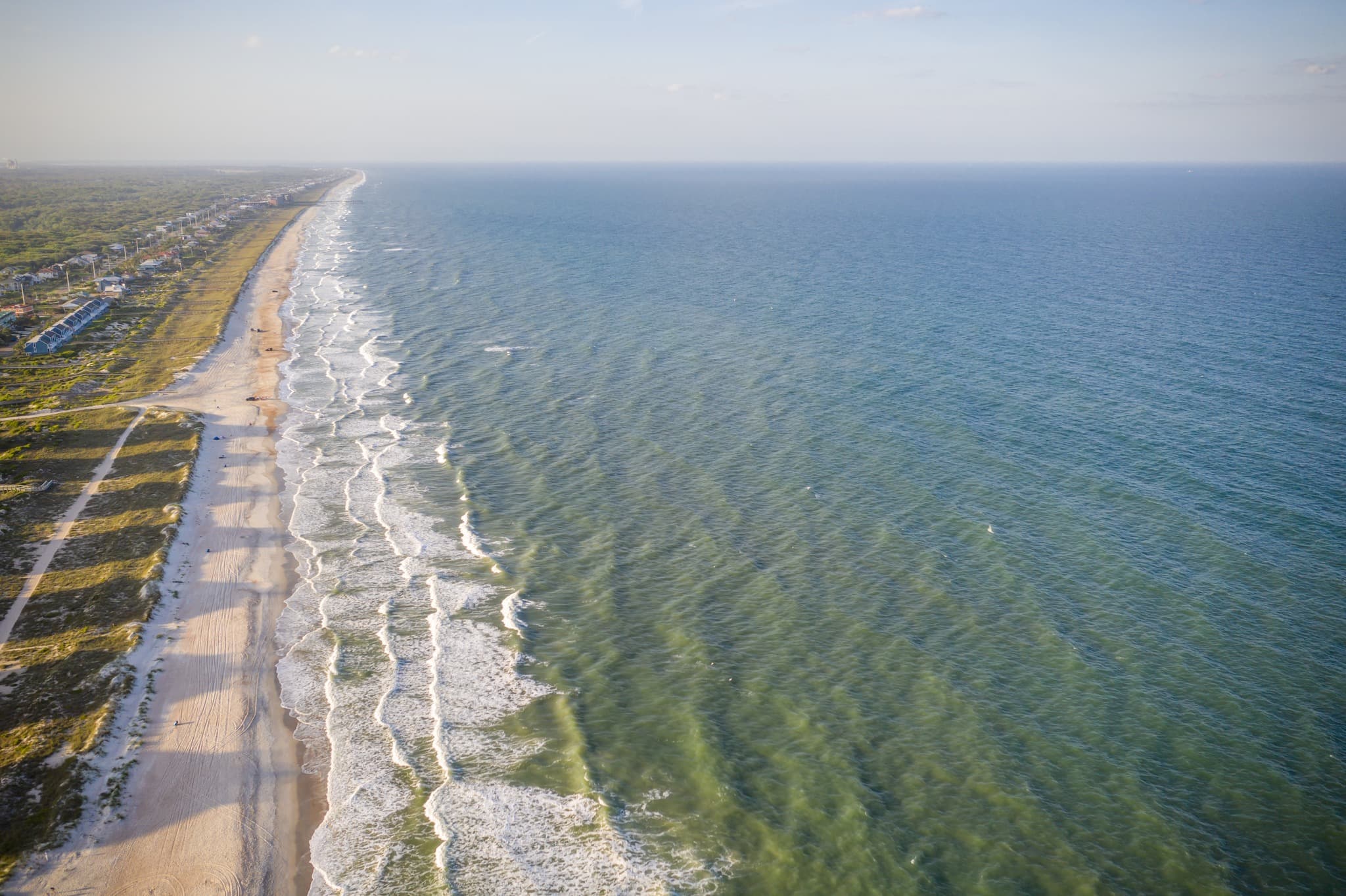
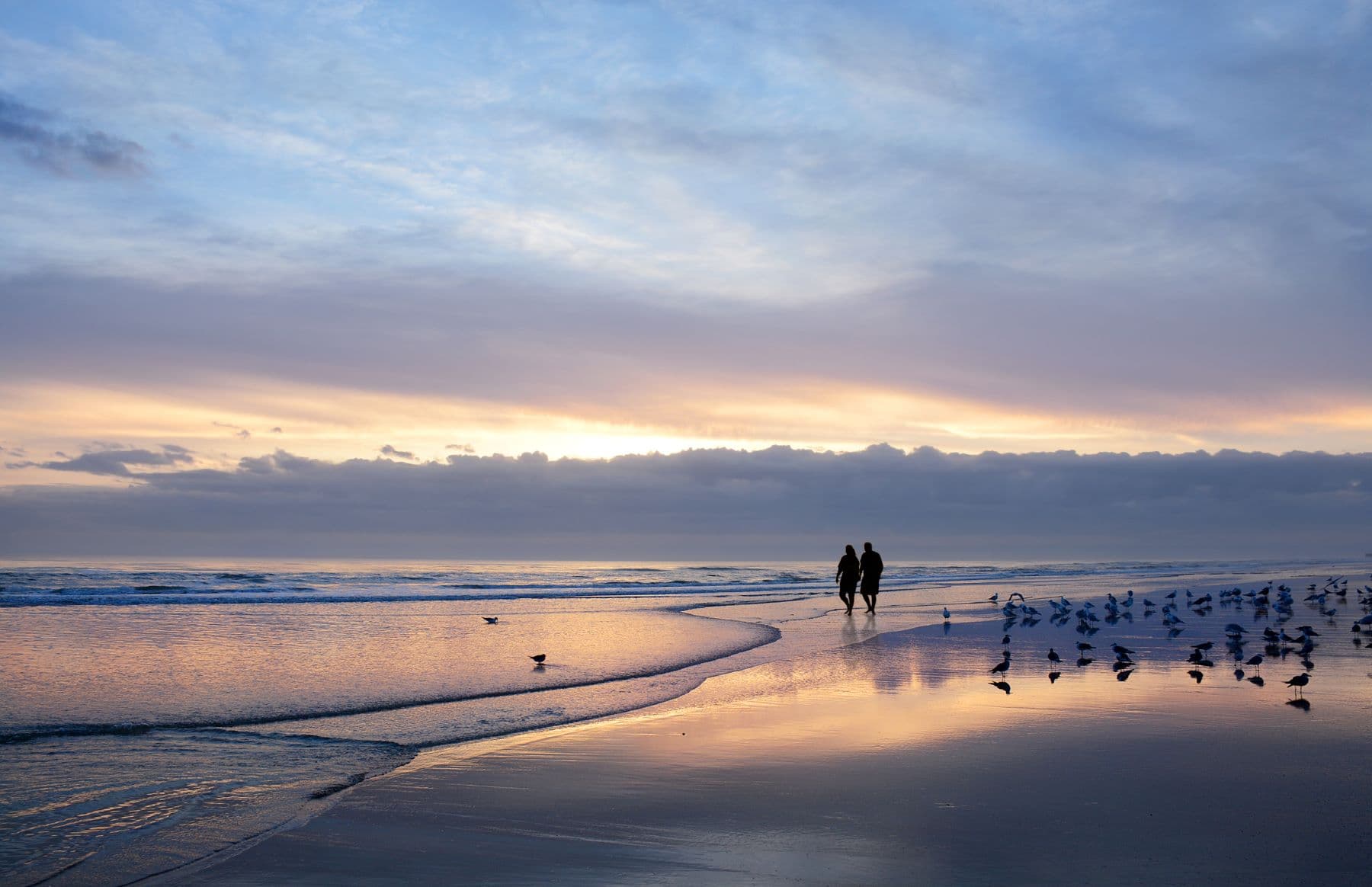
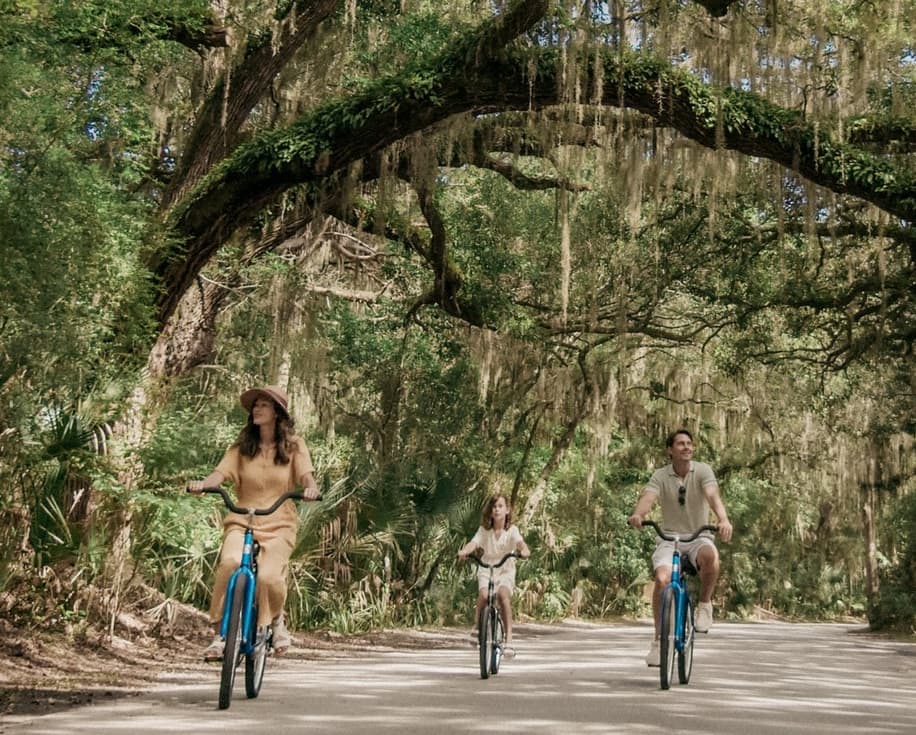
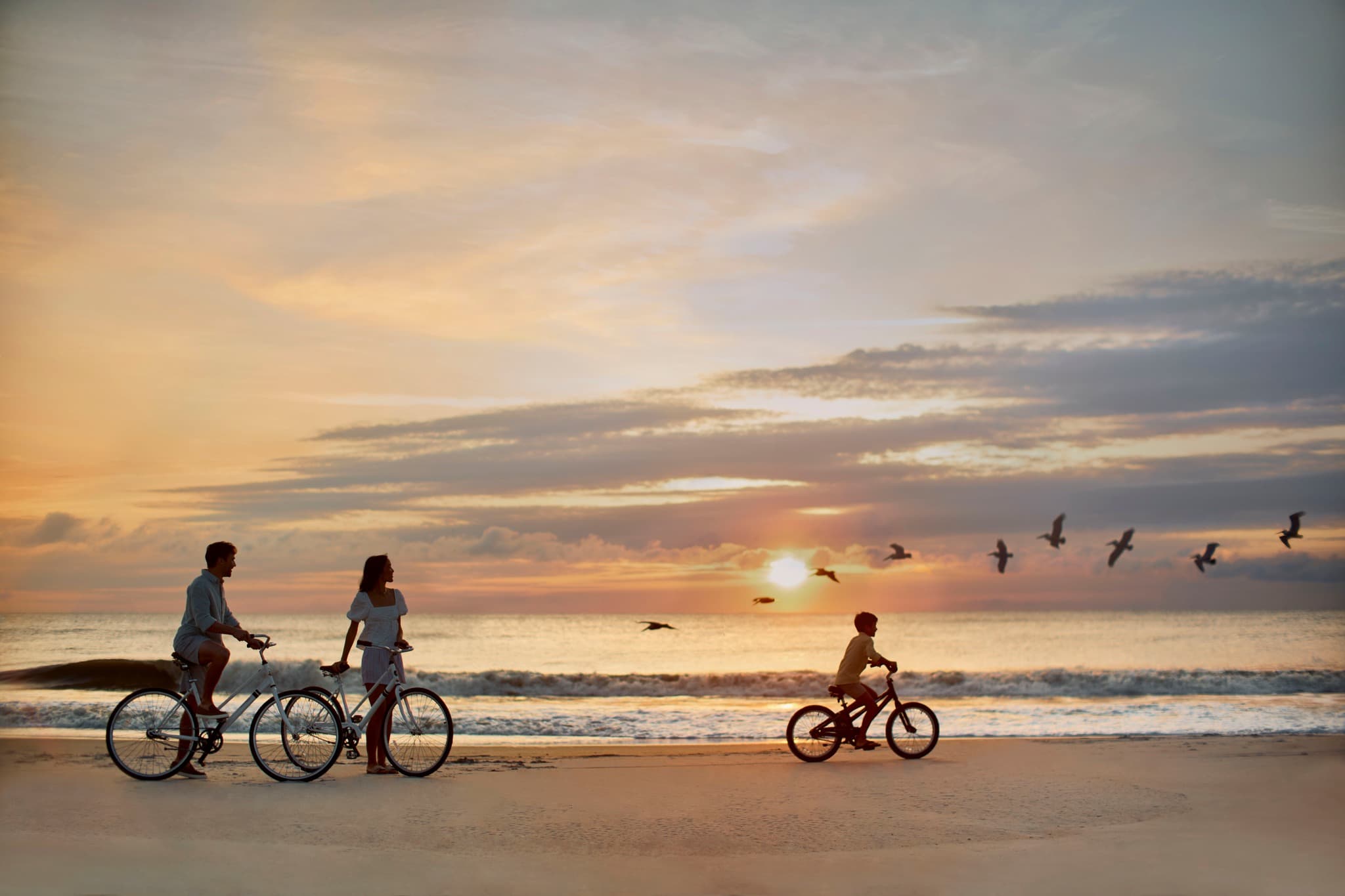
Amelia Island stretches thirteen miles along Florida’s northeast coast, and it is one of the few places in the state where development has not swallowed the coastline whole. Dunes and sea oats frame the beach, interrupted only by discreet boardwalks. On a morning walk, you can go for miles without seeing another person, only shorebirds, fossilized shark teeth, and footprints that the surf erases as quickly as they appear. Inland, narrow lanes lead cyclists past shaded cafés, independent shops, and the faint outlines of old forts, while live oaks form a green tunnel overhead.

A History Written in Flags and Footsteps
Amelia Island has a history that feels almost improbable. It changed hands more times than any other territory in North America, a small piece of land moved around by empires. Eight flags have flown here, each leaving behind fragments of language, customs, architecture, and scars.
The British chapter is the one that still feels most visible, not because it lasted long, but because its influence was structural. In 1763, Florida became British through the Treaty of Paris, and the island was renamed Egmont. Plantations appeared, and settlers brought Georgian order to the coastline. That era lasted only two decades, yet its footprint remains in the layout of Fernandina Beach and in the town’s quiet sense of order. By 1783, Florida returned to Spanish control, and Amelia Island moved into a new phase of smuggling and shifting allegiances. Today, the island feels calm. It has been cultivated without being polished and reinvented into something it is not.
Best B&Bs in Amelia Island, Florida
Around town you’ll find plenty of places to stay, though it does seem to fill up on major holidays. Many visitors choose a bed and breakfast for the way it sets the tone of a stay, especially in historic Fernandina Beach where these inns are often former mansions built by prosperous 19th century residents who wintered here or established businesses tied to the port and rail lines. Choosing a B&B means waking not to a buffet or grab-and-go, but to a breakfast that is brewed and prepared with intention, served at a proper table and often reflecting the season’s best local produce rather than a standard hotel spread. At places such as The Addison on Amelia Island and Hoyt House Bed & Breakfast the experience revolves around hospitality that feels personal, where hosts know the rhythms of the island and will suggest where to walk, which galleries are worth your time, and how best to start the day.

The Williams House feels less like checking into hotel and more like staying in a refined boarding house of yesteryear but for the very very well to do. The current owner, Veronica, is an architect from New York who fell for Amelia Island as an antidote to the city’s pace and understood instinctively why others would want the same, even if only for a long weekend. She is very much a present and caring innkeeper, someone who sees her role as looking after guests properly. Advice is offered with ease, when to wander the town, when the light is best on Centre Street, when it is worth doing nothing at all.

She helps with dinner reservations, often calling restaurant owners she knows personally, and gently steers guests toward places that suit their mood. The house itself reflects that sensibility, with wide rooms, tall windows, and a chill vibe where guest feel well looked after. Contemporary artwork is placed throughout the house, chosen to sit comfortably with the original architecture so the spaces feel lived in and thoughtful rather than decorative.
The Ritz-Carlton Amelia Island Resort
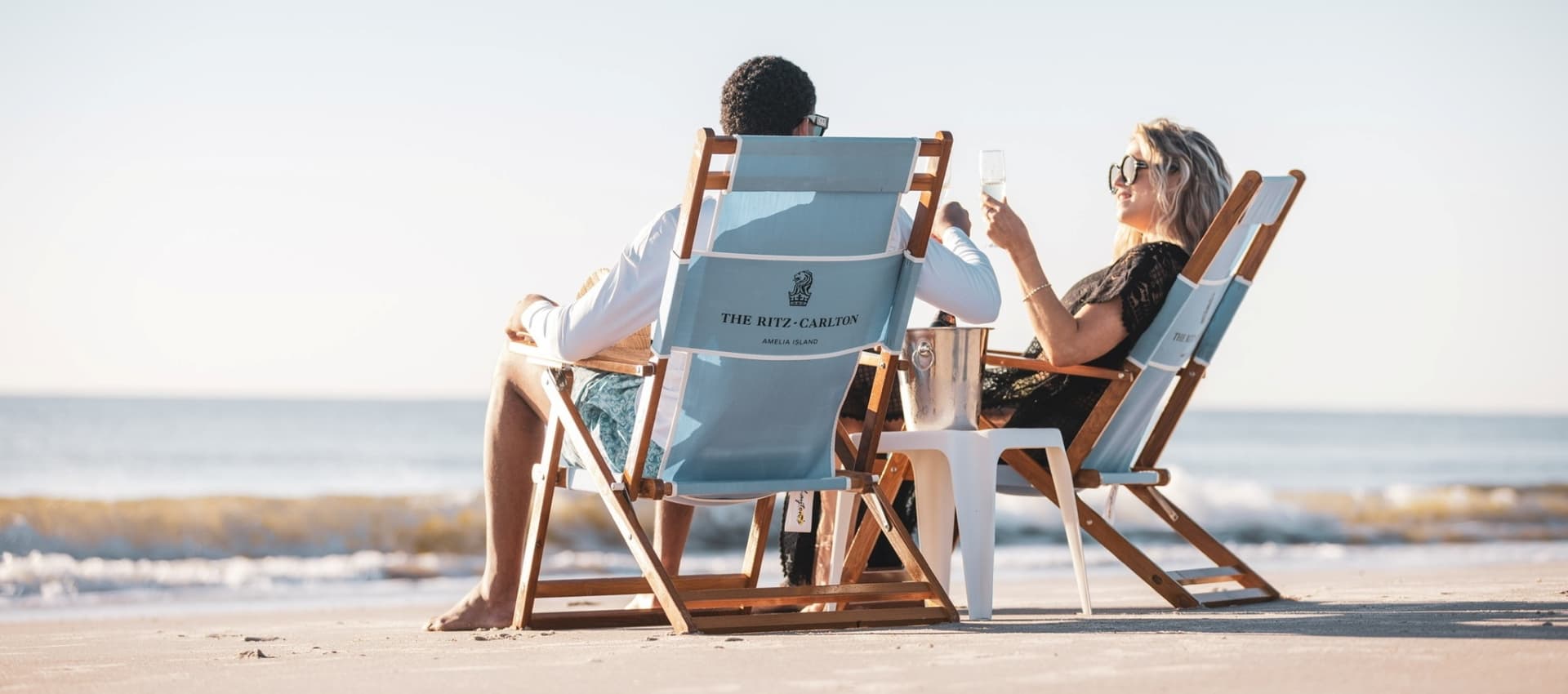
For those looking for one of the area’s most celebrated full-service resorts, The Ritz-Carlton, Amelia Island is a stand out. This AAA Five Diamond resort sits low along the shoreline, its long form echoing the dunes. The drive leads you to a wide porte-cochère, and the entrance feels more like arriving at a coastal home than a resort. Inside, the palette stays muted, with dove greys, sea-glass blues, and bleached woods, and the public spaces are arranged for comfort rather than show. The lobby opens toward the ocean, with clear sightlines that make the view feel like part of the room rather than a backdrop.
Guest rooms follow the same logic. Each of the 446 rooms has a private balcony or terrace, most looking out to the Atlantic or the inland marsh. The recent refresh is evident in softened edges, updated lighting, pale oak floors, and crisp cotton bedding. Bathrooms are marble, with rainfall showers and deep soaking tubs, and the details feel considered rather than flashy. Club Level rooms add a quieter layer of privilege, with lounge access, curated culinary offerings throughout the day, and a dedicated concierge who can help shape a stay without turning it into a schedule.

Dining is where the resort’s confidence shows most clearly. Salt, the flagship restaurant, builds its menu around regional ingredients, using finishing salts as a framing device rather than a gimmick. The lobster bisque, aged in barrels and poured tableside, is one of those dishes where the care is immediately obvious. The heritage pork with smoked black garlic is another standout, balanced and precise. Wine service is low key, with an emphasis on Old World pairings that match the food without drawing attention to itself. Coast, the oceanfront all-day restaurant, offers a more relaxed version of the same approach, with dishes like citrus-cured flounder and Carolina gold risotto that feel grounded in place. Tidewater Grill, tucked near the lobby, shifts the mood with darker woods and a clubby atmosphere, while Coquina, poolside and breezy, brings in Latin flavours with ceviche and chilled gazpacho. In the evenings, the Lobby Bar becomes the island’s informal living room, where drinks arrive with ease and the space feels built for conversation rather than performance.
The spa is one of the region’s most accomplished. At 25,000 square feet, it feels separate from the resort’s pace. The lighting is low, the materials are natural, and the treatments lean into the local environment, using Atlantic sea algae, native honeysuckle, and Himalayan salt. The signature Heaven in a Hammock massage is a quiet highlight, a way to slow down rather than a novelty.

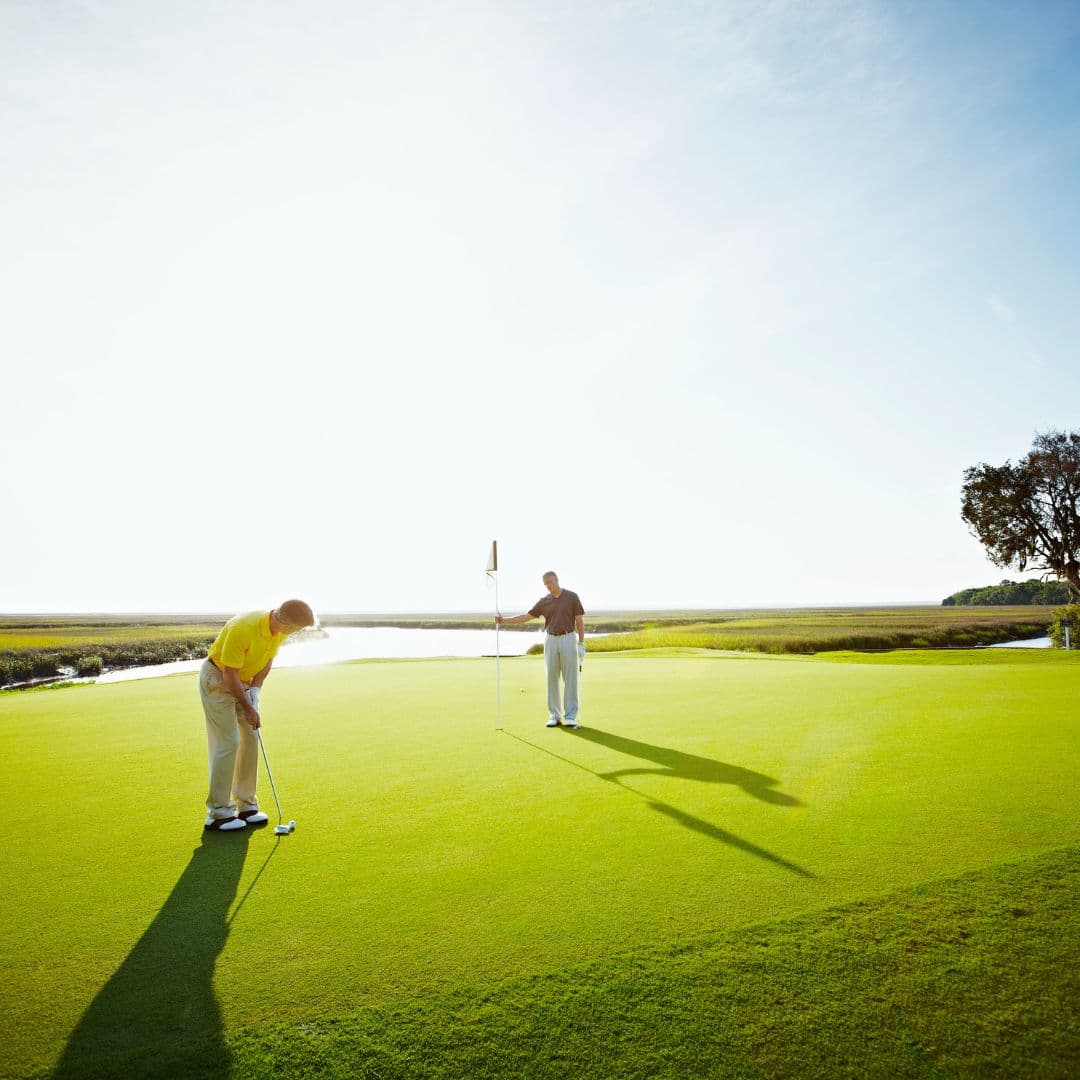
Inland, the golf course offers a different kind of calm. Designed by Mark McCumber and Gene Littler, it does not call attention to itself. The par-72 layout winds through maritime forest and salt marsh, with strategic bunkers and coastal winds that change without warning. It is a course for observation, for patience, for noticing how the light falls on the rough. The tennis courts follow the same principle. The Har-Tru clay courts are shaded, quiet, and rarely crowded.
Beyond the resort’s borders, the island’s nature takes over. Trails wind through maritime forest and along the marsh, some paved and easy to navigate, others narrowing into sand and pine needles. Armadillos scurry, hawks circle, and the landscape feels lived in rather than staged. The trails do not demand anything from you, they simply offer moments. Birdsong. Still water. Filtered light.
Amelia Island: Another Kind of Florida
Amelia Island offers a version of Florida where its beaches remain broad and unspoiled, and its hospitality feels personal rather than manufactured. Whether you choose a historic bed and breakfast in Fernandina Beach or a full-service resort, the island rewards a slower pace and a clearer view of what the coast once was.
A holiday in Amelia Island is not about packing in attractions or chasing the next spectacle. It is about arriving somewhere that allows you to loosen your schedule, and to experience a place that has kept its identity even as the rest of Florida has changed around it. Here, the point is not to be seen, but to be taken care of, to wander, to listen, and to return home with something that feels genuinely different.

Glenn Harris
Glenn Harris is an accomplished journalist focusing on luxury travel, fine dining, and exclusive lifestyle events. His wanderlust has taken him to over 128 countries where he constantly strays off the beaten path to uncover exotic locations, travel gems and exciting experiences to capture.
Read More
Lamu, Kenya: Low-Key Luxury on the Swahili Coast
Spain Cruise Review: Windstar Cruises Star Legend the Luxury Midsize Cruiseship

Inside Pabidi Lodge, Uganda's New Luxury Base for Budongo Forest Chimpanzee Safaris