Lamu, Kenya: Low-Key Luxury on the Swahili Coast
There are some places that seem to exist outside of time, where the rhythms of daily life have changed little for centuries, and where luxury is measured not by excess but by space, silence and solitude. Lamu, on Kenya’s northern coast, is one of those places.
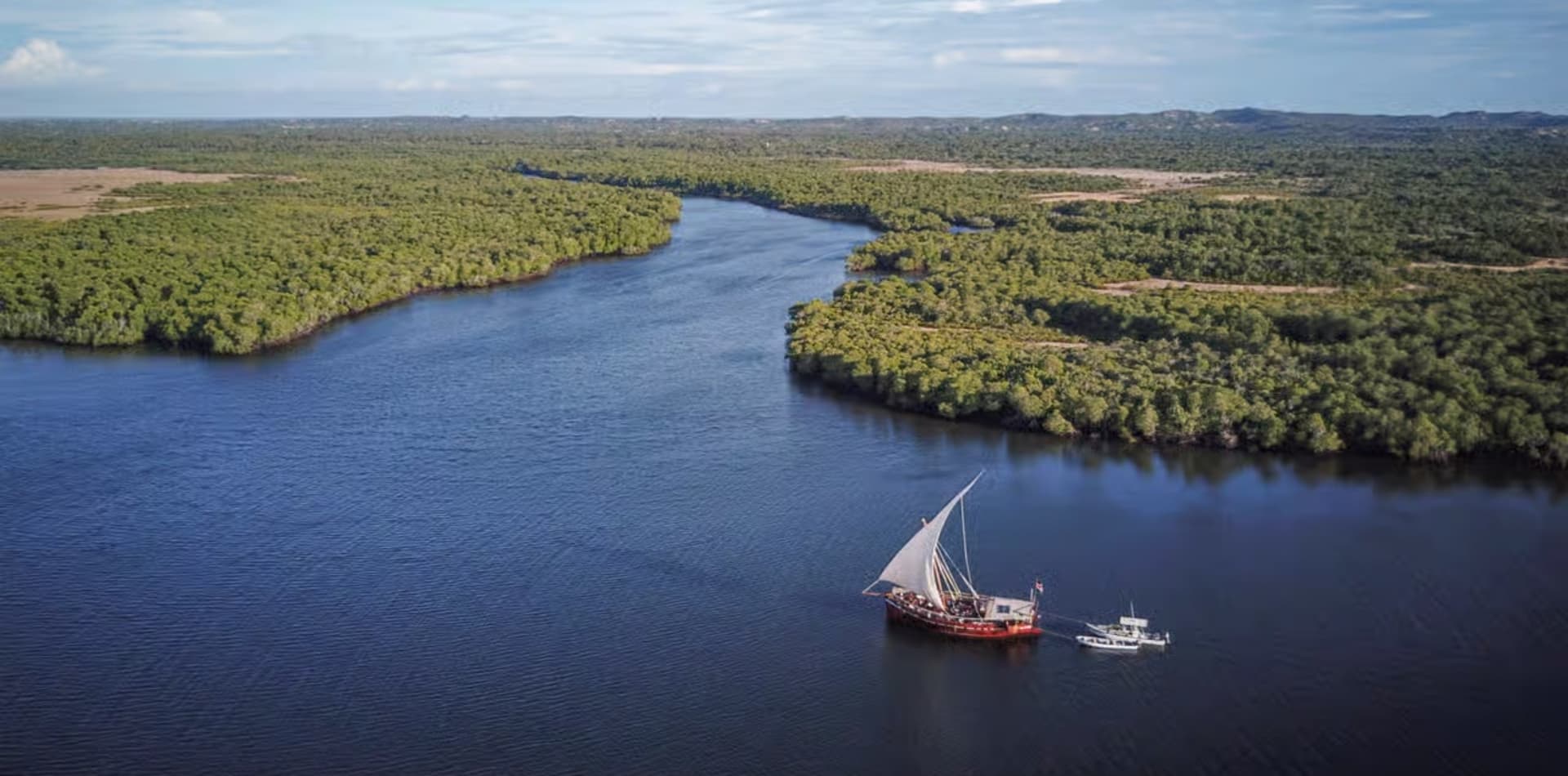
Approaching the archipelago by air, the first impression is of water and sand - winding channels, mangrove forests, dhow sails catching the wind and islands fringed with dazzling white beaches. Yet the story of Lamu begins long before the arrival of modern travellers. This is one of East Africa’s oldest continuously inhabited settlements and one of the most important centres of Swahili culture. For centuries, traders from Arabia, Persia, India and beyond crossed the Indian Ocean, exchanging spices, textiles, ivory and ideas along this coast. The result was a unique Swahili civilisation, one that blends African, Arab and Asian influences into a distinctive language, architecture, cuisine and way of life.
Lamu Town and the Story of Swahili Culture
Lamu Town, a UNESCO World Heritage Site, is the best-preserved Swahili settlement in East Africa. Its narrow alleyways, intricately carved wooden doors and coral-stone houses tell of wealth generated by maritime trade. Walking through the town today, it is easy to imagine the bustle of merchants and sailors who once made this a thriving commercial hub. Yet despite this rich history, Lamu has somehow escaped the overdevelopment that has transformed many coastal destinations. There are no traffic jams, because there are virtually no cars. Donkeys remain the primary means of transport on the island, while dhows continue to glide across the channels, much as they have for generations.
The Cabanas, Kizingoni Beach
But my introduction to Lamu was not through its historic streets and bustling waterfront, but through its more remote and wild side. After landing and walking the short distance from the airport to the dock, I jumped aboard a boat that would carry me along the wide channel that cut through the mangroves, past the rugged edges of Lamu Island, all the way to Kizingoni Beach. Here, on the island’s south-western shore, a spectacular sweep of sand waited. Tucked into the palms and dunes was The Cabanas.

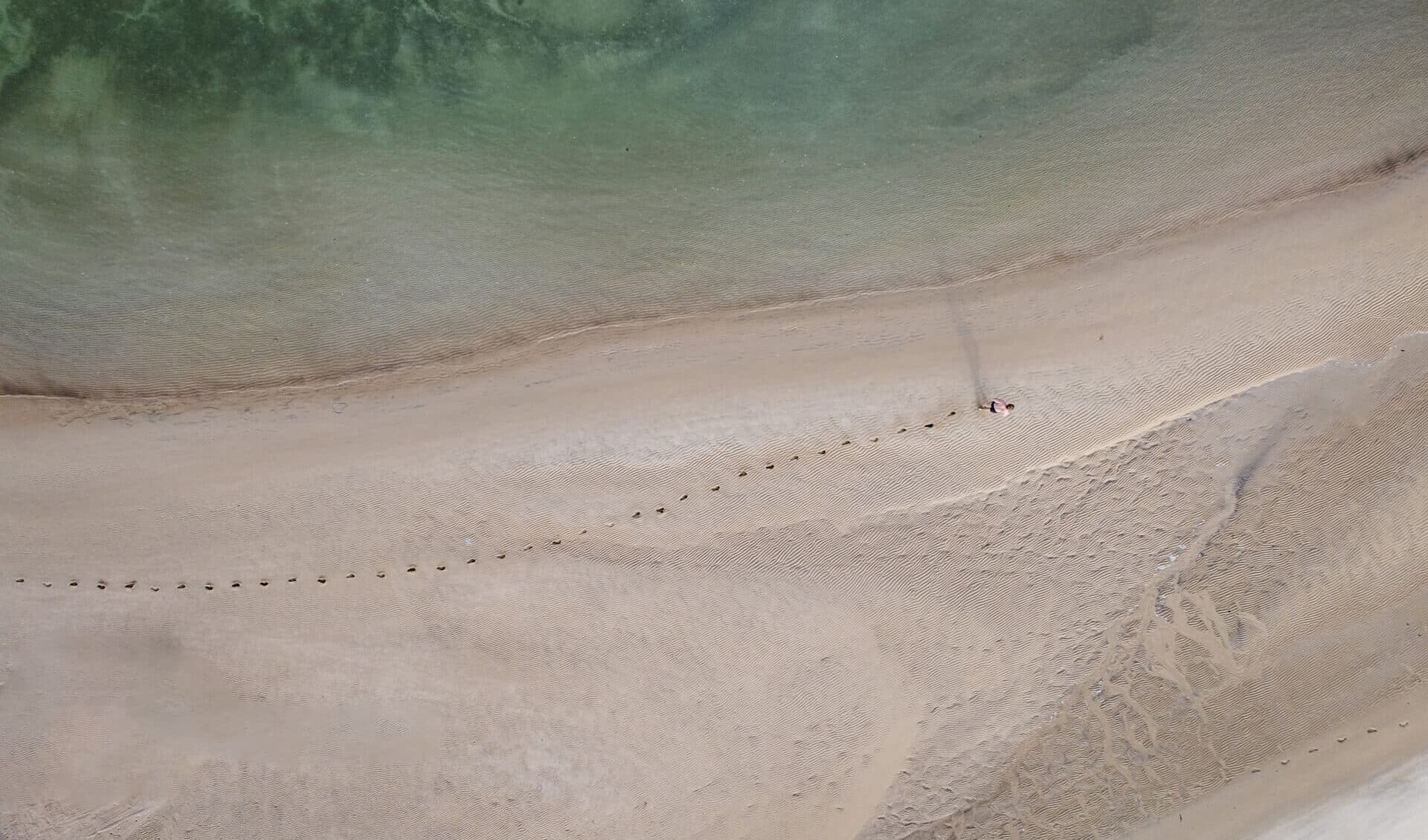
Kizingoni feels wonderfully remote. The beach stretches for miles, usually without another soul in sight, and the ocean dominates every view. There’s just a handful of rooms at The Cabanas, each positioned to maximise privacy and connect with the natural surroundings. What is perhaps most impressive here, is the commitment to sustainability: solar power, careful water management and locally sourced building materials all contribute to a place that respects the fragile ecology of the island.x
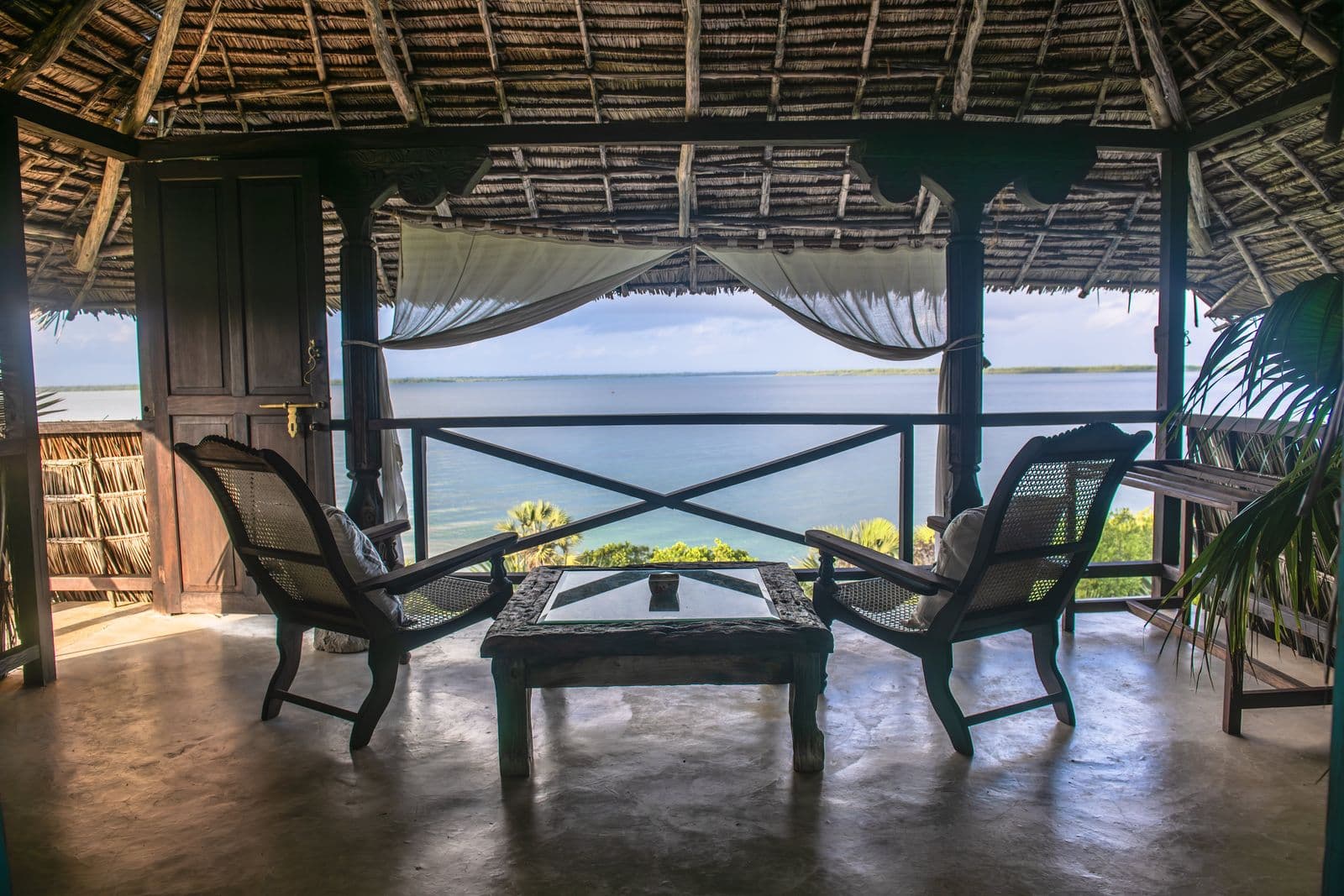
The backstory behind The Cabanas is a special one. When the late Leslie Duckworth, mother of current owner Anna Campbell, first acquired the site, Kizingoni Beach was a stretch of barren, hot sand, exposed to the wind, with very little vegetation. Over the next five years, Leslie planted hundreds of palms and indigenous trees across the 24-acre property, transforming it into the lush green sanctuary it is today. Her vision went beyond simply creating a beautiful retreat; it was about protecting this stretch of Lamu from overdevelopment.

Kizingoni Beach is a place for early morning swims, long beach walks, quiet reading beneath the palm trees, and simply watching the dhows sail across the horizon. For the stressed and weary, there are yoga and meditation classes, along with wonderful massage and reflexology treatments. For the more active, there’s snorkelling, wakeboarding, kneeboarding, water skiing, and paddleboarding.

Meals are something special. The kitchen is plant-based by preference, but there is no pressure for you to conform. The seafood is fresh, the menu varied and thoughtful. Everything is made from scratch, and predominantly prepared with ingredients obtained locally,either from the organic orchard, local markets, smallholder farmers, or fishermen in the neighbouring village.
There’s something wonderfully restful about staying at The Cabanas, and in a world increasingly dominated by conspicuous luxury, The Cabanas remains refreshingly understated. There is luxury here, but it comes in the shape of simplicity, privacy and proximity to nature.

Peponi Hotel, Shela
From The Cabanas and Kizingoni Beach, it was time to head back to the “hustle and bustle” of Shela, the village that sits at the southern tip of Lamu Island. While nearby Lamu Town is rich in history and atmosphere, Shela is lighter, calmer and distinctly more relaxed. Its whitewashed houses rise above winding sandy lanes, while an endless beach stretches out on the edge of town. Here, tucked between village, the beach and the sea, is Peponi Hotel, an institution, synonymous with Lamu itself.

Family-owned and run since the 1960s the Peponi possesses that kind of confidence that comes from decades of welcoming guests. The hotel surrounds a series of shaded courtyards and terraces, all overlooking a channel, where dhows, fishing boats and water taxis pass throughout the day.
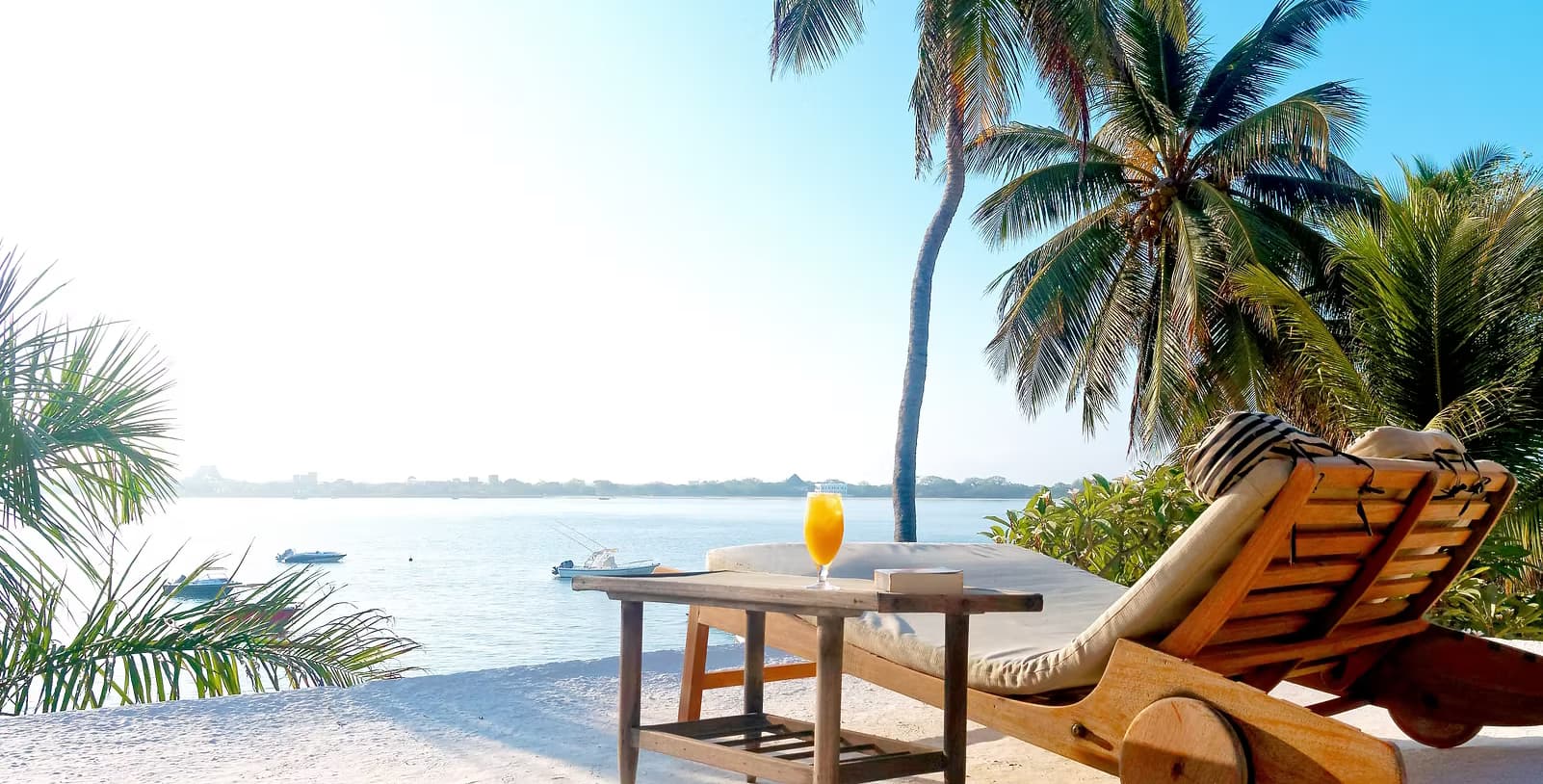
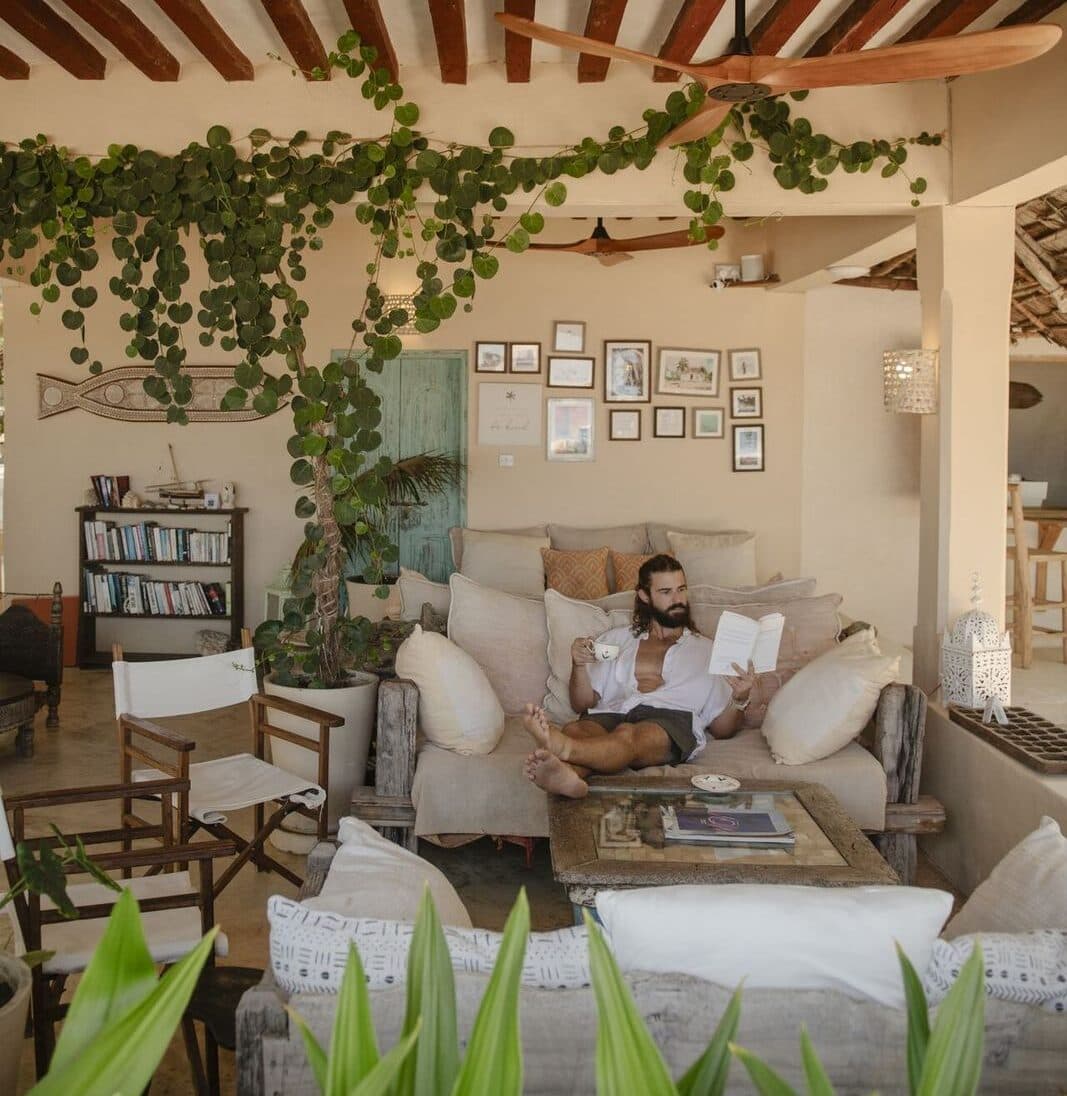
Our room reflected the kind of understated elegance that sums up the Peponi. White walls, polished wood, Swahili furnishings and a constant cooling ocean breeze. Rather than shutting out the environment, the architecture here embraces it - doors remain open, fans turn slowly overhead and the sounds of water, wind and distant village life all become part of your experience.

Peponi’s restaurant deserves special mention. Long regarded as one of the best dining destinations on the Kenyan coast, it showcases the flavours of Swahili cuisine, with fresh seafood, aromatic spices, tropical fruits and influences from across the Indian Ocean. The menu is extensive, and I wished I was staying long enough to eat my way through all of it.
Manda Bay, Manda Island
For the final stage of my Lamu journey, I headed to Manda Bay, one of Kenya’s most celebrated coastal retreats. Reaching it by boat heightened the sense of anticipation, and as the shoreline came into view, framed by palms and white sand, it felt like I was entering my own private world.
Manda Bay occupies a remarkable setting between the Indian Ocean and sheltered waterways, allowing guests to experience both sides of the archipelago’s personality. The ocean-facing beach gives dramatic views and endless horizons, while the inland channels offer calm water and the possibility of spotting wildlife.

The accommodation consists of spacious thatched suites, some beachfront and others set back in the trees - all are designed to maximise natural ventilation and ocean views. Here again, luxury is expressed through space and mood, rather than ostentation. Wide verandas, open-air bathrooms and local building materials create an atmosphere that is ultra laid-back. Here, as elsewhere in Lamu, luxury is less about what you have, than how a place makes you feel.

What I loved about Manda Bay was the variety of experiences on offer. One morning, I sent my husband deep-sea fishing while I walked for hours on the beach. Another day was spent snorkelling, swimming, birdwatching and wildlife viewing, followed by a late-afternoon visit to the spa, and a spectacular sunset with cocktails around a fire.

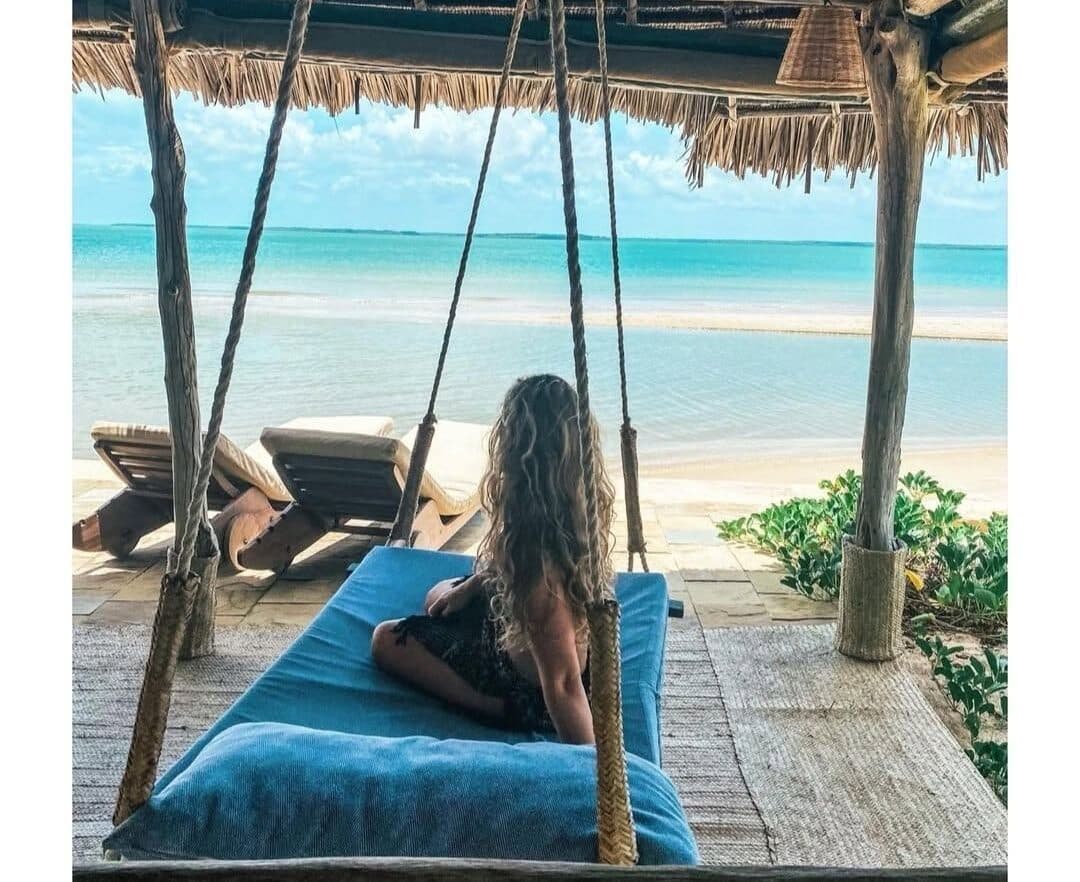
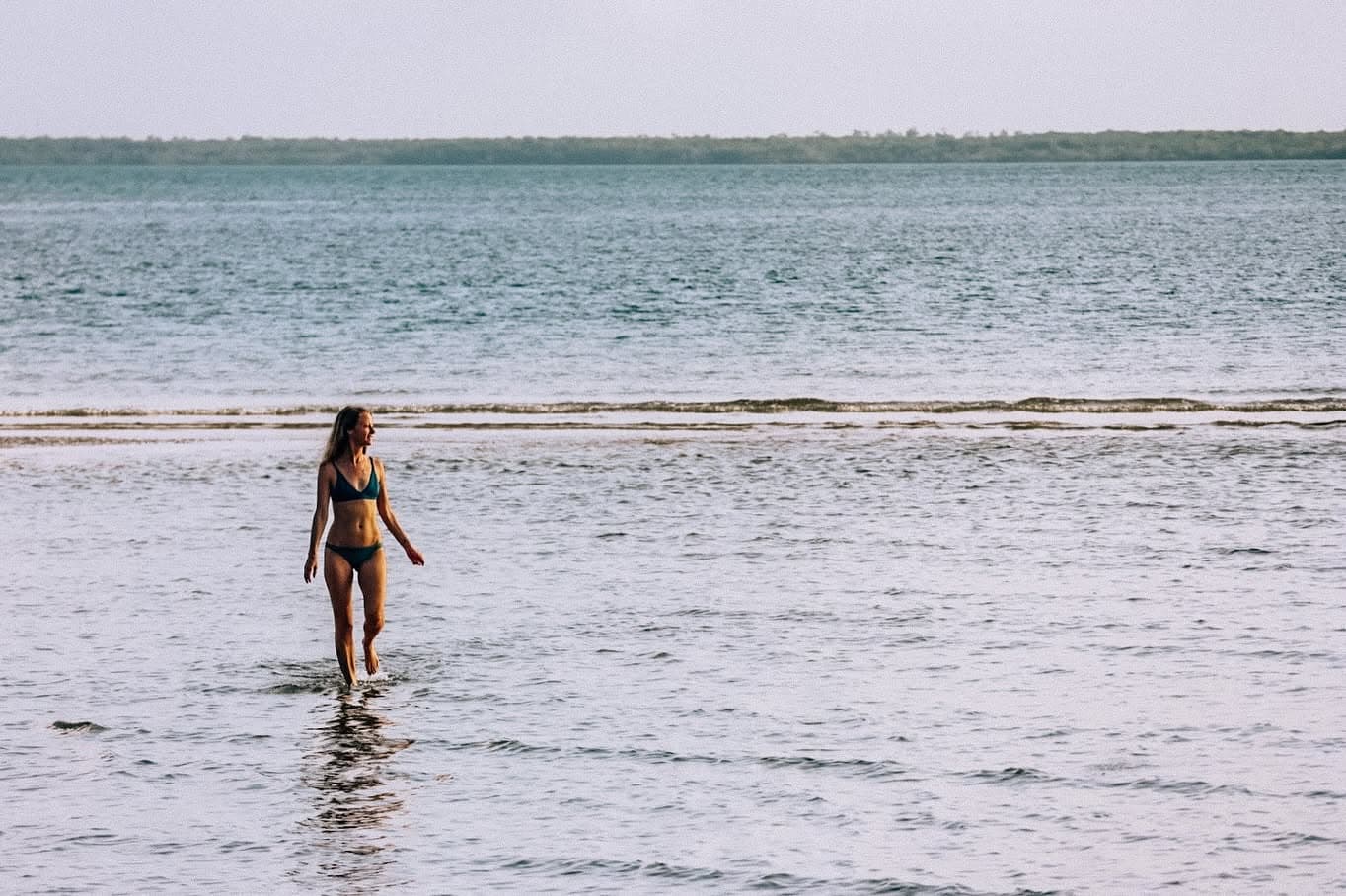
But some of my favourite moments involved doing very little at all. Sitting on the verandah with a coffee at sunrise, watching the colours slowly change across the water. Or, in the late afternoon, when the heat softened, walking along the shoreline as dhows returned home beneath full sails. By the end of my stay, it was these quiet moments I knew I would remember most.
The Quiet Luxury of Lamu
When my time in Lamu came to an end, I realised what makes this destination so special is not any single hotel, beach or experience. Rather, it’s a feeling and an ethos. Even the most luxurious of Lamu’s properties understand that their greatest asset is something that is becoming increasingly rare; restraint. Lamu’s luxury is low-key. Whether it was watching the dhows glide past Peponi’s waterfront terrace, embracing barefoot luxury at The Cabanas, or enjoying the beauty of Manda Bay, I was constantly reminded that true luxury lies not in what a place adds, but in what it chooses to preserve, and on the Swahili Coast, Lamu has preserved something extraordinary.

Sarah Kingdom
Sarah Kingdom was born and brought up in Sydney, Australia. Coming to Africa, aged 21, she fell in love with the continent and stayed. Now a travel writer, mountain guide, yoga teacher and mother, when she’s not out on an adventure, she and her husband are based on their cattle ranch in Zambia. Sarah guides on Kilimanjaro several times a year and has lost count of how many times she has stood on the roof of Africa. She has climbed and guided throughout the Himalayas and now spends most of her time visiting remote places in Africa.
Read More
Spain Cruise Review: Windstar Cruises Star Legend the Luxury Midsize Cruiseship
Inside Pabidi Lodge, Uganda's New Luxury Base for Budongo Forest Chimpanzee Safaris
Exploring Therasia and the Santa Irini Retreat: Perhaps the Best of Slow Travel in Greece