Inside Pabidi Lodge, Uganda’s New Luxury Base for Budongo Forest Chimpanzee Safaris
It was not chimpanzees I can hear, but rather a myriad of other forest sounds. It’s just after breakfast and I’m in Uganda’s Budongo Forest. The air is thick with moisture, and sunlight barely reaches the forest floor. Somewhere overhead, Black and White Casqued Hornbills shout, while black-and-white colobus monkeys and red-tailed monkeys crash through the branches.

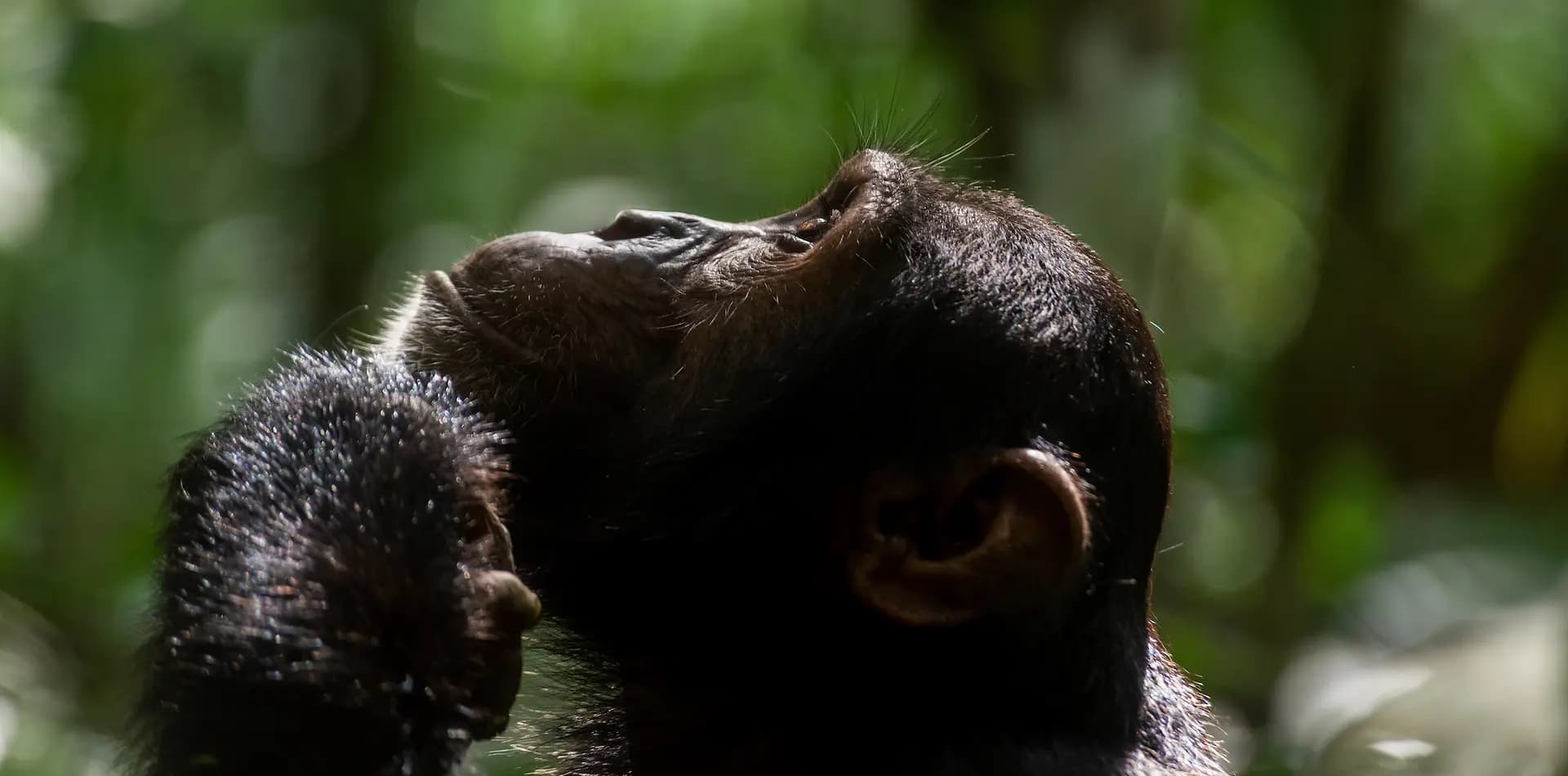
Then comes the unmistakable sound of chimps. Distant grunts, pant-hoots and screeches echo through the forest. My guide, Godfrey Musinguzi, motions for me to stop walking, and we stand and listen. After a few minutes of silence, we move forward again, on a narrow trail, stepping carefully over tangled roots and through the dense undergrowth, before emerging into a small clearing beneath some towering fig trees. And there they are.
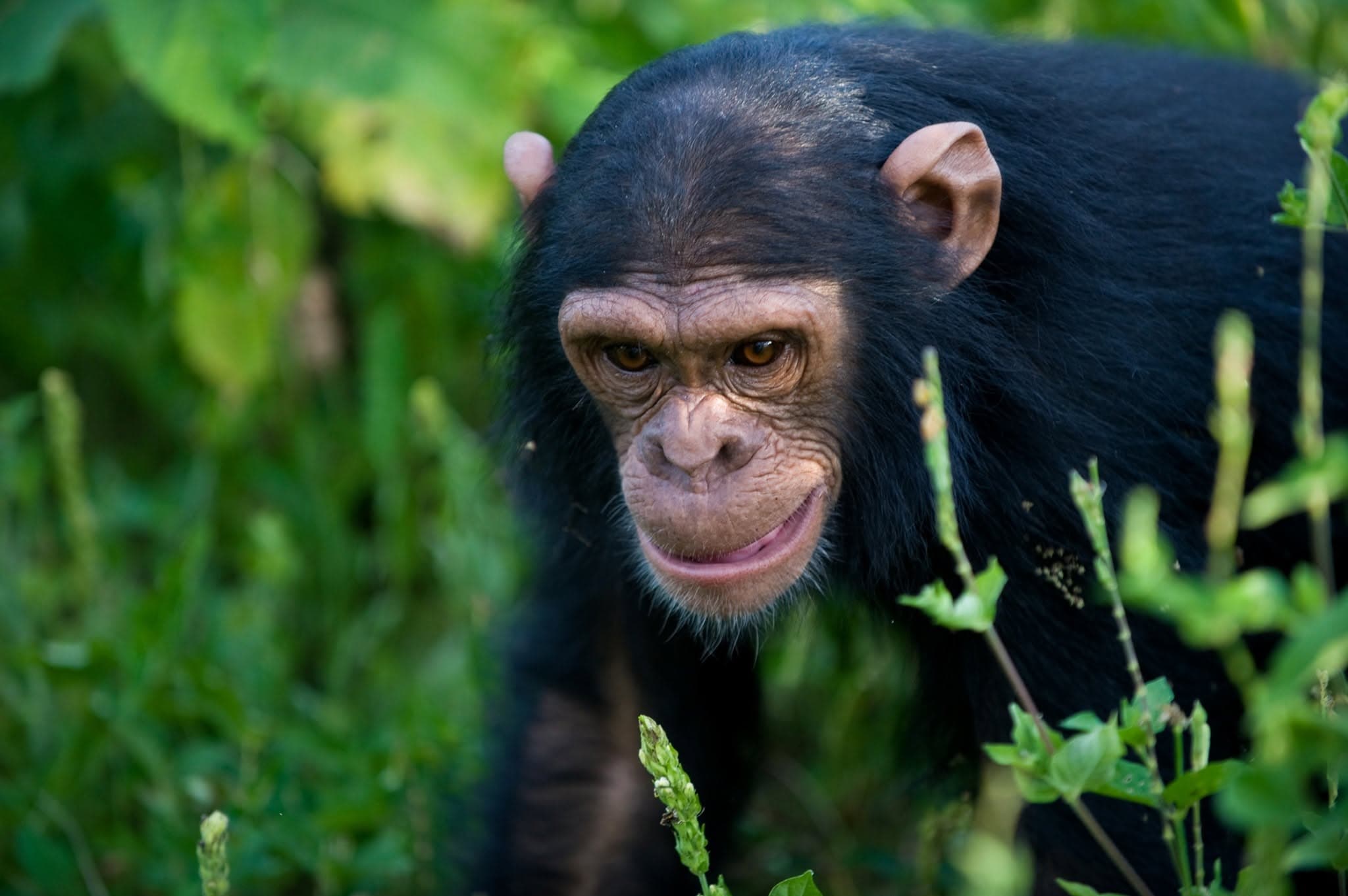
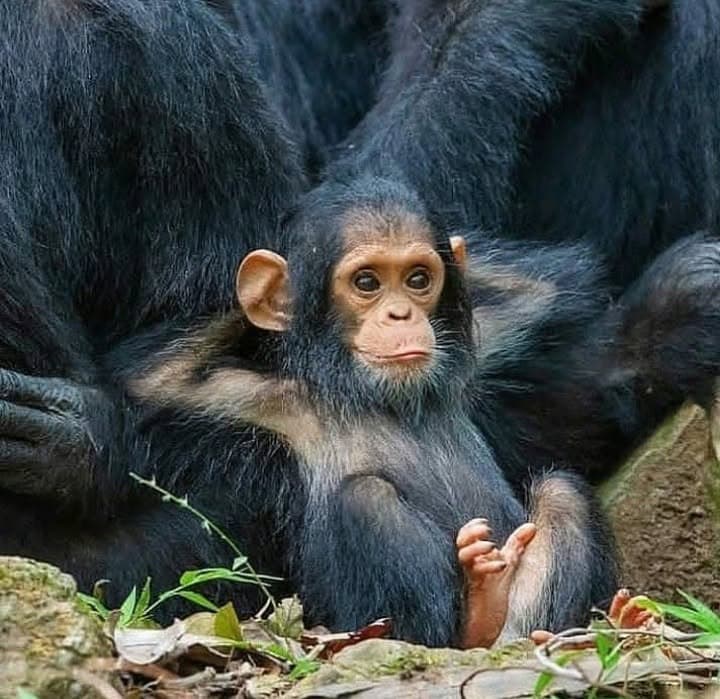
A family of wild chimpanzees move slowly through the canopy. An adult female sits quietly feeding on wild figs, while a baby swings through the branches with astonishing confidence. Another young male descends to the forest floor, before disappearing into the undergrowth. For nearly an hour, we watch as mankind’s closest relatives goes about their daily life, in one of Africa's most important rainforest ecosystems. It’s experiences like this that have made Budongo Forest one of Uganda's premier primate destinations, and now, Pabidi Lodge is transforming the way travelers can experience this remarkable corner of East Africa.
Located deep within the Kaniyo Pabidi sector of the Budongo Forest, just minutes from some of the country's most successful chimpanzee tracking trails, the newly opened Pabidi Lodge is destined to become one of Uganda's most significant new safari destinations.
Budongo Forest
While Uganda is best known internationally for mountain gorilla trekking, in Bwindi Impenetrable National Park, Budongo Forest remains one of the country's most underrated natural treasures.
Part of the greater Murchison Falls National Park, at 320 square miles, Budongo is the largest remaining natural tropical forest in Uganda. It’s home to nine different primate species, including four diurnal monkey species, large baboon troops, various nocturnal prosimians (bushbabies etc.), and a huge population of wild chimpanzees.

The forest's incredible age is obvious, with some trees soaring more than 160ft above the forest floor. For birdwatchers, the forest is a paradise. More than 360 bird species have been recorded here, including several species sought after by international birding enthusiasts, and regional endemics, found nowhere else in East Africa. Add butterflies, reptiles and countless insect species and you have an ecosystem that is one of the most biologically diverse in East Africa.

The Chimpanzees
Budongo's greatest stars are without doubt its chimps. The forest is home to more than 600 chimpanzees and in the Kaniyo Pabidi sector of Budongo, years of habituation work means that visitors can observe the chimps with relative ease, all the while minimizing disturbance to their natural behavior.

Unlike gorilla trekking, where visitors often need to hike for several hours through mountainous terrain, chimpanzee tracking is a different kind of primate experience. Chimps are highly mobile, vocal and social. Encounters often involve watching them move rapidly through the forest canopy, as they communicate with a range of calls, gestures and displays.

The experience is dynamic and often unpredictable. One moment you could be quietly watching a mother and baby feeding in a fig tree. The next, a dominant male might announce his presence with a dramatic pant-hoot call that reverberates right through the forest.
Researchers are still studying Budongo's chimpanzees, making this one of Africa's most important sites for understanding chimp behavior, ecology and conservation. It’s the combination of scientific research and carefully managed tourism that has helped establish Budongo as a model for sustainable wildlife experiences.
Pabidi Lodge

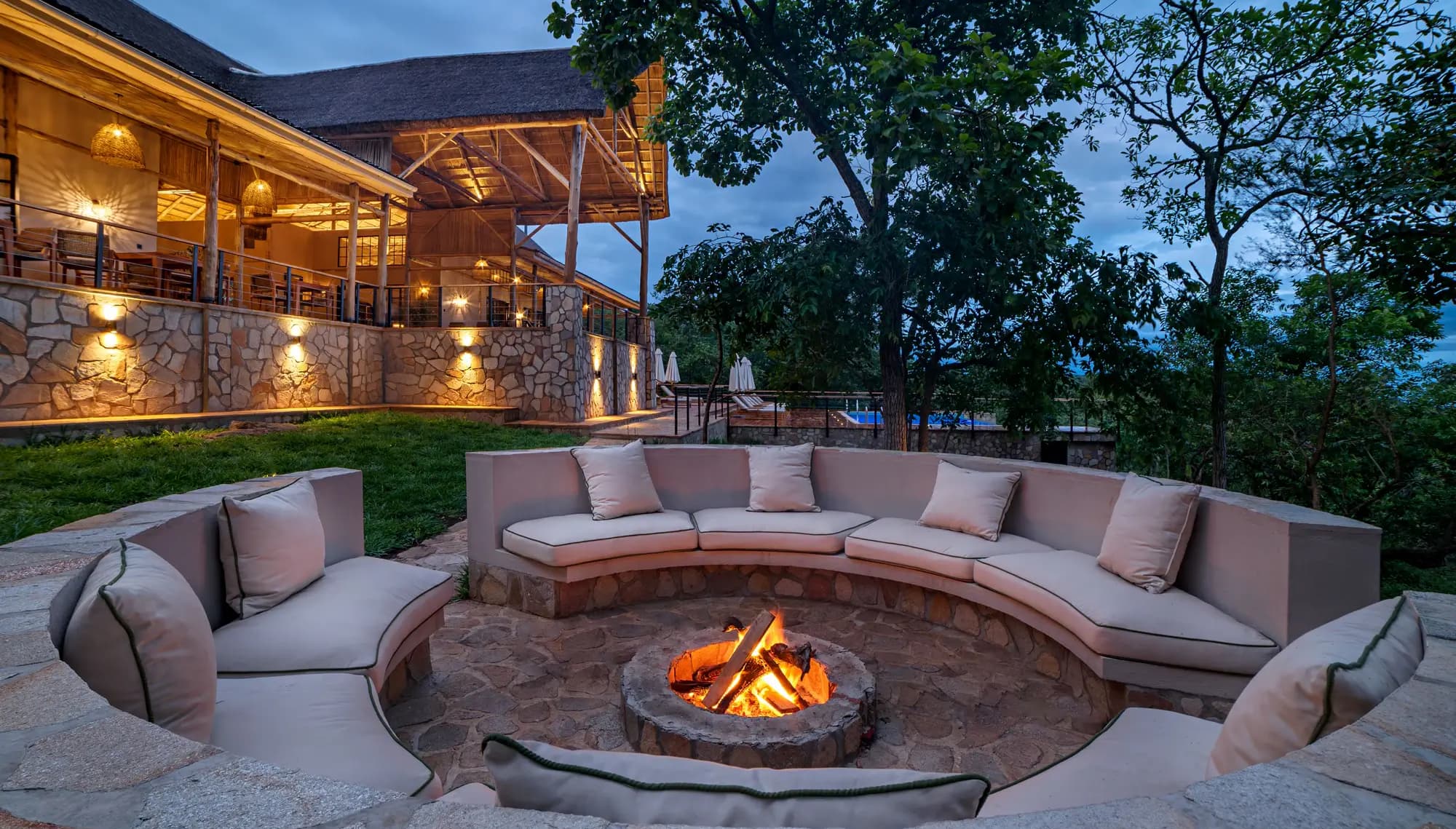
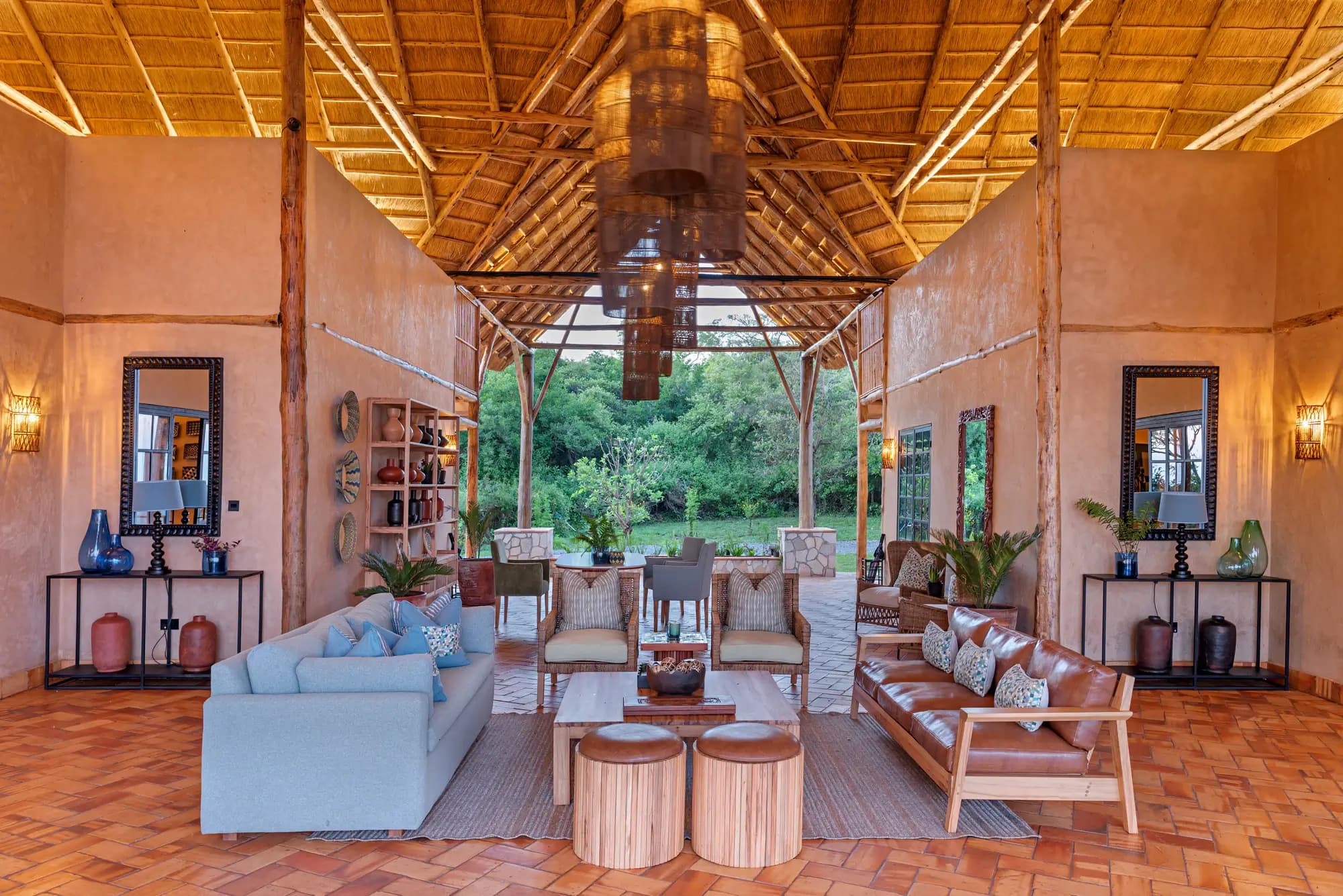
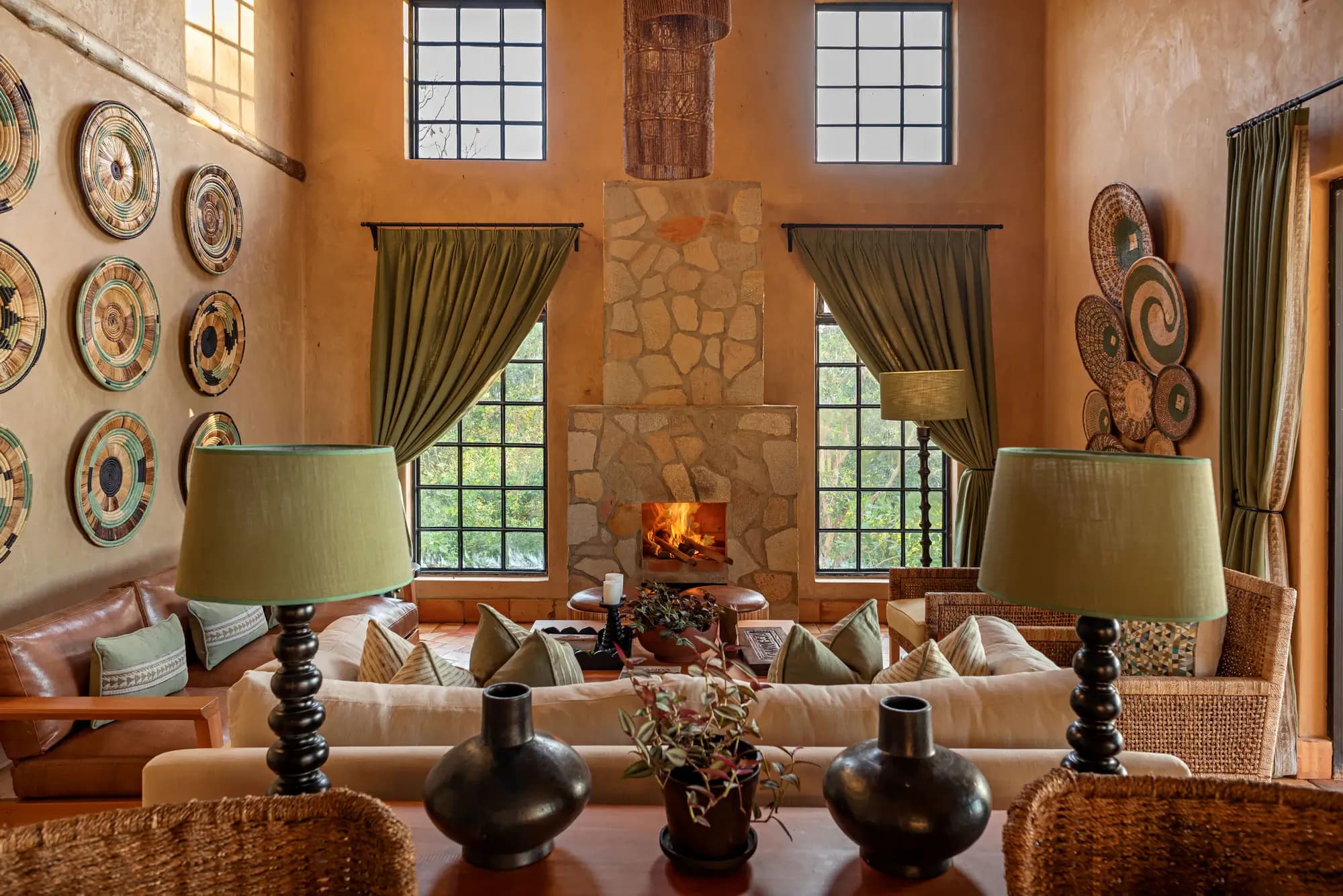
The opening of Pabidi Lodge is a significant development for Ugandan tourism. Located within the rainforest, the lodge has been designed with eco conscious principles in mind, and it cleverly blends into the surrounding forest, with minimal environmental impact. The accommodation is luxury tented suites, each positioned to maximize privacy, while embracing the extraordinary forest views. The floor-to-ceiling windows have you eye level with the forest canopy, and the private deck means you can watch birds, monkeys and other wildlife without needing to leave your room.
Pabidi's greatest asset though, is not its rooms, but its location. Chimpanzee tracking, along with birdwatching trails and guided nature experiences are only ten minutes away, meaning you can be among the first visitors to enter the forest each morning.

Meanwhile, the savannah landscapes of Murchison Falls National Park are within relatively easy reach, allowing you to combine classic safari experiences with primate encounters from a single base, if the chimps alone are not enough to keep you occupied.
Why Budongo May Be Uganda's Next Great Safari Destination
As African safari goers become more experienced, many are seeking destinations that offer more than just checklist of wildlife sightings. Budongo Forest answers that by combining world-class chimpanzee tracking, exceptional biodiversity, meaningful conservation initiatives, and now, with the arrival of Pabidi Lodge, a level of accommodation suitable for the more discerning international traveler.

Standing in the forest after the chimpanzees had moved on, the silence felt almost as powerful as the encounter itself. Shafts of sunlight pierced the canopy, while somewhere in the distance another pant-hoot echoed through the trees. The forest carried on as it had for centuries.
With its combination of eco-conscious design, conservation ethos and unrivaled proximity to one of Africa's best chimpanzee experiences, Pabidi Lodge may well become the address that finally puts Budongo Forest on the global safari map.

Sarah Kingdom
Sarah Kingdom was born and brought up in Sydney, Australia. Coming to Africa, aged 21, she fell in love with the continent and stayed. Now a travel writer, mountain guide, yoga teacher and mother, when she’s not out on an adventure, she and her husband are based on their cattle ranch in Zambia. Sarah guides on Kilimanjaro several times a year and has lost count of how many times she has stood on the roof of Africa. She has climbed and guided throughout the Himalayas and now spends most of her time visiting remote places in Africa.