Spain Cruise Review: Windstar Cruises Star Legend the Luxury Midsize Cruiseship
Sailing from Málaga to Barcelona aboard Windstar Cruises’ Star Legend is a voyage less about ticking off ports than drifting through centuries of history, evolving cultures and extraordinary cuisine. Together, they define the quiet luxury of slow travel.
Long before airports, railways and motorways stitched Europe together, ships carried Phoenician traders, Roman governors, Moorish scholars, Christian kings, explorers, artists and merchants to these shores. For them, the Mediterranean was never a barrier but one of the world’s great highways, carrying ideas, religions, cultures and commerce between continents. Arriving at the ports of Andalucía – and later Palma on the Balearic island of Mallorca – there remains an echo of the anticipation those earlier travellers must have felt. Southern Spain is one of the world’s great coastlines, and it is best approached from the water.
It is also a coastline perfectly suited to Windstar Cruises’ small ships. Whether elegant motor yachts or graceful sailing vessels, they can navigate waterways and berth in ports beyond the reach of today’s vast floating resorts.

With just 312 guests, Star Legend inhabits an entirely different world from the ever-larger cruise ships that dominate the industry. She slips quietly into ports where bigger vessels cannot venture, mooring almost improbably close to the life of each city. In Málaga, she seems less docked than delicately parked among the palms, within strolling distance of Picasso’s birthplace, Moorish fortifications and sun-warmed cafés. In Cartagena, she is the only cruise ship in harbour, an unobtrusive visitor rather than an overwhelming arrival. In cruising, bigger is not always better.
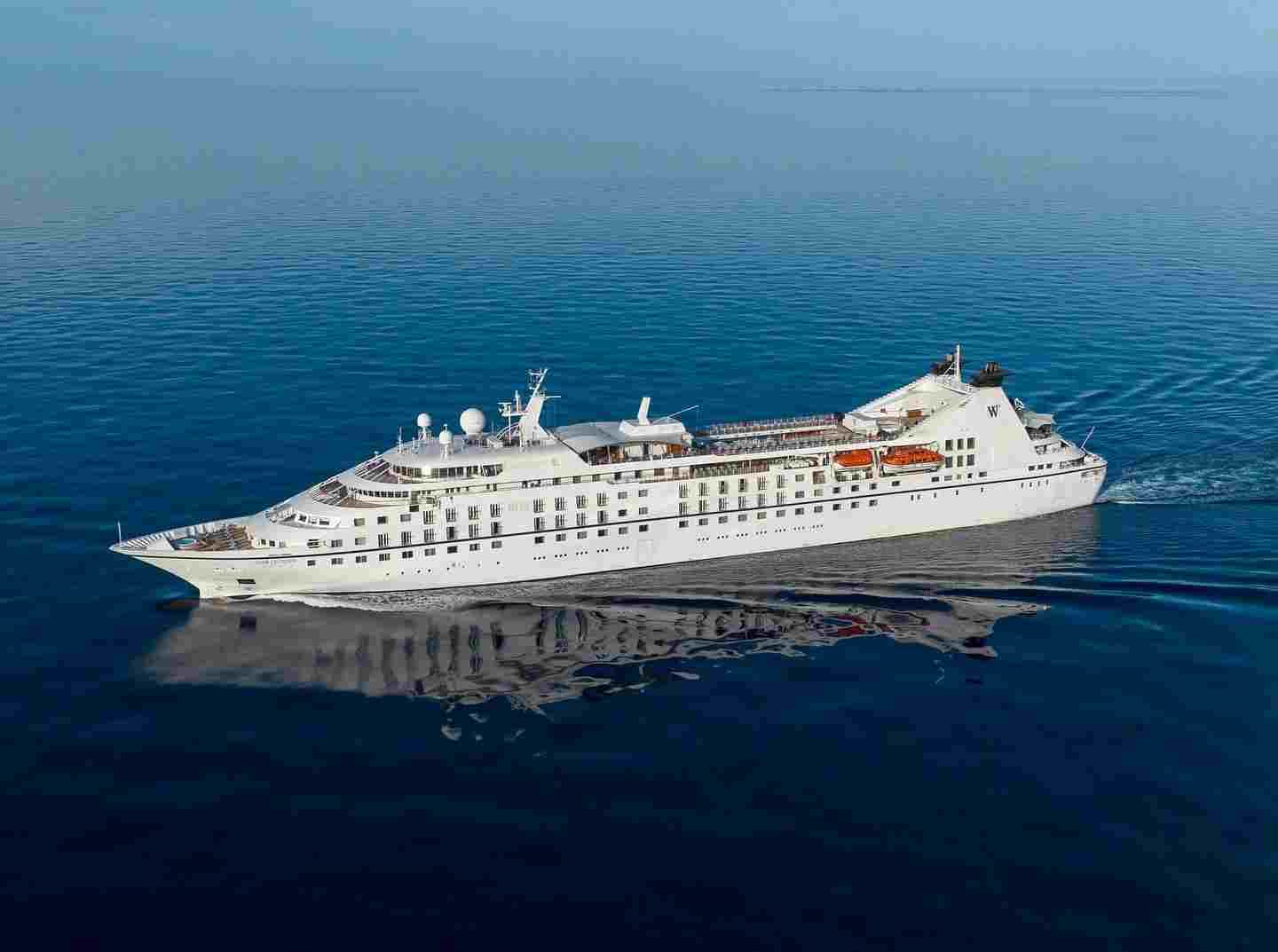
Luxury Small-Ship Cruising in Spain: Intimate Suites and Ocean-View Elegance
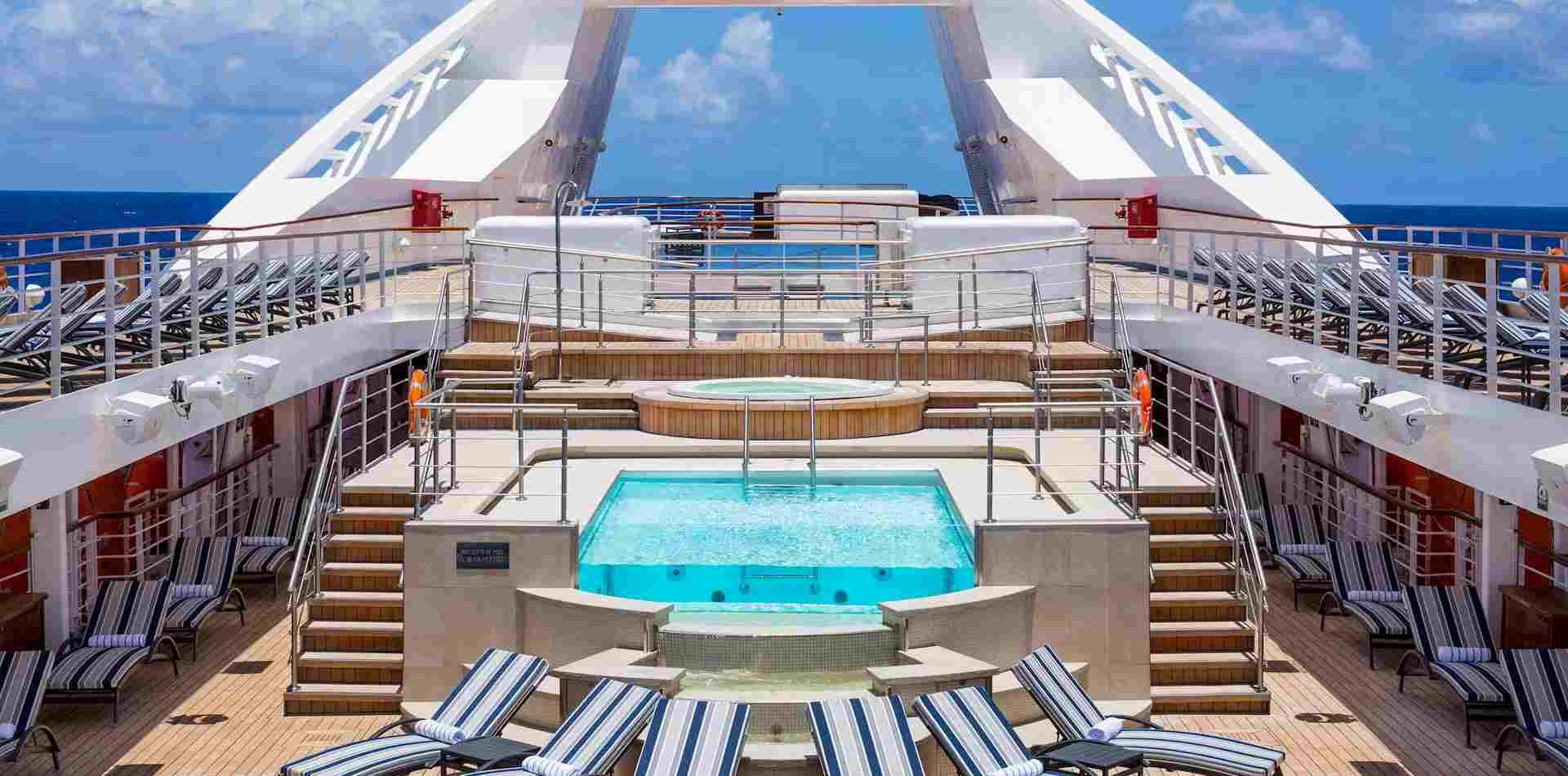
Star Legend never attempts to impress with a soaring atrium, glittering casino or cavernous theatre. Instead, there is a sense of effortless space. Space in generously proportioned ocean-view suites, where walk-in wardrobes feel more like dressing rooms. Space on deck to watch the changing light over the Mediterranean. Space in restaurants where tables are comfortably separated and conversations remain your own.
There are no formal evenings demanding black tie or ballgowns, no relentless announcements and no pressure to rush from one activity to the next. Only Basil + Bamboo and Candles require reservations; elsewhere, guests simply choose where and when they wish to dine. Open seating allows couples to enjoy quiet meals together or join new-found friends over dinner.
Life aboard soon settles into an easy rhythm that quickly becomes addictive. Some guests begin the day with coffee and pastries in the elegant Yacht Club, while others combine the breakfast buffet with freshly cooked dishes as another stretch of coastline emerges through the morning haze.

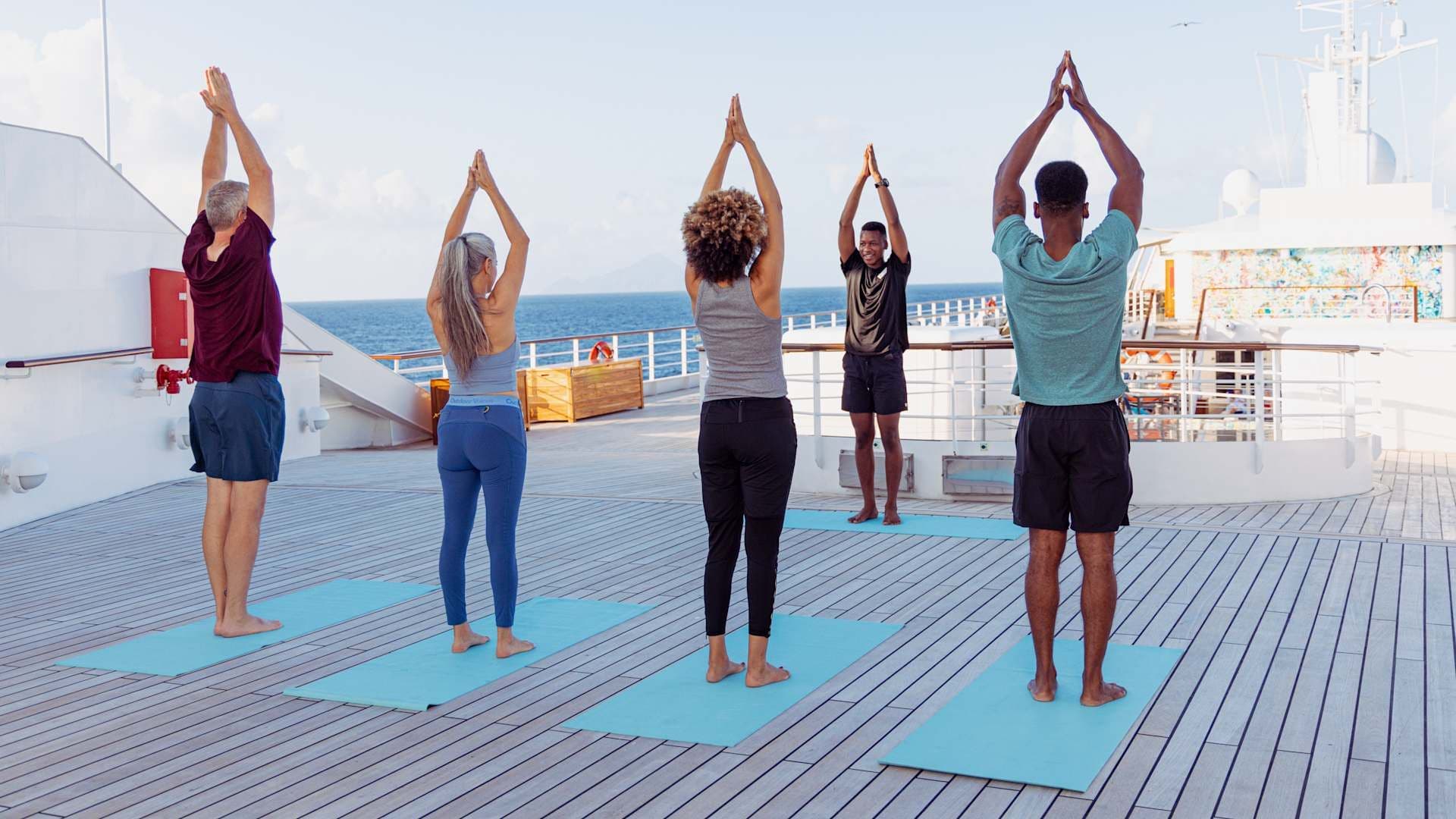
The old clichés of cruising – endless buffets and inevitable weight gain – feel decidedly outdated aboard Windstar. Many guests head to the gym before breakfast, enjoy yoga, or book a treatment in the World Spa before setting off to explore ashore.
As evening approaches, passengers gather over cocktails accompanied by the discreet notes of the piano.

Everyone has experiences to share, whether from guided excursions or independent wanderings ashore. Later, conversations continue beneath the stars at Star Grill Bar, where the Mediterranean night sky, free from urban light pollution, provides its own quiet entertainment. Windstar’s guests are seasoned travellers, thoughtful observers and engaging storytellers.
Southern Spain Luxury Cruise Itinerary: Málaga, Gibraltar and Cartagena
Southern Spain, perhaps more than anywhere else in Europe, reveals itself in layers rather than landmarks. Every city seems built upon another civilisation’s foundations. Roman theatres disappear beneath medieval streets before being rediscovered centuries later. Islamic fortresses become Christian palaces. Gothic cathedrals rise above former mosques. Archaeology is not confined to museums; it lives beneath your feet.

Málaga captures this perfectly. Forever associated with Pablo Picasso, the city nevertheless tells a far older story. Beneath the Picasso Museum lie the remains of Phoenician and Roman homes, while high above the city the Alcazaba still commands magnificent views from the hillside, its honey-coloured walls recalling almost eight centuries of Moorish Andalucía. It is one chapter in the centuries-long Reconquista, during which Christian kingdoms gradually reclaimed the Iberian Peninsula city by city, often through brutal sieges. A story that the voyage also tells in Palma and Valencia.

Málaga’s unfinished cathedral – affectionately known as La Manquita, the One-Armed Lady – is another reminder that history does not always seek perfection. The second tower was never completed, yet after five centuries its absence has become part of the cathedral’s distinctive character. Here, history sits comfortably alongside contemporary life.

Ironically, the first port of call on this Iberian voyage is Britain’s outpost on the Mediterranean. Gibraltar rises dramatically from the sea, still possessing the commanding presence that convinced the ancients this marked the edge of the known world. Red pillar boxes stand beneath subtropical skies, English pubs and their pints of bitter overlook the Mediterranean. Here, finding a steak and ale pie is almost as easy as ordering paella. Meanwhile, Barbary macaques roam the limestone cliffs, blissfully indifferent to political boundaries. Once again, the Mediterranean blurs neat definitions of culture and nationality.
Eastwards lies Cartagena, perhaps the voyage’s greatest surprise. Even more remarkable is the sight of Star Legend as the harbour’s only cruise ship. A replica of one of Christopher Columbus’s remarkably cramped vessels, moored among the yacht masts, offers a vivid reminder of just how far maritime travel has evolved over the past five centuries.

Cartagena has long prospered thanks to abundant sunshine and extraordinary mineral wealth. Phoenician sailors first anchored here in search of silver in the hills beyond the harbour. The Carthaginians, followed by the Romans, transformed Carthago Nova into one of the Mediterranean’s richest ports, exploiting nearby deposits of silver, lead and zinc. The Moors later added their own enduring influence to the city’s architecture, language and culture, helping shape an affluent centre of temples, villas and marble-paved streets.
Standing on the stage of Cartagena’s Roman theatre and gazing up at seating once filled by 6,000 spectators, it is astonishing to realise the first-century BC masterpiece lay hidden until 1988. History reveals yet another layer above it: caves where Republican civilians sheltered from General Franco’s Nationalist bombing, provided by Hitler’s Luftwaffe, during the Spanish Civil War.
Windstar’s guided tapas tour offers a leisurely introduction to Cartagena’s culinary culture. A glass of wine here, a slice of tortilla there, followed by aged ham and local cheeses, gradually reveal why tapas remain central to Spanish social life. What began centuries ago as a simple slice of bread, ham or cheese placed over a drink to keep out dust and flies has evolved into one of Spain’s defining culinary traditions.
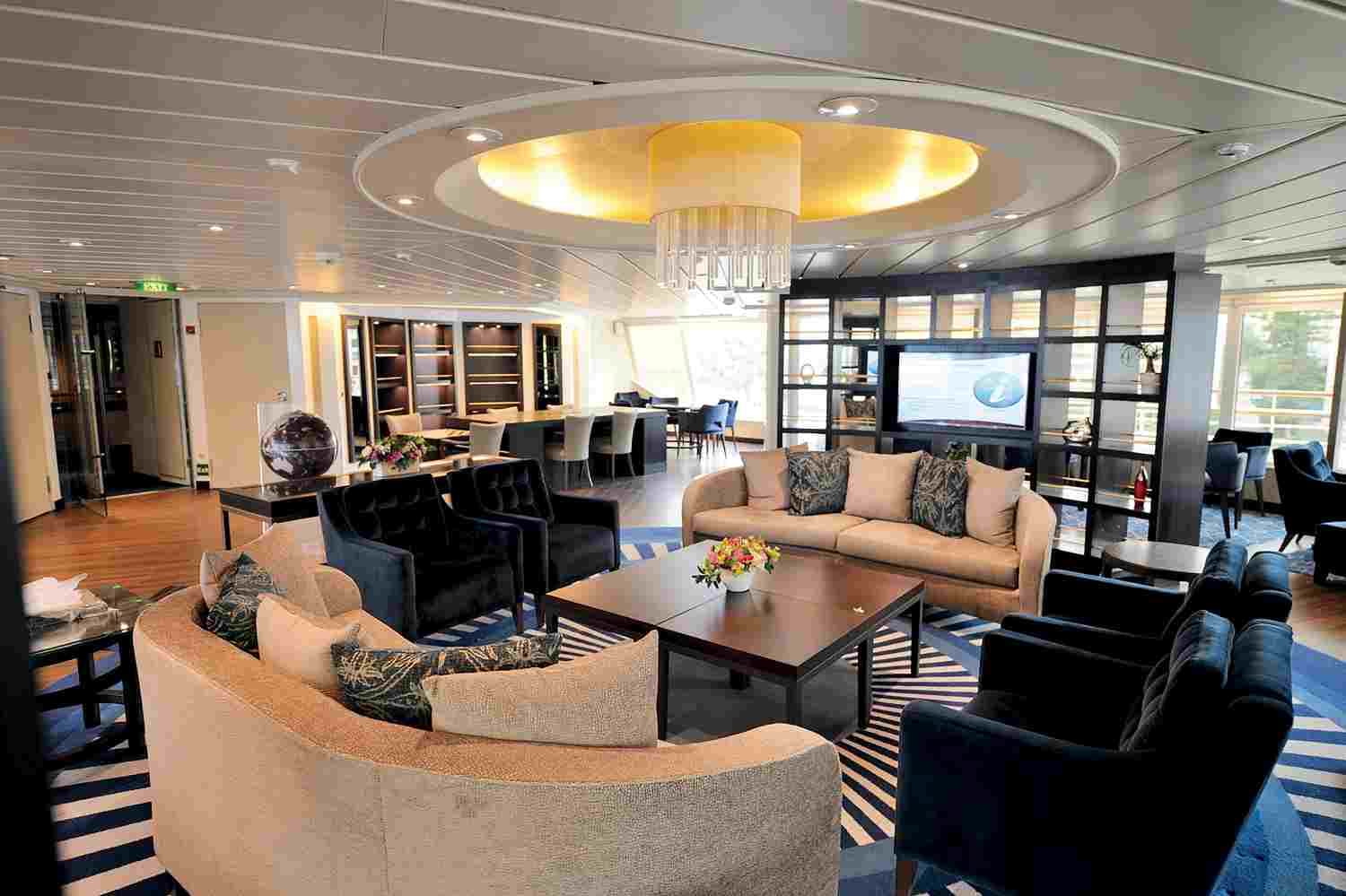
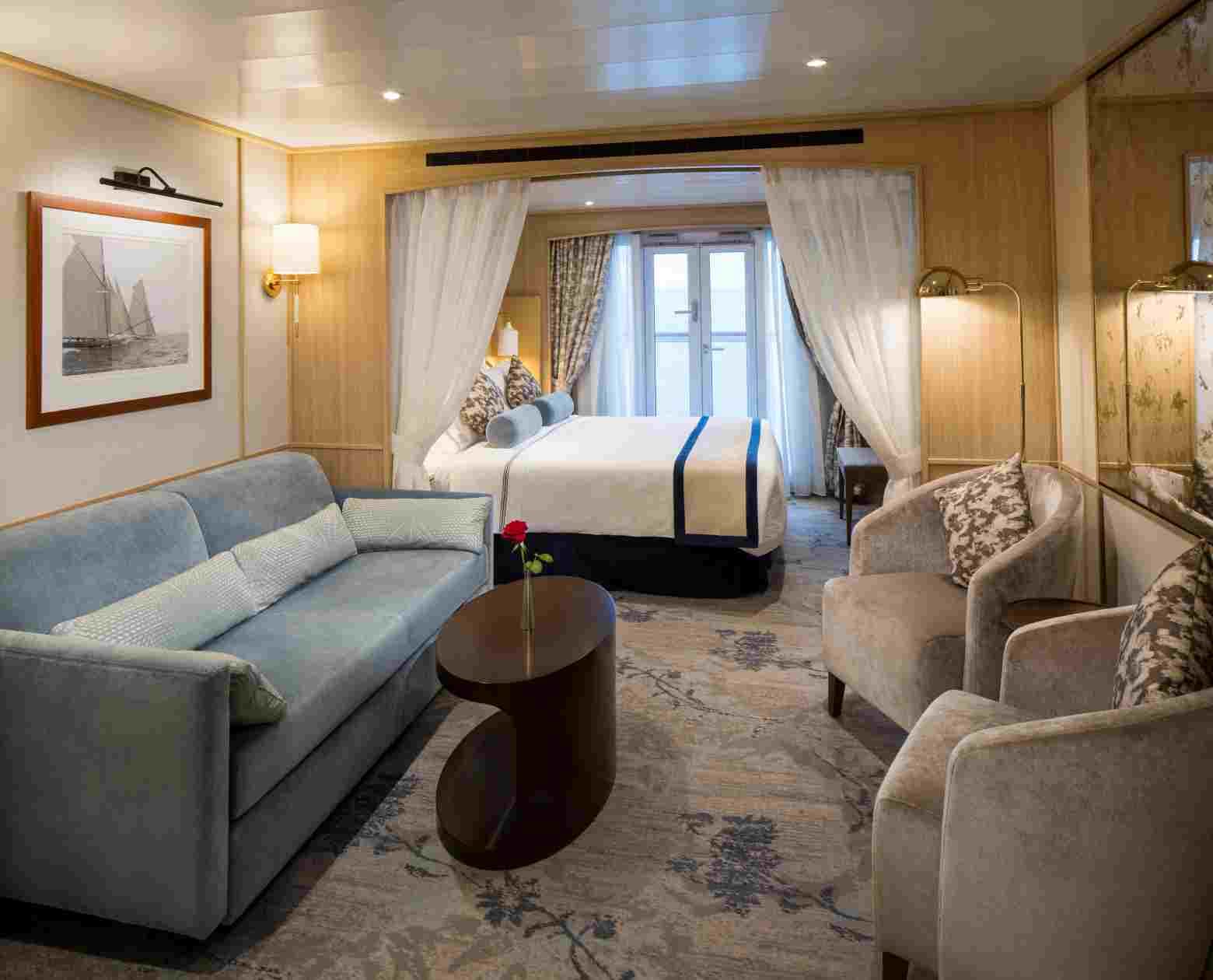
Onboard Flamenco and Mediterranean Nights: Spanish Culture at Sea
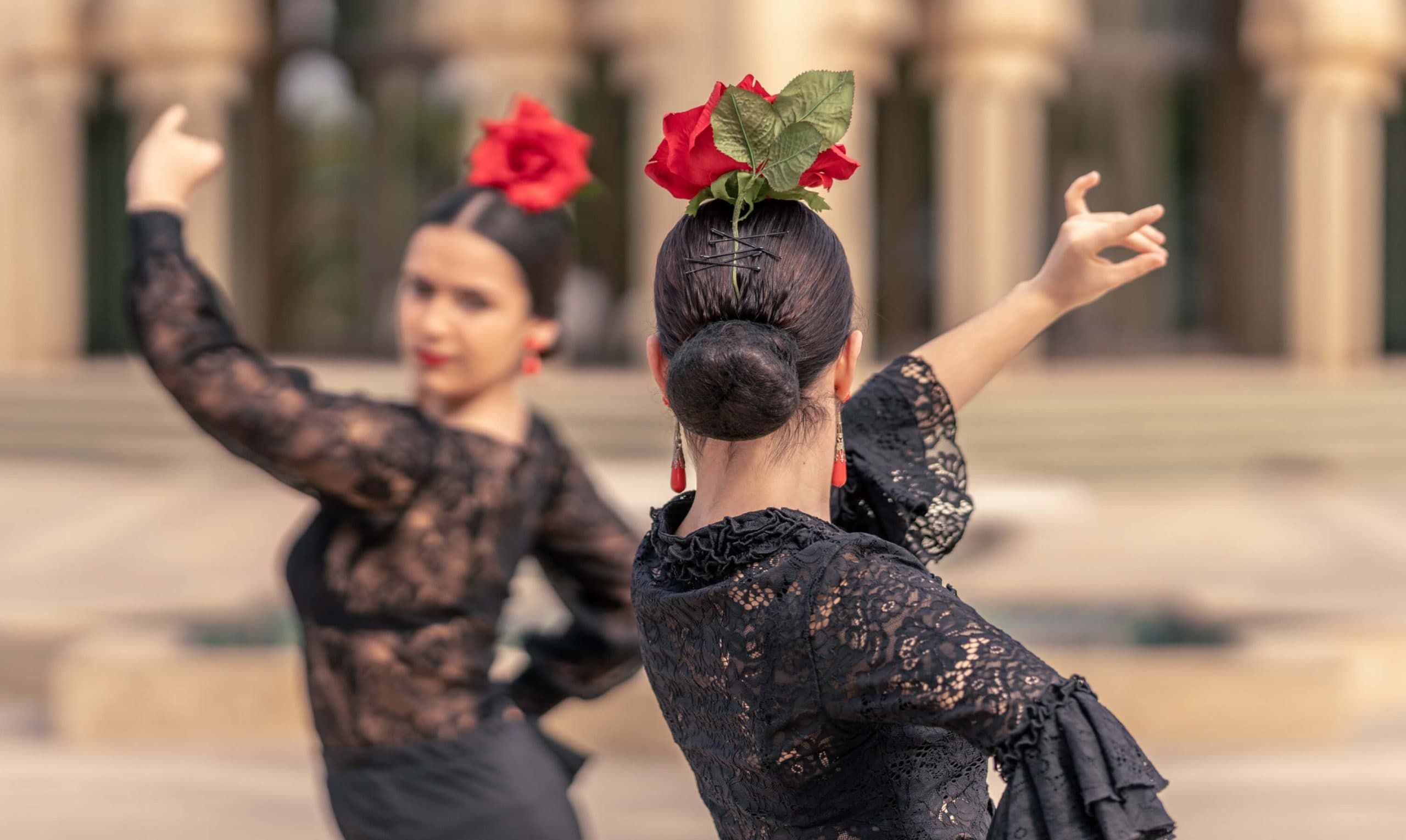
Windstar invites Spanish culture and history on board. One evening, flamenco dancers transform the ship with an electrifying performance of rhythm, passion and drama.

This intensely expressive art form reflects centuries of cultural influences, from Romans and Jews to Moors and modern Spaniards. Every heel strike, guitar chord and sweep of a crimson skirt carries remarkable emotional power. It is impossible not to become caught up in the performance.
Later, guests may step onto the bridge, where officers often point out constellations beneath exceptionally dark Mediterranean skies. Unless the ship is engaged in port manoeuvres, the bridge remains open to visitors. A tradition almost unheard of aboard larger cruise ships.

Fine Dining at Sea: James Beard Cuisine on a Spain Luxury Cruise
The menus naturally reflect the voyage through southern Spain, with dishes such as gazpacho, paella, churros and tortilla appearing alongside other regional favourites. Yet Windstar’s culinary ambitions extend far beyond Iberia.
Its partnership with the James Beard Foundation elevates dining well beyond the expectations many travellers associate with cruising. Loyal Windstar guests often sail for weeks at a time, so menus change daily, reflecting both the seasons and the regions visited.
Amphora is the culinary heart of every voyage, combining elegant surroundings with impeccable service, made possible by Windstar’s crew-to-guest ratio of approximately one crew member for every 1.5 guests. Open seating allows diners complete flexibility.

For one of the most memorable and romantic evenings at sea, Candles transforms the open deck into an intimate al fresco steakhouse beneath the stars, where premium steaks, fresh seafood and carefully chosen wines are served against a backdrop of moonlit ocean. On the top deck, Star Grill provides a more relaxed alternative, with grilled seafood, burgers, salads and lighter fare.
The newest addition is Basil + Bamboo, whose open kitchen blends Mediterranean and Asian influences. Guests can move effortlessly from sushi to seafood pasta, although the miso-glazed cod has already become a firm favourite.
Small-ship cruising also makes genuinely immersive culinary experiences possible. In Valencia, guests can accompany one of Windstar’s chefs through the magnificent Central Market before the city fully awakens, selecting fish fresh from the morning catch, seasonal vegetables and fragrant herbs destined for lunch.
Those wishing to delve deeper into authentic Valencian cooking can join a paella masterclass at a traditional finca outside the city. Here, aspiring chefs quickly discover that genuine Valencian paella contains neither prawns nor mussels. Chicken and rabbit take centre stage, accompanied by vegetables and herbs picked fresh from the garden. The greatest challenge lies in creating the prized socarrat – the deeply caramelised layer of rice at the bottom of the pan.
Mallorca by Luxury Yacht: Palma, Valldemossa and the Balearic Islands
Mooring in Palma once again offers guests an enviable choice of excursions. Some explore the city’s hidden courtyards, discovering elegant staircases and secret gardens concealed behind anonymous doorways. Others head to the mountain village of Valldemossa, where Chopin composed during his stay at the monastery, before continuing to the spectacular Drach Caves, whose underground lakes reflect forests of stalactites.

For first-time visitors to Mallorca, a general tour provides an enlightening overview, with the excursion climbing through to Bellver Castle. Its name translates as “beautiful view”, and the panoramic outlook across Palma’s harbour explains why this circular fortress once served as an essential lookout against approaching fleets. Wherever you look there are almond groves, as Mallorca hosts five million almond trees.

Back at sea level, Palma Cathedral dominates the waterfront. Its existence owes as much to fear as to faith. Caught in a violent storm while sailing to Mallorca, King James I of Aragon vowed to build a magnificent cathedral if he survived the crossing. The result remains one of Europe’s great Gothic landmarks which also features a naturalistic altar by Gaudi.
Barcelona Shore Excursions and Gaudí’s Masterpieces from Your Luxury Cruise
For some passengers, Barcelona marks the end of the journey. Many others simply remain aboard for the next voyage to Rome. Then another cruise takes in Croatia’s spectacular coastline and islands, before eventually arriving in Venice.

Barcelona itself offers countless possibilities. Small-group excursions reveal the city’s artistic and architectural treasures, but with Star Legend moored just a short walk from Las Ramblas, many guests prefer to explore independently, perhaps grazing on tapas. inevitably many find themselves gazing up at Gaudí’s extraordinary Sagrada Família, still rising towards the sky almost 150 years after construction began.
Wellness at Sea: Spa, Yoga and Enrichment on a Spain Cruise
Windstar nourishes the mind through destination talks that deepen every port visit, while guest speakers explore subjects ranging from mindfulness and resilience to personal transformation.

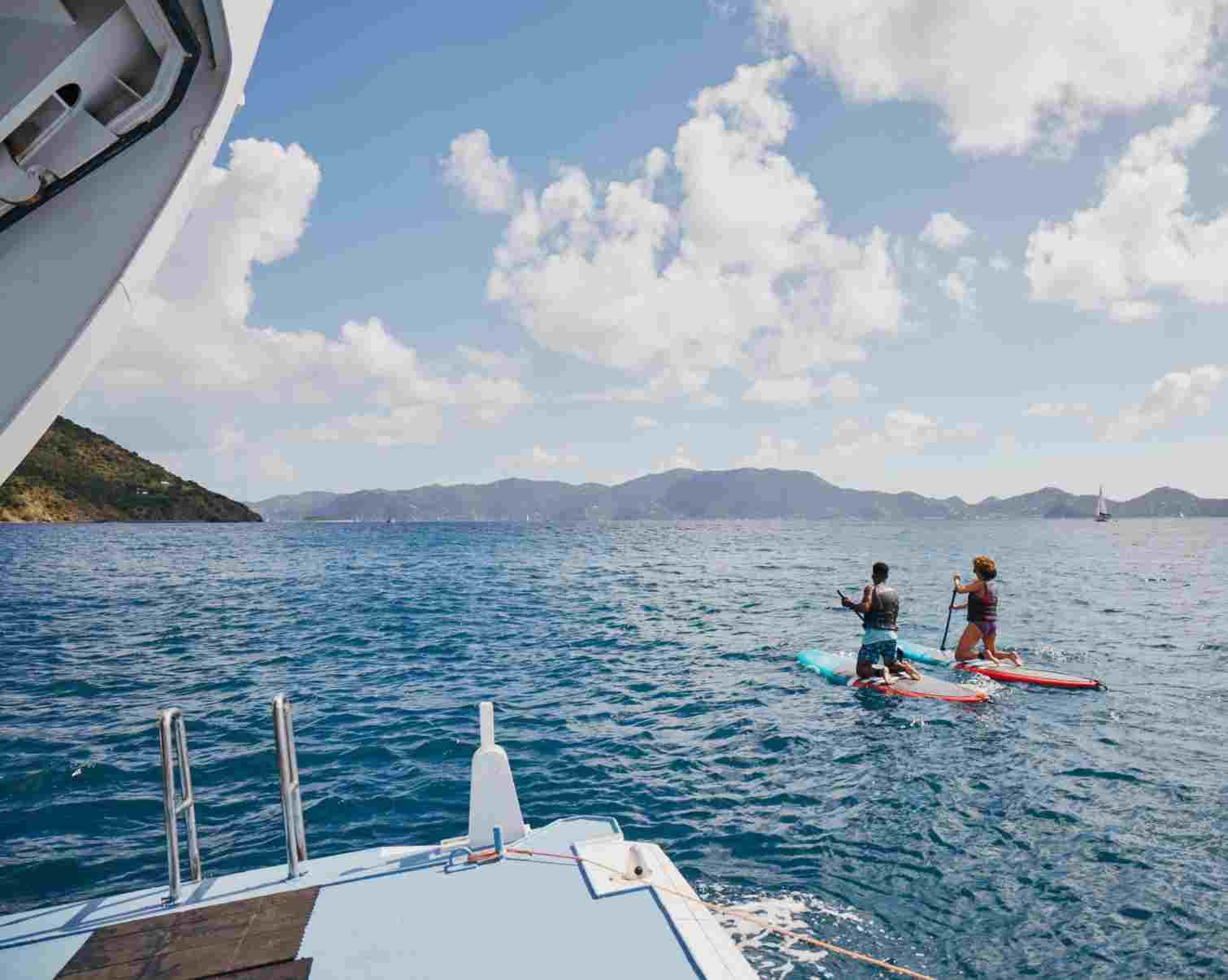
Wellness extends far beyond the World Spa’s treatments, from acupuncture and massage to private yoga and Pilates. Morning yoga sessions and guests’ own fitness routines unfold against an ever-changing seascape. It is rare for passengers to leave the ship feeling anything other than healthier, more relaxed and more energised - and perhaps a little wiser - than when they first stepped aboard.

Windstar Cruises’ small-ship cruising celebrates curiosity, movement and meaningful encounters. It is a style of travel, across the world’s oceans, that reminds us that the finest journeys are measured not by how many places we visit, but by how deeply we experience them.

Michael Edwards
Michael Edwards had his first travel article published by The Independent in 1986, on Santa Catalina just off the Californian coast. Subsequently, he has written for The Guardian, Telegraph and many other media. He enjoys writing on restaurants, travel and golf. “In 1980 I read Lauren Van der Post’s Lost World of the Kalahari and never dreamed that one day I would be tracking through the desert with a Bushman before writing my own piece on The Land Made by The Devil,” says Michael.