Merano, Italy: Discovering it’s alpine food, wine and culture
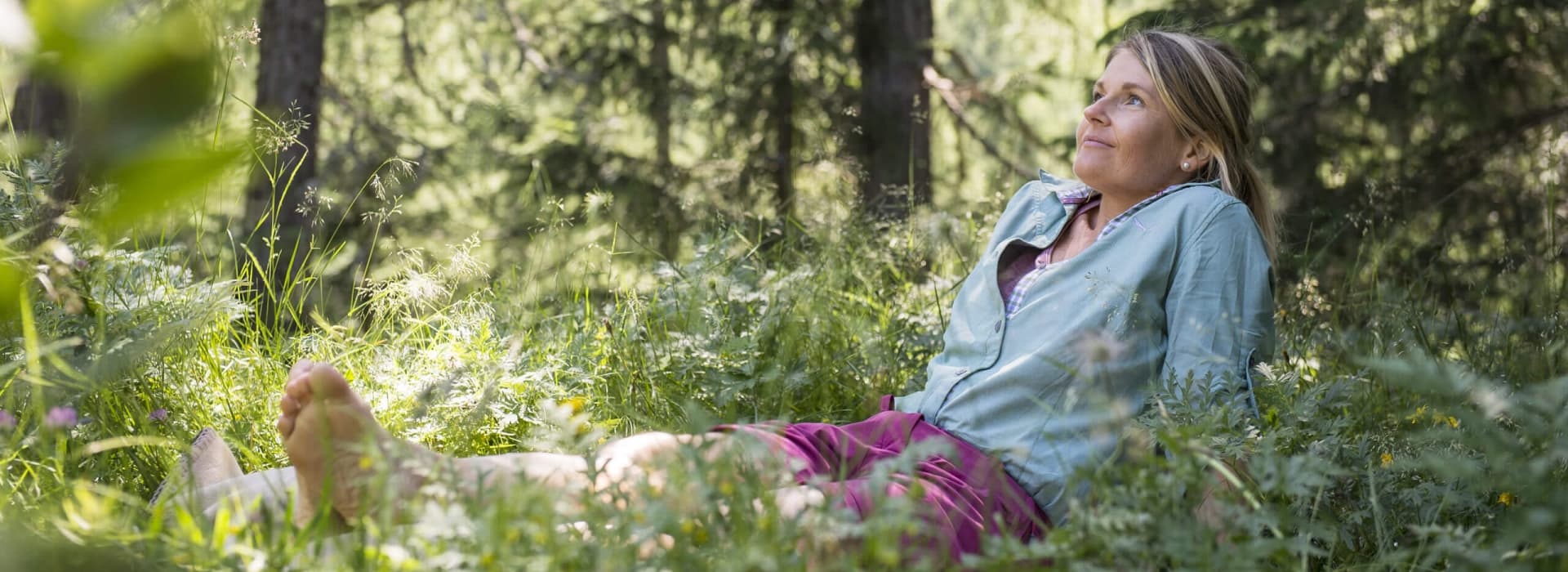
The mountains in South Tyrol are hard to describe until you’re actually there. The Dolomites don’t just rise up, they feel like they’re standing over you. Granite walls climb straight up to snow-dusted summits, and the scale only hits once you’re beneath them. The air is noticeably cleaner, too. It changes the way you breathe, the way you hear things, the way you feel after a day outside.

But South Tyrol is not just a place to feel better. The region has a long history, and food and wine are part of how people here live. The vineyards sit high on steep slopes, and the local cuisine is built around what the mountains produce. You come for the landscape, sure, but you stay because the wine and the food are genuinely excellent, and they’re made with a seriousness that matches the terrain.
South Tyrol Heritage: Where Austro-Hungarian roots define modern Italian identity

The Dolomites are part of Italy, but they are not Italian in the way most people imagine. The region only became Italian in 1919, when the borders were redrawn after World War I, and the cultural identity here still reflects that older Austro-Hungarian influence. People speak German, Italian, and Ladin, and village traditions have remained remarkably intact. This history has fostered a fiercely independent spirit, where local language and culture are seen as vital parts of identity and a source of pride that must be protected.

This localized pride is most visible in the regional gastronomy. There is a deep-seated value placed on self-sufficiency, where the highest mark of success for a chef is the ability to source ingredients almost entirely from the immediate landscape. By reimagining the rustic dishes they grew up with around the family table, they have elevated humble mountain recipes into the sphere of world-class haute cuisine. The result is a dining experience that feels sophisticated while remaining authentic, ensuring their heritage is never lost to avant garde gourmet ambition.
Visit Merano: The Spa Town with Belle Époque grandeur Alpine

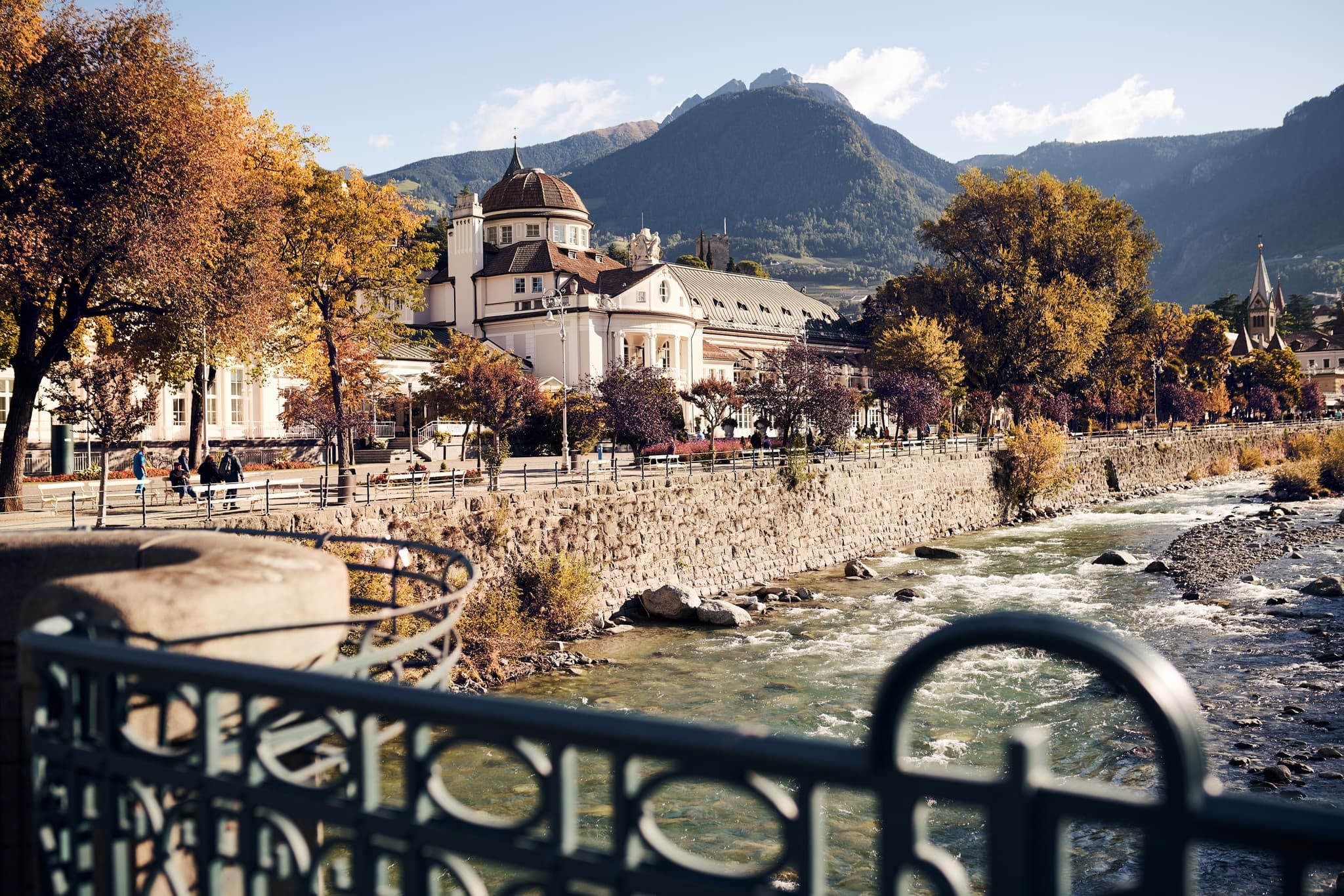
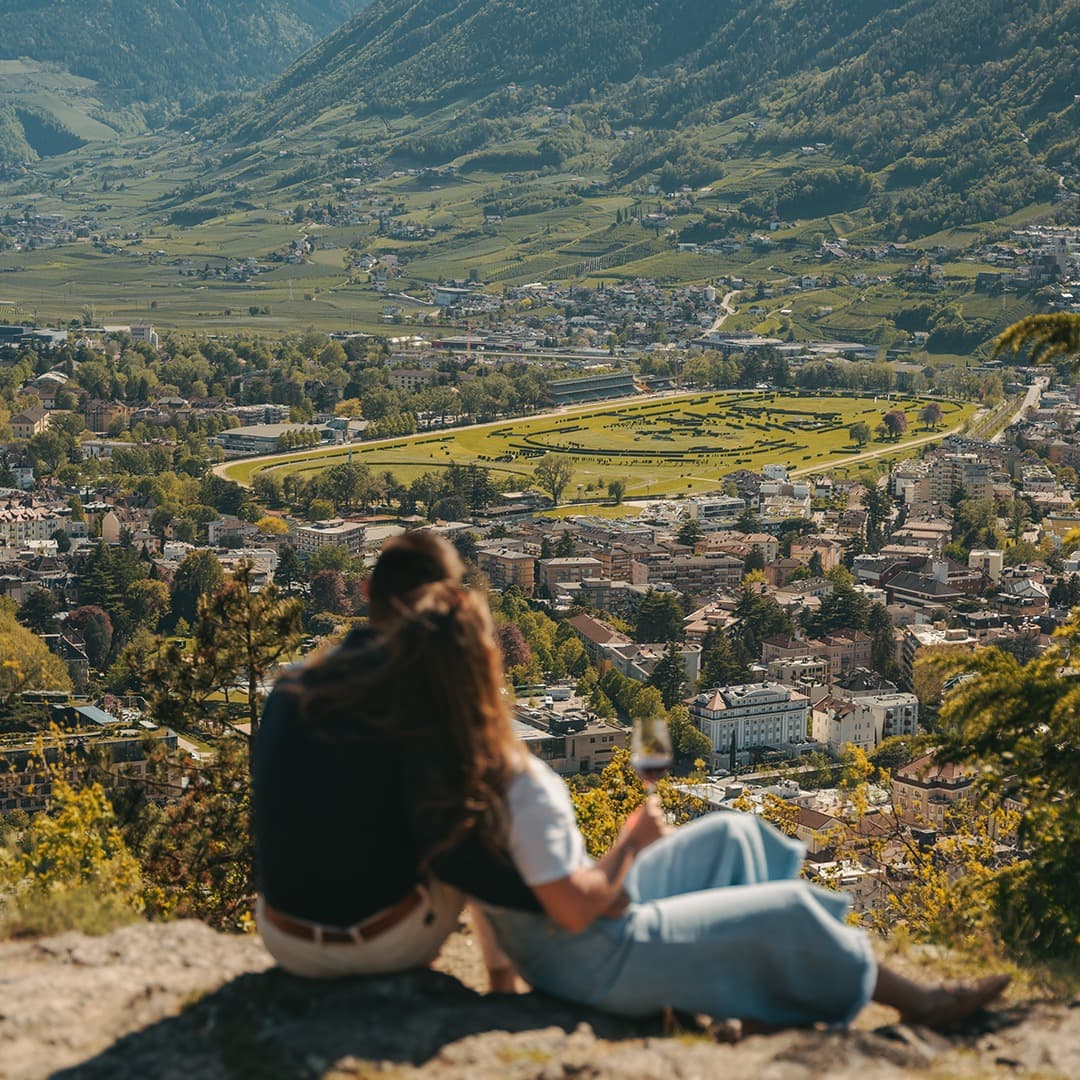
Is one of Italy’s most beautiful sat on a sun-drenched plateau cut through by the Passer River and framed by jagged limestone peaks. It is a rare Alpine pocket where a Mediterranean microclimate allows palms and cypress trees to thrive within sight of glaciers. This environment became a magnetic pole for 19th-century aristocracy, most notably Empress Sissi, who sought a physical and mental retreat from the rigid Viennese court. The town’s identity was forged not by leisure alone, but by a medical philosophy known as the terrain cure. Pioneered by Dr. Franz Tappeiner, this discipline argued that health was found in the deliberate rhythm of a walk and the steady regulation of body temperature through clean mountain air. Today, that legacy remains visible in the Belle Époque grandeur of the Kurhaus and the Art Nouveau Wandelhalle, a covered gallery built so the elite could continue their restorative rituals even in the rain.

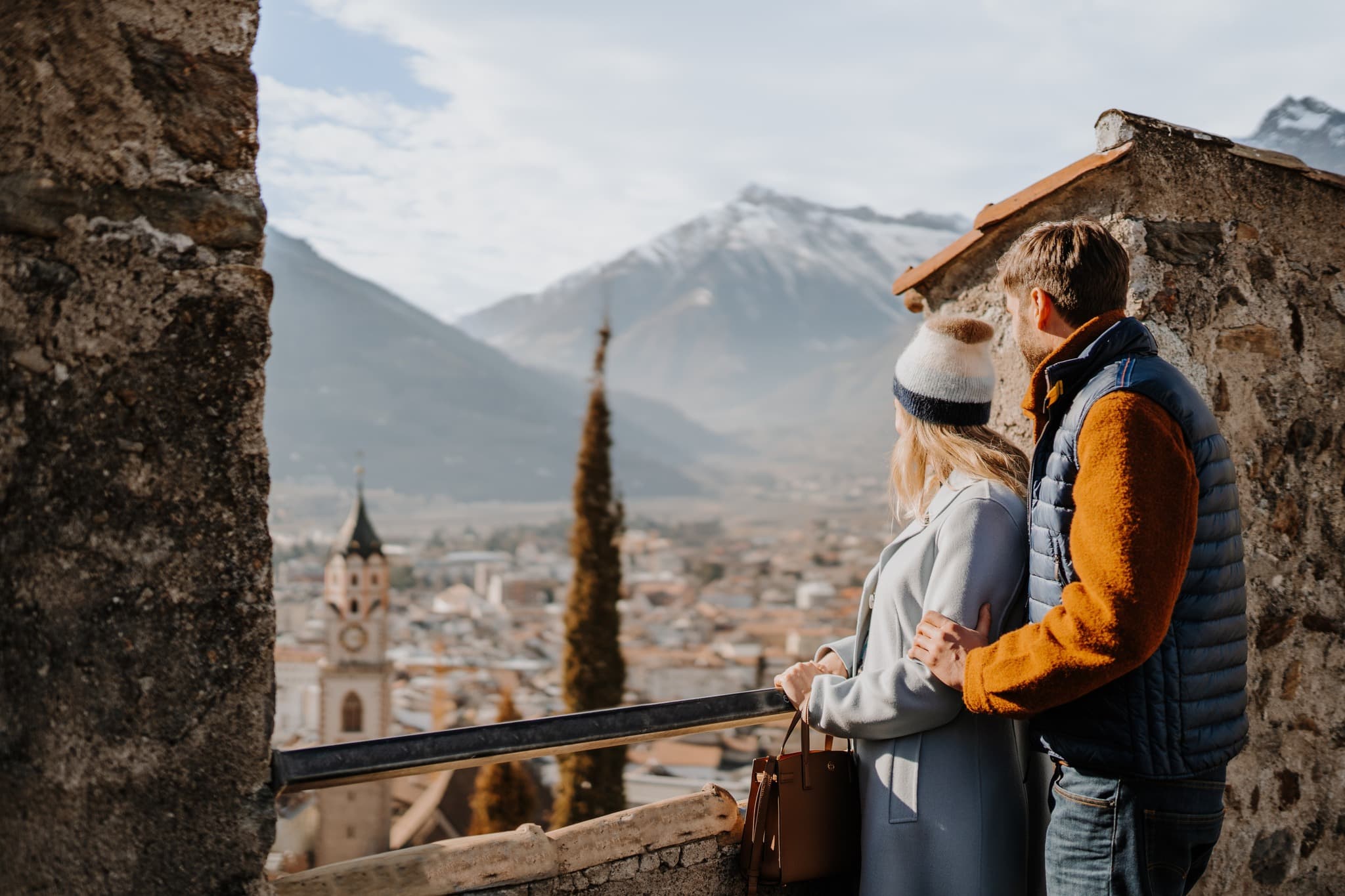
Merano’s architecture is where its history is most visible. In the medieval centre, the Laubengasse arcades, built in the thirteenth century, still define the town’s shape, and today they house a mix of international designer boutiques, high-end Italian labels, and smaller shops from local South Tyrolean designers, alongside bistros and cafés. Churches punctuate the old streets, many with frescoed facades and interiors that date back centuries, and the legacy of the spa era remains in the Belle Époque buildings and Baroque ballrooms that once hosted aristocracy. Along the Passer River, the promenades were designed for health and movement, and they still carry locals walking, meeting, and lingering. Above the town, the Tappeiner Walk threads through cork oaks and agave as a long, purposeful route rather than a tourist attraction. You still feel the Belle Époque grandeur of the Kurhaus, the town’s ornate early twentieth century spa-era gathering place, and the sleek modernity of the newer thermal baths, but the centre of Merano remains stubbornly medieval.
South Tyrol Gastronomy: A Playground for the Palate

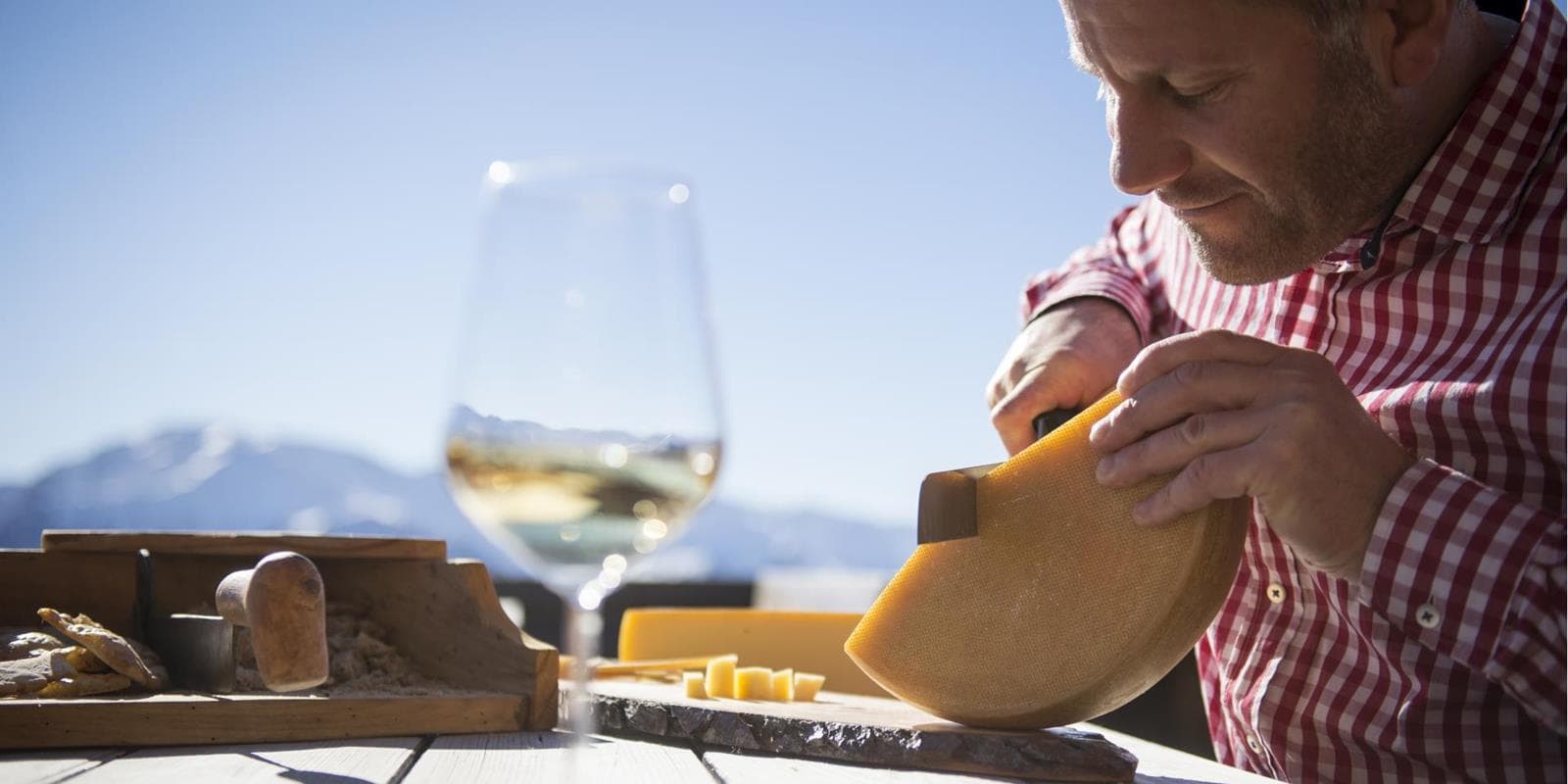
For the gourmet traveler, South Tyrol functions as a high-altitude playground where the geography dictates the menu. The valley floors are lined with apple orchards that produce crisp ciders and the strudel is so good you’ll want to make it the main course.. Higher up, the alpine meadows yield cheeses with a distinct complexity, flavored by the specific wildflowers and grasses of the mountain pastures. The region's meats are equally defined by the landscape, featuring grass-fed beef and a variety of game, from tender venison to delicate quail. This is a culinary culture where every ingredient traces back to a small radius of land, ensuring that even the most refined plates at a mountain degustation remain tethered to their origins.
South Tyrol Wine: Family tradition and Rare Mountain Vintages

In Merano, viticulture is a family affair defined by steep slopes and high altitudes, where the extreme diurnal shift and mineral rich soils of porphyry and limestone create wines of remarkable precision and natural acidity. This shared heritage is woven into the community, as the same families who tend the vineyards often run the local hotels and restaurants, producing distinct varieties like the structured, dark fruited Lagrein and elegant, mountain chilled Pinot Bianco. Because these low yield bottles are produced in small quantities by local cooperatives, they rarely leave the valley, making the region a necessary destination for those seeking access to these rare, site specific labels.
In Merano, winemaking remains a family tradition shaped by steep vineyards and high mountain elevations. The combination of warm days, cool nights, and mineral rich soils of porphyry and limestone gives the wines clarity, freshness, and natural acidity. This shared heritage runs deep through the community, as many locals work the vineyards alongside other jobs. During harvest especially, much of the town takes part, from families who tend the vines year round to those who step in when the grapes are ready.

This region produces distinctive wines such as the structured, dark fruited Lagrein and the crisp, mountain grown Pinot Bianco. Made in small quantities by local cooperatives, these low yield bottles are rarely exported, making the region an essential destination for anyone hoping to experience these site specific wines where they are grown.

You can experience this blend of tradition and modernity at City.Vinothek, an avant-garde space in the center of town that feels like a high end club, or at the historic Castel Rametz, where you can explore 13th century vaulted cellars that house the region’s first Pinot Noir plantings. Read our expanded story on South Tyrol wines here.
Merano Restaurants: The New Alpine Standard

In Merano, cooking grew out of the necessity of long Alpine winters, and that foundation remains visible today. What has changed is the level of ambition. A new generation of chefs has expanded the regional cuisine with serious technical intent, without losing sight of where it comes from. Ingredients are sourced from nearby but they are handled with a confidence that speaks to a broader culinary education. The cooking stays seasonal and grounded, yet calibrated to the expectations of a global audience.
The New Alpine Standard: SomVino and the Evolution of South Tyrolean Cuisine

SomVino captures the contemporary pulse of South Tyrolean food culture, where pride in regional heritage meets a distinctly forward looking culinary mindset. Ingredients come from the immediate environment, milk from high pastures, herbs from nearby slopes, and grapes from vineyards visible from the dining room itself.

The restaurant sits within SomVita Suites, Merano’s wine focused hotel, a polished an Alpine chic boutique hotel with a dramatic pool that would not feel out of place in a Bond film. A terrace opens directly onto the vineyard covered valley beyond, setting the tone for an experience that invites time and attention.

The culinary focus is a seven dish tapas tasting, translating haute cuisine into a refined, shareable format. The presentation is theatrical, arriving on a large tiered structure with a controlled release of dry ice, but the cooking remains precise and disciplined. From finely cut beef tartare accented with Alpine herbs to Calvisius quality anchovies handled with restraint, each dish demonstrates clarity of intent. Sitting on the terrace as the valley falls away below, the experience becomes a seamless pairing of a world class wine cellar and technically assured cooking, designed for lingering rather than spectacle. Read our full story on the SomVino Restaurant at the SomVita Suites here.

The Peak of Culinary Precision: The Michelin Starred Prezioso at Castel Fragsburg, Relais and Chateaux

For a formally structured expression of the region’s culinary ambition, the Michelin starred Prezioso at Castel Fragsburg Relais and Chateaux offers Chef Egon Heiss’s philosophy of Soul Cooking, served within a former fourteenth century hunting lodge set high above the valley.

At Prezioso, the kitchen is the unquestioned centre of gravity. Under Heiss’s direction, the menu is built on classical technique, disciplined sequencing, and ingredients drawn from the castle’s organic gardens and the surrounding Alps. Dishes arrive with visual precision, their beauty briefly giving pause before flavour quickly takes over. Wine pairings are handled with intelligence and restraint, allowing each course to resolve cleanly before the next arrives.

Menus change frequently, shaped by seasonality and the chef’s instincts, but the guiding principle remains constant. Balance over excess, clarity over indulgence. Savoury courses might include whitefish tartare with kohlrabi and wild herbs, forest soil composed of rice, shiitake and Jerusalem artichoke, or a composed main of rabbit ravioli or venison with red cabbage. Desserts close the meal with freshness and control rather than sweetness.

Prezioso is recognised among Europe’s most serious dining rooms, not for its setting or its views, but for its discipline. Each course serves a purpose, advancing the narrative of the meal with intention. The landscape may frame the experience, but it is the kitchen that defines it, and the reason guests make the journey more than once.

Prezioso is the culinary pride of the region, and is recognized among Europe’s most serious dining rooms. What distinguishes the experience is its discipline. Each course arrives with purpose, resolving what came before and preparing the palate for what follows. The view and the setting matter, but the kitchen is the reason people come here. It is also why they return.

Read the our full story on the Castel Fragsburg Relais and Chateux and Prezioso Gourmet Restaurant here
Luxury Hotels Merano: Family-run retreats with Alpine Charm

Guests at Prezioso my opt to spend the night at Castel Fragsburg, or they may opt for one of the other family owned auberges in the area, each offering its own version of Alpine calm. For a different kind of high altitude stay, Hotel Der Waldhof, Belvita Leading Wellnesshotels Südtirol of sits above Merano in the village of Völlan, positioned so closely within its surroundings that the landscape shapes the experience from the moment you arrive.

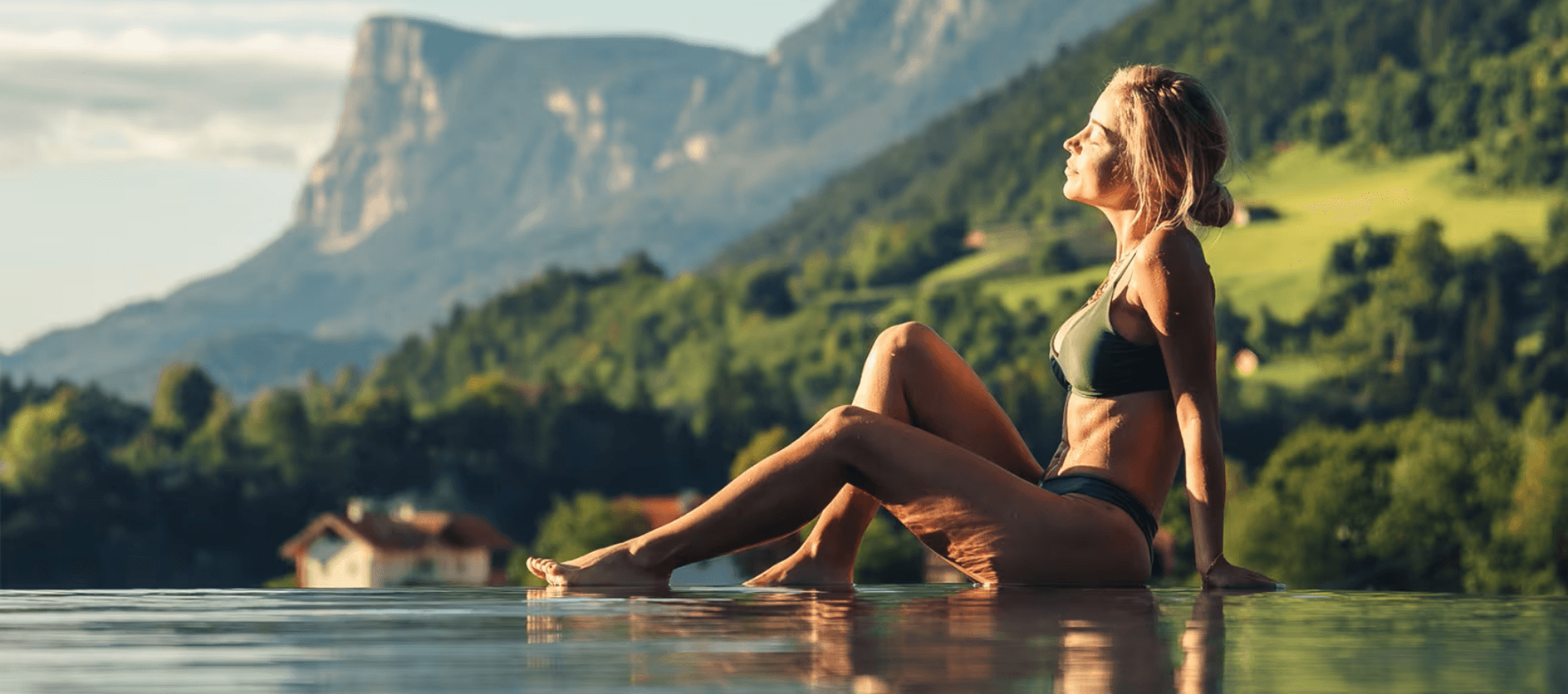
Traditional South Tyrolean architecture sits alongside a contemporary wing that opens directly toward the valley, with the cantilevered infinity pool acting as the clearest expression of that dialogue. The hotel remains firmly rooted in its family ownership, now spanning several decades under the Mahlknecht family, which gives it a sense of continuity that avoids any corporate feel.

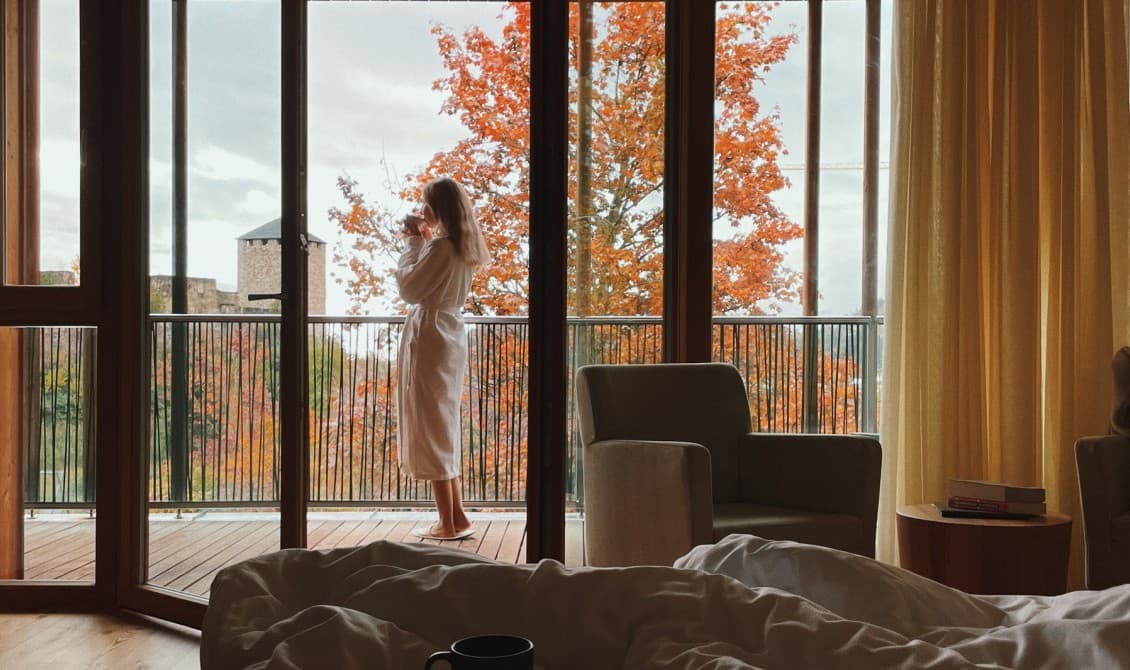
Inside, larch, pine, stone, and locally sourced art create an atmosphere that is restrained and purposeful, allowing the mountains to remain present even when you are indoors. Rooms in the newer wing are especially strong, with floor to ceiling windows and balconies that frame Mayenburg Castle and the orchards below.
Dining and wellness follow the same regional logic. The kitchen, led by Chef Tibor Sztepanek, works closely with the hotel garden and nearby producers, while summer evenings on the terrace stretch naturally into long, unhurried meals.

The Edelstein Spa is organised around water and heat, anchored by the infinity pool and a sequence of saunas, and the private forest park allows guests to walk or hike directly from the property.

Der Waldhof is best suited to those seeking a focused wellness stay, where the setting leads every decision and the design, food, and spa quietly reinforce that priority without competing for attention. Read the full story on Hotel Der Waldhof, Belvita Leading Wellnesshotels Südtirol here.
Travel to South Tyrol: The SkyAlps Connection
Getting to Merano and the surrounding Alps is refreshingly straightforward thanks to SkyAlps, a regional airline founded in South Tyrol in 2020 by local entrepreneur Josef Gostner. Created with the clear aim of restoring direct air links to this corner of northern Italy, the airline launched operations the following year, reconnecting Bolzano with key European cities and reshaping how the Alps are reached.

Direct flights from London Gatwick land at Bolzano Airport, placing you within easy reach of Merano without the long road transfers or crowded hubs that typically define Alpine travel. The airport itself is modern, compact and calm, with a comfortable lounge that makes arrival and departure feel measured rather than hurried.
There is also a quietly pleasing detail on the return journey. SkyAlps allows a complimentary case of wine in the hold, making it possible to bring home bottles discovered in small local cantinas around Merano. As gifts go, a carefully chosen wine from the region carries far more meaning than anything bought at the last minute in a departure hall.
Merano Travel Experience: A Landscape Rich in natural beauty, culture, food and wine
Merano works because everything here is built around what the land can actually do. The vineyards are high, the slopes are steep, and yields are small. That means a lot of the wines you taste are only available locally, which is part of the reason people end up buying cases to take home. The food follows the same logic. Menus change with what’s available in the micro seasons, and the best kitchens treat local ingredients with the same seriousness they’d give to anything from the world’s best regions. It’s not about showing off, it’s about doing things well with what’s on the doorstep.
History is everywhere in Merano, but it doesn’t feel like a museum. The town has modernised without losing its sense of place. Hotels and restaurants still feel personal, not corporate, and that’s why the experience feels grounded rather than staged.
What ties it all together is the landscape. The altitude forces discipline, and discipline creates clarity. The result is wine and food that are precise, focused, and unmistakably of this region. Merano isn’t about escaping, it’s about understanding what this part of the Alps can produce when people work with it rather than against it.

Glenn Harris
Glenn Harris is an accomplished journalist focusing on luxury travel, fine dining, and exclusive lifestyle events. His wanderlust has taken him to over 128 countries where he constantly strays off the beaten path to uncover exotic locations, travel gems and exciting experiences to capture.
Read More
Lamu, Kenya: Low-Key Luxury on the Swahili Coast
Spain Cruise Review: Windstar Cruises Star Legend the Luxury Midsize Cruiseship

Inside Pabidi Lodge, Uganda's New Luxury Base for Budongo Forest Chimpanzee Safaris