Cité du Vin at 10, How Bordeaux’s Wine Museum Redefined Wine Tourism
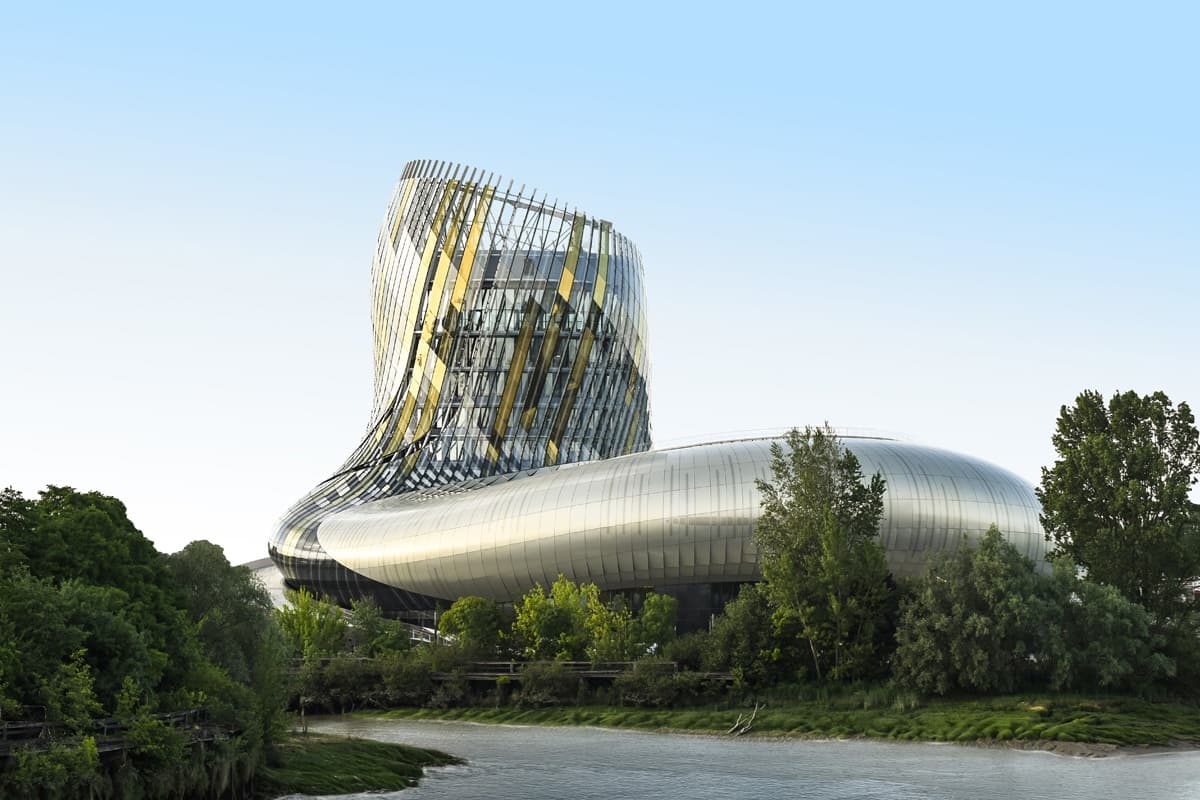
Wine is rarely just about what is in the glass. It carries geography, ritual, memory and increasingly, interpretation. When Cité du Vin opened in 2016 on the banks of the Garonne, it set out to frame wine in precisely these broader terms. Ten years later, that proposition feels less ambitious than prescient.
Since opening, more than 3.5 million visitors have passed through its doors, with annual attendance holding steady at around 400,000. What has shifted is who those visitors are. Today, international guests account for roughly 55 per cent of attendance, a change that, according to Marketing and Communications Director Solène Jaboulet, says as much about Bordeaux’s global appeal as it does about the venue itself.

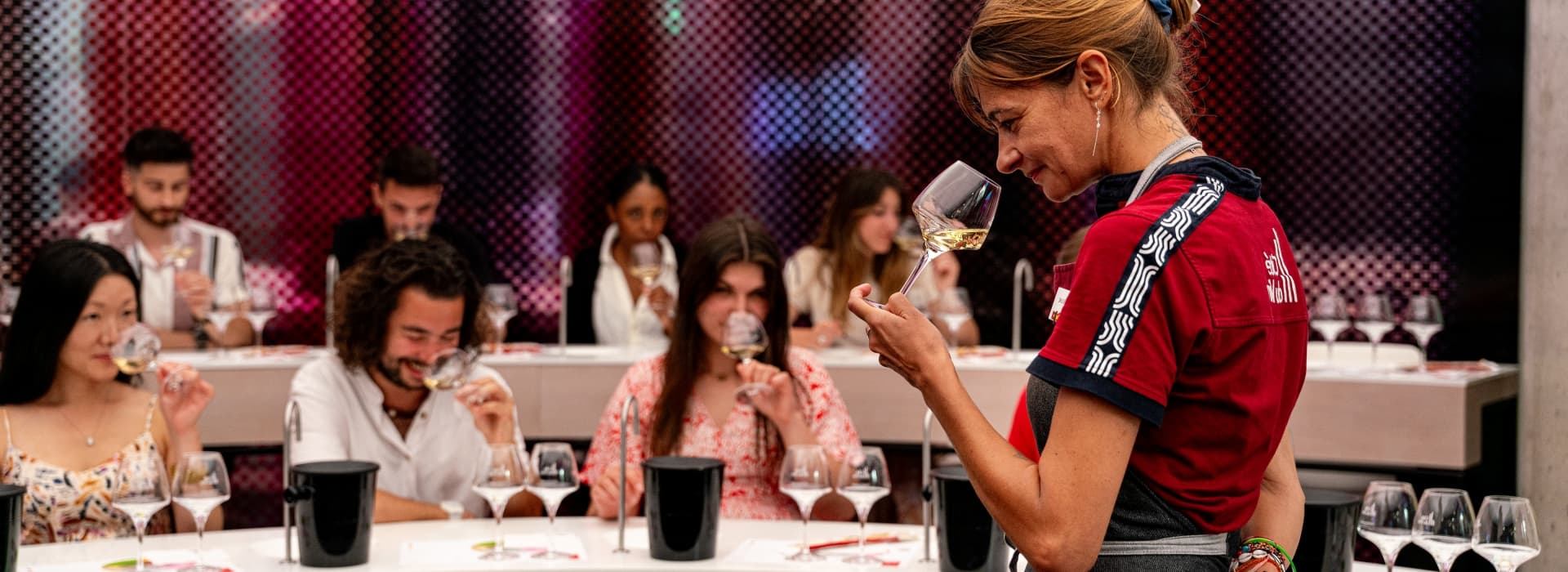
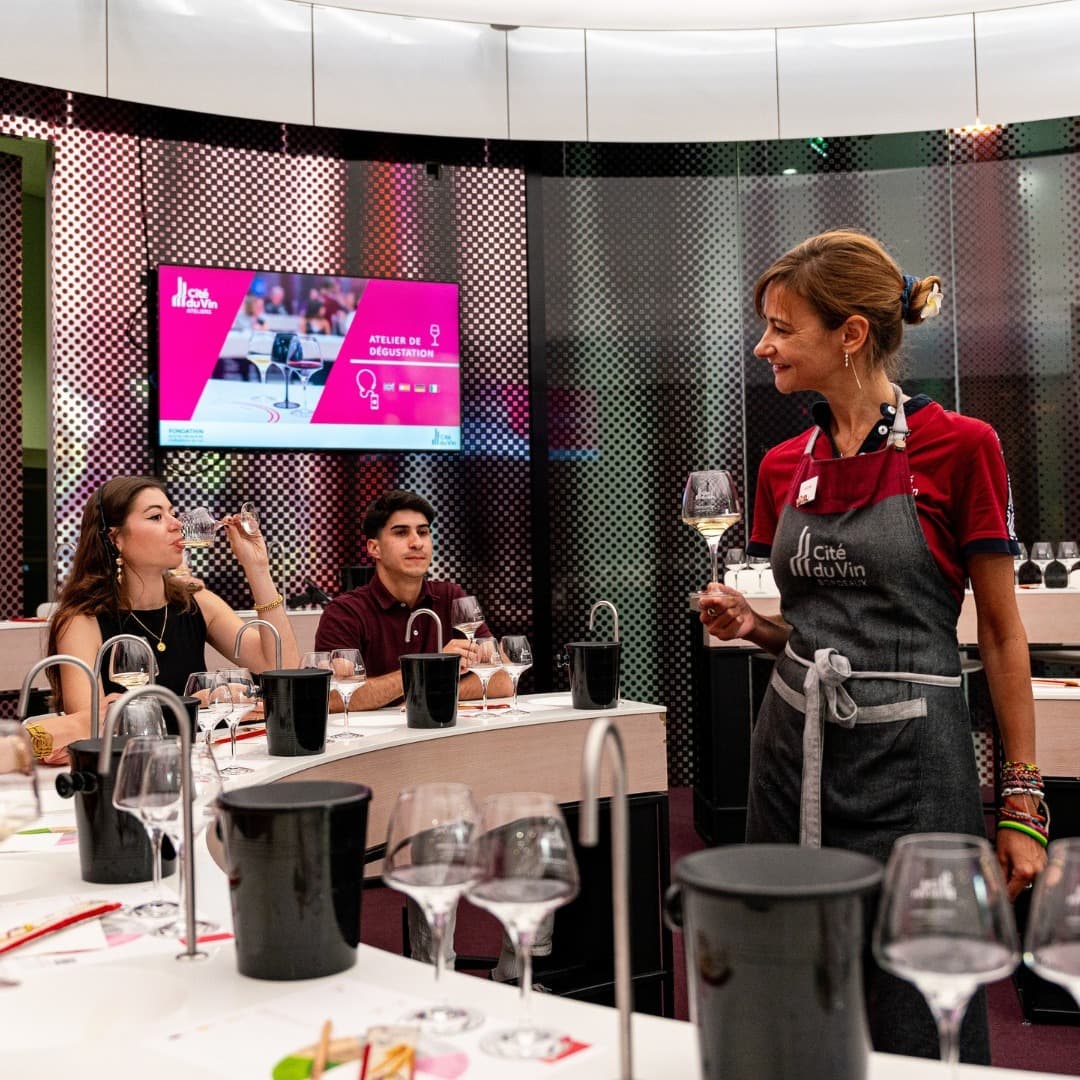
“One of the reasons for its popularity,” she explains, “is that it is accessible to all audiences. It is not reserved only for wine enthusiasts or professionals. Our approach is playful, sensory and interactive, making the experience enjoyable for everyone.” She adds that content is delivered in nine languages across the Permanent Exhibition, and tasting experiences are available in English and Spanish - to make international guests feel at home.
Designed for access, not expertise

From the outset, the Cité du Vin resisted the conventions of a traditional wine museum. Visitors are not expected to arrive with encyclopedic knowledge. Instead, the experience is designed to draw them in gradually, whether through immersive installations, guided tastings, or the contemplative rhythm of the permanent exhibition.
“This approach is about opening up wine rather than narrowing it,” says Jaboulet. “We want visitors to discover, explore, and connect in a playful, sensory way.” Director-General Philippe Massol has highlighted the institution’s ability to “create innovative cultural activities that are accessible to everyone” as a defining strength. That balance between depth and accessibility has been central to its enduring appeal.
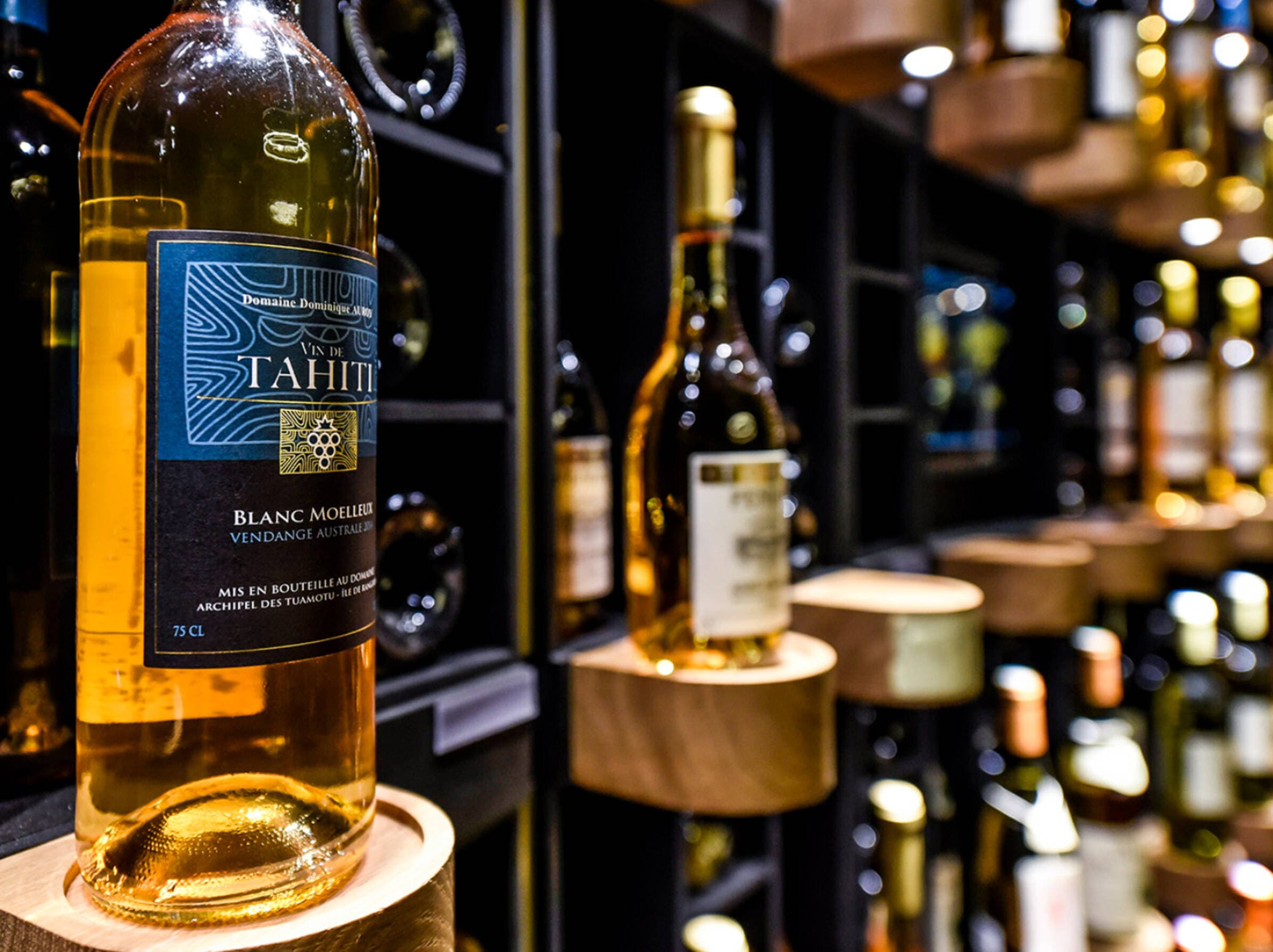
The Permanent Exhibition alone offers over six hours of content, moving visitors across centuries and continents. From the viticultural practices of ancient civilizations to modern innovations in wine production, the narrative is structured but never didactic. Visitors can wander at their own pace, pause at installations that capture their attention, or linger at tasting stations to explore sensory connections.
“Between the Permanent Exhibition, the varied tasting experiences that take visitors from Bordeaux to vineyards around the world, original temporary exhibitions and the many events we organise each year, we have always aimed to reach a wide audience with diverse expectations,” Massol says. “The challenge is to balance knowledge and enjoyment, so that everyone, from novices to connoisseurs, can find something meaningful in the experience.”
A decade of milestones

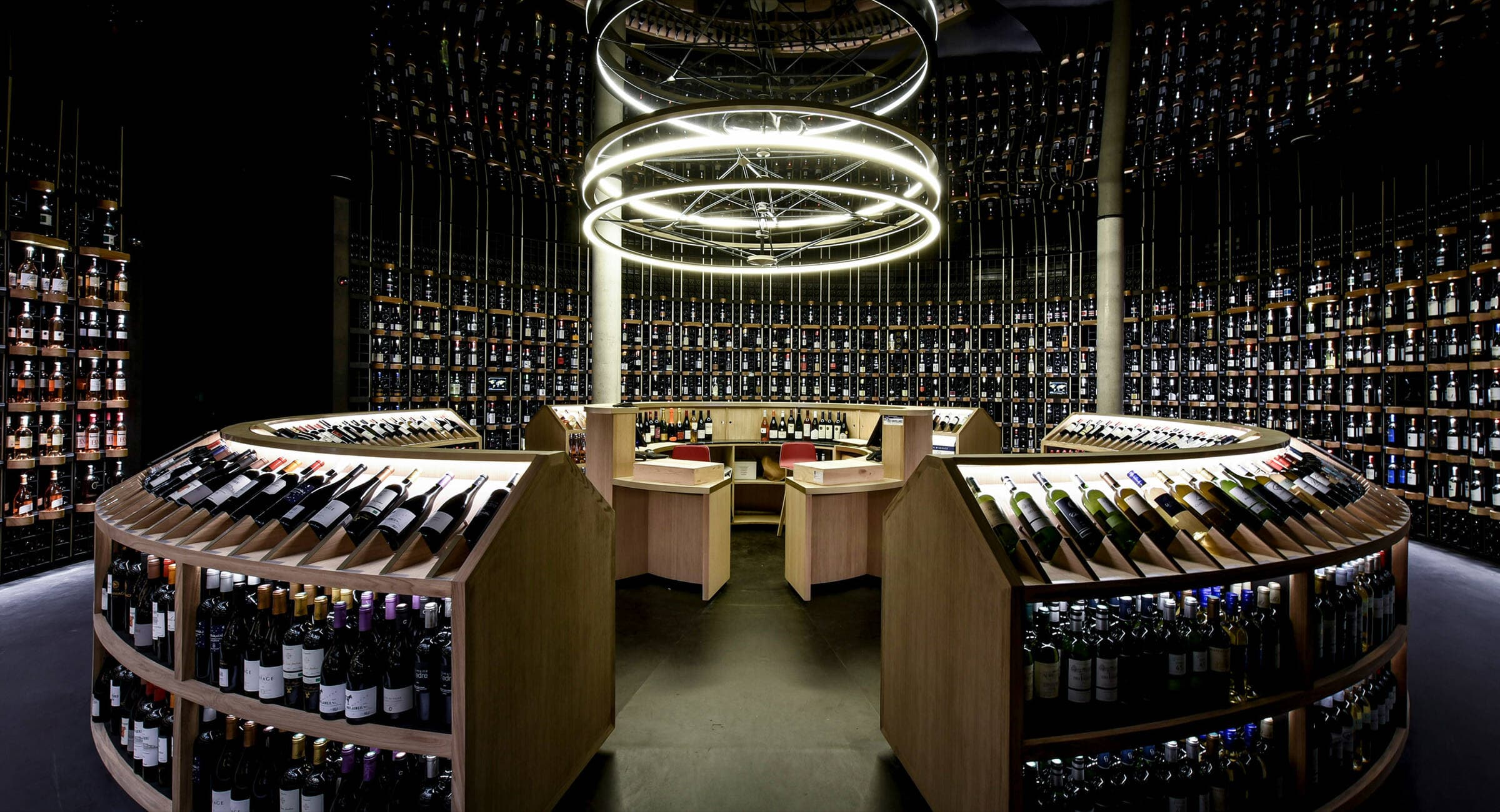
Since its opening, the museum has continually evolved. In 2023, the Permanent Exhibition underwent a major renewal, earning widespread praise for the way it blends interactive technology with cultural storytelling. Visitors now move seamlessly between immersive video projections, tactile displays, and sensory experiments, all designed to create an intimate connection with wine’s global significance.
“The excellent word-of-mouth we’ve seen,” Jaboulet notes, “combined with our focus on Très Grande Satisfaction, has helped the Cité du Vin become widely recognised internationally. We are very proud of what we have achieved over the past decade.”
The museum’s success reflects the universal and unifying nature of wine. Its popularity is not driven solely by Bordeaux’s reputation, but also by the quality and diversity of its programming, from workshops and tastings to temporary exhibitions and public events.

A year structured around celebration

To mark its tenth anniversary, 2026 is being celebrated with a programme of events that spans the entire year. Throughout the year, a photography exhibition titled Around the World in 50 Wine Regions presents 54 photographs selected by partner vineyards across five continents. Each photograph captures not just the landscape of wine but the cultural identity of the regions it represents.
“The exhibition is a way to celebrate our partners and the territories that make wine unique,” explains Jaboulet. “Each photograph was chosen to reflect the spirit of the vineyard, its people, and its traditions.” Visitors can experience these regions visually before stepping into the tasting experiences that connect them sensorially to the wine itself.
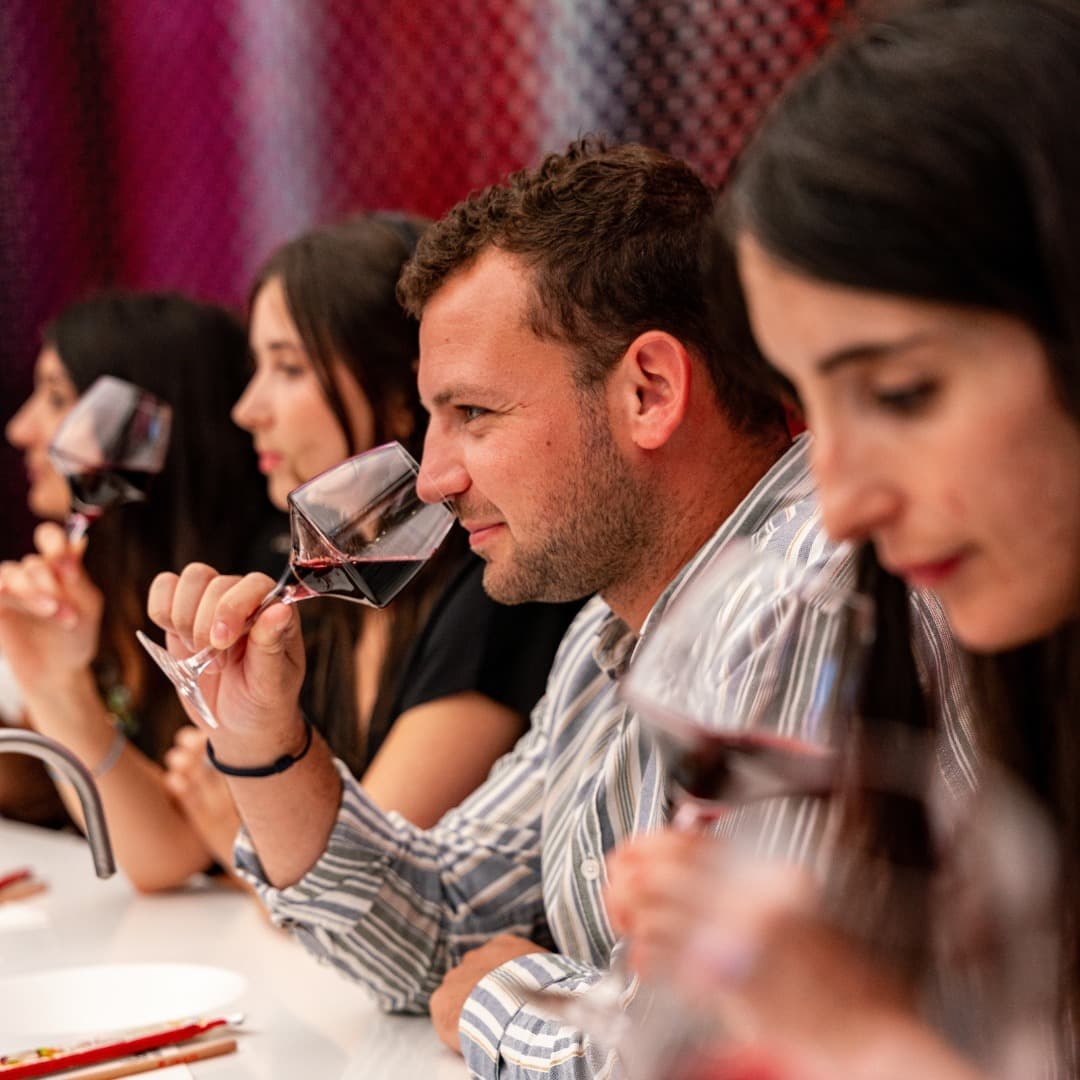
In April, the Via Sensoria tasting trail returns, this year entirely devoted to Bordeaux wines. For the first time, it explores four distinct styles within a single region, accompanied by seasonal food pairings. Guests are guided through the fundamentals of taste - sweetness, acidity, bitterness, and salinity - in a format that is structured yet playful.
“Wine is often thought of as complicated,” Jaboulet says. “Our aim is to make it enjoyable, approachable, and educational at the same time. We want visitors to leave with knowledge, yes, but also with curiosity and pleasure.”
Beyond the galleries
The anniversary programme also reaches beyond the museum itself. From April to September, the gardens will host an outdoor exhibition by British photographer Martin Parr. Art de vivre captures everyday rituals, social moments, and celebrations in both Bristol - Bordeaux’s twin city - and France. Wine appears subtly, more as a thread connecting experiences than a subject in itself.
“This exhibition reminds us that wine is part of life,” Jaboulet notes. “It’s in the gatherings, the meals, the celebrations - the moments we share.”
June celebrations and public engagement
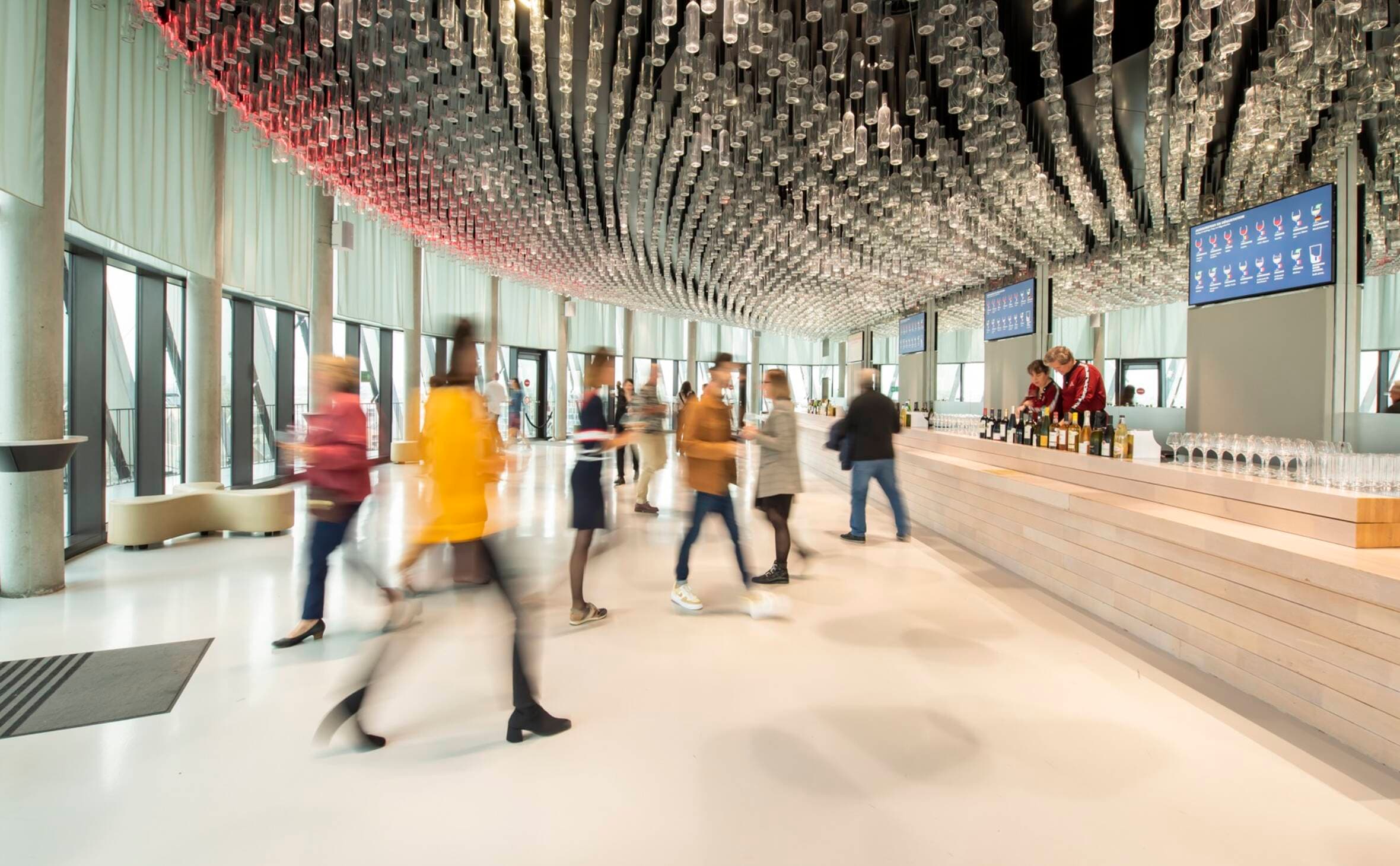
The main anniversary celebrations will take place from June 4 to 7, combining late-night openings, tastings, workshops, and family-friendly activities. Visitors can try everything from virtual vine-pruning competitions to mural colouring, Kapla construction, and wine-crate customisation. Evenings will feature live music, DJ sets, street art, and food trucks, offering a festive, relaxed atmosphere.
These events are designed to reflect the museum’s wider mission: wine is not an elite pursuit but a shared cultural language. Visitors are invited to participate, to explore, and to linger, rather than move through on a schedule.
A living archive of wine culture
At its core, the Cité du Vin remains a site of interpretation. The permanent exhibition offers more than six hours of content, moving seamlessly between history, geography, science, and the arts. Tastings introduce not only vocabulary but also context, connecting the sensory with culture.
“Visitors leave having learned the basics of wine tasting, yes, but also the broader context - the stories, the traditions, and the social significance of wine across the world,” says Jaboulet.
The museum is also committed to sustainable and inclusive tourism. Certifications such as NF (‘Norme Française’) Environnement, Tourisme & Handicap, and Accueil Vélo underline its dedication to accessibility and environmental stewardship. “We want everyone to enjoy the experience, regardless of ability or background,” says Jaboulet.
A benchmark for contemporary wine tourism
Ten years on, the success of the Cité du Vin mirrors a broader evolution in luxury travel. Visitors are increasingly seeking experiences that connect product to place, consumption to understanding, and tasting to culture. Wine tourism has moved beyond vineyard visits to become interpretive, immersive, and intellectually rich.

By presenting wine as a living, global heritage, spanning continents, histories, and disciplines, the Cité du Vin has quietly redefined what a wine destination can be. Ten years later, it feels less like a tourist stop and more like a reference point: a framework for understanding wine, culture, and the stories that link them.
As Massol puts it, “The goal has always been to make wine relevant, enjoyable, and accessible. Visitors take away more than knowledge; they take away a new perspective on wine and culture.”
Whether through photography, tasting trails, or immersive exhibitions, the Cité du Vin demonstrates that wine is a language in itself, one that, when interpreted well, speaks across borders, generations, and experiences. Ten years on, it stands as a testament to what happens when culture, curation, and creativity converge.

Jenny Eagle
Jenny Eagle has been a journalist for more than 20 years, writing for The Daily Mail, OK! magazine, The Sun, The Mirror, the Mail on Sunday, the Press Association and The Sunday Telegraph. Jenny has lived and worked in Montpellier for 10 years and in her spare time writes travel articles for France Today, The Good Life France and Culture Trip.
Read More
Salon Privé 2026 at Blenheim Palace: Inside Britain’s Luxury Automotive Garden Party
La Belle Epoque: European Waterways’ Luxury Burgundy Barge Cruise
Great Rail Journeys and Amadeus Rhine River Cruise: Exploring the Rhine by Rail and River