Milan’: The Real Winner of the Milan Cortina Winter Olympics
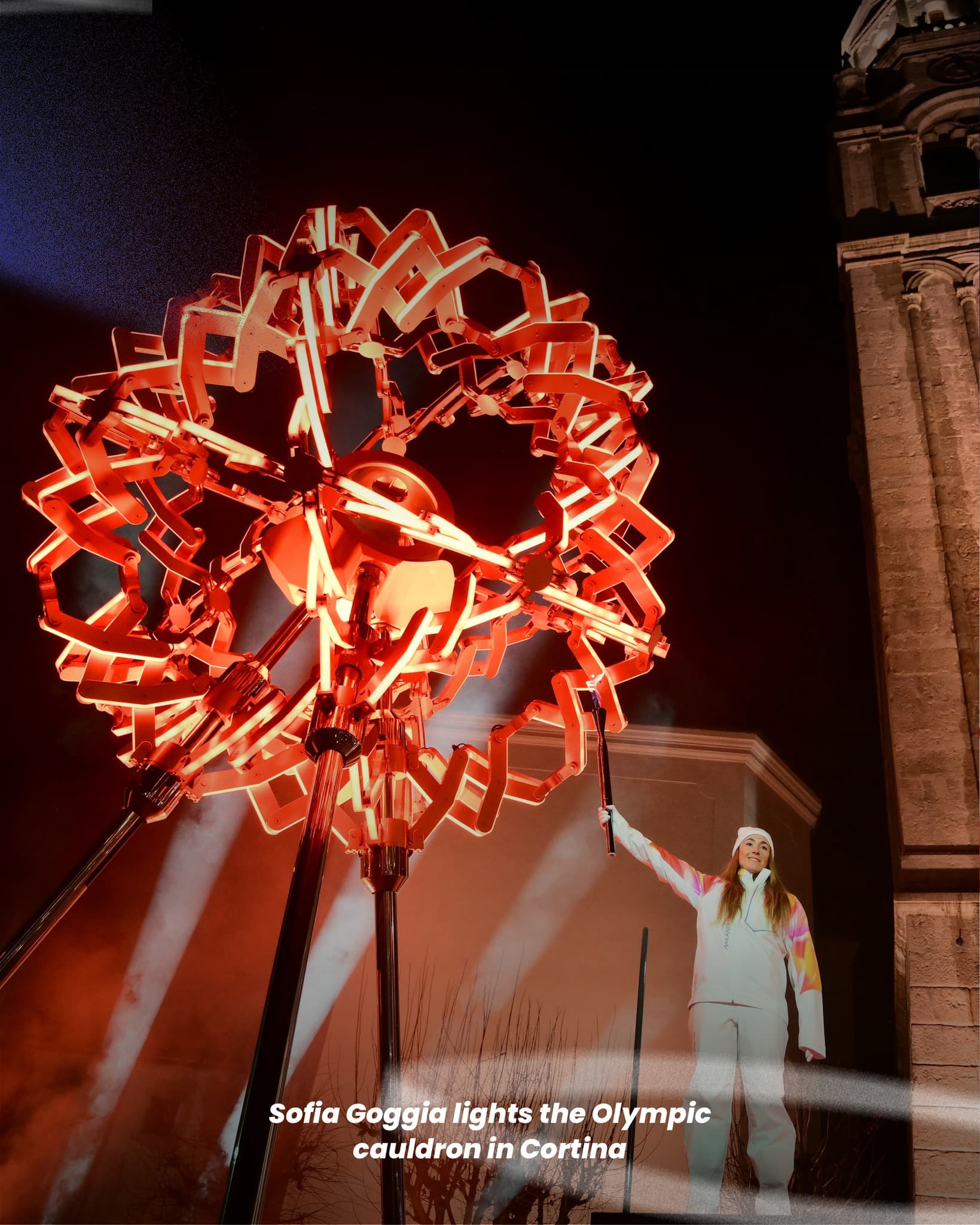
For more than two and a half weeks the world moved through Milan. Millions of visitors arrived from nearly ninety countries, filling the city’s hotels, restaurants, museums, and theatres, while nearly sixty five thousand spectators gathered for the opening ceremony. Photographers and broadcasters carried images of the Games to audiences around the globe. The numbers alone were impressive, yet the real story was something less measurable. By the end of the Milan Cortina Winter Olympics, the city itself had emerged as the true winner.

Not simply because the event unfolded without disruption, or because the complex organisational machinery worked with precision. Milan absorbed the scale of the Olympics with ease, allowing the spectacle to unfold while daily life continued around it. In little more than two weeks the city confirmed something it has long known about itself. It is a great city. As the Milanese like to say, Milan l’è semper on gran Milan, and during the Games that sentiment seemed to resonate far beyond Italy.

MILAN, ITALY - FEBRUARY 06: Cupid (Claudio Coviello) & Psyche (Antonella Albano) perform a tribute to Italian beauty during the opening ceremony of the Milano Cortina 2026 Winter Olympics at San Siro Stadium on February 06, 2026 in Milan, Italy. (Photo by Sarah Stier/Getty Images)
Visitors arriving for the Olympics quickly noticed this confidence. Many came expecting efficiency, style, and cultural programming, yet what they encountered was a city that balanced all of that with remarkable composure. Milan presented itself without exaggeration, welcoming international guests while continuing the everyday movement of urban life. Streets, neighbourhoods, museums, cafés, and public squares took on renewed energy as they were experienced by people seeing them for the first time.
The Olympic moment allowed Milan to show itself clearly. Prepared, captivating, and precise, it revealed a distinctive character that defines the city. Milan knows how to welcome visitors without overwhelming them. It presents itself as both a glamorous capital and a modern metropolis while maintaining the character of a living city with its own pace and identity.
One example was Casa Italia at the Triennale. During the Games it functioned not only as a private lounge but also as a gathering place open to fans and visitors. Across the city fifteen other international Olympic houses added their presence, creating a cultural and diplomatic mosaic. Concerts, talks, exhibitions, tastings, and official gatherings unfolded across Milan throughout the event.

Restaurants also joined the celebration, opening their kitchens and presenting signature dishes to international guests. At Don Lisander diners rediscovered the iconic dessert La Provvidenza, a mascarpone cream cake inspired by the Milanese writer Alessandro Manzoni. Across the city hotels and restaurants introduced special experiences for the occasion. At the Mandarin Oriental a “mountain menu” transformed the elegant restaurant into a refined alpine brasserie, while sunset aperitivi drew crowds to the Radio Rooftop at ME Milan Il Duca.

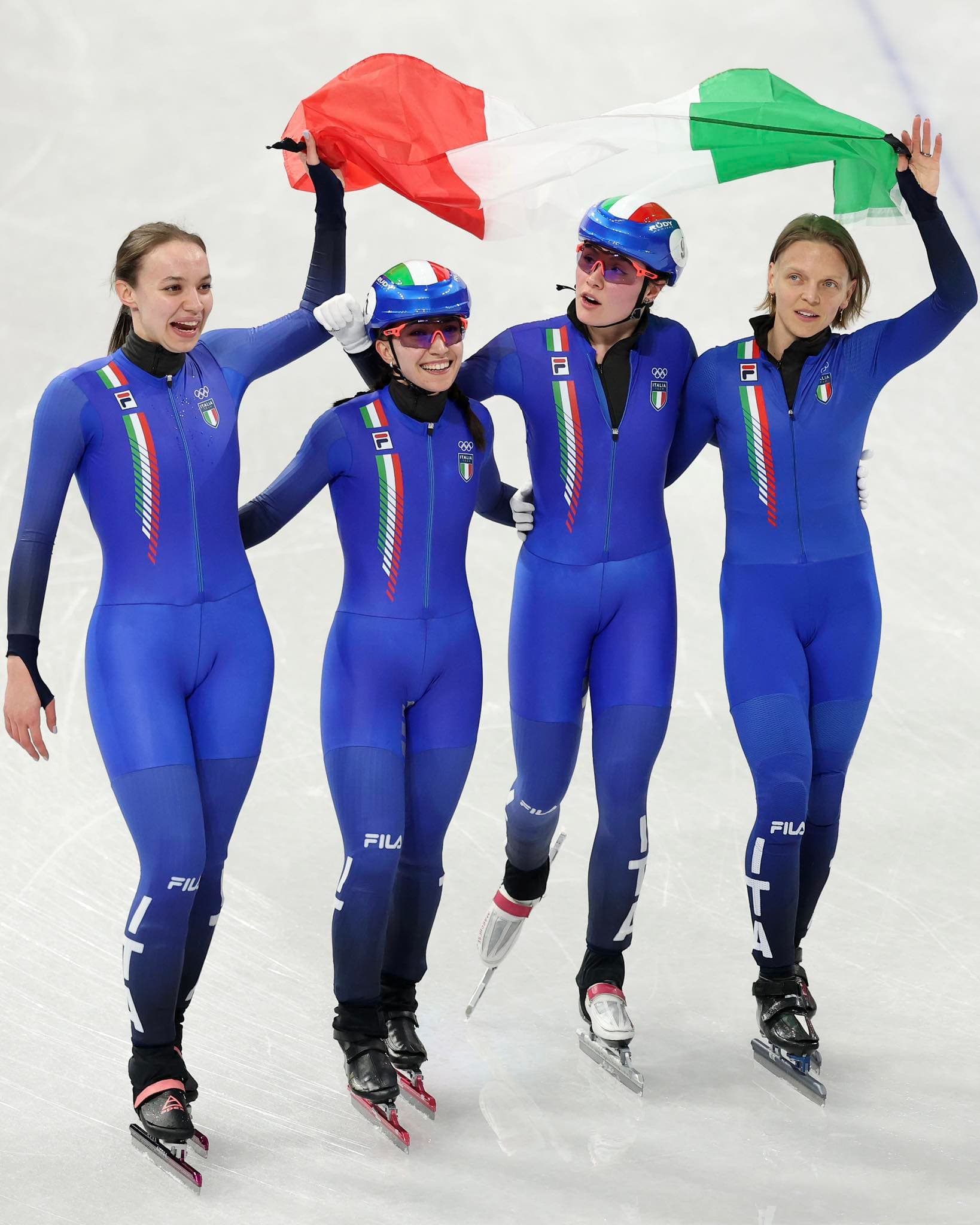
Photo by Matthew Stockman/Getty Images
Evenings continued inside the private club of Casa Cipriani and within the Belle Époque interiors of Hotel Gallia. Another addition that captured attention was the De Montel thermal complex near the San Siro stadium and the historic racecourse. It quickly became one of the city’s most talked about new destinations, as it is placed just next to the stadium where the opening ceremony directed by Marco Balich was spectacularly unfolded.

Art, design, and fashion remained central to Milan’s cultural identity throughout the Games. At the Pinacoteca di Brera masterpieces of Italian and Lombard art from the fourteenth to the twentieth century appeared alongside creations by Giorgio Armani. The legendary designer passed away in 2025, yet his presence remains deeply felt in the city and among the athletes who wore uniforms designed by his house for the Olympics.

Nearby, the Gallerie d’Italia offered another dialogue between Lombard artistic heritage and contemporary photography. The museum stands close to Palazzo Marino and only steps from the famous Galleria Vittorio Emanuele II. There visitors continue to perform a centuries old Milanese ritual believed to bring good luck. A heel is placed on the mosaic bull embedded in the floor, followed by three spins.

Many of the largest crowds during the Olympics gathered around the free exhibitions and installations dedicated to winter. At the Triennale the exhibition White Out: The Future of Winter Sports examined design, technology, and the uncertain future of mountain landscapes confronting climate change. At the MUDEC, the Museum of Cultures, snow became the starting point for a broader global narrative.

Immersive installations, monumental photography, video works, and contemporary art transformed ice into a universal language connecting cultures, geographies, and myths. The subject extended far beyond sport, touching on landscape, spirituality, and survival. Snow was no longer simply the surface on which athletes compete. It became a symbolic material, fragile and political, as seen in the installation The Moment the Snow Melts by Japanese artist Chiharu Shiota, on view until June 2026.

At the other end of Milan’s cultural life stands Teatro alla Scala. The red velvet seats of the opera house remain one of the city’s most recognisable symbols. La Scala is the home of opera, but it is also a stage where Milan presents itself to the world. Each year on the seventh of December the city gathers for the Prima, the opening of the opera season.
Stepping inside reveals more than the famous golden foyer and theatre boxes. Corridors, rehearsal rooms, and offices show where seasons are planned and international collaborations take shape. Cultural diplomacy unfolds here through music, artistic partnerships, and shared productions. Beneath the theatre’s monumental chandeliers the atmosphere carries a sense of ceremony.
La Scala feels almost like a secular cathedral, a place where Milan expresses its cultural influence with the same discipline and precision found in an orchestra. Experiences like this helped shape a growing impression among visitors during the Games. Milan did not feel like a temporary host city. It felt like a capital.

Part of that perception reflects years of careful preparation. Yes Milano, the city’s official international promotion platform created by Milano and Partners, has played an important role in presenting Milan to the world. Under the leadership of Fiorenza Lipparini the initiative positions the city not only as a travel destination but as a European centre for business, innovation, culture, design, and major international events.
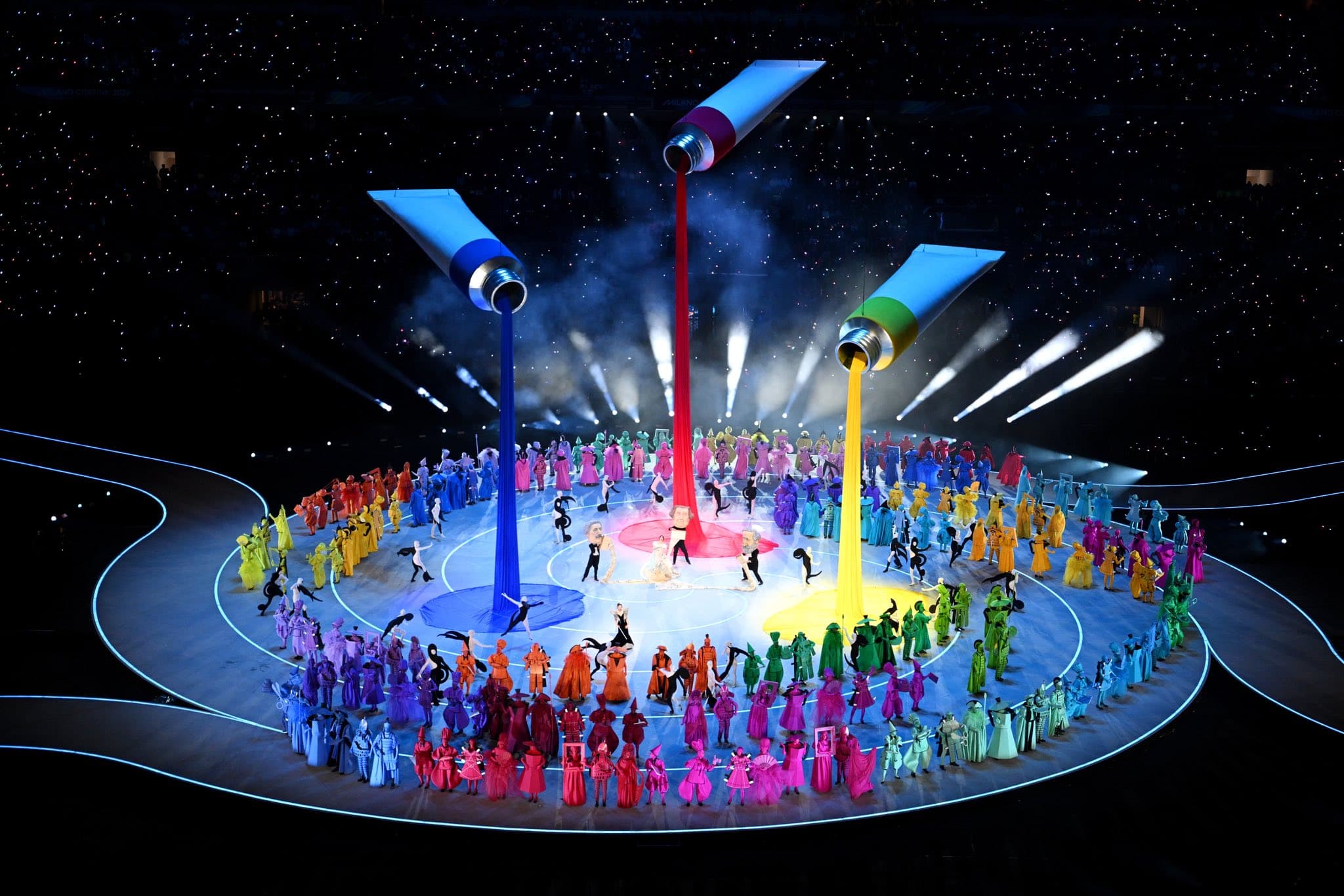
Photo by Matthias Hangst/Getty Images
According to the report Your Next Milano 2026, Milan consistently ranks among the most closely watched cities in the world, holding a strong position in global tourism and events rankings. Yet numbers alone rarely tell the full story. Sometimes a shift in perception reveals more than statistics ever can.

Perhaps that is the real Olympic legacy. Not the millions of visitors, the thirty competitions, or the nearly ninety races. What remains is a new awareness. Milan is no longer a city preparing itself. It is a city that knows it is ready. And that may be the most important medal of all.
Federica Brunini
An Italian-born, internationally established author and travel journalist, she has lived across multiple countries, shaping a cosmopolitan voice defined by travel, culture, and a life lived across borders.
Read More
Salon Privé 2026 at Blenheim Palace: Inside Britain’s Luxury Automotive Garden Party
La Belle Epoque: European Waterways’ Luxury Burgundy Barge Cruise
Great Rail Journeys and Amadeus Rhine River Cruise: Exploring the Rhine by Rail and River