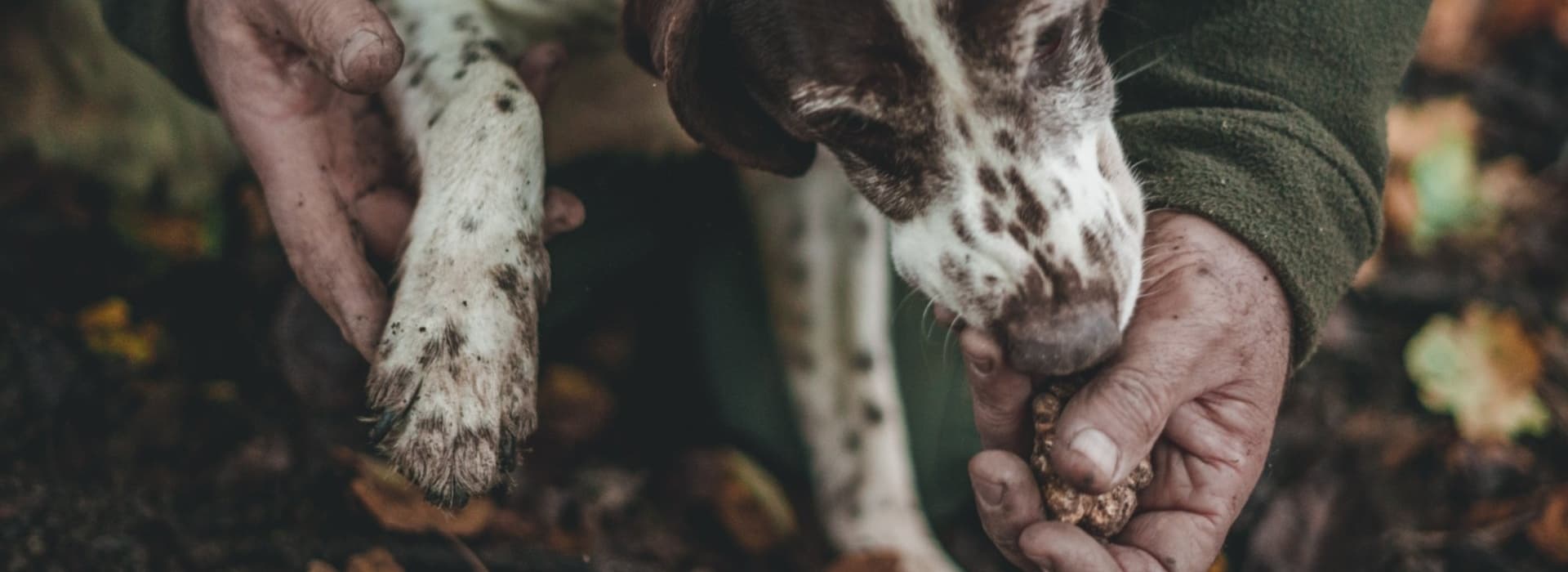
From Forest to Table, White Truffle Hunting in Tuscany
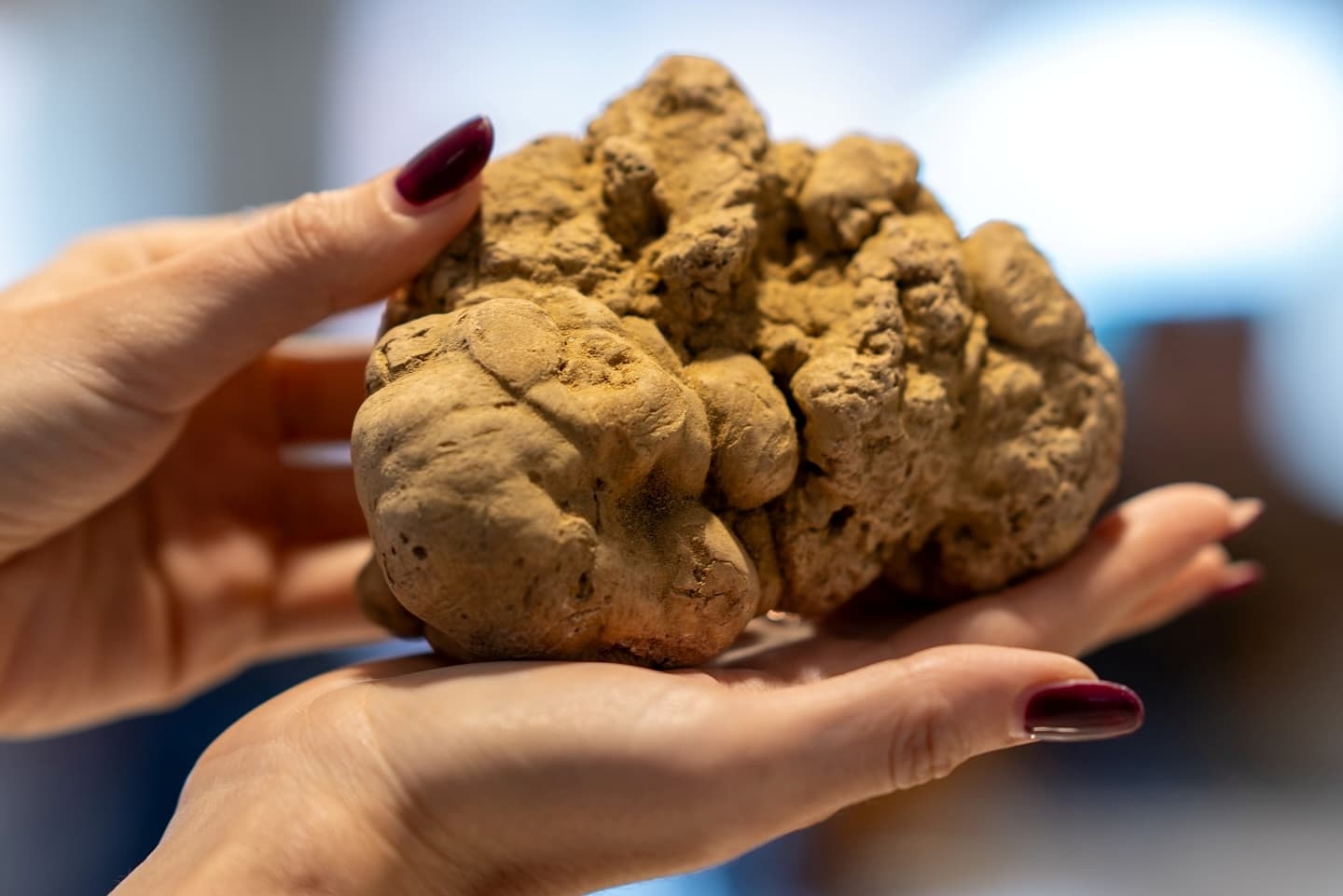
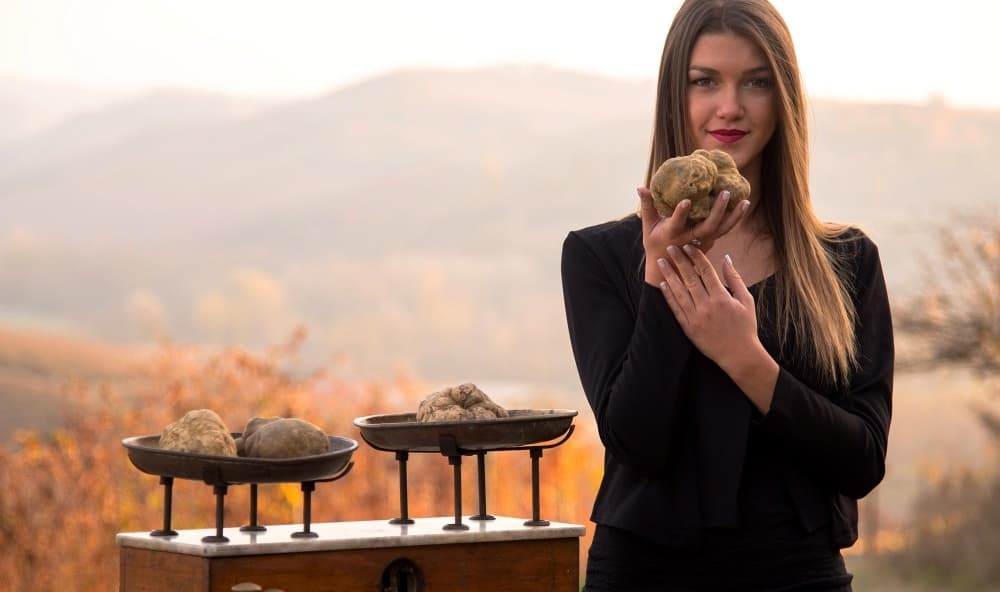
The white truffle is nature’s most uncompromising creation for the table. Irregular in shape, pale, almost unremarkable at first glance, it reveals itself only when cut or warmed. Its aroma is immediate and confrontational, a fusion of garlic, hay, aged cheese and damp earth that lingers long after it leaves the room. Like any serious work of art, it provokes reaction.
White Truffle Hunting Tour Tuscany
Some cooks construct entire menus around its scent, shaving it generously over buttered pasta or raw beef to amplify its intensity. Others find it overwhelming. Indifference is rare. It is this polarising, high value ingredient that underpins the truffle hunting tours explored here, led by third generation tartufaio Massimo Cucchiara in the hills around San Miniato.
What remains beyond debate is its value. Coveted by leading chefs from Osteria Francescana to Le Bernardin, white truffle is a seasonal benchmark in Michelin starred kitchens. Its scarcity drives prices to levels that routinely exceed several thousand euros per kilogram, particularly in years when rainfall patterns reduce yields.

Black truffles are more common and more widely cultivated, but the white truffle, Tuber magnatum Pico, resists domestication. It grows only in specific soils, in symbiosis with the roots of oak, poplar and elm, and only under precise climatic conditions. That unpredictability sustains both its mystique and its market.
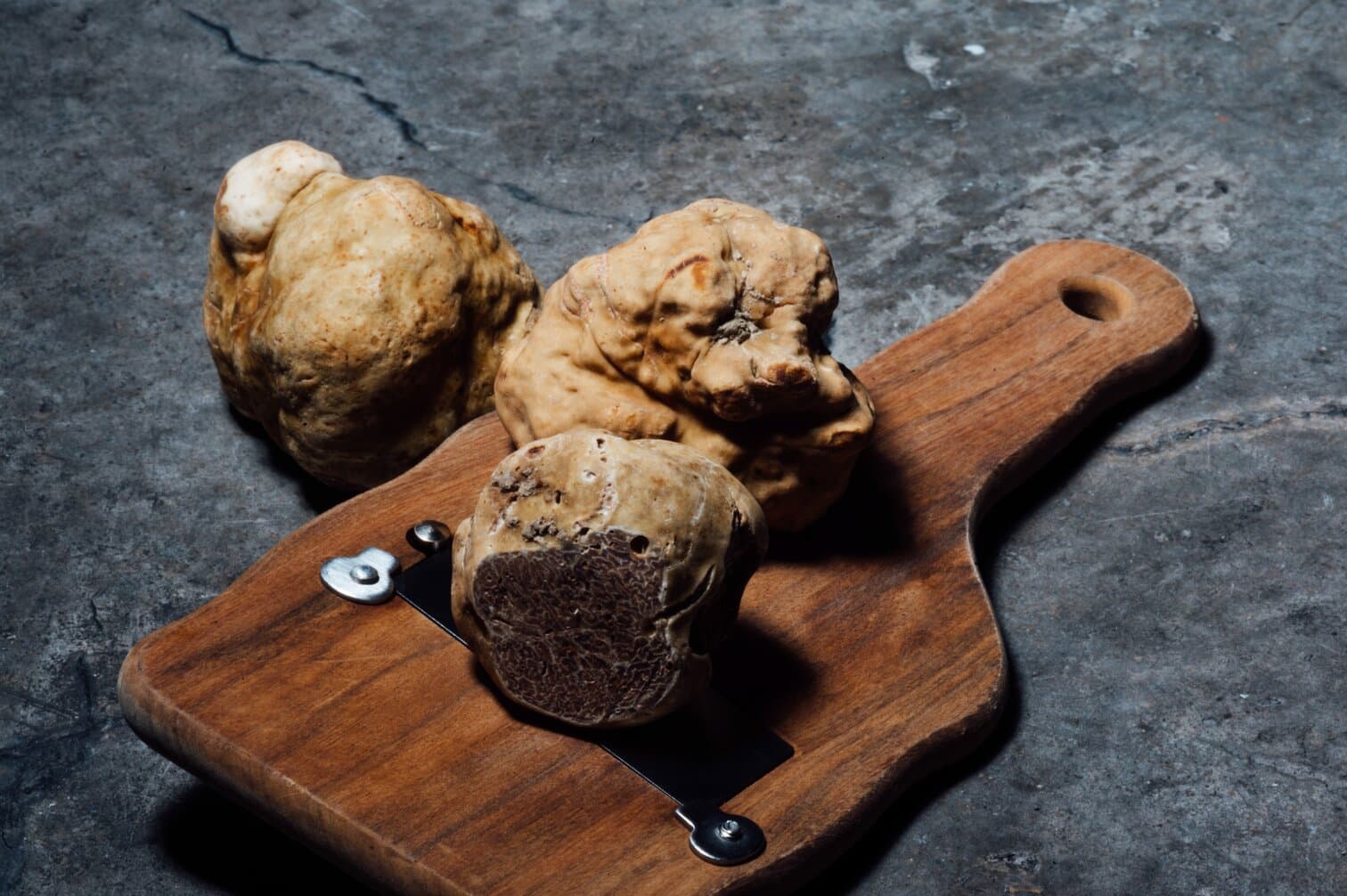
While Piedmont has long dominated the international narrative, especially through the fame of Alba’s auctions, western Tuscany has quietly maintained its own serious production. Around San Miniato, positioned between Florence and Pisa in the Arno valley, mineral rich soils and balanced humidity create favourable conditions for white truffle growth. In 1954, a specimen weighing just over two kilograms was unearthed here and later presented to Dwight D. Eisenhower, a story still cited locally as evidence of the area’s potential.

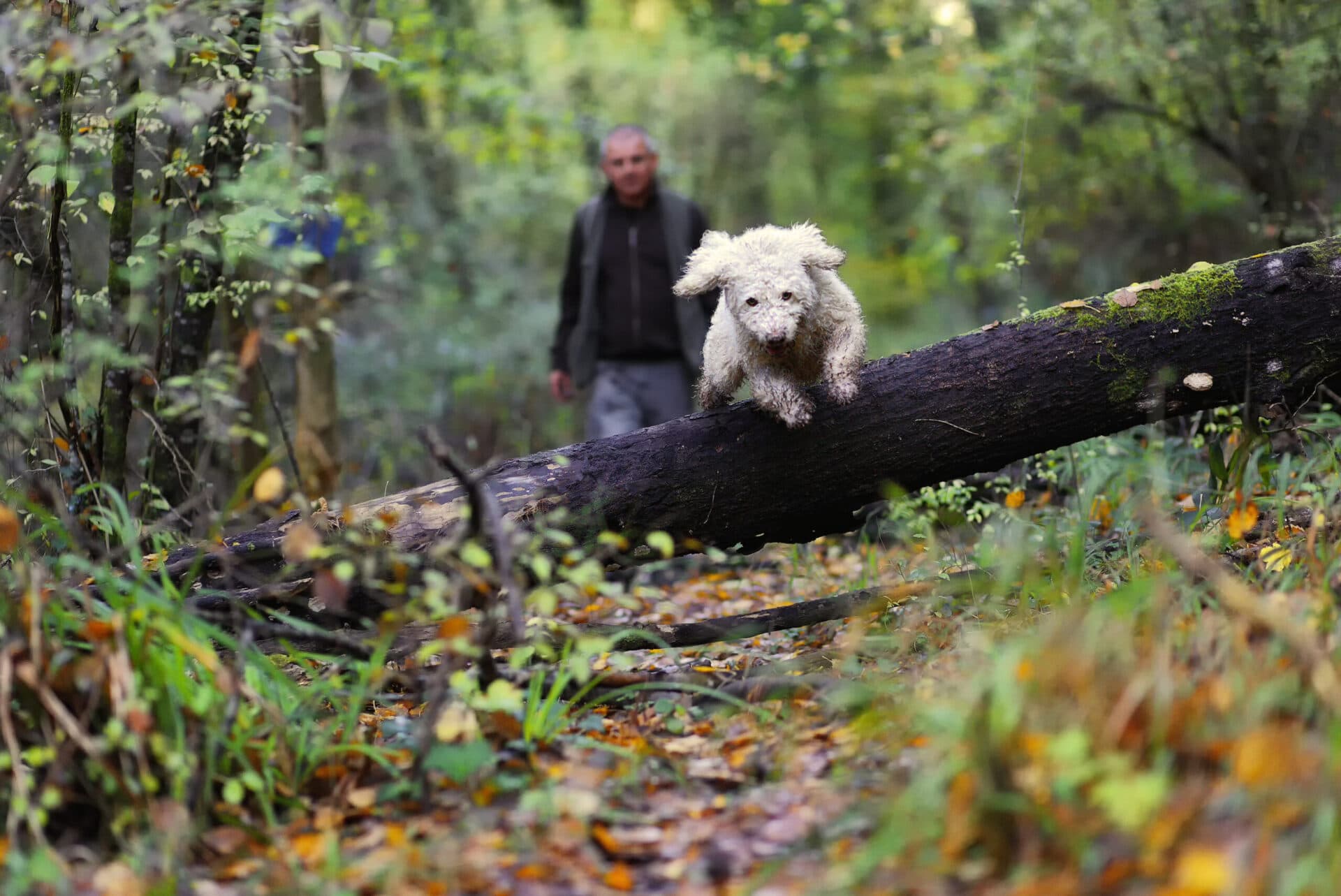
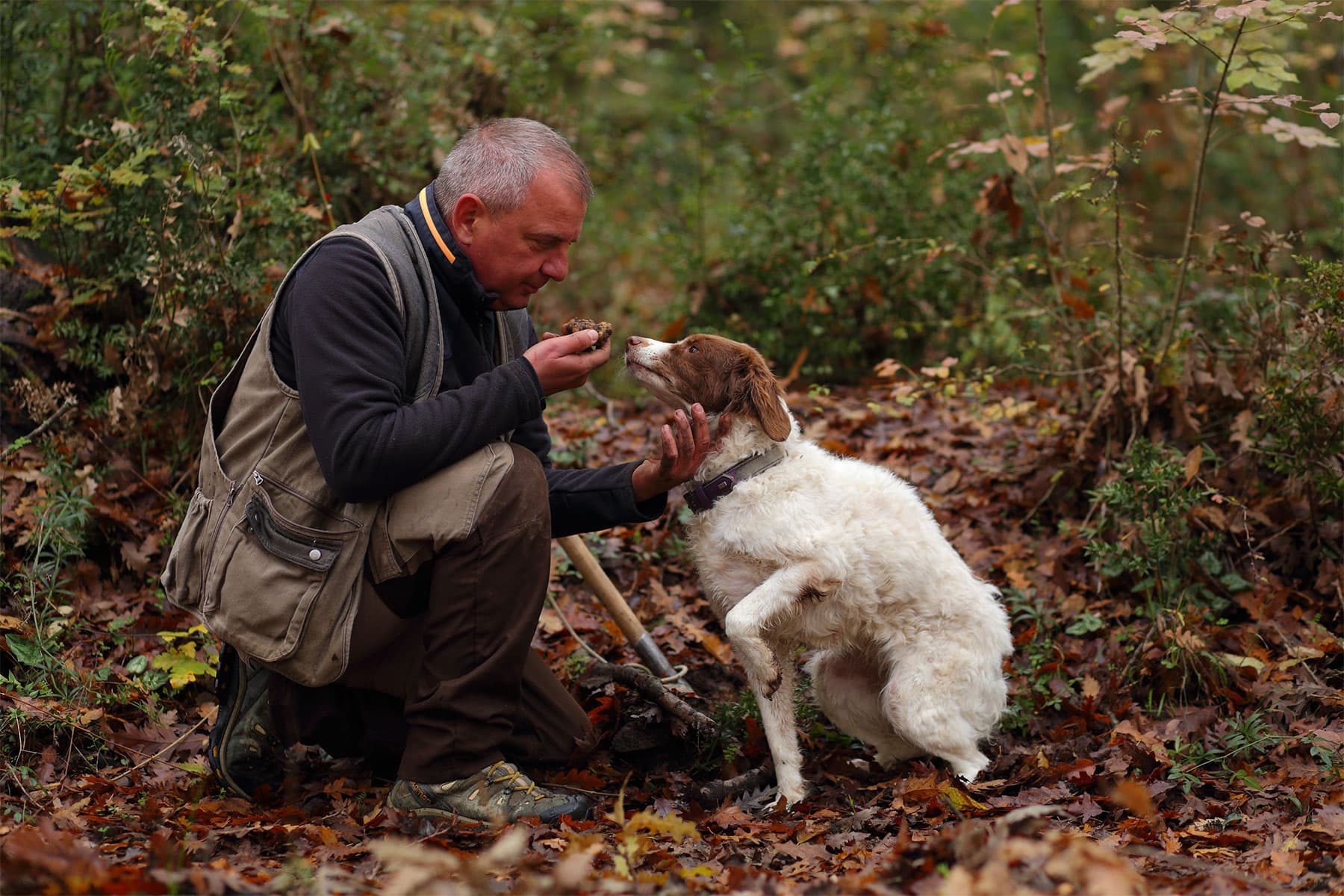
In the woods outside town, truffle hunting is disciplined, technical work. A trained dog, often a cross between hunting breeds selected for scent acuity and temperament, works slowly across sandy ground, weaving between oak and poplar. When it detects the scent, it pauses and scrapes lightly. Cucchiara steps in with a narrow spade, removing soil carefully to protect the surrounding roots. Italian regulations govern harvesting seasons and methods to preserve future yields. Pigs, once used because of their acute sense of smell, were banned in the 1970s due to the damage they caused and the difficulty of controlling them once they located a truffle.
Tuscany’s calendar extends beyond the brief autumn window associated with the white truffle. White season generally runs from October to late December. Winter black truffles follow from December into March, and summer black truffles from May through September. This longer cycle has enabled hunters such as Cucchiara to structure tours throughout the year, combining forest excursions with tastings and cooking demonstrations.
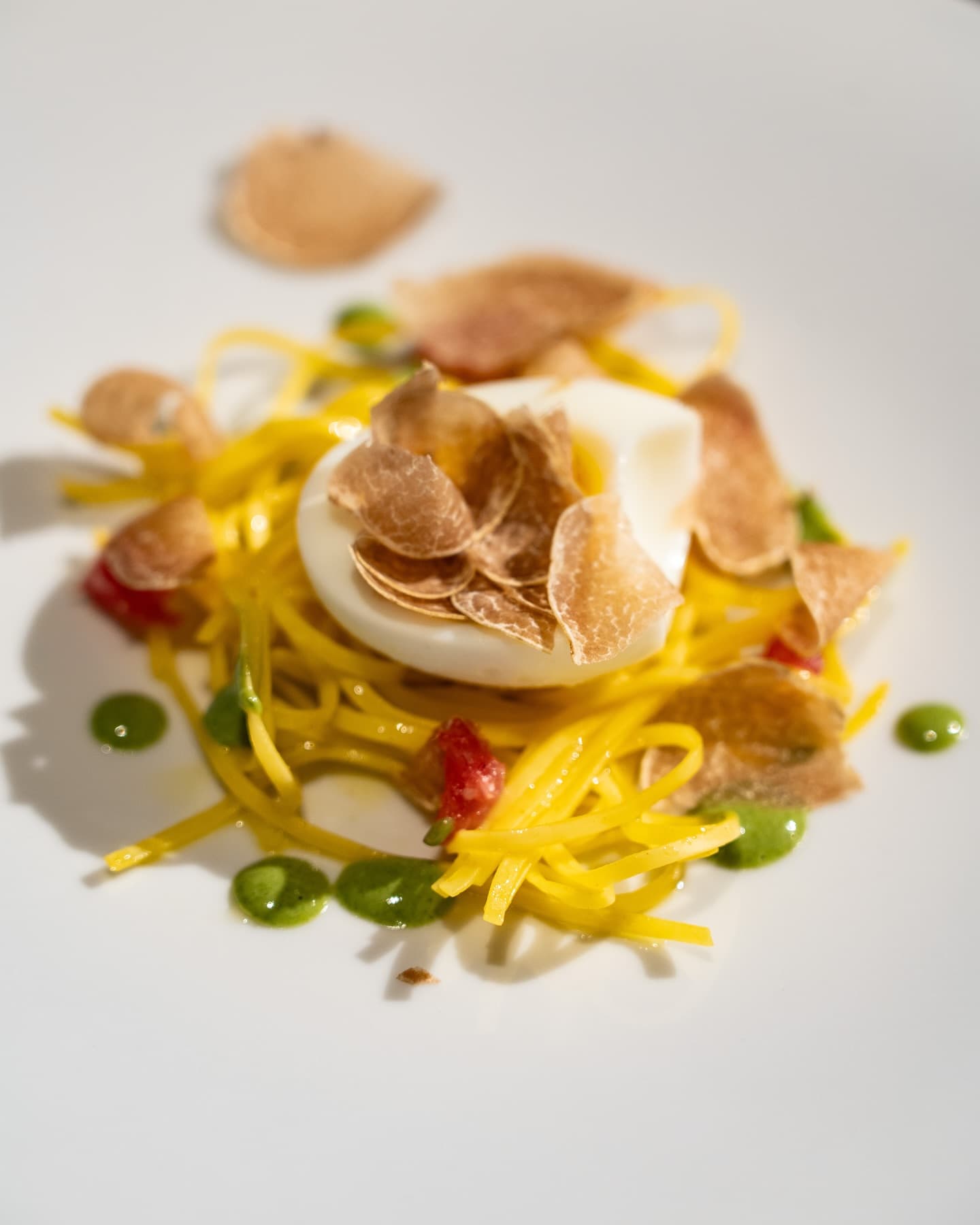
Back at the table, restraint is critical. White truffle is shaved over fresh tagliolini dressed simply with butter, over risotto, or over thin slices of raw Chianina beef. Heat is kept minimal to preserve its volatile compounds. Within hours of being lifted from the soil, it is on the plate, its price reflecting not only rarity but the knowledge, timing and risk embedded in every gram.
The growth of truffle hunting tours reflects a broader shift in high end travel toward direct access to primary producers. Walking the woods with a tartufaio such as Cucchiara is not staged entertainment but regulated agricultural activity carried out within a fragile ecosystem. Because white truffles cannot be farmed reliably and grow only in specific wild habitats, participation offers practical insight into land stewardship, seasonal cycles and the legal frameworks that protect future harvests. The experience connects plate to terrain with unusual clarity, grounding a luxury ingredient in the realities of soil, weather and skill.
Glenn Harris
Glenn Harris is an accomplished journalist focusing on luxury travel, fine dining, and exclusive lifestyle events. His wanderlust has taken him to over 128 countries where he constantly strays off the beaten path to uncover exotic locations, travel gems and exciting experiences to capture.