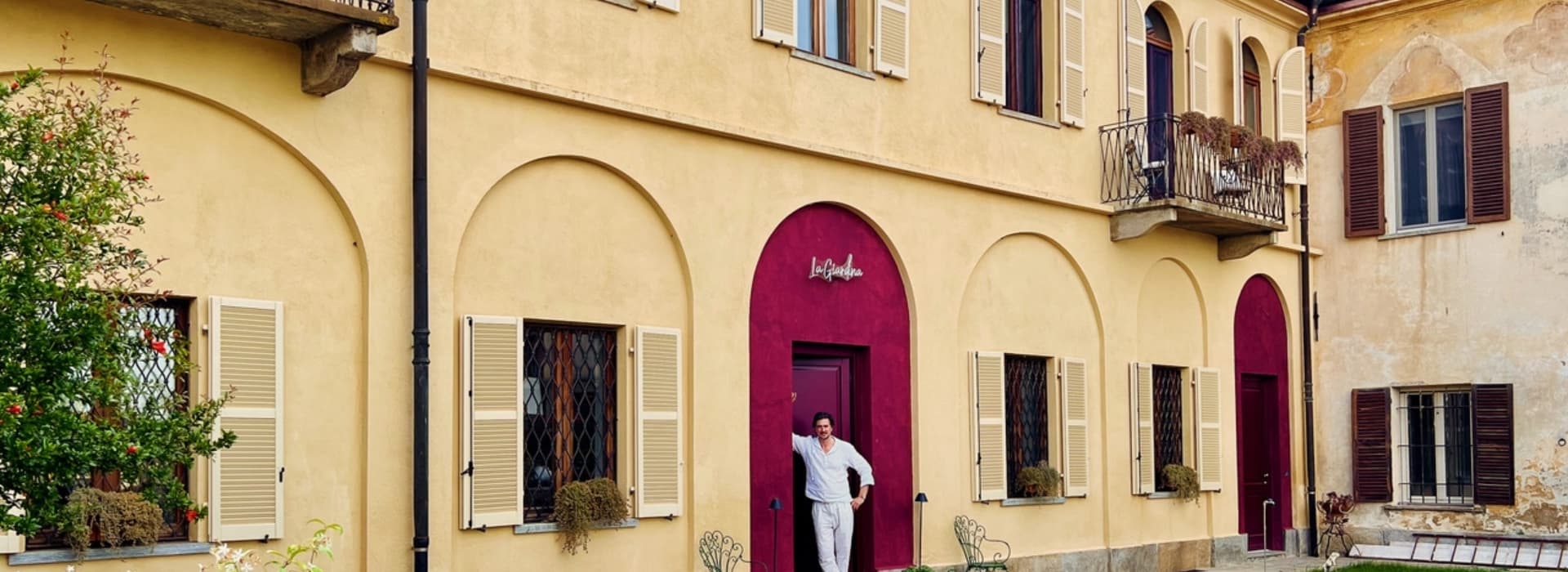
La Giardina Guest House Slow Travel in Piedmont Italy
No one can argue that Italy is one of the world's most wonderful destinations. It always has been. But anyone who has stood shoulder to shoulder at the Duomo, suffered through the human traffic jam that is now Cinque Terre, or tried to get within sight of the Trevi Fountain knows that parts of the country have been all but ruined by overtourism.
Discover Slow Travel Piedmont
There are still places, however, that feel like the Italy we all imagine. Not the Italy of selfie sticks and timed entry tickets, but one based on something more real. Towns and villages surrounded by farmland. Kitchens where recipes are still handed down from nonna. Long tables, proper bread, and the water of life: good wine, with a few bottles picked up from the winery a few miles away. This is what I was after in my search for Slow Travel in Italy.
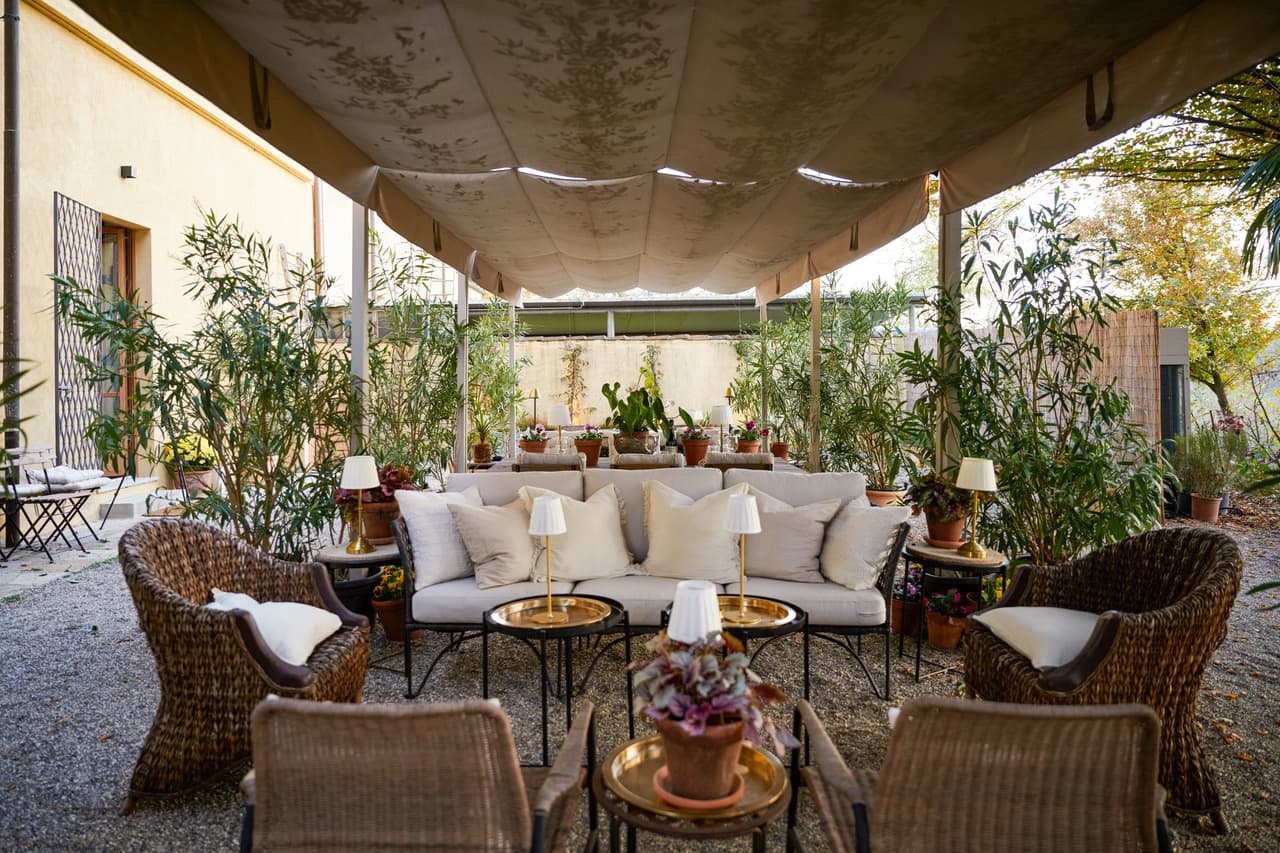
Credit: Lorenzo Morandi
I've found them, these yet-to-be-tarnished places, though it requires looking harder and choosing roads that tour buses ignore. I've found them in regions such as Sardinia, Sicily, and Puglia. On a recent trip to Piedmont, I came across one that was particularly wonderful, just outside the medieval town of Chieri, at La Giardina Guest House.
La Giardina Guest House

An hour or so from Turin's airport, I found the Italy I was looking for. Not the Italy of famous monuments that now require a ticket and crowds jockeying for an Instagram shot, or sunny beaches lined with deck chairs and umbrellas with drinks at thirty euros each. This was a place that moves a lot slower and feels a lot more real.La Giardina Guest House sits on a gentle hill in the Piedmont countryside, just outside Chieri in the Province of Turin, about thirty minutes from the city. The setting is quietly cinematic: rolling hills, patches of vineyard and forest, distant rooftops dissolving into the haze. Close enough to everything, it feels like it exists on its own private planet.
The property is housed within a tastefully restored 12th-century convent, and it shows. The exterior is historic, unhurried, and unshowy. The building simply belongs to the landscape, as if it grew out of the hill rather than was placed upon it.
The Grounds: Il Giardino di Anna

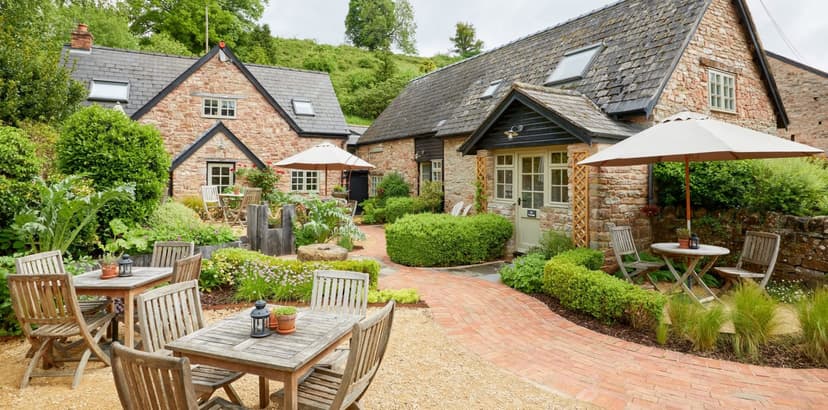
Step outside and the garden, Il Giardino di Anna, does what every great Italian garden should: it makes you want to sit down and stay. Loungers and tables are scattered across a gravel covered ground, angled so that whatever direction you face, the view rewards you. Sunsets here are the slow, generous kind, spilling color over the farmlands before finally giving up.Breakfast in the garden, a glass of Barolo in the late afternoon, or simply sitting with a book and no plan at all. This is what La Giardina is designed for. The Blue Way, a natural trail, begins nearby and leads on foot through the Piedmont countryside toward Cambiano and eventually Chieri, for those who need to earn their lunch.
Bruno Billio Artist and Host

Your host for the stay is not someone you’ll forget quickly. But don't expect an Italian accent, or at least not the one you might anticipate. Bruno Billio, the owner and heart of La Giardina, was raised in Toronto, with roots running deep in Naples and Venice. He speaks Italian and can do a perfect Venetian accent, but he's a man who has lived around the world in pursuit of his twin loves: art and life. He is an interior designer and contemporary artist by trade, and everywhere you look at La Giardina, both of those things are fully evident.

Bruno is the kind of host who invites you into his home rather than merely checking you in. He pointed me toward the best tables nearby, told me where to buy good wine, and seemed to know instinctively where would be the best places to explore during my stay.
As an artist, his most comfortable medium is tape. Yes, tape. You'll find his geometric patterns throughout the residence. In some rooms they read as abstract, almost musical: wave-like forms, bars that have gone beautifully, intentionally awry. In other corridors they resolve into perfect horizontal or vertical lines. They always add to the room and never compete with it. Everything here is that much more interesting for their presence.
Interiors: The Decadent Design and Decor

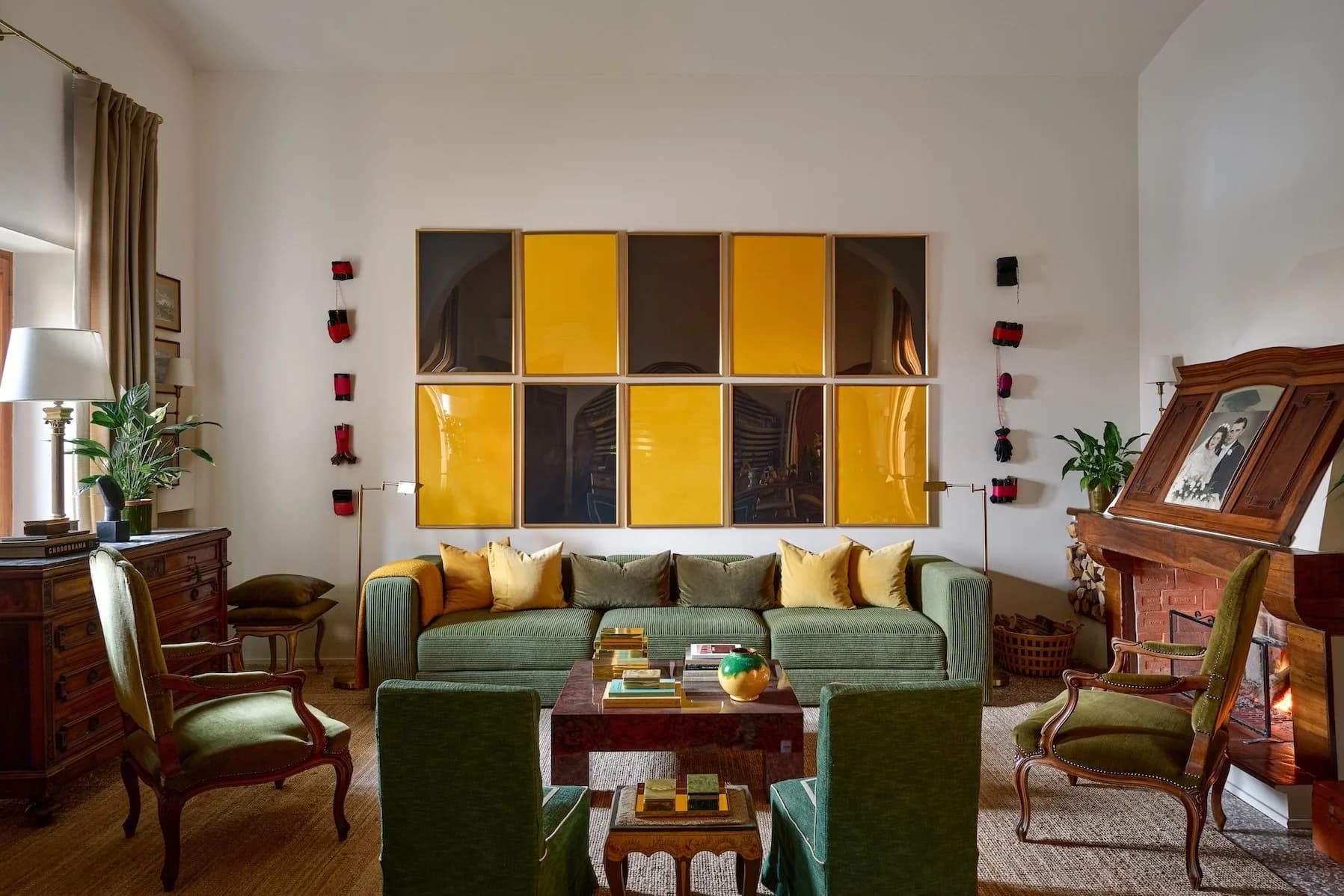
The interior design at La Giardina Guest House sits at a very deliberate sweet spot on the spectrum that runs from dull to garish. Beautiful antiques, the kind you find all over Italy, lovingly restored, sit comfortably beside Bruno's contemporary works and modern sculptural accents. Parquet floors, rich textiles, thoughtful lighting. Think Architectural Digest relocated to the Piedmont hills. And the sensory experience extends beyond what you see. The place has a smell to it: subtle, layered, somehow exactly right, as though a master of scents had been quietly consulted on every room, every common space, every corridor.

There are three guest rooms and one suite, each uniquely designed with its own color palette, layout, and art. Some open onto terraces or balconies facing the garden and hills. My suite had a sitting area that felt like a small private castle. All rooms include king-size beds, fine linens, minibars, and coffee facilities. All the comfort of a boutique hotel inside the soul of a private home. The shared Salone di Bruno, with its fireplace and art-lined walls, is a gathering place equally suited to quiet reading or long evenings with new friends.
Sleeping In and a Leisurely Breakfast

Breakfast at La Giardina is one of those small, uncomplicated pleasures that ends up staying with you. Italian coffee, fresh fruit, yogurt, pastries, homemade jams. Nothing elaborate, everything good. You can have it in the garden, at the grand table inside, or in a basket delivered to your door. Most mornings, the garden wins.
Chieri Medieval Towers and So Much to See
When you do decide to leave La Giardina, you’ll want to start with the town of Chieri which is only a few minutes' drive from the guest house. It is exactly the kind of place I mean when I talk about authentic Italy. There aren't many tour groups here. The people you see in the cafes and on the walking streets are mostly locals, and a few Torinese who've come up for the weekend to breathe.
Chieri is a serious medieval city, known historically as the city of a hundred towers, a nod to the prominent families who once signaled their status in stone and mortar. It earned its prosperity through textiles: hemp, flax, silk. An interesting fact was the blue jeans were invented there. Set a white pants and then died to the color we all know. Today that heritage lives on in a fascinating textile museum that Bruno will happily point you toward.

The churches are extraordinary. The Cathedral of Santa Maria della Scala, built between 1405 and 1436, is among the largest in all of Piedmont, with paintings and sculptures spanning seven centuries. The Convent of San Domenico dates to the 14th and 15th centuries. The Baroque Arch of the Square was erected in 1580 in honor of Emanuele Filiberto of Savoy. Walking the historic center, you pass through layers of time without particularly trying to.
The Jewish quarter is one of Chieri's quieter distinctions. Jewish physicians and bankers were recorded here as early as 1417, and a formal ghetto was established in 1724 by decree of the Savoy dukes. The buildings survive largely intact, with their Gothic windows and the particular density of history that attaches to such places. It's worth taking slowly.

The shops are good, too. One in particular stands out: San Domenico Boutique by Alessandra Ferrari, a woman-owned atelier that is part designer boutique, part neighborhood living room. She is as much an artist as Bruno is, style distilled to its most joyful form. The front carries a beautifully curated collection of objects, fashion, and curiosities from around the world. The back has an atelier. I went in for twenty minutes and left an hour and a half later, slightly happier for the time lost.
Authentic Italian Dining in Piedmont 
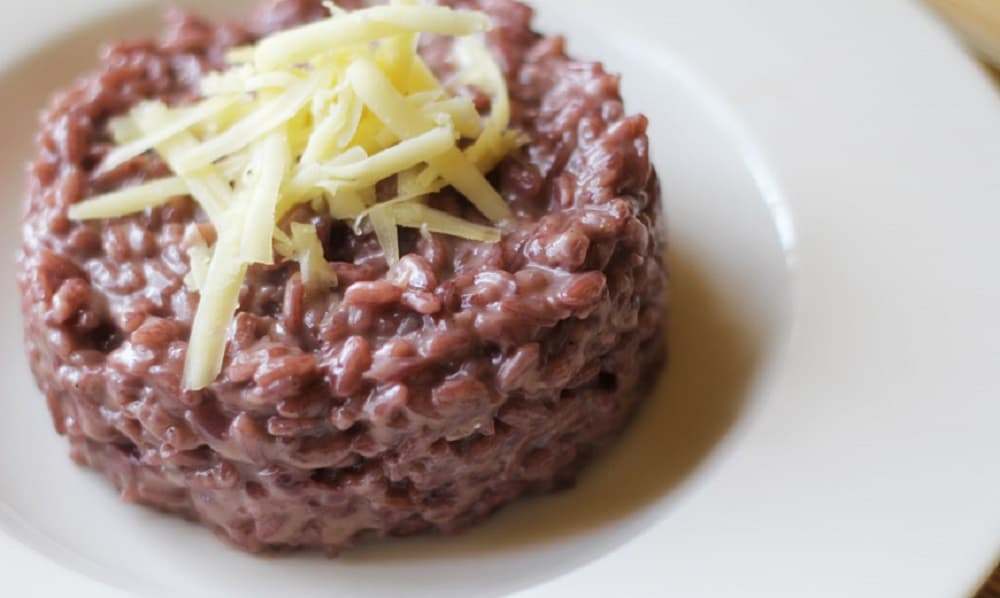
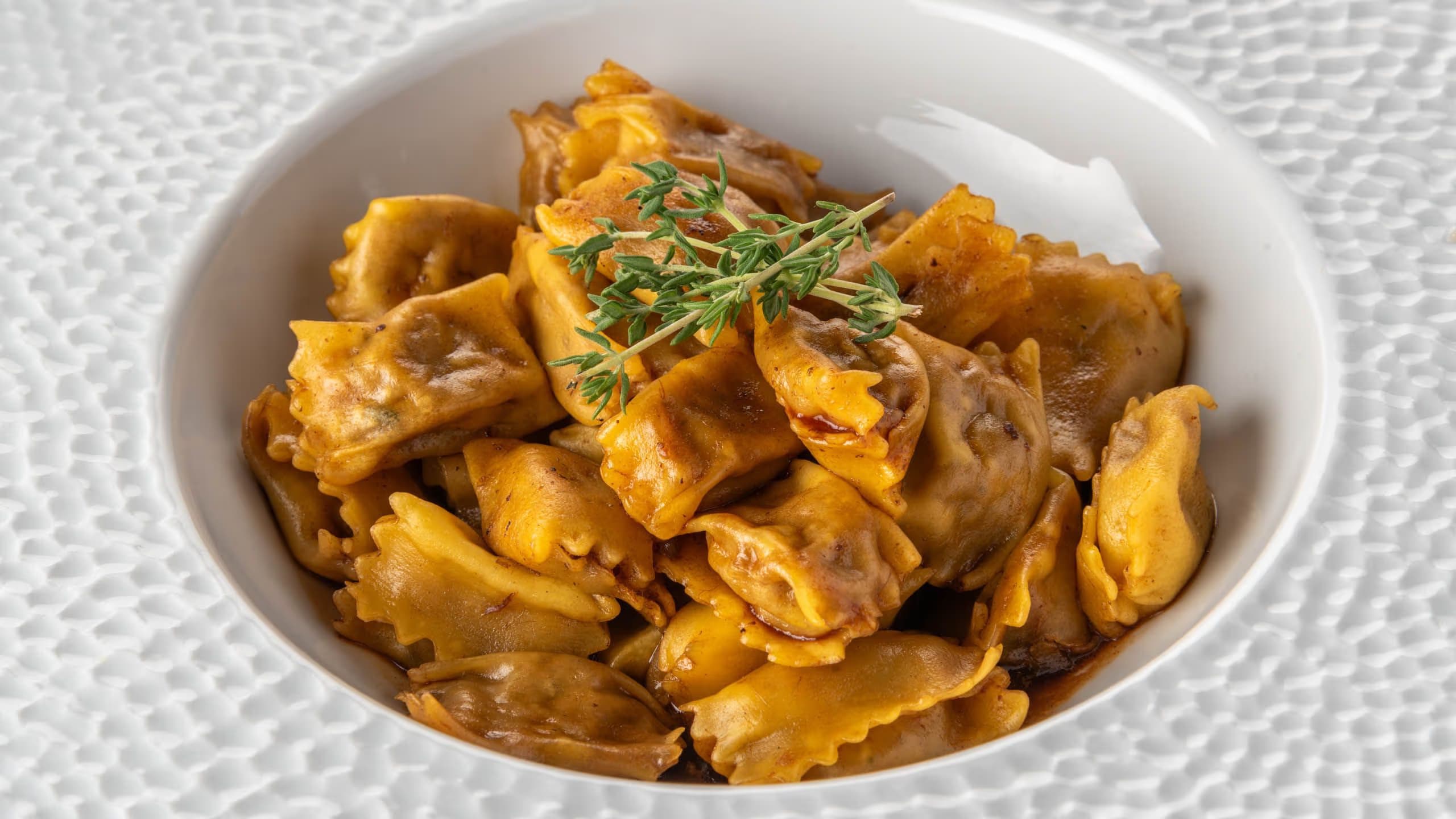
Shopping is one thing but clearly one of Piedmont’s most attractive offerings is food. Piedmont sits at the top of Italy geographically and arguably gastronomically too. The wines, particularly Barolo and Barbaresco, both made from the Nebbiolo grape, are among the finest in the world. The pasta is made with an absurd number of egg yolks, the beef comes from cattle raised on mountain grass, and recipes have been handed down so carefully that changing one would feel like an act of vandalism. The Slow Food movement was born here, and once you eat here, you understand why.
The food itself is deeply local and done exactly right. Carne cruda, hand-chopped raw beef dressed with olive oil and lemon, surprises visitors most and wins them over fastest. The beef is grass-fed and genuinely sweet, tasting the way beef should before anything industrial gets involved. Nothing on the table is overly elaborate; the region simply uses what's nearby: truffles in autumn, cheese from mountain dairies, hazelnuts from the Langhe hills.
Those hazelnuts are also behind Piedmont's other obsession: chocolate. Turin's art nouveau cafés and artisan chocolate shops are filled with gianduiotti and regional specialities from makers like Caffarel and Gobino. It was the local Tonda Gentile hazelnut that inspired gianduia paste in the nineteenth century, and it was in Alba, just an hour from Turin, that Michele Ferrero later democratised the idea into Nutella and sent it around the world.

Turin Historic Cafe Culture

Along with Piedmont’s obsession with chocolate is with coffee as both a drink and an essential part of life. Café culture here is an institution, a ritual. Many of Turin's great cafes are over a hundred years old: ornate rooms with gilded ceilings, statues in niches, red velvet banquettes, marble counters. Depending on the hour they are a place for espresso, an aperitivo, or a long, lingering dinner.

One cafe in particular deserves its own paragraph. Caffè Bicerin, open since 1763, sits across from the Sanctuary of the Consolata on a quiet piazza a few blocks from the main shopping streets. It is the birthplace of the bicerin, Turin's iconic drink: three careful layers of espresso, thick hot chocolate, and frothed milk or cream, served in a small glass and never to be stirred. The recipe remains a closely guarded secret, handed down through the generations of the cafe's owners. Dumas wrote about it. Puccini drank it here. Order one and take your time with it. That is the point.
Around Turin, there are countless places to explore their food culture and Bruno is happy to point out where you'll want to go. In Chieri, Café della Stazione buzzes with locals over handmade pasta, changing small plates, and honest wine. GAF Restaurant in nearby Cambiano turns a converted mill into a hot-ticket dining room where the steak rules and nothing feels forced. Rivoli’s Locanda del Lupo mixes candlelight, deep wine shelves, and rich braised meats in a setting that feels both elegant and easy. Osteria Antiche Sere in Turin proves good food and warmth beat fancy decor, with the kind of homemade dishes that win your trust for life. For purists, Ristorante Consorzio in Turin serves sharp, modern Piedmont classics with natural wines and a swagger that keeps its small room packed. See our full write up on the dining experiences courtesy of Bruno and La Giardina here.
Turin: An Hour and a World Away

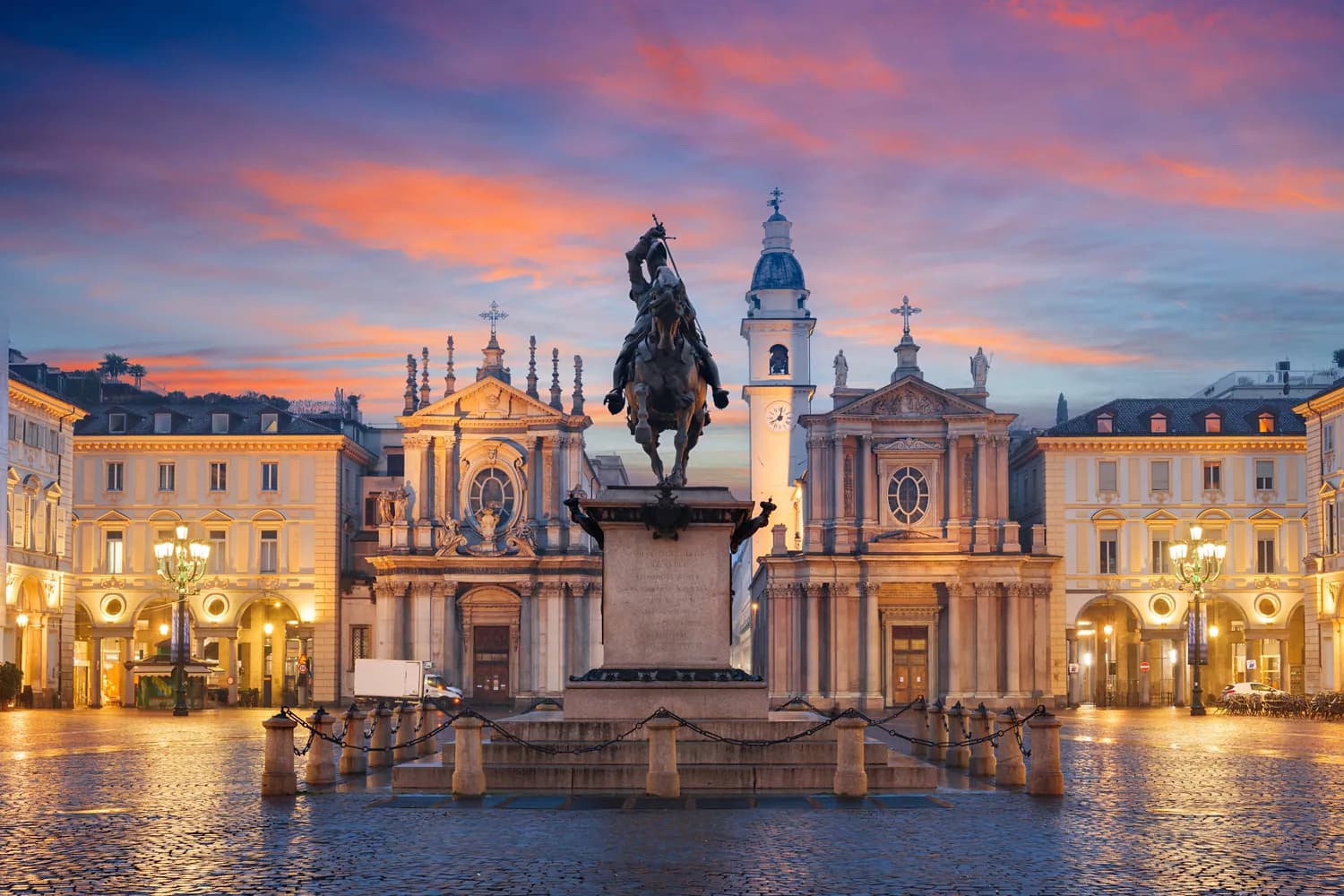
For those who still want their fill of the big city, Turin is not far and is filled with so much to do and see. It is a city that surprises. I arrived expecting an industrial backdrop and found instead one of the most elegant urban environments in Italy.

This is the legacy of the Savoy dynasty, Italy's first royal family, who built Turin to rival Paris: wide squares, arched colonnades lining the central streets so that even in winter one can walk under cover, grand facades rising to uniform heights. The arcades today are full of boutiques, bookshops, and cafes.

The Teatro Regio on Piazza Castello is one of Europe's great opera houses and worth a visit whether or not there is a performance to attend. The original building dates to 1740 and was commissioned by the Savoy court. It burned to the ground in 1936. The rebuilt theatre, reopened in 1973 and designed by architect Carlo Mollino, is genuinely radical: a 4,000-square-metre foyer with suspended walkways, twelve burnished crystal entrance doors, and an auditorium that feels like the inside of a very elegant cave. It was controversial when it opened, a city accustomed to gilded opulence suddenly confronted with bold modernism. Today it is simply magnificent. Tours of the building are available and worth every minute.

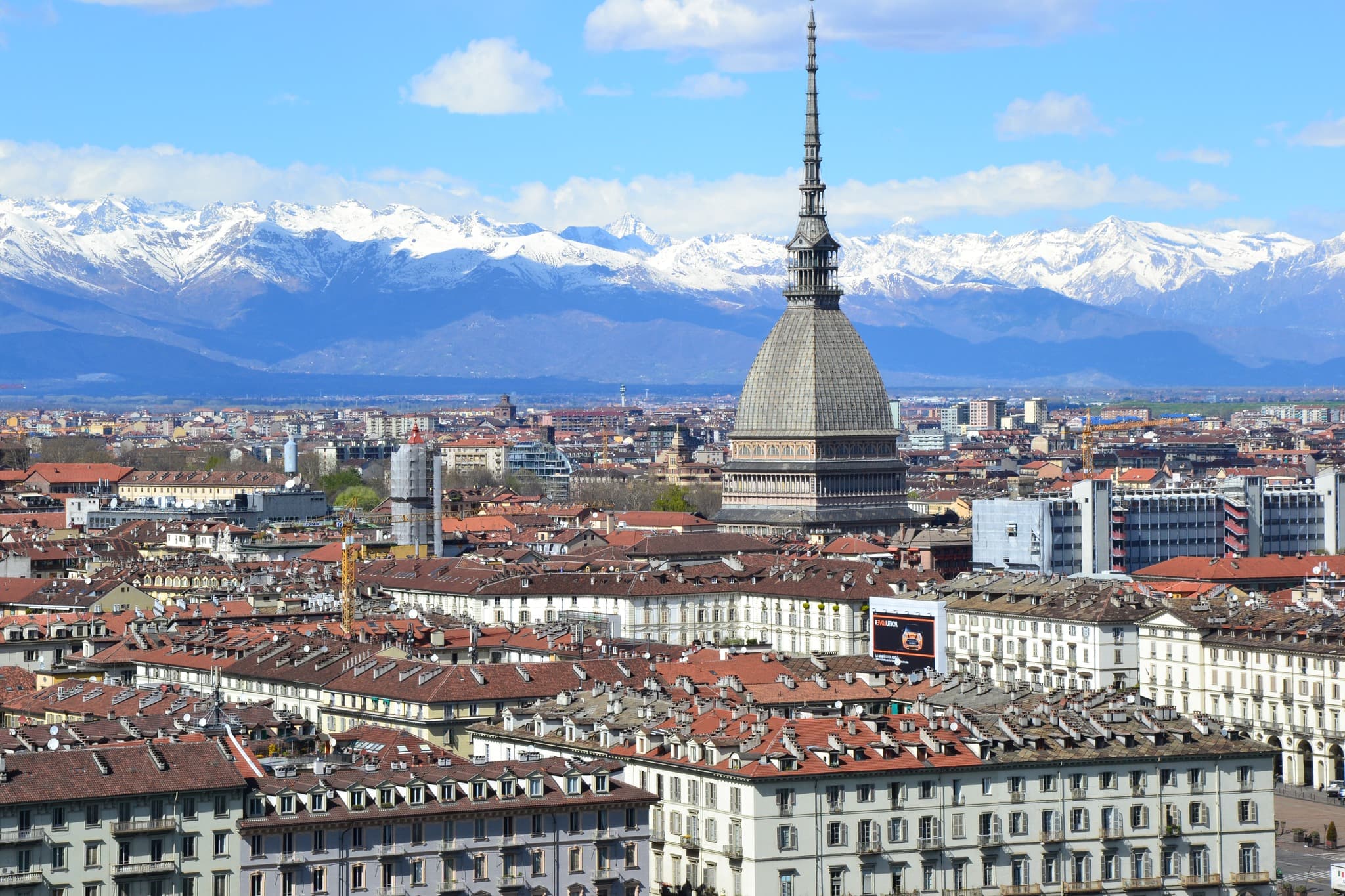
The Basilica di Superga, perched on a hill overlooking the city, is one of the great Baroque buildings of northern Italy. A hilltop dome that serves as the burial place of the House of Savoy, it rewards the climb with views to the Alps on clear days. The city's museums, including the extraordinary Egyptian Museum and the Mole Antonelliana, now home to the National Cinema Museum, are world-class. And for those with Michelin aspirations, the restaurants of Turin represent some of the finest Piedmontese cooking available anywhere.
The Wines of Piedmont

La Giardina sits in the middle of one of the world's great wine regions. The medieval city of Alba is close, and with it the vineyards of Barolo and Barbaresco, the Langhe hills with their Nebbiolo vines, the truffle country of the autumn season. A day or two devoted entirely to driving the wine roads, stopping at producers, and eating well is not an indulgence. It's simply the correct use of your time. Bruno, naturally, knows who to call.
This May Just Be the Type of Italy You're After 
For me, La Giardina Guest House was the perfect place to spend four days and do everything and nothing at once. To explore Turin, to walk Chieri, to eat well, and mostly to just sit in the garden and let the hills do the rest. It is the Italy I was looking for: a place a lot slower and a lot more real.
Glenn Harris
Glenn Harris is an accomplished journalist focusing on luxury travel, fine dining, and exclusive lifestyle events. His wanderlust has taken him to over 128 countries where he constantly strays off the beaten path to uncover exotic locations, travel gems and exciting experiences to capture.