The Fish Hotel Broadway: A Cotswolds Luxury Escape
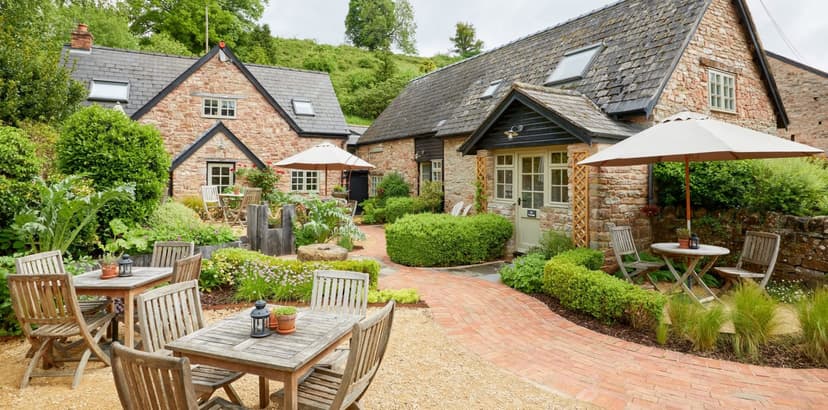
The Fish Hotel Broadway, a Cotswolds luxury escape, is a country retreat that is both rural and contemporary. The Fish is far from a traditional country house hotel. Instead it is country living reimagined with a Danish hygge take. A village of treehouses and shepherd’s huts set amongst acres of woodland, meadow and rolling hillside.
Partly a rural playground and partly a gourmet escape, The Fish relaxes amid 500 acres of the wider Farncombe Estate. Deer roam through the woods, buzzards circle overhead and rabbits dart through the long grass. The hotel exudes a refined, contemporary aesthetic. Think Scandinavian-inspired interiors, abundant sofas, cosy throws, soft lighting and 360° fireplaces.
The experience begins with a long, winding drive through the estate’s beech and oak woodland, until the trees open to reveal the Lodge, the hotel’s central hub. From the Lodge, accommodation fans out across the hillside. Some guests retreat to chic rooms in converted stables and coach houses; others climb into elevated treehouses tucked among the branches. Or into the enchanting hideaway of a Shepherd’s Hut.
Shepherd’s Huts at The Fish

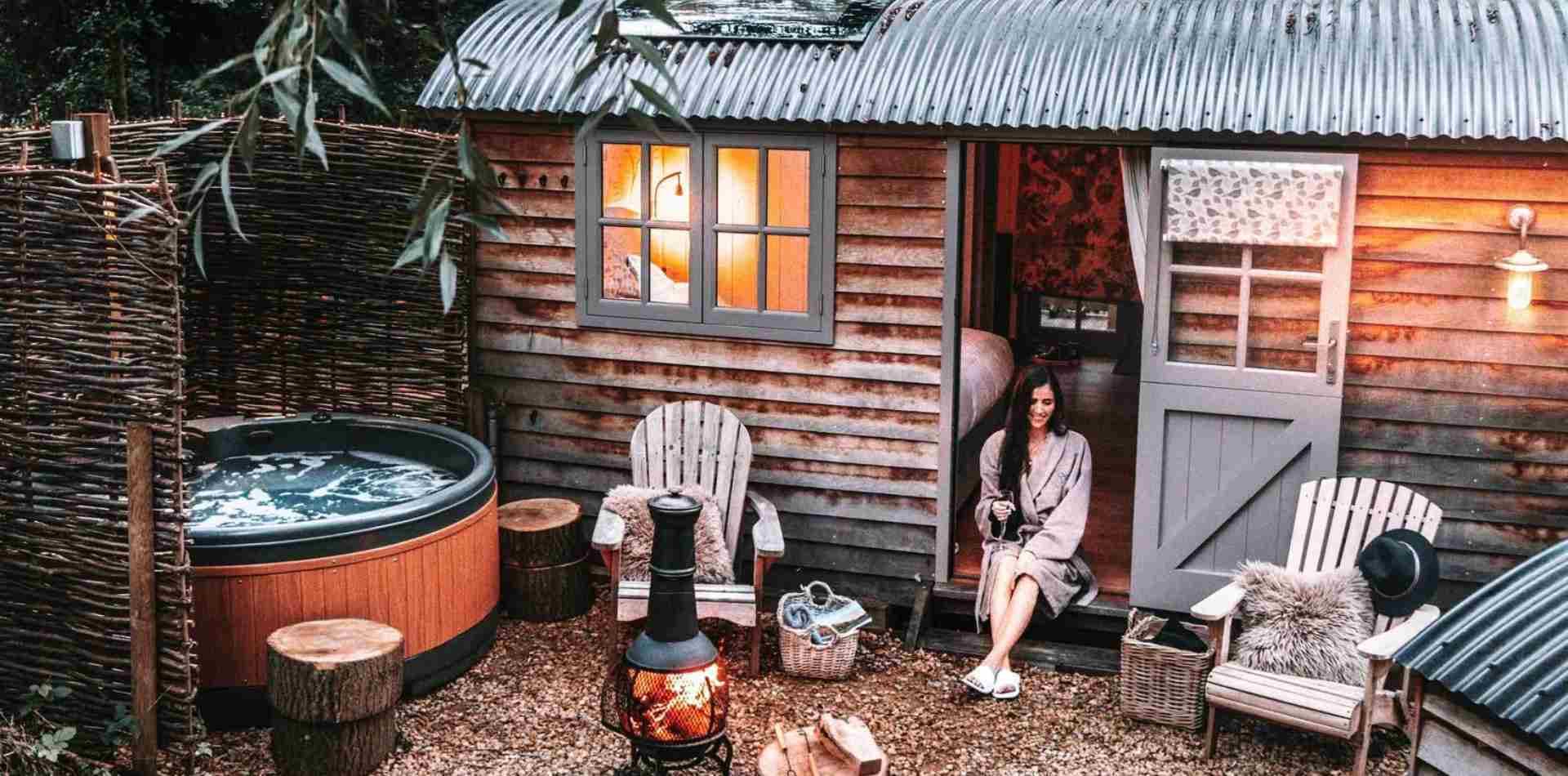
Shepherd’s huts at The Fish transform what was, in Thomas Hardy’s novels, a rustic shelter into an intimate romantic retreat for two.
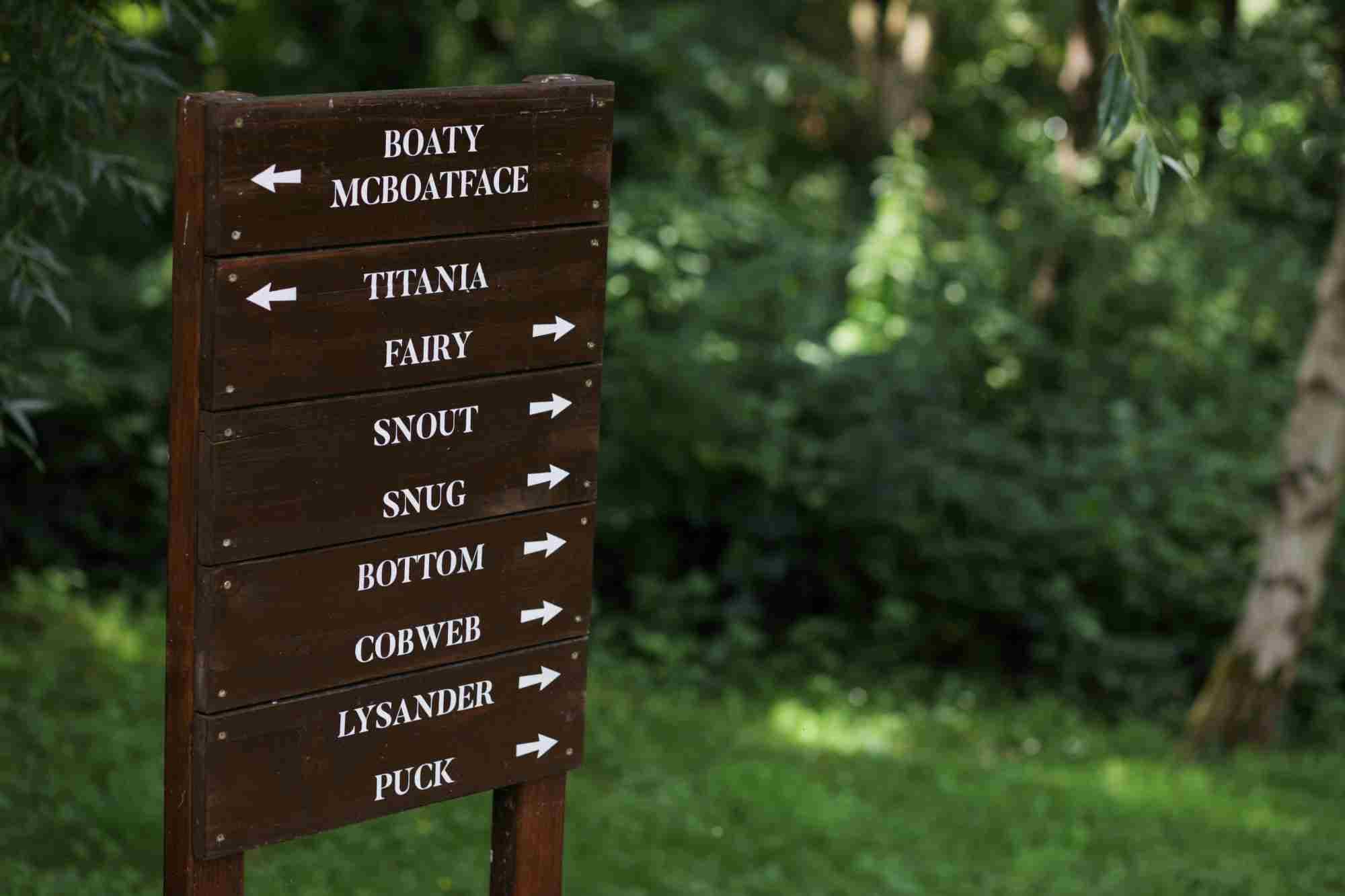
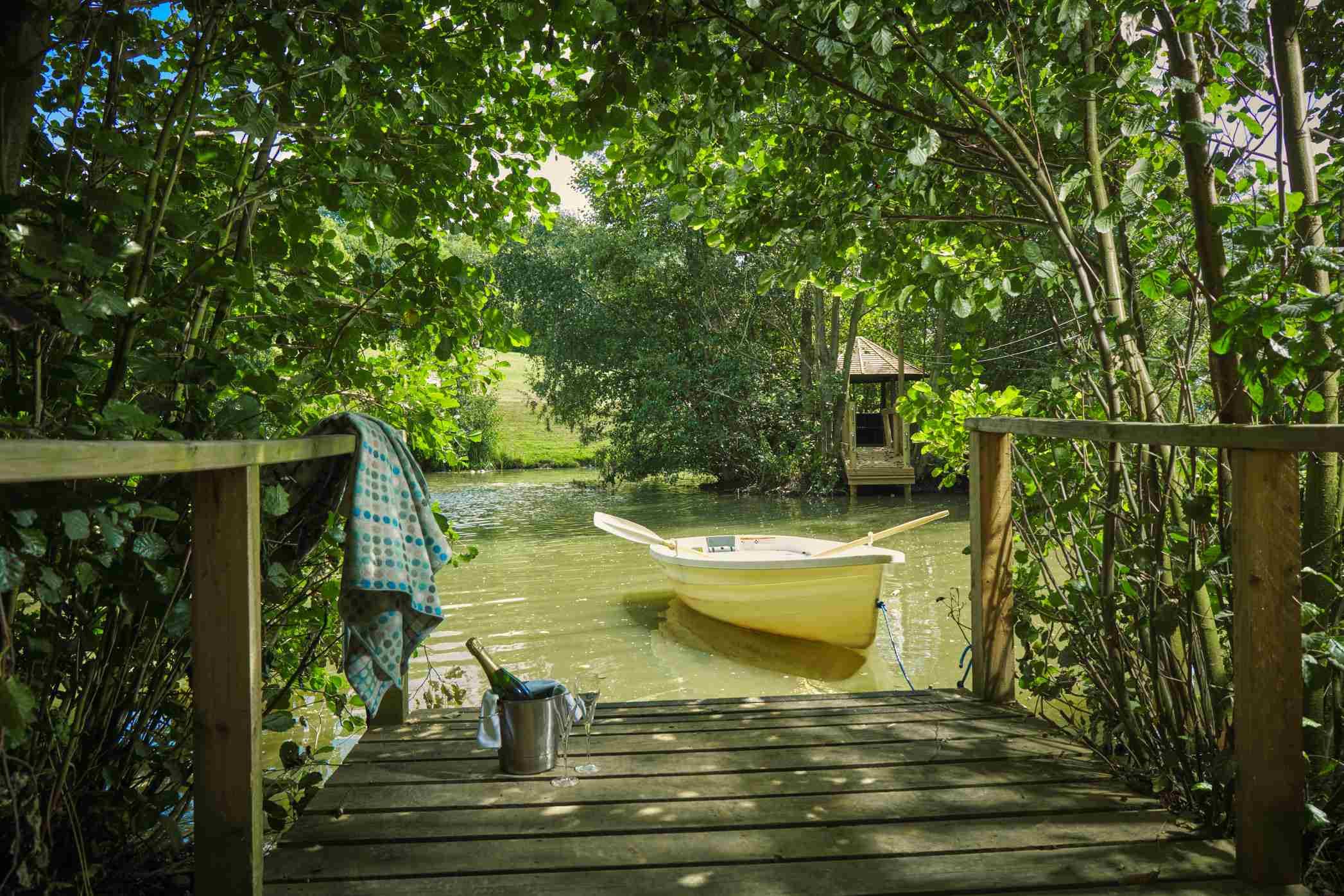
Approached via pathways dotted with snowdrops and daffodils in spring, the huts feel like part of an enchanted woodland. All are named after characters from A Midsummer Night’s Dream: Titania, Fairy, Bottom, Snug et al. Except for the whimsically named Boaty McBoatface. That hut, overlooking a pond, includes a small rowing boat for short romantic crossings to a tiny island.

Fairy lights arch over entrances, creating the impression that guests are stepping into a storybook clearing. Inside, however, the design is firmly rooted in modern comfort.
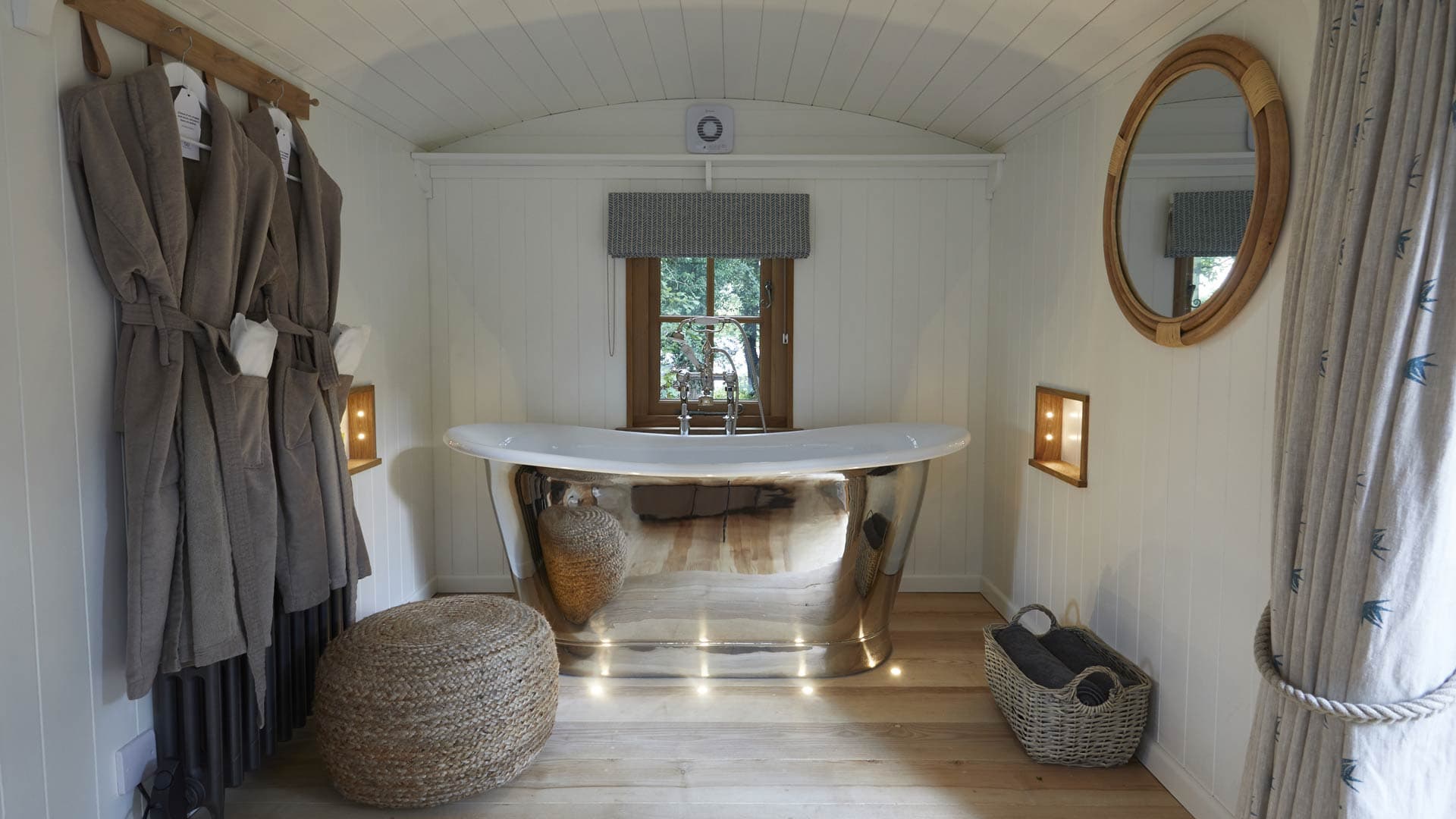
Deluxe versions cleverly combine two huts to create a surprisingly spacious interior. The bedroom centres around a generous bed positioned to face a freestanding roll-top bath. A separate bathroom with shower adds practicality, while underfloor heating and a log burner ensures that the space remains cosy even during chilly Cotswold winters.

Thoughtful details are everywhere. Retro radios sit beside wall-mounted televisions; Nespresso machines promise a morning caffeine fix while vodka cocktails provide a sundowner treat. Bathrooms are stocked with plush robes and aromatic Temple Spa toiletries. Outside, each hut enjoys its own secluded garden. A private hot tub is ready for stargazing.

Gourmet living at The Fish Hotel

Guests travel from afar for the food and much of it revolves around the Lodge. A striking timber building that serves as bar, restaurant and lounge. Design distils the very essence of Scandinavian hygge. It’s the sort of place where breakfast easily drifts into mid-morning coffee, where tea slips seamlessly into evening cocktails.
Dining is centred on Hook, the hotel’s signature restaurant overseen by acclaimed chef Martin Burge, formerly of Whatley Manor where he held two Michelin stars. Given the hotel’s name, it is fitting that seafood plays the starring role.

Fresh produce arrives from Cornish day boats, bringing the flavours of the Atlantic to the Cotswolds. Warm bread served with seaweed butter hints at the coastal theme before the meal has even begun. From there, dishes showcase both quality ingredients and creative flair.
A crab parfait decadently arrives nestled within silver crab claws, while the fish day of the day could appear as chilli prawn tagliatelle. Italian style meets Cornish sourcing with a spicy kick. One imaginative reinterpretation replaces traditional fish-and-chip batter with a crisp Viennese-inspired crumb for haddock schnitzel, allowing the delicate flavour of the fish to shine.
The menu isn’t exclusively maritime. Meat and vegetarian options ensure there is something for every palate, while dessert gives a nod to an indulgent British classic with a twist. Imagine treacle sponge brightened with lemon notes and drenched in Grand Marnier custard.
Breakfasts are equally satisfying, with pastries, cereals and cooked options served alongside excellent coffee. And for more relaxed evenings, the Lodge bar offers pizzas and small plates, ideal after a long countryside walk.
The Fish Hotel’s setting
The hotel’s setting is one of its greatest luxuries. Hidden among the hills above Broadway, The Fish property feels rurally peaceful, yet it remains within easy reach of some of the prettiest corners of the Cotswolds.

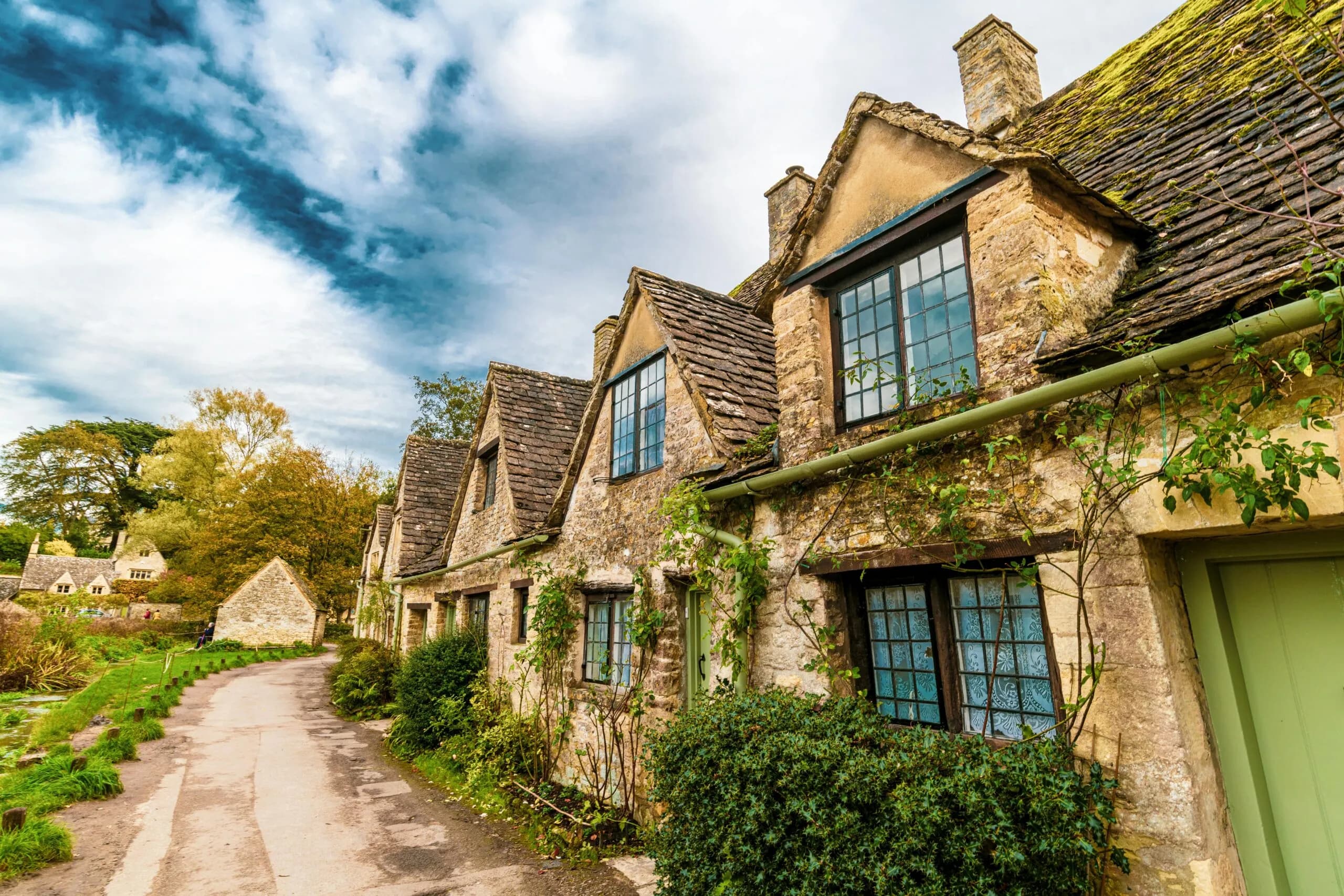
A gentle half-hour walk leads downhill into Broadway. Honey-coloured stone cottages line the high street, where independently owned cafés, galleries, traditional pubs and shops invite leisurely browsing. Cultural stops include the Broadway Museum and Art Gallery and the Gordon Russell Design Museum, which traces the story of furniture design from Arts and Crafts to Modernism.
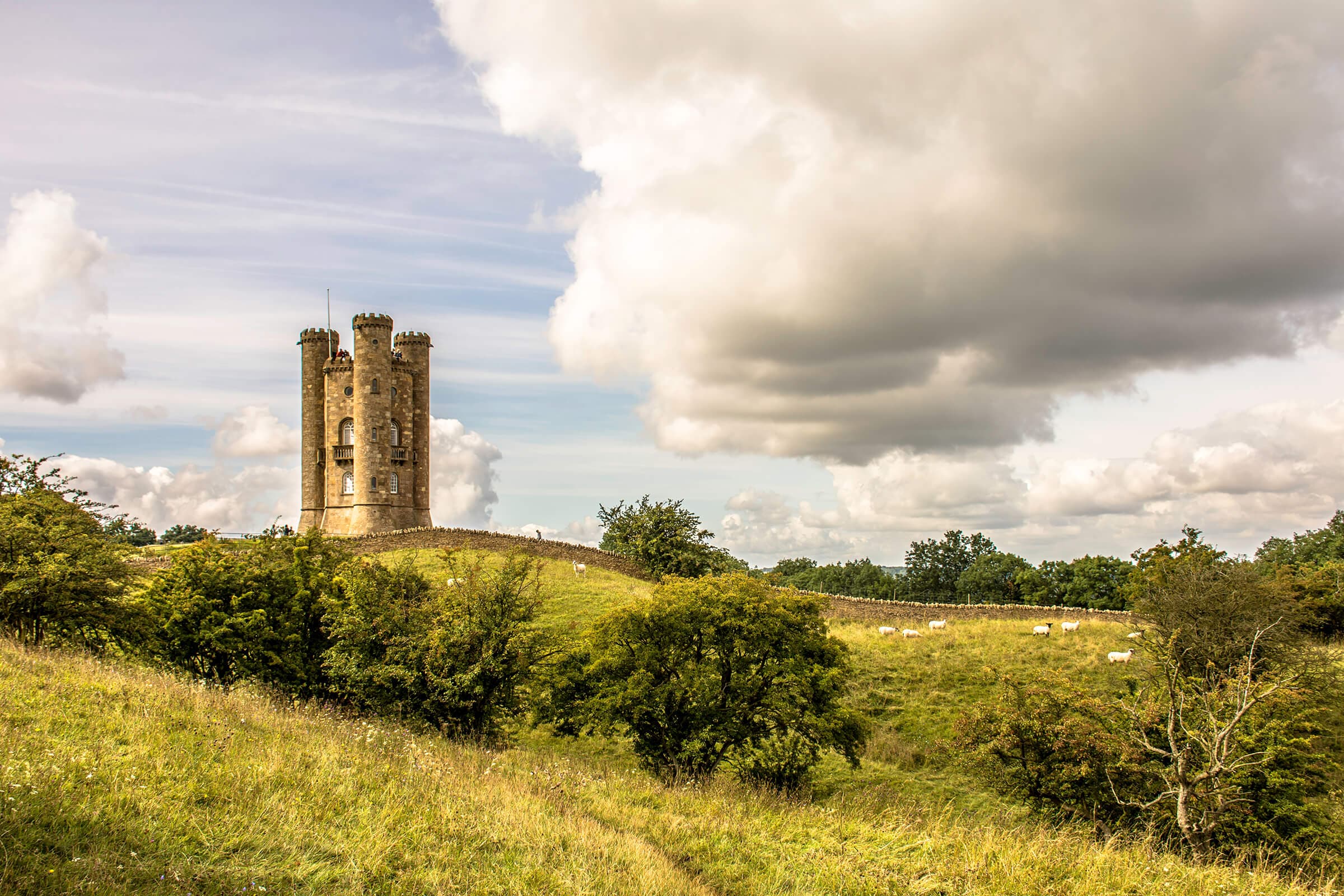
Tempted by maps in the boot room, guests may take a hike to Broadway Tower, an 18th-century Gothic folly designed by landscape architect Capability Brown. On clear days, the panoramic view from the hilltop reportedly stretches across 16 counties.
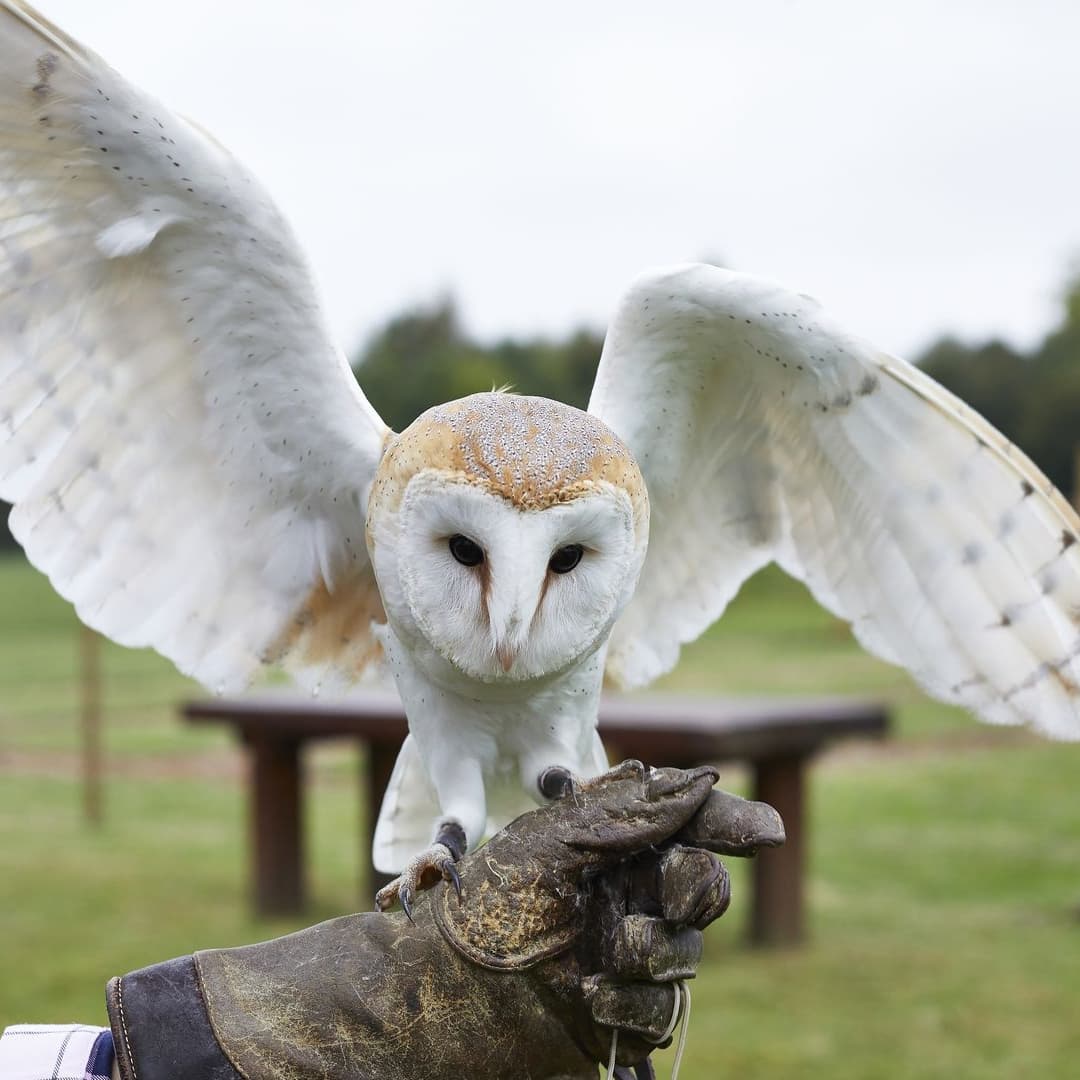
Back at the hotel, the estate itself offers ample diversion. Guests can try country pursuits such as duck-herding, falconry, axe-throwing and wander through woodland trails. Or simply relax beside the small lakes scattered across the property. Legend has it that Fish Hill gained its name from the ponds fished by medieval monks for their supper.

Ultimately, The Fish Hotel, a Cotswolds luxury escape, is a retreat that encourages guests to slow down. For couples seeking a romantic rural escape, with just enough adventure and exceptional food to keep things interesting, The Fish offers an enchanting corner of the Cotswolds where luxury and nature coexist beautifully.

Michael Edwards
Michael Edwards had his first travel article published by The Independent in 1986, on Santa Catalina just off the Californian coast. Subsequently, he has written for The Guardian, Telegraph and many other media. He enjoys writing on restaurants, travel and golf. “In 1980 I read Lauren Van der Post’s Lost World of the Kalahari and never dreamed that one day I would be tracking through the desert with a Bushman before writing my own piece on The Land Made by The Devil,” says Michael.