Hyll Country House, A Restored Manor That Redefines the Cotswolds Escape
The Cotswolds remains one of London’s most enduring countryside escapes, a landscape of honey coloured villages, narrow lanes and manor houses that have long offered a counterpoint to the city. Across the region, many hotels lean into formality, staged arrival moments and the familiar language of country house grandeur. Hyll is not a typical Cotswolds country house hotel.

Set above Charingworth, close to Chipping Campden, the Hyll Country House looks across a broad sweep of countryside that, on a clear day, reaches toward several counties. Red kites circle above the meadows and the land falls away in soft layers of pasture and woodland, with the manor sitting lightly on its rise rather than dominating it.
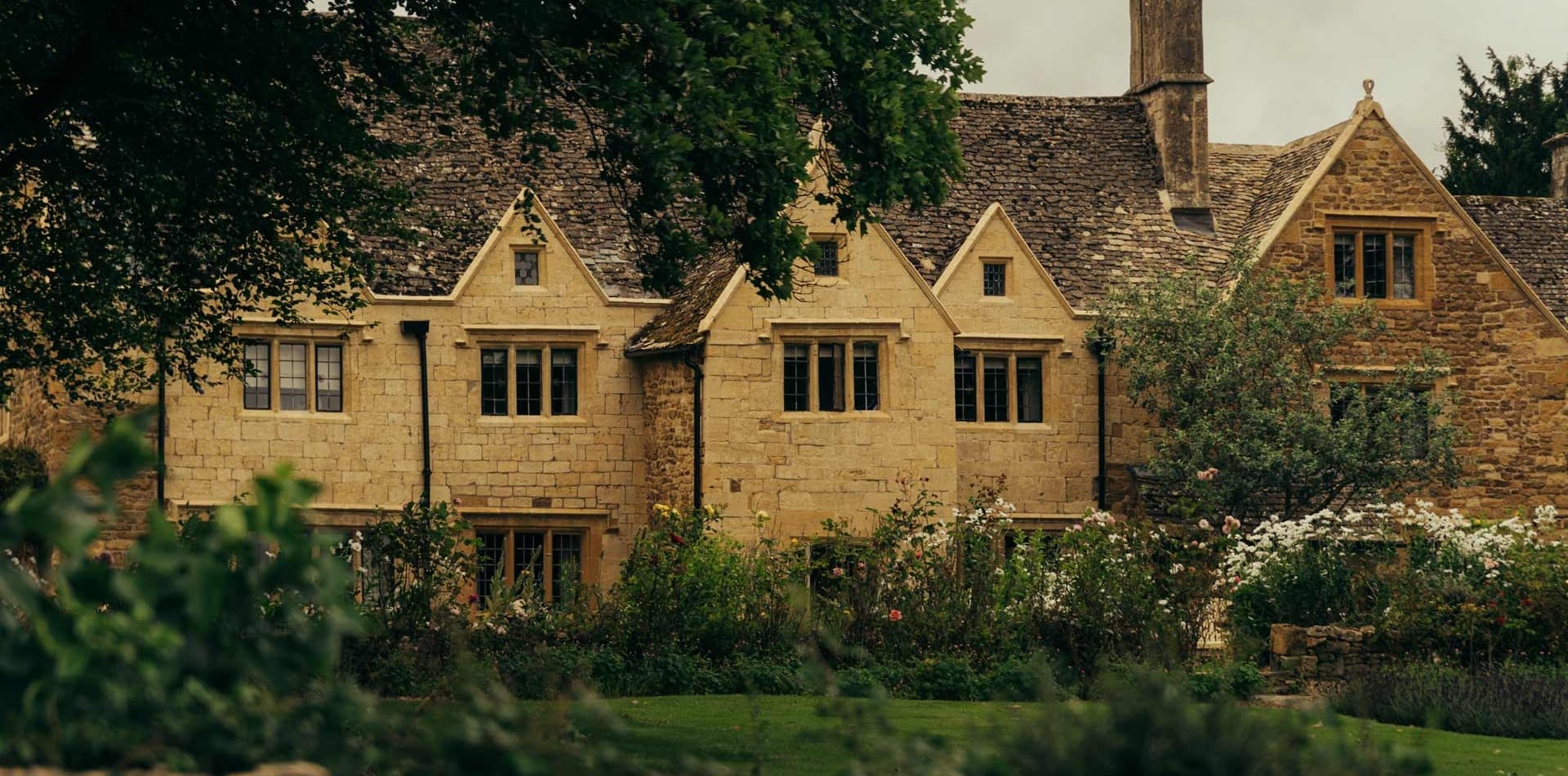
Once known as Charingworth Manor, the building is Grade II listed, a designation that recognises it as a structure of national importance and special interest. In practical terms it is protected for its architectural and historic value, meaning change must work with the original fabric rather than replace it.

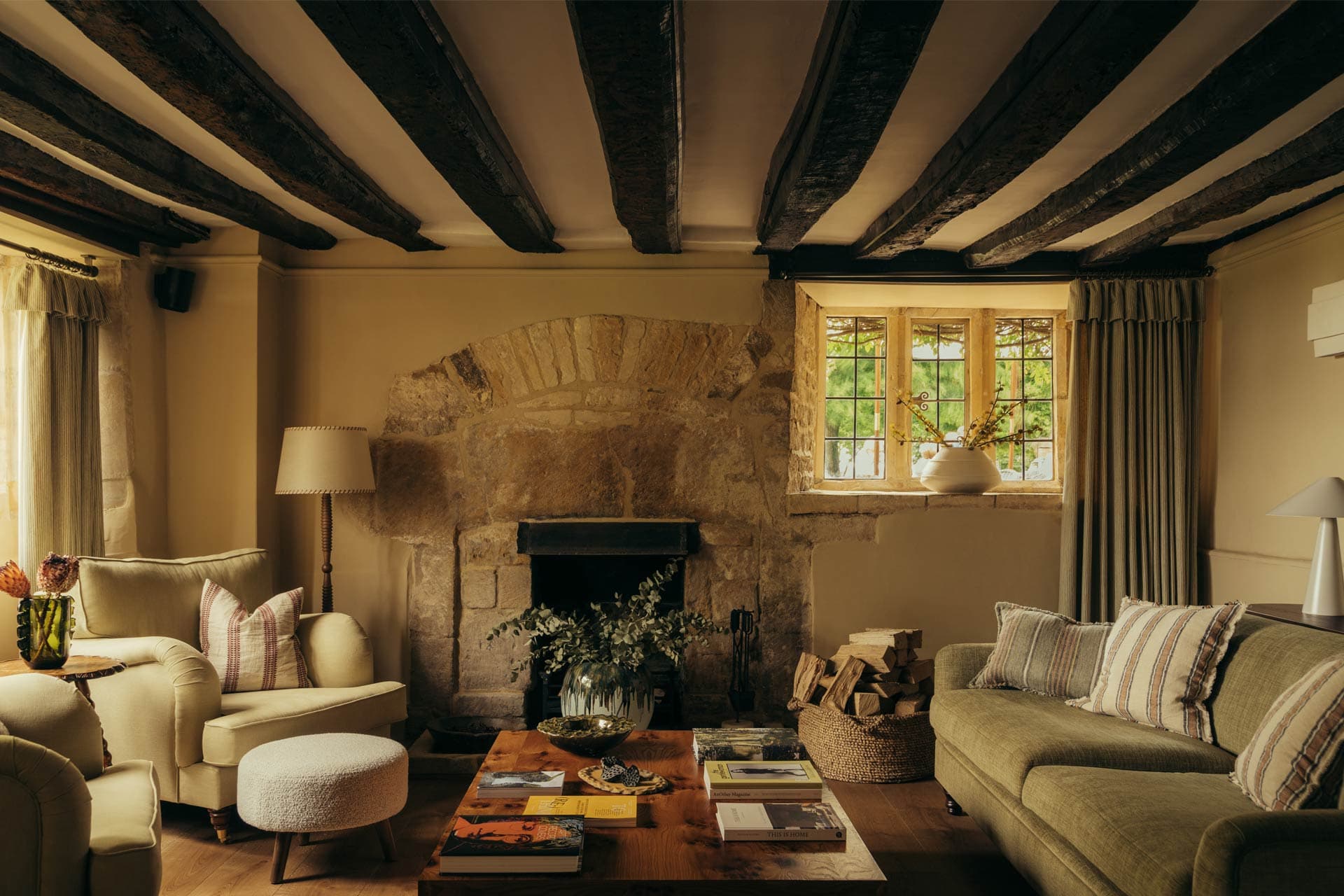
The house itself is the result of gradual evolution across centuries rather than a single moment of construction. The earliest parts are believed to date from the sixteenth and seventeenth centuries, with later additions layered on as needs and ownership shifted. Thick limestone walls form the core of the structure, while stone mullioned windows, heavy timber beams and deep inglenook fireplaces remain visible reminders of its early domestic life. Because it has developed over time, room proportions shift, ceiling heights vary, and reflects the accumulation of different periods rather than a single architectural logic.
Ownership, Vision and Restoration
Hyll is the debut hotel project of Paul Baker and Sarah Ramsbottom, who acquired Charingworth Manor in 2023 and set about reworking it into a contemporary country house stay. Their approach has been consistent throughout, focused less on reinvention and more on refinement, allowing the structure and proportions of the building to guide the outcome.
The intention was to remove unnecessary noise from the experience. That meant not reducing comfort, but stripping away excess layers of design expectation that often come with country house hotels. Across the wider sixty acre estate, the same approach continues, with new elements designed to sit quietly alongside the manor rather than compete with it. The result is a house that feels settled into its next chapter without losing sight of the ones that came before. It is neither preserved nor overstated.
Interiors and the Language of the House
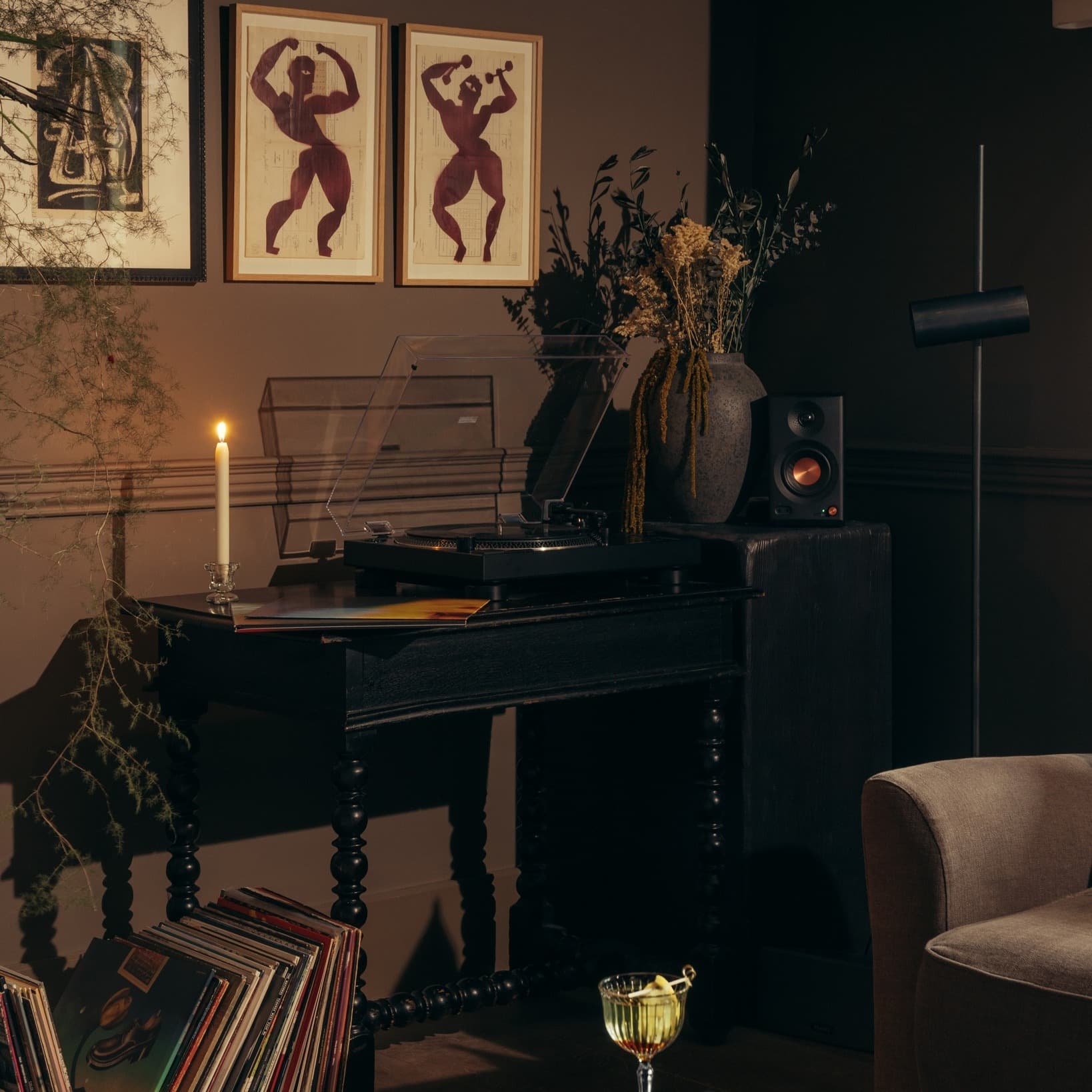
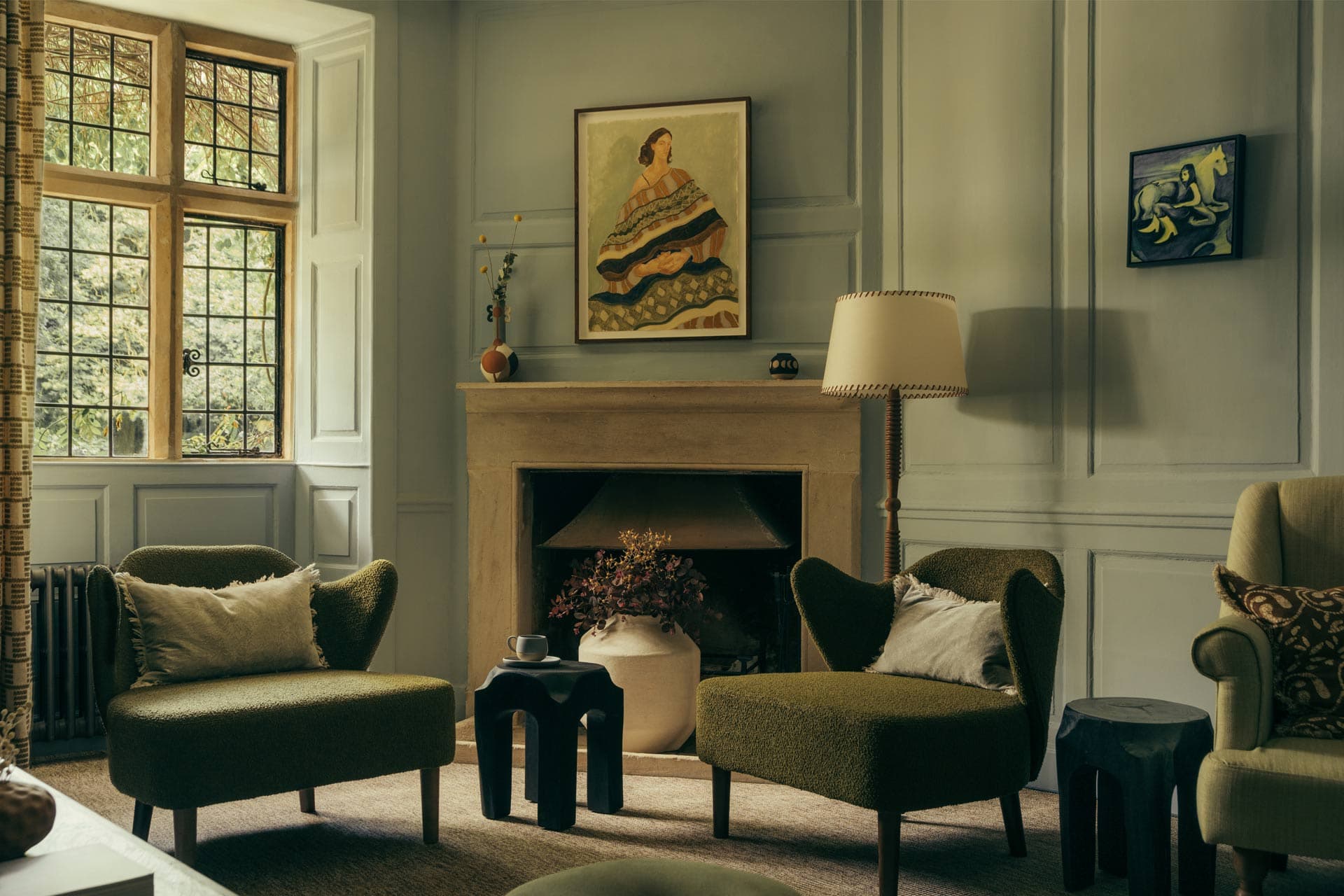
Inside, a deliberately restrained approach that avoids the usual signals of country house design. Instead of foregrounding heritage detail, the interiors focus on texture, light and proportion. Limestone tones, muted greens and softened timber run through the spaces, while low lighting shifts the atmosphere as the day changes.
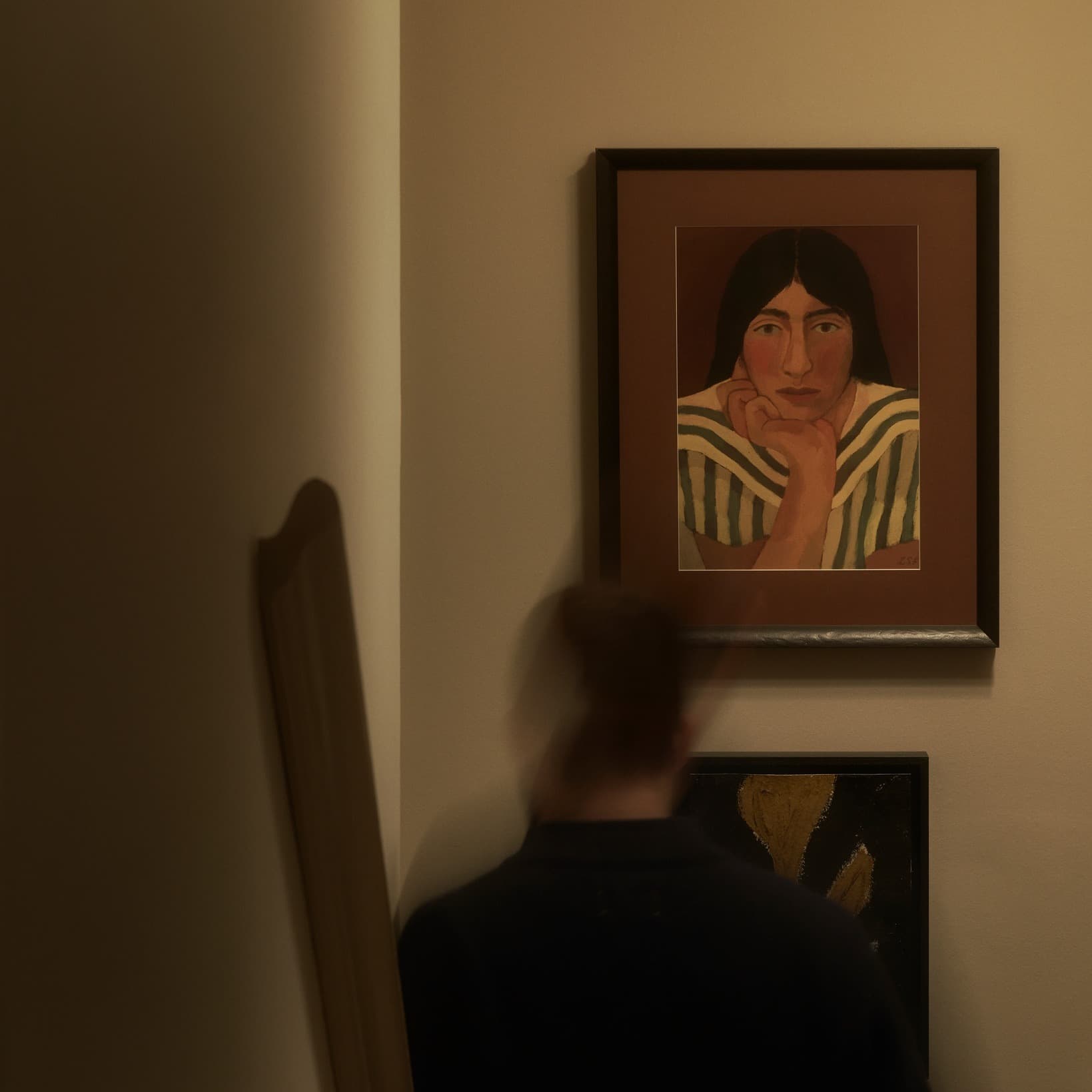
Rooms connect without heavy separation, creating continuity through the building that feels closer to a private residence than a hotel. Books, records and small objects are integrated into the spaces rather than placed for effect. A listening room holds vinyl that guests can play, while drawing rooms are arranged for reading, conversation or long stretches of stillness.

The result is not minimalism in a strict sense, but something more tactile and lived in, shaped around how people actually occupy space when they are not being directed by it.

Rooms Across the Manor and Courtyard
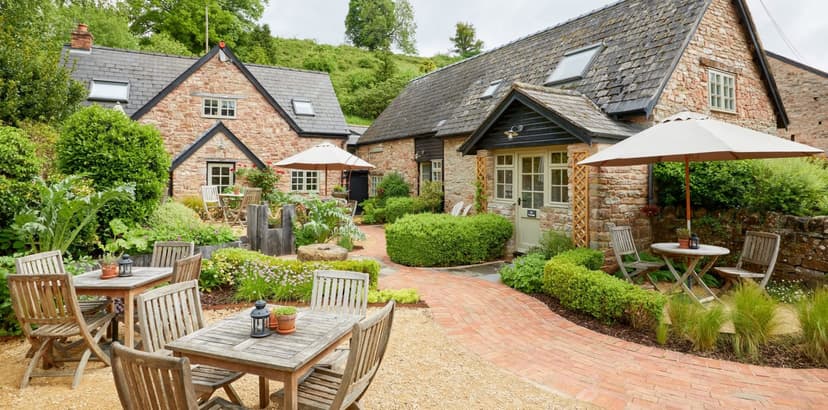
Hyll has twenty six rooms spread between the original manor and surrounding courtyard buildings. The manor rooms carry the irregularities of the historic structure, with deep window reveals, original beams and varied proportions that reflect centuries of change. The courtyard rooms feel more contemporary and private, many opening directly onto gardens or quieter corners of the estate.

Across both, the design language remains consistent. Natural materials, soft lighting and generous beds define the rooms, with an emphasis on comfort rather than visual impact. Nothing feels overly styled. The surrounding landscape remains present even indoors, particularly through framing of views and the quiet positioning of furniture. Small details shape the stay in understated ways. Books are placed in rooms, tea and coffee are set up without formality and the overall impression is of a house adjusted for slower occupation rather than constant movement.
Dining and the Rhythm of the House
Dining at Hyll follows the same restrained logic as the rest of the property. Menus change with the seasons and draw on produce from the surrounding region, including farms in the Vale of Evesham. The food is rooted in place without being presented as a concept.

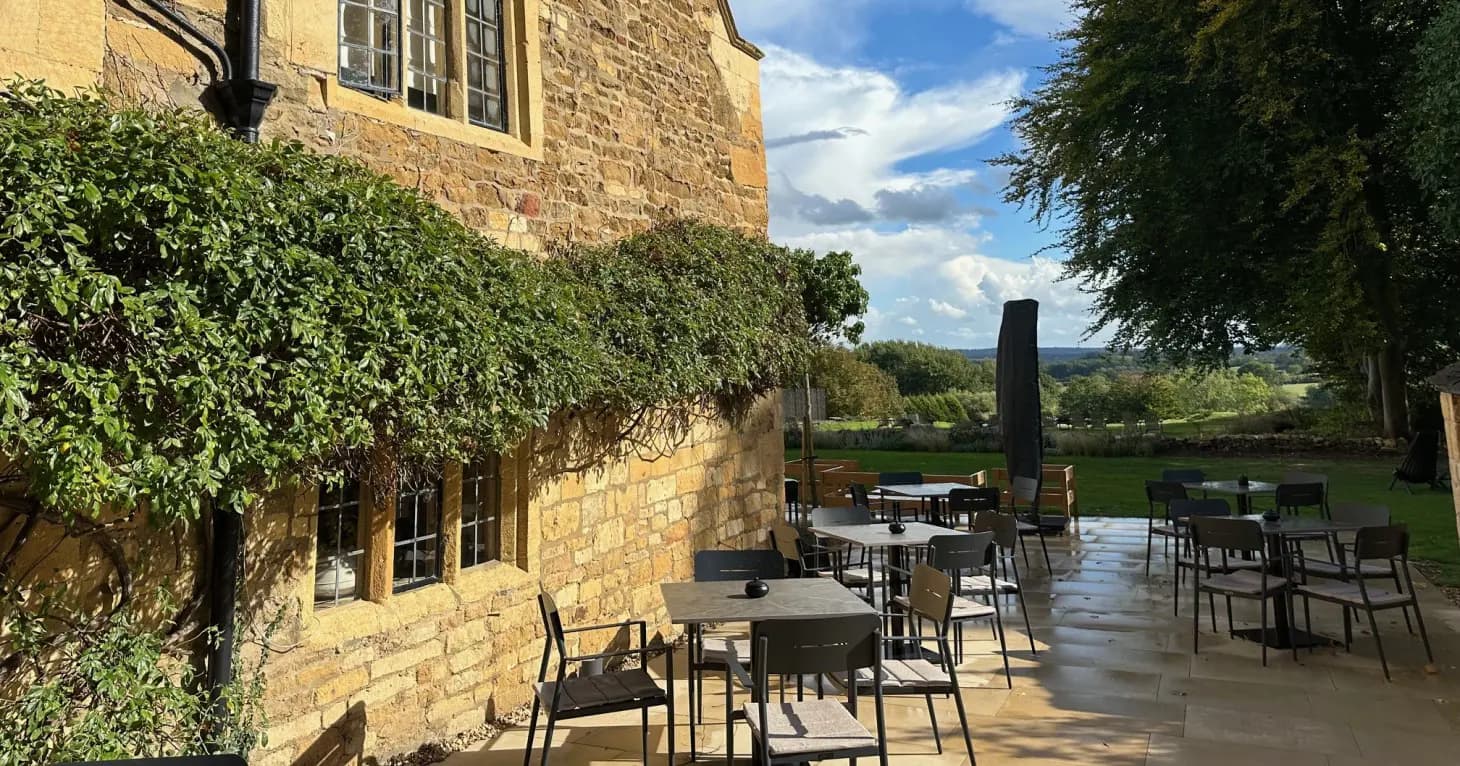
Breakfast is unhurried, with estate honey, local breads and cooked dishes served in a setting that encourages guests to linger. Lunch often moves onto the terrace when the weather allows, while dinner unfolds at a pace that allows time to stretch rather than contract. Guests tend to move between dining room, bar and lounge rather than treating meals as fixed points in the day. On Sundays, roasts bring together hotel guests and locals, reinforcing the sense that the house remains connected to its surroundings rather than separated from them.
The Estate and the Surrounding Landscape
The wider estate extends across roughly sixty acres of meadow and woodland. Paths run through long grass and open fields where the landscape feels gradual rather than dramatic. The manor remains a constant reference point, visible from different parts of the grounds as a quiet anchor.
The surrounding Cotswolds adds depth without demanding attention. Chipping Campden is only a short drive away, with Broadway, Moreton in Marsh and a network of walking routes, gardens and small villages nearby. The area has long attracted writers and artists, including T S Eliot, who is believed to have spent time in the region while working on Burnt Norton.
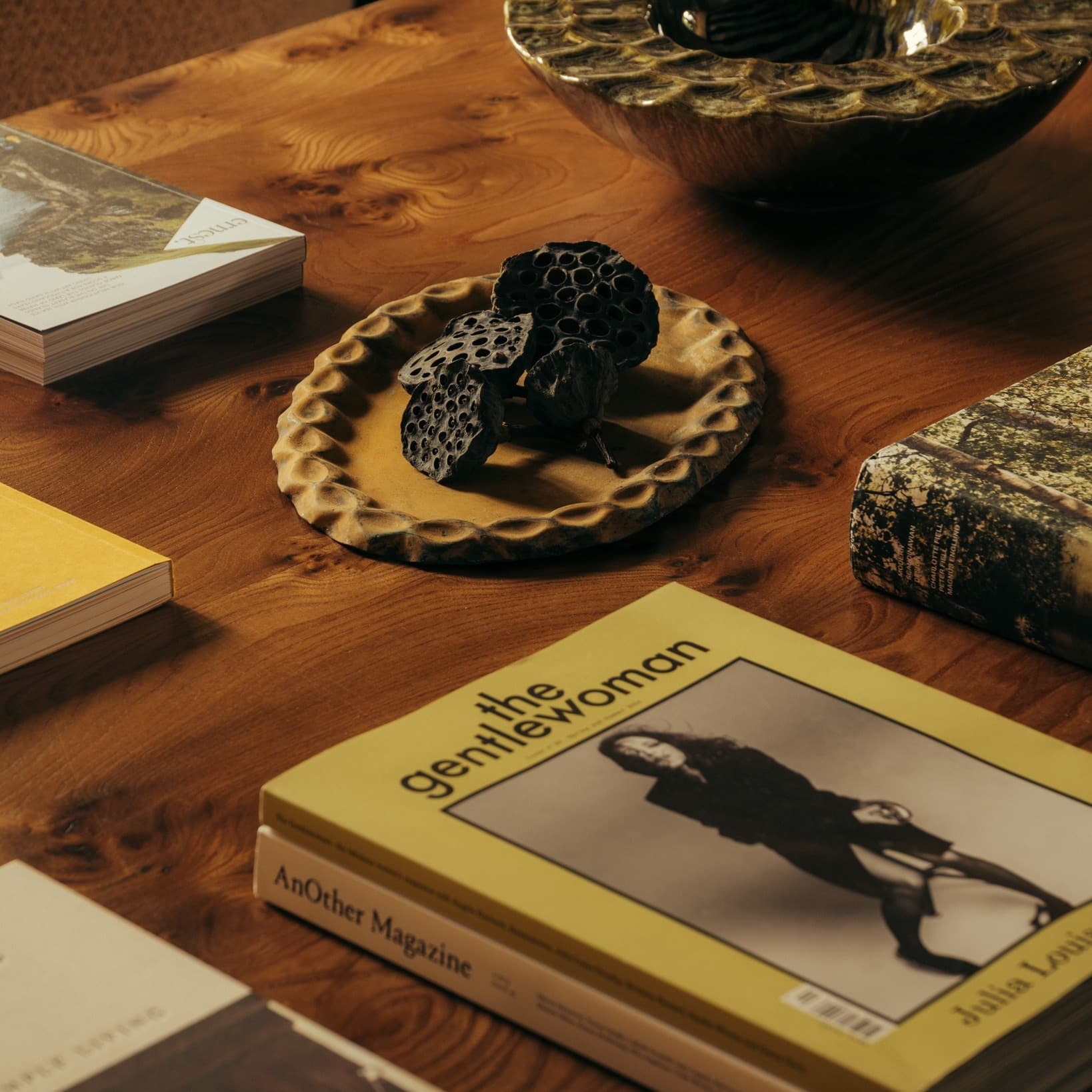
How the Hyll Country House sets itself apart
Hyll does not compete as a place to see and be seen. In a region filled with country house hotels that emphasise polish and presentation, it offers a more laid back vibe, focusing instead on how a place feels versus what it does.

That approach runs through the architecture, interiors and daily rhythm of the house. Nothing is overly complicated or asks too much of their guests. As a London escape, Hyll Country Manor works because it understands what people are actually leaving the city for; they are leaving for less and not for more. And that’s just what you get in the surrounding slowed down bucolic landscapes which set the pace, and the house simply moves along with it.

Davlynne Lidbetter
Davlynne Lidbetter is a luxury travel and lifestyle writer with a background in international media publishing and brand storytelling. Formerly with Forbes Africa and now Co Publisher of Beau Monde Traveller, she writes on culture, hospitality, aviation, and the changing language of modern luxury travel.