etch. by Steven Edwards, Restaurant Review: The Discipline of Less
Cooking, as we tend to understand it, is an act of accumulation. Sauce on top of protein on top of purée, the whole edifice crowned with a scattering of microherbs, a drizzle of something acidic, a dusting of something powdered. More. Always more. The contemporary fine dining plate has become, in many hands, like a film with too many subplots, impressive in scale, but difficult to follow. We have come to equate addition with ambition, and restraint with timidity.
Which is precisely why walking into etch., Steven Edwards' quietly celebrated restaurant on Church Road in Hove, feels like a corrective. The name itself is the first statement of intent. To etch is not to add. It is to remove. To cut away. To incise a mark by taking material out rather than piling it on. It is the art of the negative space, the discipline of the line.
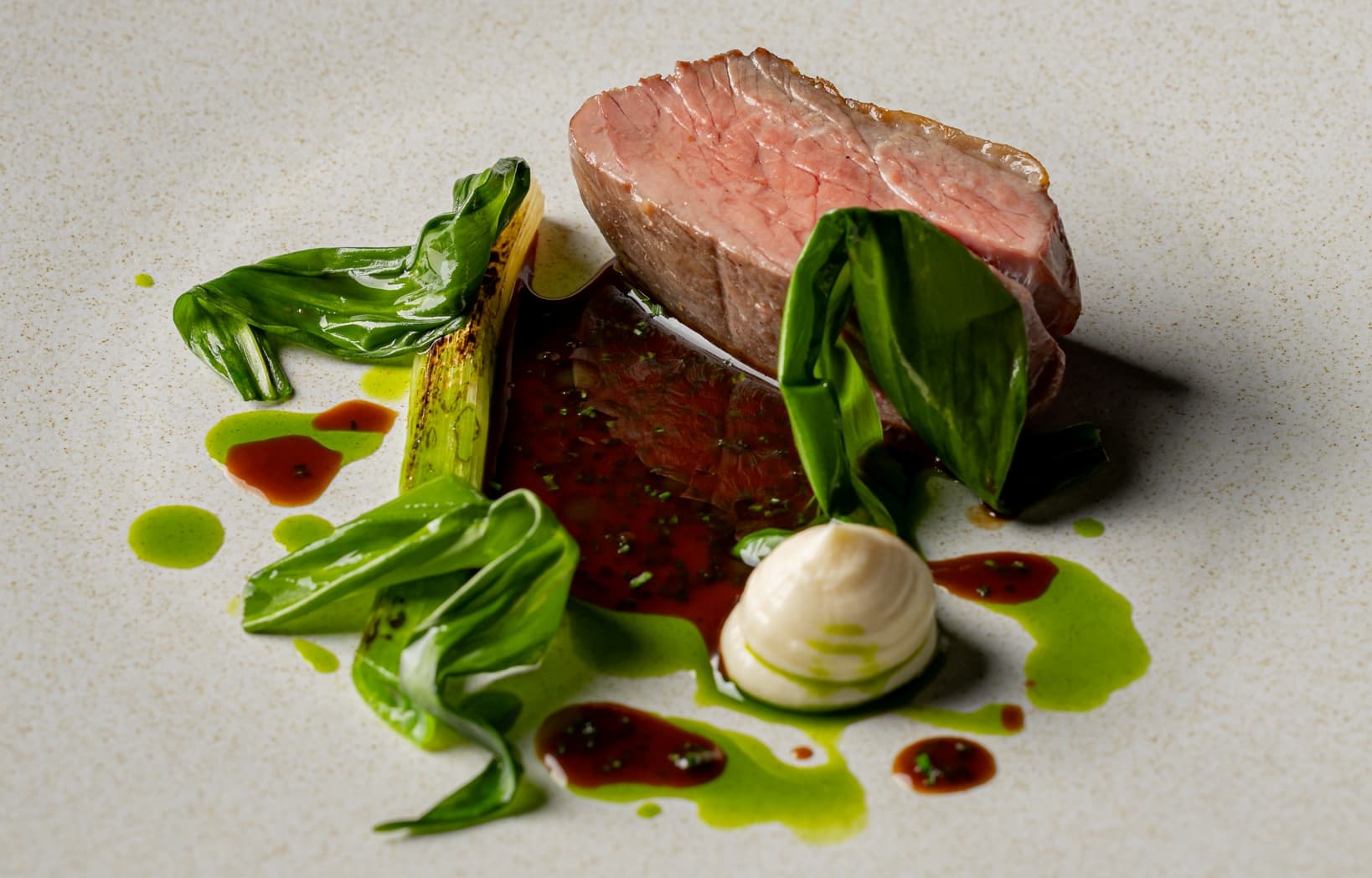
Edwards understood this long before he hung the sign. His entire culinary philosophy rests on a single, almost austere premise: two main ingredients per dish, nothing else. No pepper. No spice. No concealment. Just the ingredient, interrogated, celebrated and served. It is, in every sense of the word, an etching.
Brighton's Quietly Radical Table
In March 2017, after three years of acclaimed pop-ups at venues including Blenheim Palace and Nyetimber Vineyard, Edwards finally found the right home for his permanent restaurant. Since then, etch. has quietly accumulated a collection of accolades that would make many a London restaurant blush. Three AA Rosettes, a Michelin recommendation, and a position consistently within the National Restaurant Awards' top 100, all from a converted building on the main street of Hove, Brighton's gentler, less frenetic neighbour.
If etch. were in London, it would cost three times as much, as local admirers are fond of pointing out, and they are not wrong. The four-course menu at £55 or the six-course for £80 per person represents the kind of value that makes seasoned London diners quietly furious with themselves for not taking a road trip to the coast sooner.
THE LOCATION: Church Road, Hove
Set on Church Road, a strip of pubs, eateries and independent shops that runs parallel to the sea, etch. found its home in the shell of a former bank. This matters more than it might seem. Hove occupies a specific cultural register: less frenetic than Brighton, more considered, more refined than it the city that shadows it. It feels distinctly more like a town than a city, and all the better for it.

The entrance is a black door, understated, almost speakeasy in its discretion, offering nothing by way of fanfare. This is not a restaurant you stumble upon. It is, unambiguously, a destination. The fact that it sits within the broader orbit of Brighton makes it an exceptionally worthy reason to make the trip down from London. Come for the afternoon. Wander. Dine magnificently, and head back before midnight.
DESIGN & ATMOSPHERE : Monochrome, Modern, Unfussy
Inside, there are perhaps twelve tables, no more. The room is intimate by design. Clean Scandi furnishings, olive green banquettes, and a deliberate absence of visual noise: the décor asks nothing of you except that you pay attention to your plate. Everything that might distract from the food has been quietly removed.
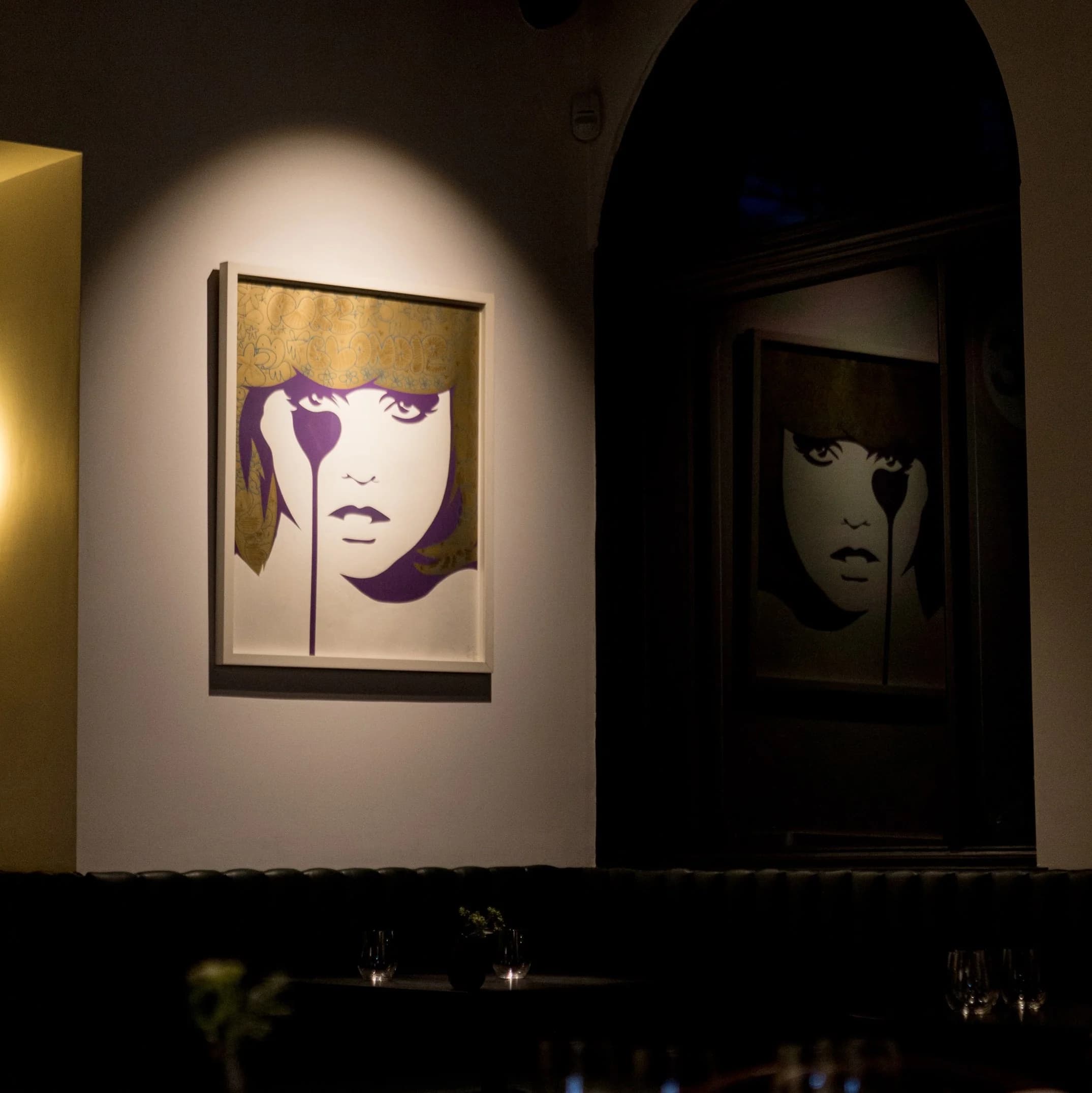
The art though, does make a statement to be heard. One striking piece by Pure Evil, the Welsh street artist, features a woman with a spot of paint beneath her eye trailing downward in a single deliberate line. Other edgy work adorns the walls throughout, but the food always has the last word. Each dish arrives as visually compelling as anything hanging above it.
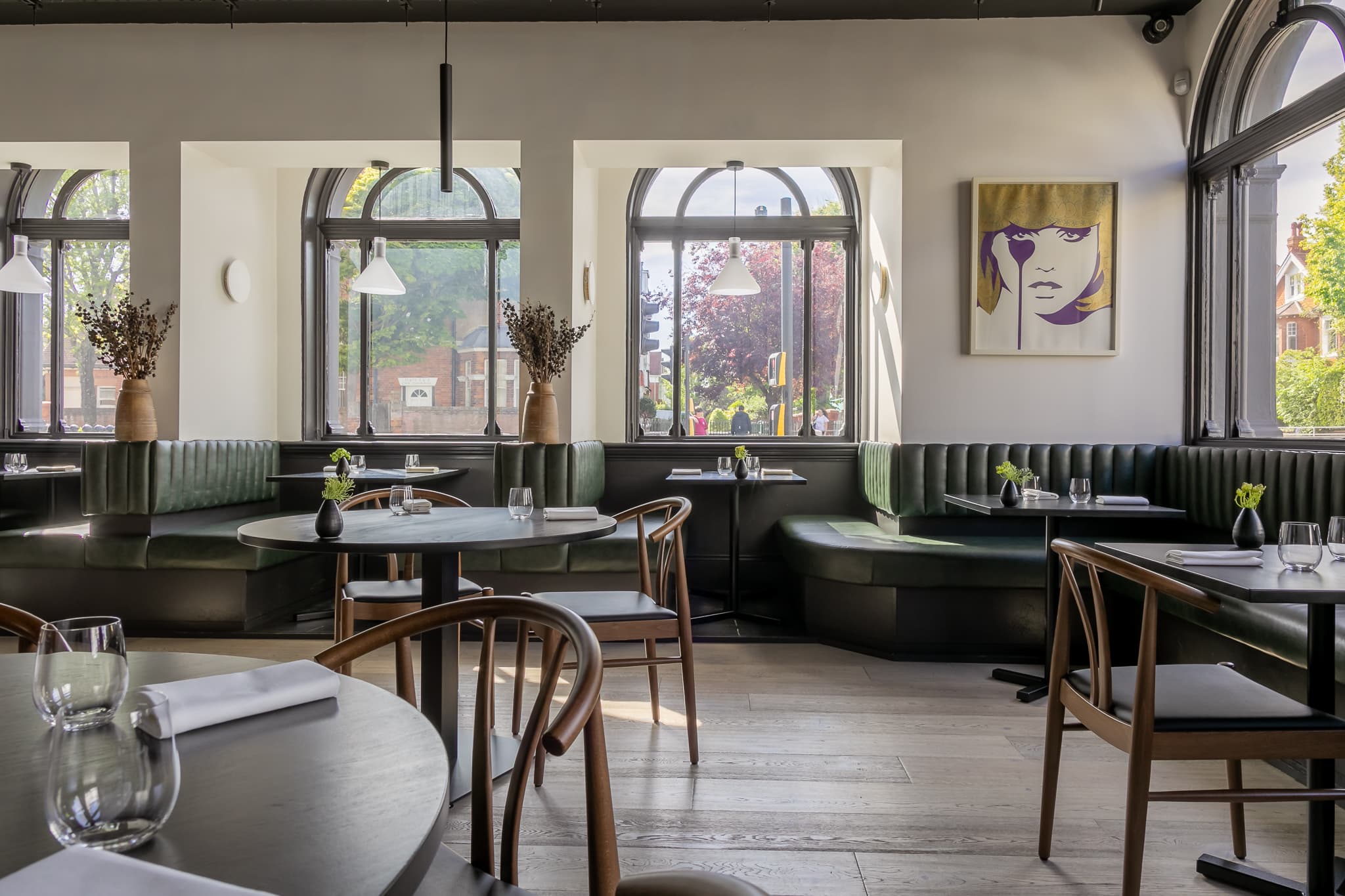
Through the dining room, two open kitchen stations are always visible. Watch long enough and you begin to understand what you are witnessing: the focused, unhurried intensity of a team that look like mad scientists preparing something that absolutely must impress.
The Chef and Owner: Steven Edwards

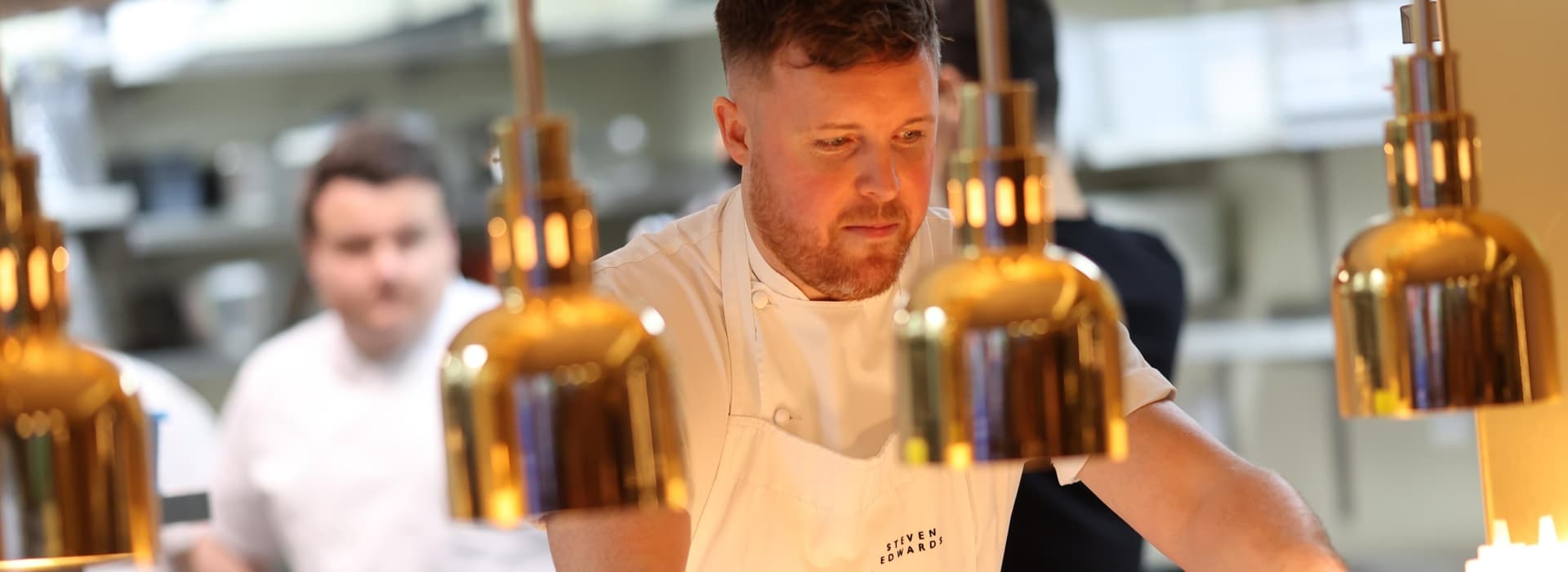
In 2013, at just 26 years old, Steven Edwards became one of the youngest winners in MasterChef: The Professionals history. Michel Roux Jnr, not a man given to easy praise, called his food "lovely… great to eat, expertly cooked, presented with elegance, and fault-free." The word fault-free lodges in the memory. Not spectacular. Not daring. Fault-free. It is, in a certain light, the most demanding compliment possible.
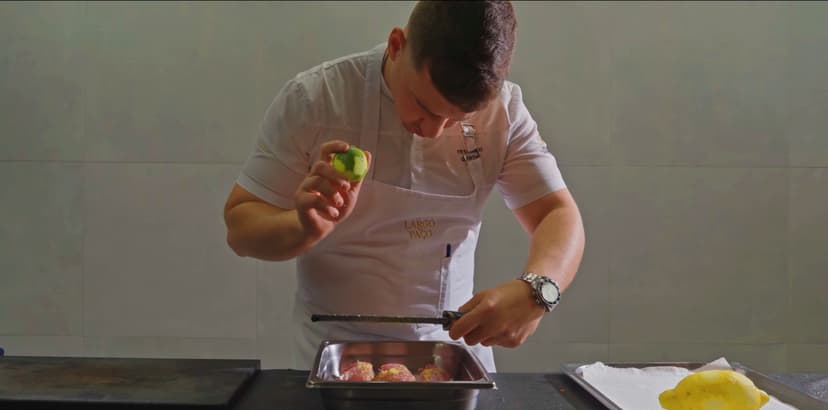
He does not look like a typical chef. Nowadays, you might expect tattoos, long hair, the studied dishevelment of someone who has decided that cooking is a form of performance art. Edwards offers none of this. Short hair, neat appearance, no predictable visible ink of a chef’s knife on his forearm. He looks, more than anything, like a banker. Or an accountant. Precise, calibrated, quietly purposeful. And then you watch him work. The tweezers come out and he plates with something approaching surgical accuracy, moving between the sauté pan, the grill, and the plate.
Before MasterChef, Edwards trained with leading chefs across the country before joining the brigade at the five-star South Lodge Hotel in Horsham in 2008. After winning, he launched etch. as a travelling pop-up that appeared over three years at venues including Blenheim Palace, The Latymer, and Nyetimber Vineyard. In March 2017 he opened his first permanent restaurant, and the industry has been quietly catching up with his reputation ever since.
The name itself came from the idea of something being etched into memory, the idea that a meal should leave a mark that endures long after the last bite. His biggest aim is for the food at etch. to produce exactly that: a lasting impression. The menu continues evolving throughout the year, close to one hundred and fifty different dishes appearing across twelve months. This is not a kitchen that found its formula and sat on it.
A Room That Knows What It's Doing
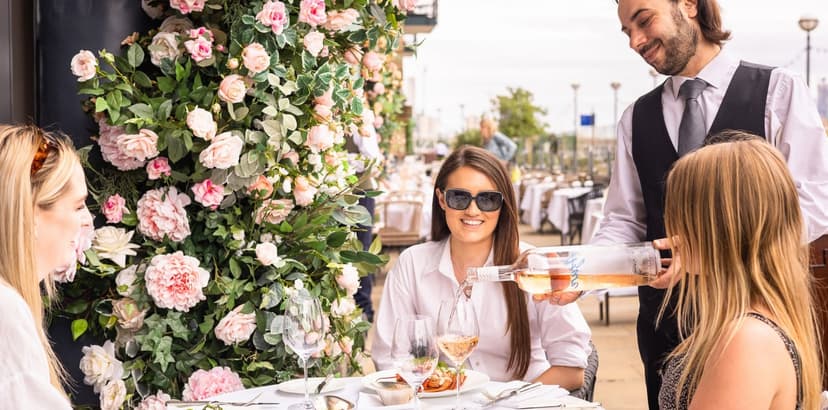
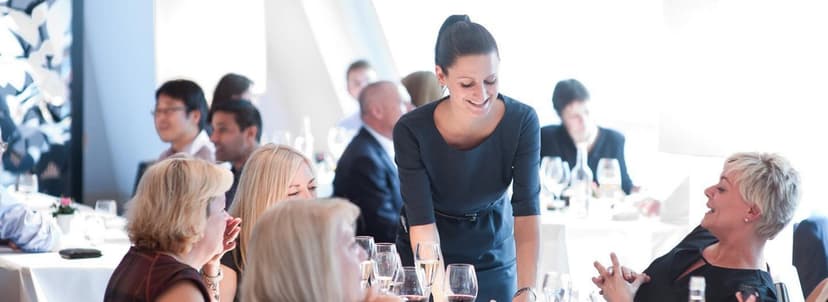
And he is supported by an equally talented team, just as exacting in their pursuit of perfection. The service hits a register that is elusive in British fine dining: warm without being familiar, informed without being pedagogical. Dishes are explained when explanation adds something, and left alone when the plate speaks for itself. You are never made to feel as though dining here is a test you might fail.

In 2023, sommelier Sam Weatherill won the UK Best Contemporary Wine List at the IWCC wine awards. The wine programme proudly features British selections, and etch. was among the first restaurants to exclusively serve English Sparkling Wine rather than Champagne, currently holding the second largest variety of English Sparkling Wine on any list in the UK.

THE FOOD & CONCEPT: The Discipline of Two
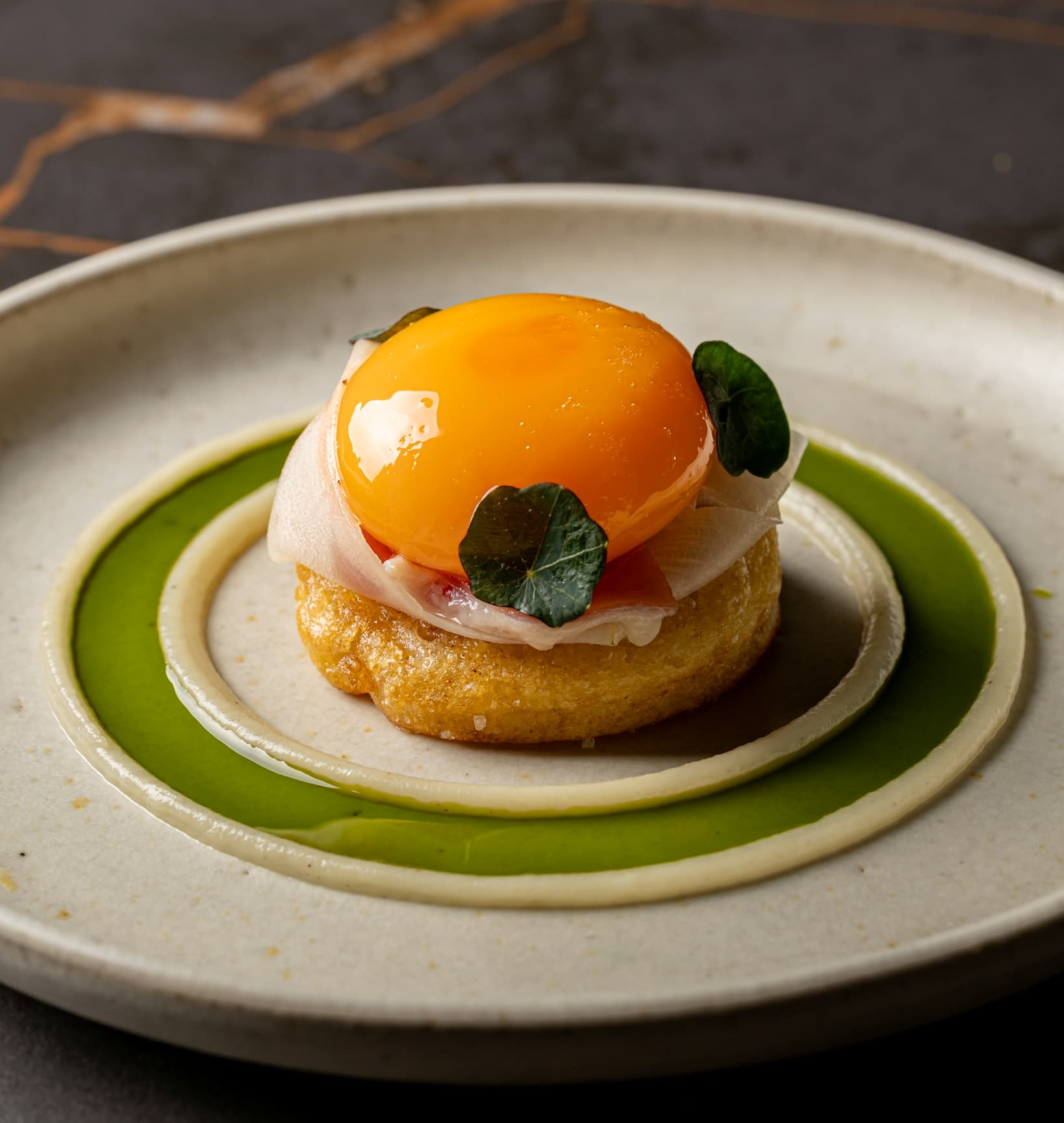
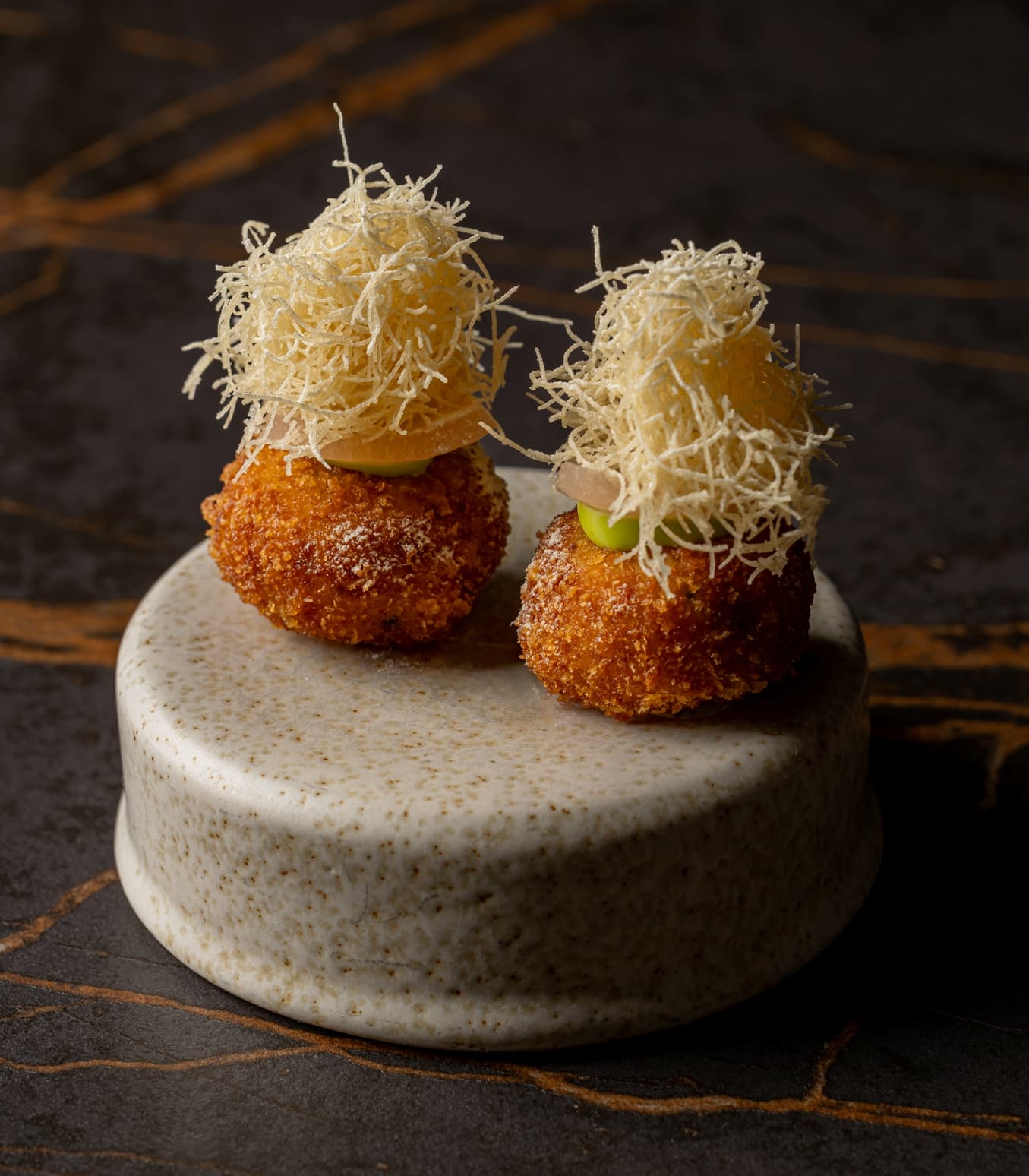
Each dish at etch. features only two main ingredients, so that each can be scrutinised, enhanced and celebrated. Unusually, no spice is used in the preparation, not even pepper. Instead, the unique flavour of each ingredient is manipulated and elevated through cooking technique alone. There is nowhere to hide here. The ingredient either is what it is, or it isn't.
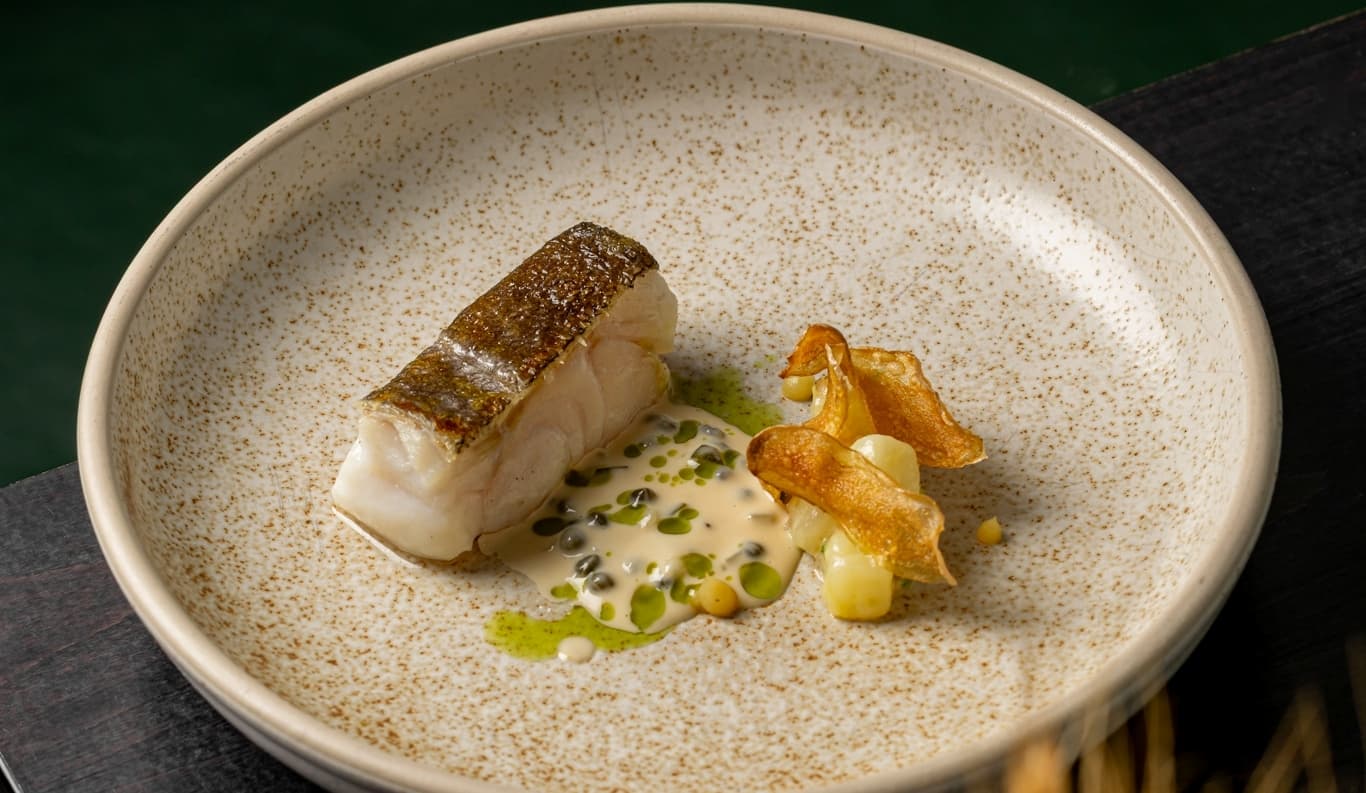
The tasting menus, available at seven, nine or twelve courses, follow a considered arc: snacks and bread, then soup, then a procession of fish and meat courses before cheese, sorbet and dessert. It flows with the logic of a well-written sentence. Each course sets up the next.

The Marmite brioche with seaweed butter and crispy seaweed topping arrives first and never changes, a menu staple for good reason. It is a statement of intent: umami-rich, deeply savoury, finished with precision. It prepares you for what is coming.
The sea bream arrives with crispy skin, tangy pickled elements, crispy artichoke skin and an artichoke sour buttermilk with basil, a dish that rewards slow eating. The egg course delivers a runny, yielding yolk made for dipping, with crunchy bread fried in duck fat providing the vehicle. It is simple in the way that only very skilled cooking can be simple.
The duck course is duck with a sauce built from reduced duck stock and wine, deepened with beetroot, and it achieves a balance that feels inevitable once you taste it: the earthiness of the root cutting through the fatty richness of the bird with quiet precision. The lamb arrives next from the leg, prepared three ways, purée, grilled and batter-fried, served with lamb stock and a delicate crown. It is a study in a single animal, rendered from every useful angle.
Dessert moves through cheese, then sorbet, then a rich Guanacaste chocolate mousse with ice cream, crunchy praline and marinated cherries, and finally a strawberry course: fresh strawberries, an emulsified jam dome filled with sweet clotted cream, strawberry sorbet and a crunchy element. It is a perfect balance of sweet and tart, and a clean, considered way to end. Not a full stop so much as a well-placed comma, the kind that leaves you wanting, but satisfied.
SUSTAINABILITY: The Conscience Behind the Plate
The menus at etch. are designed to celebrate the diversity of the British larder, changing six times a year to promote a more varied, sustainable diet and prevent overuse of food stocks. Over 75% of ingredients are sourced from within the UK, prioritising fresh, seasonal produce.

The sustainability commitments run deeper than sourcing. All fish on the menu is sustainably sourced; polystyrene boxes are donated back to fishermen for reuse. Used cooking oil is converted into biodiesel. Food waste and coffee grounds are collected and turned into compost. The site is fully electric, with 95% LED lighting. These are not gestures. They are the architecture of a kitchen that takes its position seriously.
On the human side, etch. pays above the Brighton Living Wage, distributes all service charge and tips fairly among the team, and provides healthcare, trips away and group discounts as standard benefits. In an industry notorious for its treatment of its own people, this too is a form of craft.
What Remains When You Take What is Not Necessary Away
There is a particular courage in subtraction. It is easy to add: another element, another garnish, another technique deployed in the hope that volume will disguise uncertainty. What takes nerve, real nerve, is to strip back until only the essential remains, and then to trust that the essential is enough. More than enough. That it is, in fact, everything.

Steven Edwards understood this when he named his restaurant. To etch is to commit to the line, to the mark, to the thing you cannot take back because it is already cut. Every plate that leaves the etch. kitchen is a small act of that same commitment. Two ingredients, interrogated to their absolute limits, presented without apology or embellishment. The quality of the offering has been consolidated into something rare: a restaurant that has developed not by expanding its vocabulary, but by deepening its understanding of the same few words.
And so etch. by Steven Edwards endures, not by adding more, but by meaning more with less. Two or three hours will pass here with an ease that surprises you. The attention to detail is total, from the first bite of seaweed brioche to the last strawberry, and it accumulates into something that feels rarer than accolades can capture. It is the mark that stays. The line that holds. The thing, once experienced, that does not leave you.
It is, quite simply, etched.
Glenn Harris
Glenn Harris is an accomplished journalist focusing on luxury travel, fine dining, and exclusive lifestyle events. His wanderlust has taken him to over 128 countries where he constantly strays off the beaten path to uncover exotic locations, travel gems and exciting experiences to capture.