Slow Travel in Dorset: The Priory, Wareham Boutique Hotel Review
The churches of England are every bit as impressive as its castles. Grand architecture, soaring interiors, centuries of history, all built as places where communities once gathered and dedicated themselves to something larger than daily life. Beside many of these churches stood priories, the residences for priests and those who worked alongside them. Over time most disappeared, absorbed into private estates or lost entirely. In rare cases they became something far more interesting, historic buildings adapted into deeply atmospheric hotels. The Priory in Wareham is one of them.
London, like any big city, is exhausting. I felt the pull of a get away to somewhere slower and less manic. For me, the answer became abundantly clear that the answer was Dorset. But not the obvious coastal stretches full of summer traffic, but the quieter interior, the river towns. The Priory felt naturally suited to that.
Wareham and the River Frome
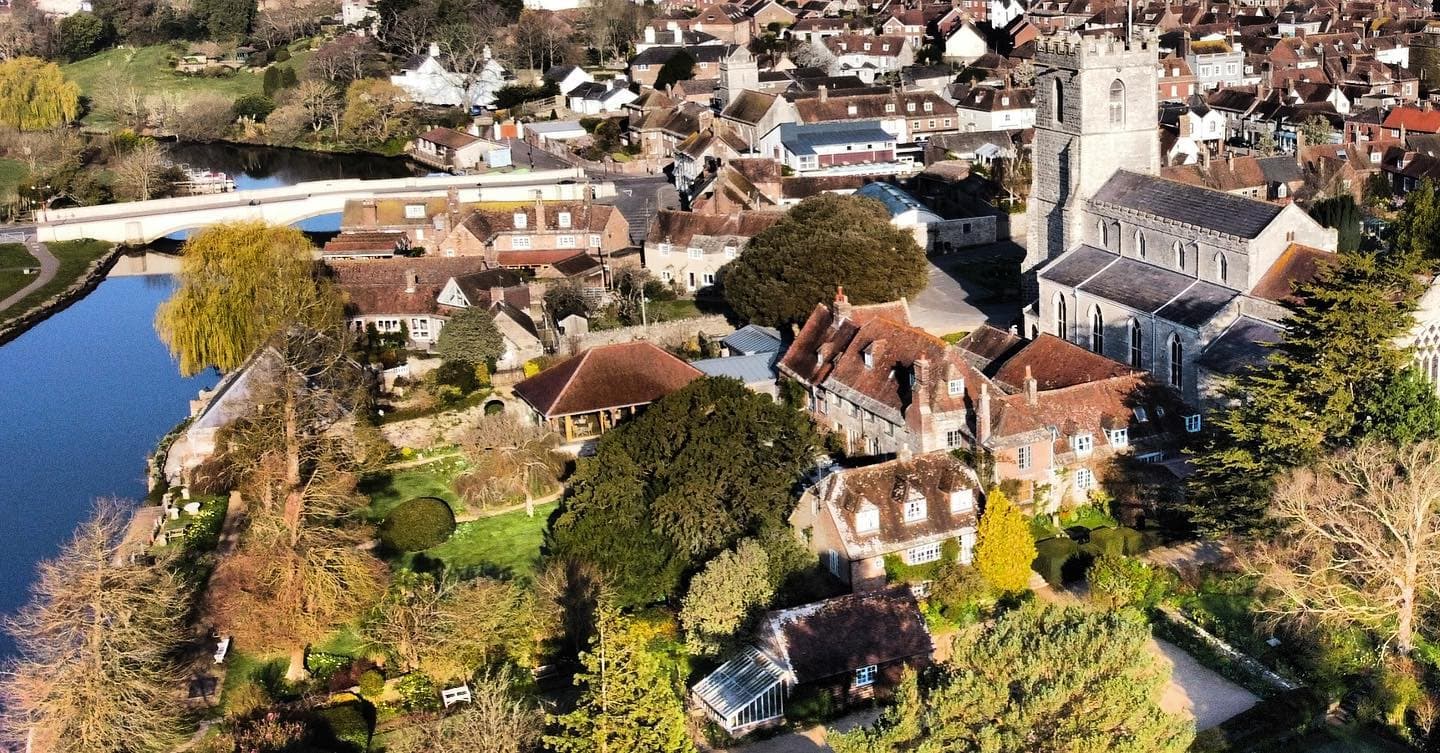
The first thing you notice arriving in Wareham is the absence of anything urgent. The River Frome is the culprit. Walking along its bank in the early morning, mist still sitting on the water and herons moving through the reeds, it becomes difficult to remember what the rush was ever about. The river runs right through the life of the town, not as a backdrop but as the thing itself, the reason boats tie up quietly at the marina, the reason people stop on the old stone bridges and simply stand there looking. The town of Wareham is best explored without an itinerary. A coffee at one of the cafes along the high street one day and the quay the next as you get a glimpse of local life there. Then a walk around to check out the independent shops, the old stone buildings, and the Saxon earth walls that still ring the town after more than a thousand years.
A Hotel Shaped by Centuries
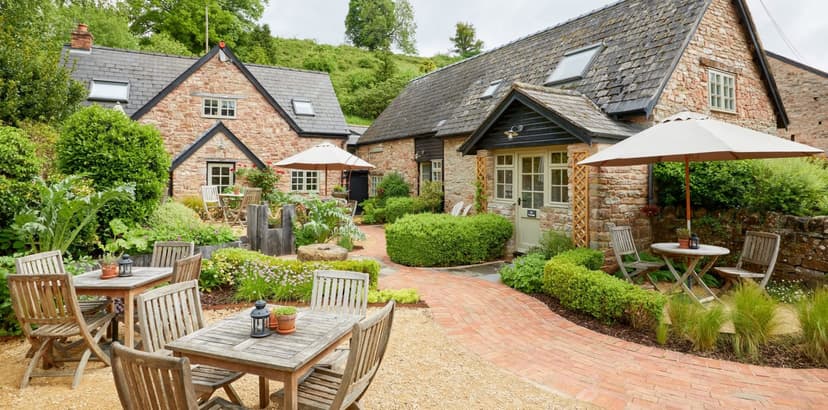
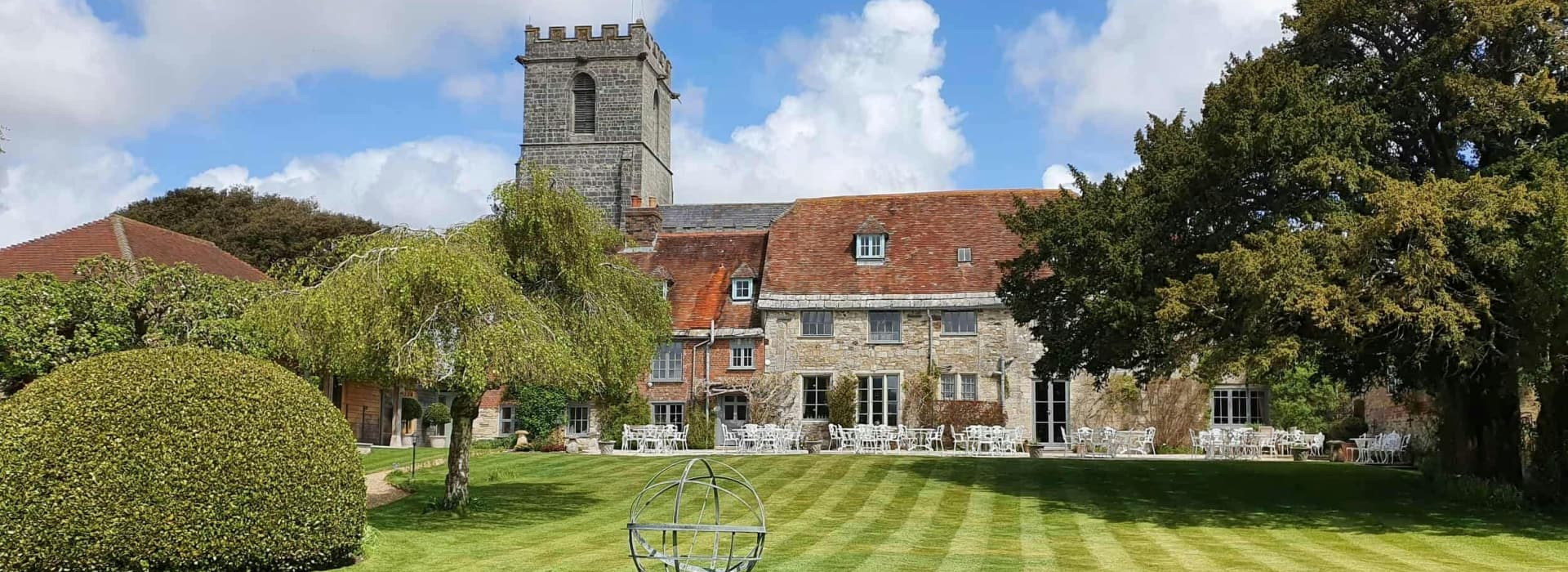
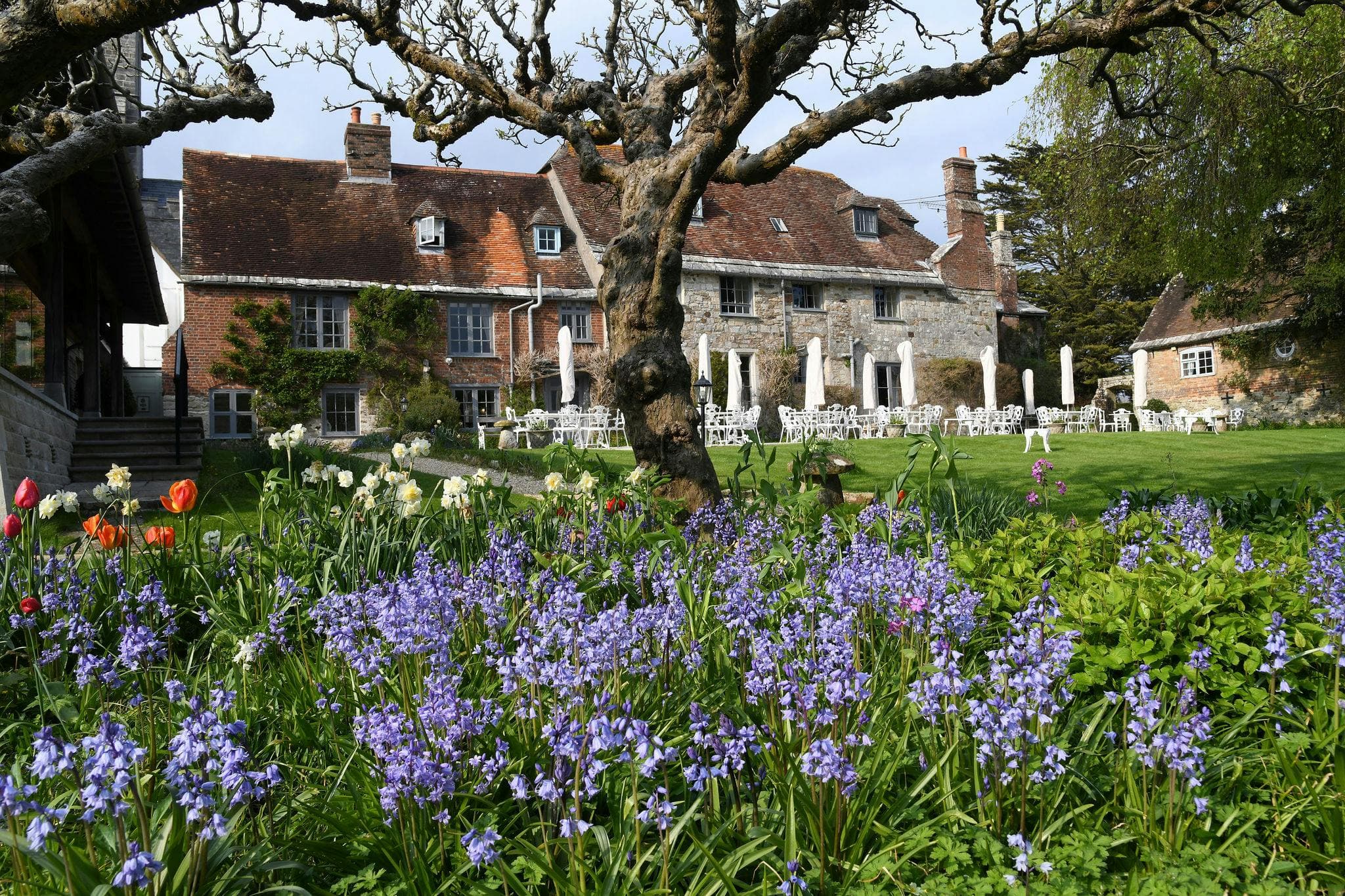
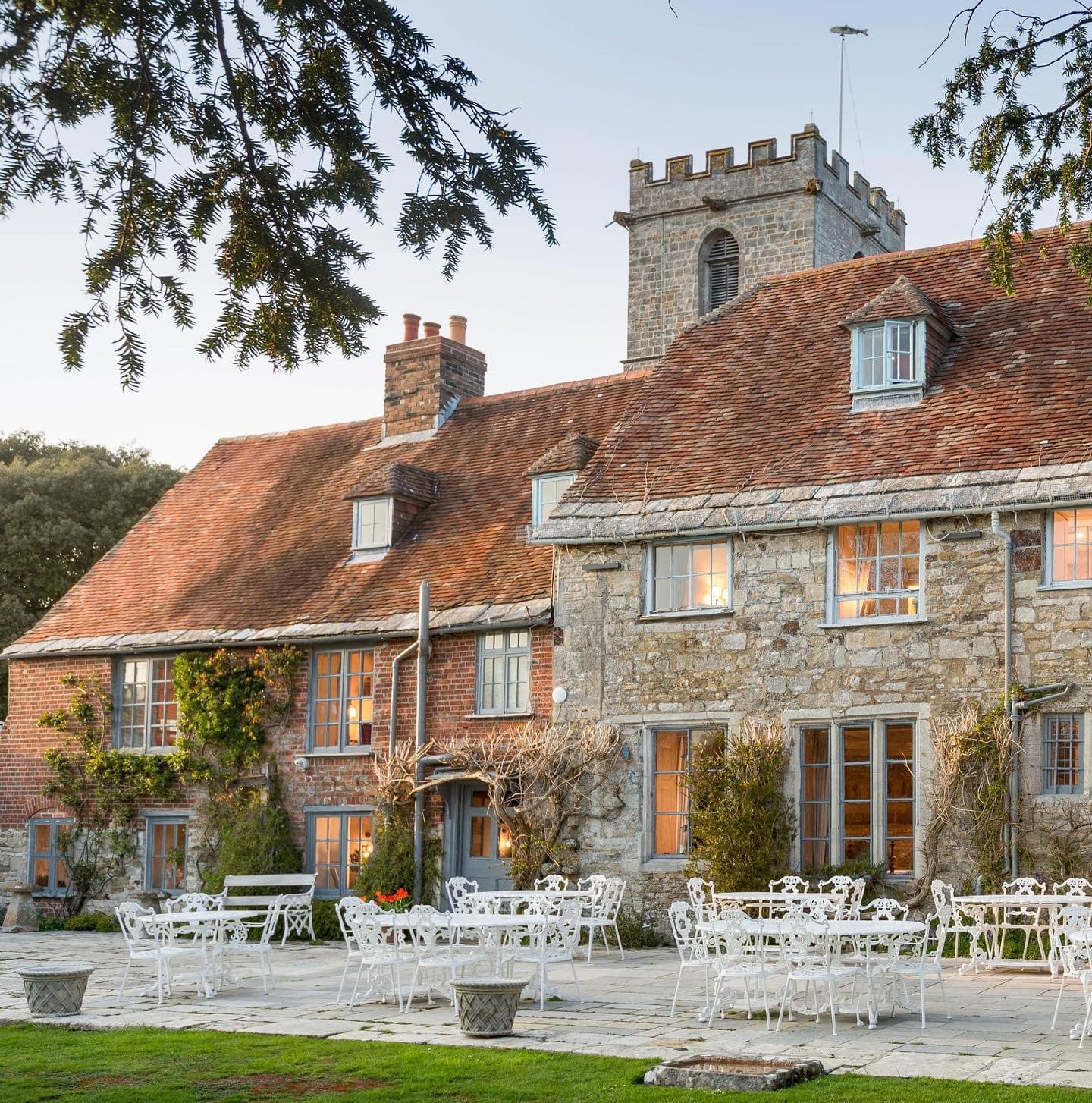
The Priory Wareham itself traces its origins to a Benedictine nunnery founded around AD 672 by St Aldhelm. Viking raids destroyed the settlement in the ninth century before it was rebuilt under Princess Ælfthryth. The present structure is largely sixteenth century, though centuries of additions and alterations have left the building with the irregular character of a house shaped gradually rather than planned all at once. From the outside it still carries that weight clearly. Stone walls, pitched rooflines, mullioned windows, layered architecture that feels unmistakably English. Beside it sits the Garden Room restaurant extension, a contemporary addition of glass, limestone, and green oak that overlooks the terrace and gardens without unsettling the historic character of the property.
Four Acres of English Garden

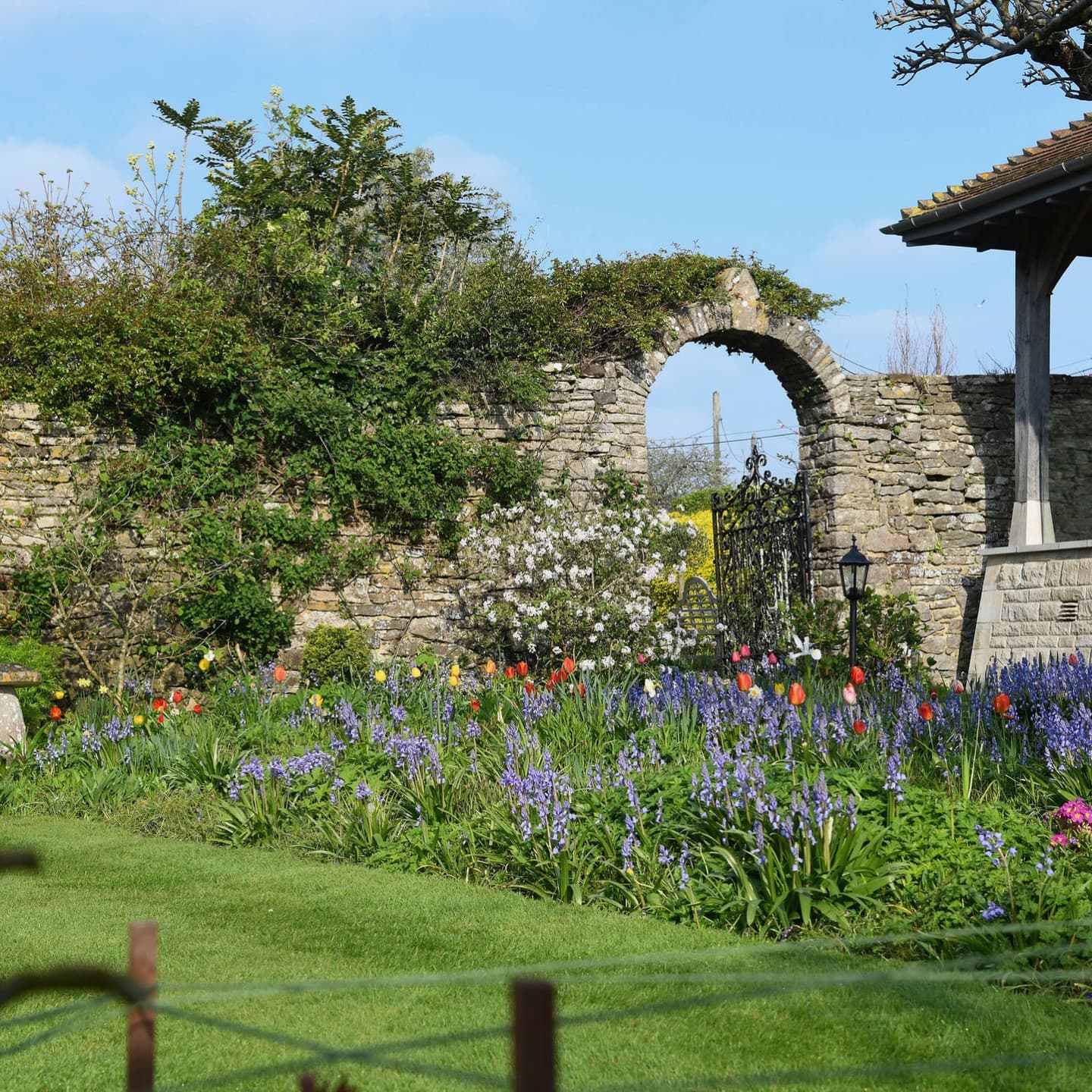
The grounds are one of those rare places where the obvious thing to do is nothing in particular. Four acres shift between formal lawns, climbing roses, and quieter corners where benches sit half hidden among the planting. A medieval stone archway frames the entrance to one section, worn and mossy and completely indifferent to being picturesque. Tucked further in, the kitchen garden grows herbs, vegetables, and edible flowers all of which has a reasonable chance of appearing on your plate this evening. The grass on the main lawn has that particular softness that old English gardens develop over decades. The terrace pulls you without you even noticing. A chair, the river beyond the gardens, the church tower rising beside the property, and suddenly an hour has gone.
Life on the River
There is something about sitting directly above moving water that makes it almost impossible to remain preoccupied with anything else. Herons stand at the water's edge patiently waiting on their next meal while a family of ducks works its way upstream with tremendous seriousness. The gardens stretch behind you, the church tower rises above it all, and the river just keeps moving , indifferent and unhurried.

Boats move along the Frome throughout the day. From the hotel's pier, guests head out in the morning for a day on the river then as the light begins to soften and the gardens empty toward evening, other boats arrive and its passengers step ashore for dinner at the Garden Room.
Interiors That Feel Lived In Rather Than Designed
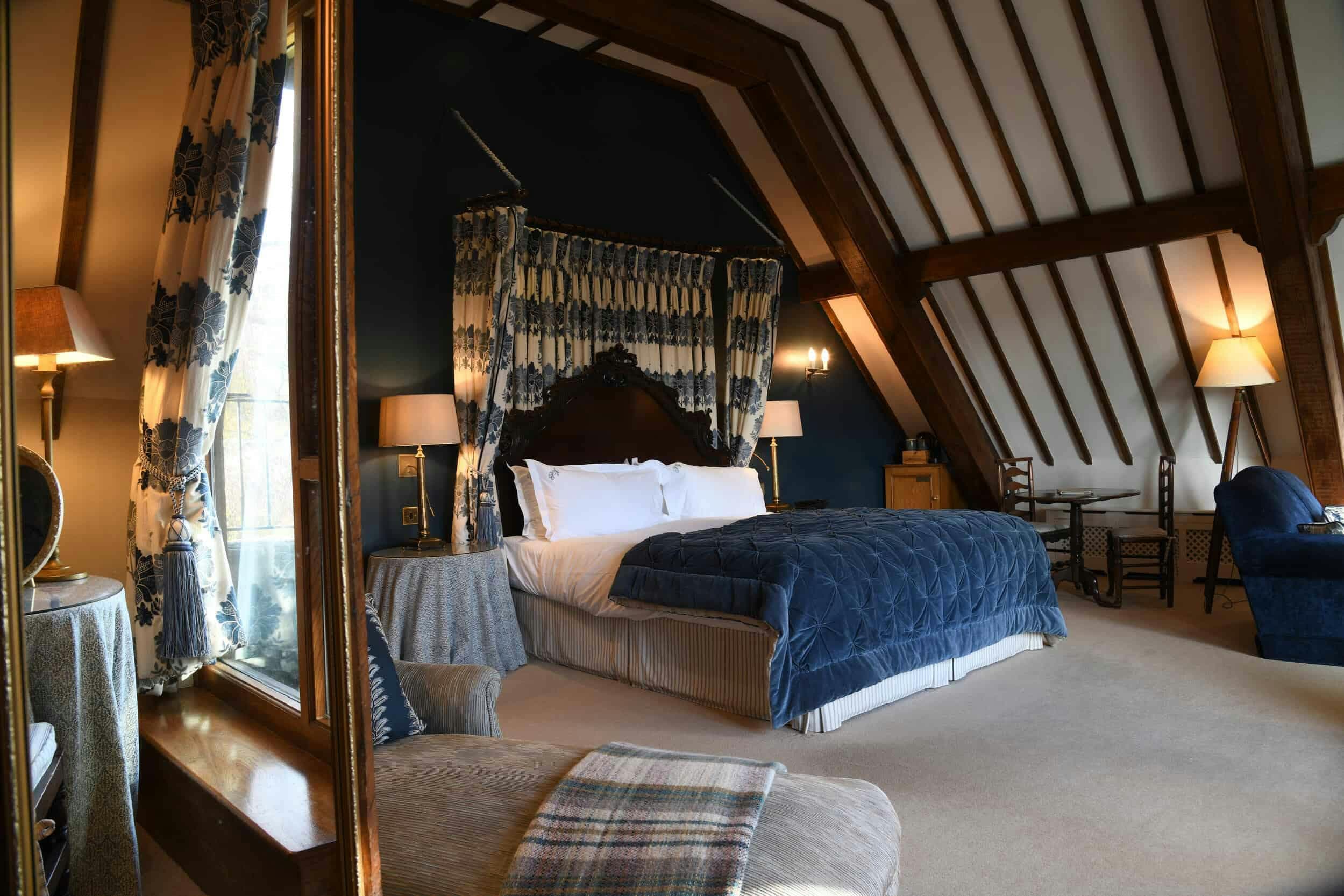
Inside, the hotel manages something many historic properties struggle with. It retains the bones and atmosphere of an old building without ever feeling dark, heavy, or stiff. Corridors bend unexpectedly. Staircases rise at uneven angles. Every room feels shaped by centuries of gradual change rather than uniform design. Yet natural light floods much of the interior, softening the darker beams and antique furnishings.
Persian carpets, old artwork, upholstered armchairs, gold framed mirrors, grand fireplaces, and shelves lined with books give the interiors the feeling of a private home rather than a formal hotel. The drawing rooms are the centre of it all, warm and deeply comfortable, the kind of rooms where guests settle into deep chairs with newspapers, tea, or cocktails and find that an hour has passed without anyone noticing. The property was acquired at auction in 1976 and opened it initially with five guestrooms. Nearly five decades of continuous family ownership has shaped everything about how the place feels. Luxury hotels increasingly tend toward a kind of studied interchangeability, the same muted palettes and engineered atmospheres regardless of whether you are in London or Lisbon or Los Angeles. The Priory simply never entered that conversation.
Rooms and Suites: Main House and the Boathouse
Seventeen rooms and suites are divided between the Main House and the Boathouse, which sits directly on the riverbank apart from the main building. Rooms within the historic house are individually designed, many with exposed oak beams, garden views, and traditional furnishings balanced with contemporary comforts. No two feel alike. That smaller scale changes the quality of a stay considerably. Staff recognise guests without making familiarity a performance. Breakfast remains calm even at full occupancy. After the anonymity that cities produce so effortlessly, that recognition matters more than it sounds.

The Boathouse Suites: Leaving the City Behind
If the main house is where you arrive and decompress, the Boathouse is where the city finally loses its grip entirely. Four suites sit directly on the riverbank, separate from the main building, with the kind of privacy that makes a few days feel like considerably longer. Vaulted ceilings, exposed beams, antique furnishings, and bathrooms generous enough that a bath becomes less of a routine and more of an event in itself.

What makes them is the water. Step outside onto the terrace in the morning with tea and the river is already moving, small boats passing quietly, the gardens stretching back toward the main house, the church tower holding its position above everything. There is no traffic, no notifications, nothing competing for attention. Just the Frome doing what it has always done, moving steadily through the reeds while the rest of the world gets on with being busy somewhere else.
Pre-Dinner Drinks: The Cloisters Bar and JJ's Speakeasy
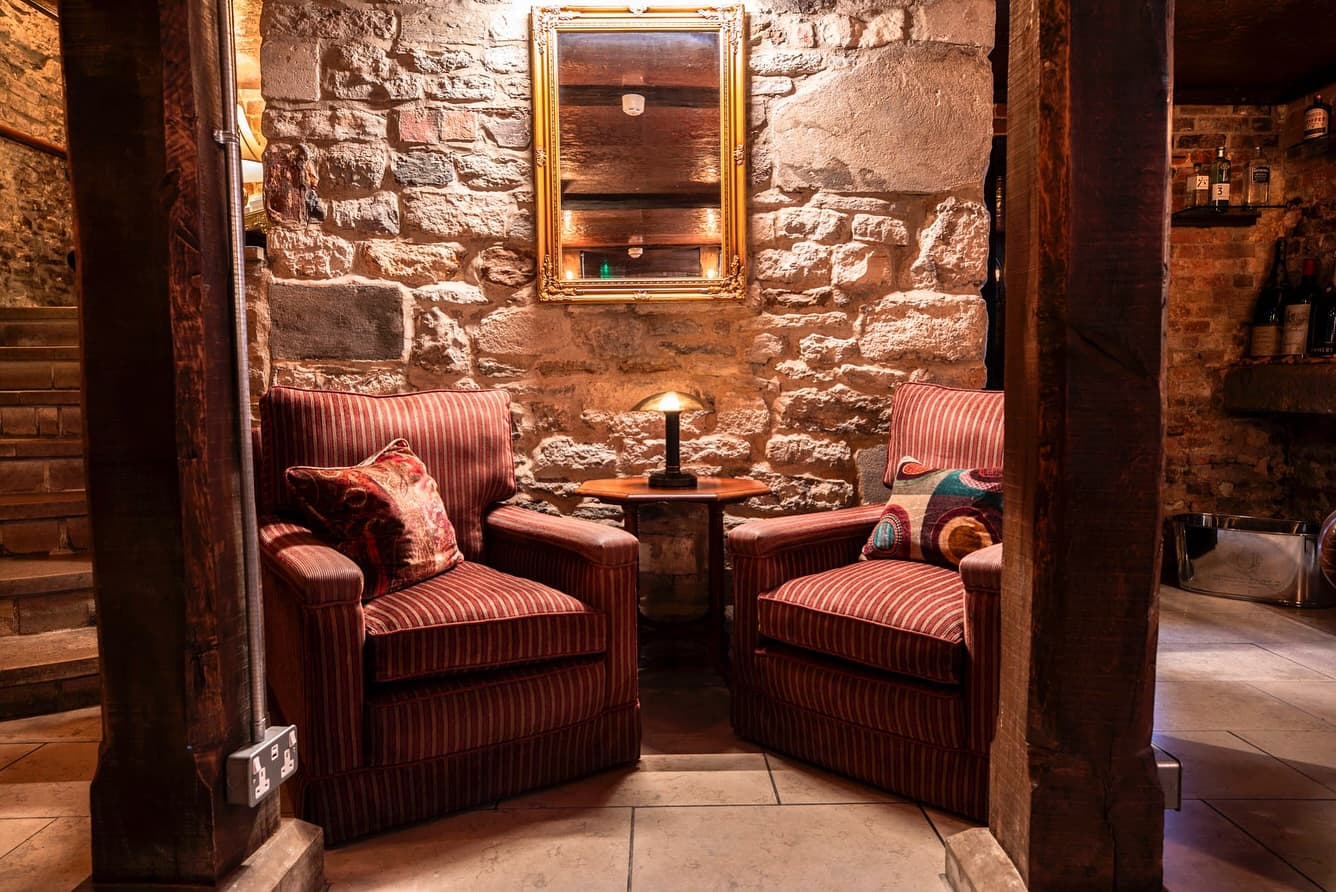
The evening at The Priory begins its dinning ritual well before anyone sits down to eat. In warmer months the terrace pulls guests outside for aperitifs as the light softens over the gardens and the river takes on that particular quality it has at dusk, glassy and unhurried. When the weather turns or the evening calls for something more enclosed, the Cloisters Bar is where people gather. Stone walls, low lighting, leather seating worn to the right degree of comfort, and a drinks list that rewards exploration.
Downstairs, JJ's Speakeasy is a newer addition and a different proposition entirely. Handcrafted cocktails built around locally inspired ingredients, a serious whisky selection. Between the two bars and the terrace, the hour before dinner rarely feels like waiting for anything. It feels like the first part of the evening in its own right.
Dinner at The Garden Room
The restaurant earns its name completely. Floor to ceiling windows frame the gardens and the river beyond so completely that the outside never quite leaves the room, even after dark, when candlelight replaces the afternoon sun and the lawn disappears into something quieter beyond the glass.

Head chef Stephan Guinebault has built a menu around the best of what Dorset and the surrounding counties produce, with classical French technique running through everything without ever making itself the point. The results are the kind of cooking that holds your attention without demanding it. A mint-crusted rack of Jurassic Farm lamb arrives with truffle pommes anna, charred rhubarb, celery, a Roscoff onion soubise, and a lamb and olive oil jus that carries the flavour of the Purbeck countryside in every mouthful. Portland crab handled with precision and restraint. Pan fried seabream with the kind of confident simplicity that only comes from knowing exactly where the fish came from and exactly what to do with it. For those inclined toward something more indulgent, the rosemary-roasted Dorset Devon Red chateaubriand has the quality of a dish that justifies the drive from London on its own.

The wine cellar runs to more than two hundred vintages, with a serious English wine selection sitting alongside the European producers. Service understands the pace of the evening instinctively, appearing when needed and disappearing when not, which sounds simple and is surprisingly rare.
Dinner here does not feel like a restaurant experience bolted onto a hotel stay. It feels like the natural end point of a day spent at a slower pace, the garden, the river, the town, all of it arriving at a table beside windows that frame the dark water outside. The evening ends later than planned. It usually does.
Afternoon Tea Beside the River
Afternoon tea at The Priory, Wareham is served daily in the John Turner room or on the river terrace, and booking well ahead is advised, which tells you something about its reputation locally. The format is traditional and straightforwardly done. Finger sandwiches, homemade scones with clotted cream and jam, cakes and sweets, and a pot from the Hoogly tea collection. Those who prefer savoury can order that version instead, finger sandwiches alongside miniature lobster brioche rolls and cheese scones with chilli chutney and herby cream cheese. A glass of prosecco is available if the afternoon calls for it. On the terrace with the gardens in front of you and the river beyond, it usually does.
Exploring Dorset: The Jurassic Coast and Beyond
The surrounding landscape is part of what makes the escape feel complete. Corfe Castle rises above the Purbeck Hills less than fifteen minutes away. Studland Bay and Old Harry Rocks along the Jurassic Coast are close enough for a morning without feeling like a commitment. Lulworth Cove and Durdle Door lie a little further west. Paddleboards leave from the hotel's own pontoons for guests who want to take the river rather than the road. But the area rewards those who wander without a fixed plan just as readily as those who arrive with one.
A Member of PoB Hotels
The Priory Wareham is a member of PoB Hotels, formerly Pride of Britain Hotels, a hand-picked collection of over fifty independent luxury properties across the British Isles. Established in 1982, the collection is not connected by uniformity but a shared commitment to genuine character, independent ownership, and experiences rooted in their surroundings rather than imported from a brand manual.

The Priory is exactly the kind of hotel PoB Hotels was created to champion. Nearly five decades of family ownership, a building shaped by fourteen centuries of history, cooking that draws directly from the landscape on its doorstep, and an atmosphere that could not be replicated anywhere else in the world. It is not trying to be anything other than what it is, which is precisely what makes it one of the finest independently owned hotels in Britain and a natural fit within a collection built on that same principle.
The Permission to Be Still
What The Priory Wareham understands, and what so much of modern hospitality has forgotten, is that the point of leaving the city is not to replace one form of stimulation with another. Some of the best moments here happen without any planning at all. Walking slowly through the gardens at dusk. Sitting beside the river with coffee in the early morning. Listening to church bells carry across the water in the evening while the Frome moves quietly below. Its pleasures accumulate gradually during the stay. The weight of old beams overhead. The smell of a flowers from the gardens drifting through an open window.
The Priory, Wareham has not been polished into something generic or overworked. It remains deeply tied to its history, its landscape, and the slower pace that this part of England offers. By the final morning, you've realised that this is exactly the type of break that is mandatory from life in a big city.
Glenn Harris
Glenn Harris is an accomplished journalist focusing on luxury travel, fine dining, and exclusive lifestyle events. His wanderlust has taken him to over 128 countries where he constantly strays off the beaten path to uncover exotic locations, travel gems and exciting experiences to capture.